
Absorption Kinetics and Gut Microbiota: The Role of Bacterial Signaling in Zinc-Copper Homeostasis
Discuss this resourceUpdated August 2026
An in-depth exploration of how the human microbiome modulates the delicate interplay between zinc and copper, focusing on intestinal kinetics and nutrient bio-availability.
Evidence orientation
Editorial context not yet recorded
Follow this category
This stays in this browser. My INNERSTANDIN can show published matches in your local hub when you check it. It does not send email, push, or alert notifications.
Local learning review
A private browser aid for revisiting ideas. It is not an alert or a health recommendation.
Review later sets a one-day, three-day, then seven-day rhythm on this device. Choose it only when you want to revisit this article.
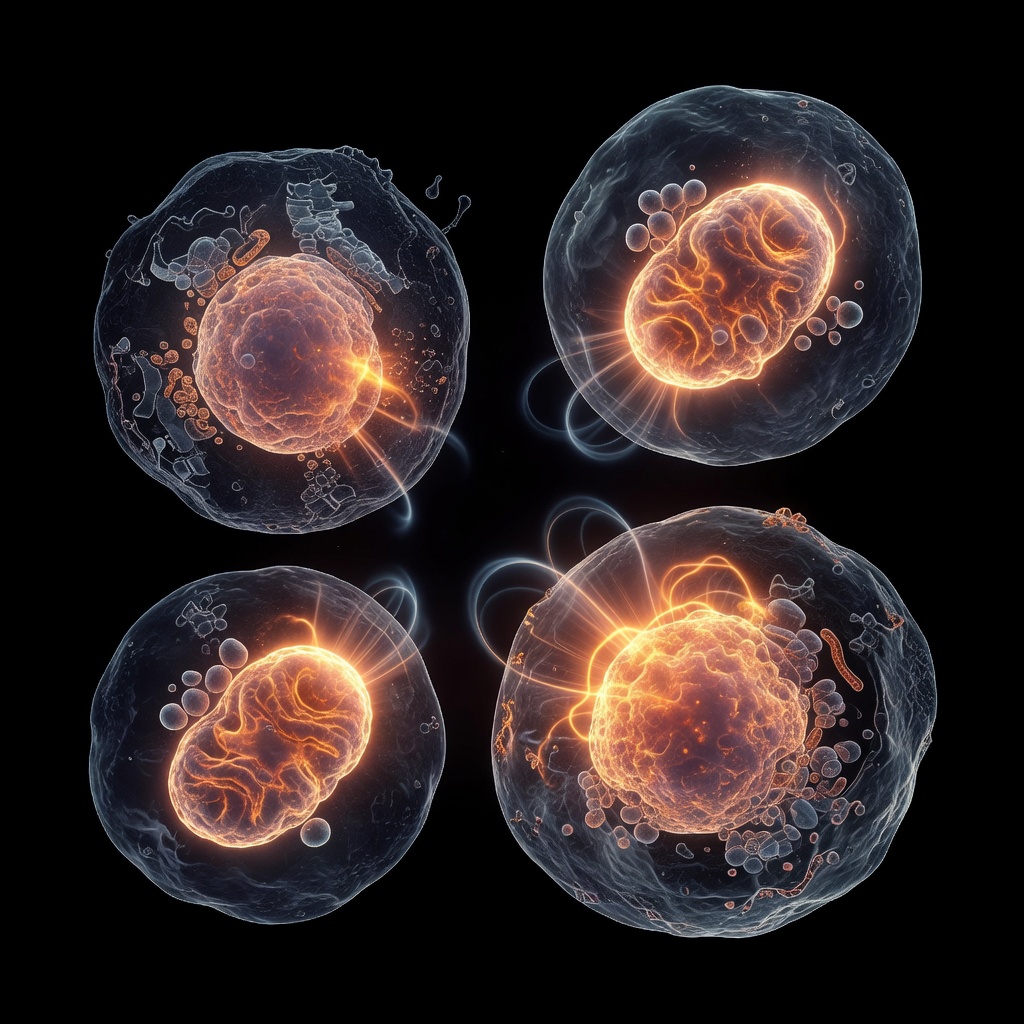
# Absorption Kinetics and Gut Microbiota: The Role of Bacterial Signaling in Zinc-Copper Homeostasis ## The Hidden Exchange In the landscape of micronutrient physiology, the relationship between zinc and copper is defined by a competitive antagonistic mechanism. Traditionally, we have viewed this as a struggle at the enterocyte membrane; however, new research suggests that our gut microbiota acts as a primary mediator in this process. ## The Kinetics of Competition Zinc and copper are absorbed primarily in the duodenum. Because they share similar transport pathways—most notably the ZIP (Zrt- and Irt-like protein) family—an excess of one often inhibits the absorption of the other. When zinc intake is high, it induces the production of metallothionein, a protein with a higher affinity for copper, effectively 'trapping' copper within intestinal cells and preventing its systemic distribution. ## Microbiota as a Signaling Hub Our gut bacteria are not passive passengers.
They consume and sequester minerals to fulfill their own metabolic requirements. Bacteria produce specific ligands and exopolysaccharides that can chelate zinc or copper, either enhancing or inhibiting their bioavailability. By shifting the microbial environment, we alter the chemical form of these metals before they ever reach the intestinal wall. ## Root-Cause Dysbiosis When the gut microbiome shifts toward a pro-inflammatory state (dysbiosis), the integrity of the tight junctions is compromised. This increased intestinal permeability allows for erratic metal absorption, potentially leading to a localized copper deficiency despite adequate systemic intake.
Addressing zinc-copper balance requires first stabilizing the microbial ecosystem to ensure regulated transport kinetics. ## Strategies for Homeostasis 1. Prebiotic Modulation: Feeding beneficial species that synthesize metal-binding proteins. 2. Timing and Ratios: Managing zinc supplementation in pulses rather than constant high doses to prevent metallothionein upregulation. 3. Mitochondrial Support: Copper is essential for cellular respiration; ensuring microbial diversity supports the gut's ability to manage mineral transport efficiently.
By shifting focus from simple supplementation to supporting the bacterial signals that dictate absorption, we achieve true systemic balance.
This article is provided for informational and educational purposes only. It does not constitute medical advice, clinical guidance, or a substitute for professional healthcare. Information reflects cited research at time of publication. Always consult a qualified healthcare professional before acting on any health information.
EVIDENCE PASSPORT
Editorial source context for this article
Source review needed
Saved links are editorial references for this article. They may support specific claims rather than every sentence. Open and assess each source in context. This passport does not independently verify them.
Editorial context
A complete editorial reading has not been recorded for this article, and no source links are saved on its record.
Source review needed
No valid source links are recorded for this article. Supplementary research, where available, is listed separately below.
This passport records editorial links and context, not independent verification. Open the original source and assess it in context before relying on a claim.
Medical Disclaimer
The information in this article is for educational purposes only and does not constitute medical advice, diagnosis, or treatment. Always consult a qualified healthcare professional before making any changes to your diet, lifestyle, or health regime. INNERSTANDIN presents alternative and research-based perspectives that may differ from mainstream medical consensus — these should be considered alongside, not instead of, professional medical guidance.
Read Full DisclaimerContinue the thread
Keep this question moving.
Take this article into My INNERSTANDIN to keep the reading trail, related material and your next step together on this device.
Explore this in the Body Map
Explore related body structures and their educational pages in the interactive Body Map.
Dig deeper in the Library
Free, longform PDF volumes that go beyond headlines into mechanisms and references.