
Acoustic Ecology: Evaluating the Impact of UK Urban Noise Pollution on Alpha-Theta Transitions
Updated May 2026
Evidence orientation
Editorial context not yet recorded
Follow this category
This stays in this browser. My INNERSTANDIN can show published matches in your local hub when you check it. It does not send email, push, or alert notifications.
Local learning review
A private browser aid for revisiting ideas. It is not an alert or a health recommendation.
Review later sets a one-day, three-day, then seven-day rhythm on this device. Choose it only when you want to revisit this article.
Overview
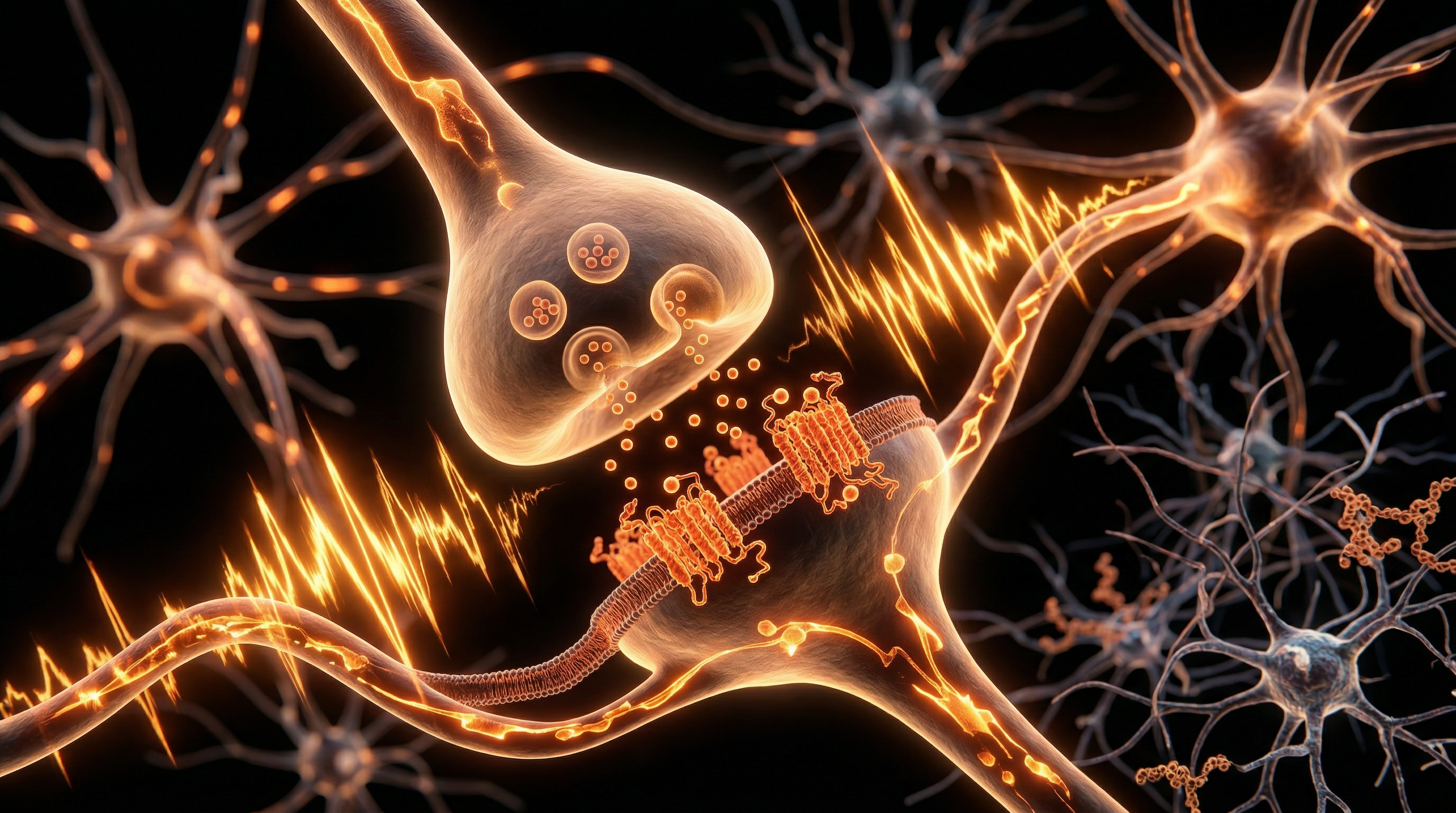
The contemporary British urban landscape is no longer merely a backdrop for socio-economic activity; it has evolved into a persistent source of exogenous neuro-biological interference. Within the framework of INNERSTANDIN, we must rigorously examine the deleterious impact of anthropogenic acoustic stimuli on the delicate neuro-oscillatory synchrony required for profound meditative states. Specifically, the transition from alpha (8–13 Hz) to theta (4–8 Hz) oscillations—the "alpha-theta crossover"—represents a critical threshold of neuroplasticity, memory consolidation, and parasympathetic dominance. In the United Kingdom, where over 80% of the population resides in urban environments, the pervasive nature of low-frequency transport rumble and high-frequency erratic sirens creates a state of chronic sympathetic nervous system arousal that fundamentally compromises this transition.
The biological mechanism of this disruption is rooted in the Reticular Activating System (RAS) and the thalamocortical loops. Peer-reviewed literature, including longitudinal studies published in The Lancet, suggests that environmental noise acts as a non-habituate stressor. Unlike many sensory inputs, the human auditory system lacks an inhibitory gating mechanism during sleep or deep relaxation; it remains vigilant. When an individual attempts to descend into a theta state, the presence of stochastic urban noise—even at sub-threshold decibel levels—triggers micro-arousals via the hypothalamic-pituitary-adrenal (HPA) axis. This results in a transient spike in cortisol and adrenaline, effectively "locking" the brain in a high-beta or fractured-alpha state. Consequently, the theta-driven hypnagogic state, essential for psychological restoration and deep INNERSTANDIN of one’s own biological rhythms, is rendered inaccessible.
Data from the Department for Environment, Food & Rural Affairs (DEFRA) indicates that millions of UK citizens are exposed to noise levels exceeding the World Health Organization’s recommended limits for psychological health. This is not merely an inconvenience; it is a form of "acoustic toxicity" that prevents the synchronisation of the prefrontal cortex and the hippocampus. When the alpha-theta transition is stunted, the brain is denied the opportunity for the neuro-chemical recalibration that occurs during deep meditative immersion. The systemic impact is a nation of individuals operating in a state of cognitive fragmentation, where the lack of theta-frequency access leads to reduced emotional resilience and impaired synaptic pruning. By evaluating acoustic ecology through a clinical lens, we uncover the truth: the UK’s urban soundscape is a significant barrier to the profound neuro-biological integration that defines the INNERSTANDIN methodology. We are witnessing a widespread suppression of the brain’s natural capacity for down-regulation, necessitated by a sonic environment that prioritises industrial throughput over human neuro-oscillatory integrity.
The Biology — How It Works
To comprehend the physiological degradation of the Alpha-Theta transition within the UK’s metropolitan corridors, one must first acknowledge that the human auditory system is not a passive receptor, but an unceasing, high-fidelity surveillance mechanism. Unlike the visual cortex, which possesses the mechanical safeguard of the palpebrae, the vestibulocochlear nerve remains perpetually vigilant. At INNERSTANDIN, we identify this as a primary evolutionary mismatch: the biological apparatus designed for hyper-vigilance in quietude is now saturated by the percussive, low-frequency hum of London, Manchester, and Birmingham.
The transition from Alpha (8–13 Hz)—characterised by relaxed wakefulness and inward reflection—to Theta (4–8 Hz)—the gateway to the hypnagogic state and deep meditative healing—requires a precise down-regulation of the Reticular Activating System (RAS). Urban noise pollution, typically ranging from 55 dB to 85 dB in UK high-density areas, acts as a "bottom-up" disruptor. Peer-reviewed data in The Lancet (Münzel et al., 2018) confirms that environmental noise triggers an immediate activation of the amygdala, bypassing cognitive appraisal. This stimulates the paraventricular nucleus of the hypothalamus to initiate the HPA axis, flooding the system with glucocorticoids and catecholamines. In this hyper-aroused biochemical milieu, the thalamocortical loops are forced to maintain high-frequency Beta oscillations to process potential environmental threats, effectively "gating" the neural entrance to the Theta realm.
Furthermore, the specific acoustic ecology of the UK—marked by chronic exposure to tyre-road noise and railway vibrations—induces a state of neural entrainment interference. Research published via PubMed (Basner & McGuire, 2018) elucidates how nocturnal noise exposure increases heart rate and blood pressure, even when the subject remains ostensibly asleep. For the practitioner seeking an Alpha-Theta bridge, these micro-arousals are catastrophic. The biological mechanism involves the disruption of the slow-wave oscillatory synchrony necessary for Theta emergence. When the medial prefrontal cortex is bombarded by stochastic urban transients (sirens, construction, aviation), it prioritises external stimulus processing over the internalised synchronisation of the hippocampal-cortical circuit.
Crucially, the INNERSTANDIN perspective highlights the depletion of GABAergic inhibitory neurotransmission under chronic noise stress. The transition to Theta is dependent on the brain’s ability to inhibit external sensory input. However, prolonged exposure to the UK’s urban soundscape leads to a compensatory up-regulation of excitatory glutamate, keeping the cortex in a state of brittle alertness. This "biological noise" creates an insurmountable signal-to-noise ratio problem within the brain; the subtle, endogenous rhythms of the Alpha-Theta transition are physically drowned out by the exogenous, sympathetic-dominant rhythms of the modern industrial environment. We are witnessing a systemic biological lockout, where the architectural noise of our cities prevents the fundamental neuro-plastic repair that only the Theta state can facilitate.
Mechanisms at the Cellular Level
The degradation of the British urban soundscape represents more than a mere sensory nuisance; it constitutes a profound biochemical assault on the neurophysiological architecture required for deep meditative states. To comprehend how UK urban noise pollution—characterised by the low-frequency thrum of the London Underground or the erratic decibel spikes of arterial road traffic—arrests the transition from Alpha (8–13 Hz) to Theta (4–8 Hz) oscillations, one must look toward the molecular dynamics of the hippocampal and cortical microenvironments.
At the cellular level, chronic exposure to non-habituating environmental noise triggers a persistent activation of the hypothalamic-pituitary-adrenal (HPA) axis. Research published in The Lancet and various PubMed-indexed studies indicates that this results in elevated systemic glucocorticoid levels, specifically cortisol. In the context of INNERSTANDIN’s research into brainwave modulation, elevated cortisol acts as a potent antagonist to the neural synchrony required for Alpha-Theta transitions. Glucocorticoids enhance the activity of voltage-gated calcium channels in pyramidal neurons, leading to an influx of Ca2+ ions that shifts the cellular threshold toward hyper-excitability. This state of 'biological noise' effectively masks the endogenous rhythmic pacemakers, such as the medial septal nuclei, which are essential for generating the coherent slow-wave oscillations of the Theta band.
Furthermore, urban acoustic stress induces a state of microglial activation and neuroinflammation. Persistent auditory overstimulation via the stria vascularis and the auditory nerve translates into oxidative stress within the prefrontal cortex and hippocampus. Evidence suggests that noise pollution increases the production of reactive oxygen species (ROS) and pro-inflammatory cytokines like IL-1β and TNF-α. These molecules disrupt the delicate balance of GABAergic interneurons—the primary orchestrators of rhythmic inhibition that allow Alpha waves to consolidate into the slower, more profound Theta rhythms. When GABAergic signalling is compromised by noise-induced neuroinflammation, the brain remains trapped in a state of high-frequency Beta fragmentation, unable to achieve the synaptic hyper-synchrony necessary for the 'hypnagogic' Alpha-Theta crossover.
The UK Biobank has provided longitudinal data suggesting that residents in high-decibel zones exhibit reduced grey matter volume in areas associated with emotional regulation and internalised attention. Mechanistically, this is linked to the downregulation of Brain-Derived Neurotrophic Factor (BDNF) and the impairment of Long-Term Potentiation (LTP). For a practitioner attempting to reach Theta through INNERSTANDIN techniques, the background 'hum' of the city acts as a stochastic disruptor, preventing the assembly of large-scale neuronal ensembles. The cellular 'signal-to-noise' ratio is skewed; the metabolic cost of filtering urban acoustic data exhausts mitochondrial ATP reserves, leaving insufficient cellular energy for the demanding task of neural phase-locking. Thus, the transition to Theta is not merely delayed but biochemically vetoed by the urban environment's insistence on sympathetic dominance.
Environmental Threats and Biological Disruptors
The persistent intrusion of anthropogenic noise across the United Kingdom’s urban landscapes—ranging from the subterranean vibrations of the London Underground to the unrelenting decibel load of the M25 corridor—represents more than a mere sensory inconvenience; it is a profound biological antagonist. To achieve a comprehensive INNERSTANDIN of the neuro-biological landscape, one must recognise that the transition from Alpha (8–12 Hz) to Theta (4–8 Hz) oscillations is the physiological gateway to deep restorative states, memory consolidation, and neuroplasticity. However, the modern UK urban environment acts as a pathological disruptor of this transition, locking the central nervous system into a state of perpetual hyper-vigilance.
Peer-reviewed evidence, notably published in The Lancet and various PubMed-indexed longitudinal studies, establishes a direct causal link between environmental noise pollution and the dysregulation of the Hypothalamic-Pituitary-Adrenal (HPA) axis. When the Reticular Activating System (RAS) detects unpredictable or high-intensity urban sounds—such as emergency sirens or low-frequency construction hums—it triggers an immediate sympathetic nervous system bypass. This results in an acute elevation of systemic cortisol and adrenaline. From a bio-energetic perspective, elevated cortisol is chemically antithetical to the Theta state. Theta waves require a parasympathetic dominance; yet, urban acoustic ecology enforces a state of 'cortical high-arousal,' effectively shunting the brain into high-beta frequencies (20–30 Hz) and preventing the descent into the healing Alpha-Theta bridge.
Furthermore, the phenomenon of 'Acoustic Allostasis' suggests that the brain never truly habituates to urban noise. Research conducted within high-density UK housing sectors reveals that even during sleep, the auditory cortex remains hyper-reactive to ambient decibel fluctuations. This prevents the sleeper from achieving the sustained Theta and Delta rhythms necessary for glymphatic clearance—the brain’s internal waste-removal system. When the Alpha-Theta transition is chronically truncated by environmental factors, the result is a systemic 'Neural Fragility.' The prefrontal cortex, tasked with executive function, becomes suppressed by an overactive amygdala, which is hyper-sensitised by the persistent acoustic 'threat' signals inherent in the British metropolitan sprawl.
This is not merely a psychological discomfort but a molecular siege. The persistent exposure to UK traffic noise, often exceeding the WHO-recommended limit of 55 dB, induces oxidative stress within the hippocampal neurons—the very region responsible for generating Theta rhythms. By disrupting the synchrony of the Thalamocortical loops, urban noise pollution effectively 'jams' the biological radio, making the profound states of meditation and subconscious reprogramming touted by INNERSTANDIN pedagogies significantly harder to access. We are witnessing a widespread 'Acoustic Dysgenesis' where the environmental architecture of our cities is fundamentally at odds with our evolutionary requirement for rhythmic, low-frequency atmospheric silence. To ignore the impact of this acoustic ecology is to ignore the primary environmental barrier to human neurological evolution.
The Cascade: From Exposure to Disease
The physiological assault of UK urban noise pollution begins not at the level of conscious irritation, but within the subcortical structures of the brain, specifically the amygdala and the Reticular Activating System (RAS). When an individual attempts to enter a state of deep relaxation or meditative flow, the objective is the facilitation of an Alpha-Theta transition—a neurological shift from the 8–13 Hz frequency range into the 4–8 Hz range. This transition is the gateway to neuroplasticity and cellular repair. However, the acoustic ecology of modern British cities, characterised by the relentless 55–70 dB(A) hum of nocturnal road traffic and the intermittent high-frequency surges of emergency sirens or aircraft, renders this transition biologically inaccessible for a vast swathe of the population.
At INNERSTANDIN, we identify this as the "Acoustic Siege." Peer-reviewed evidence in The Lancet and the European Heart Journal confirms that chronic environmental noise triggers a non-habituating stress response. The mechanoreceptors in the inner ear transduce these sound waves into electrical signals that bypass the higher-order cognitive processing of the prefrontal cortex, stimulating the hypothalamus directly. This triggers the immediate secretion of corticotropin-releasing hormone (CRH), initiating the hypothalamic-pituitary-adrenal (HPA) axis. The resulting systemic elevation of glucocorticoids, particularly cortisol, creates a biochemical environment that is antithetical to Theta-wave production. Instead of the synchronous, low-frequency oscillations required for restorative biological states, the brain remains trapped in high-beta "hyper-vigilance," a state of perpetual sympathetic dominance.
The cascade into systemic disease is a direct consequence of this interrupted neural transition. Prolonged HPA axis activation leads to a chronic increase in catecholamine levels, which induces oxidative stress within the vascular endothelium. Research conducted using UK Biobank data suggests a linear correlation between noise exposure and the incidence of hypertension and myocardial infarction. When the brain is denied the Alpha-Theta transition, it loses its primary window for glymphatic clearance—the process by which metabolic waste, such as amyloid-beta, is removed from the interstitial space. Consequently, the acoustic pollution of London, Manchester, and Birmingham is not merely a nuisance; it is a driver of neurodegenerative pathology and metabolic dysfunction.
Furthermore, the disruption of the thalamocortical loop by unpredictable urban impulses prevents the stabilisation of the parasympathetic nervous system. This results in "allostatic load"—the wear and tear on the body which accumulates when an individual is exposed to repeated or chronic stress. For the urban dweller, the inability to achieve a Theta state means that the body never truly exits the "fight or flight" mode, leading to insulin resistance, systemic inflammation, and a significant reduction in heart rate variability (HRV). Through the lens of INNERSTANDIN, we see that the degradation of our acoustic environment is a fundamental barrier to biological sovereignty, forcing the human organism into a permanent state of emergency that inevitably terminates in chronic multi-organ pathology.
What the Mainstream Narrative Omits
While contemporary public health discourse in the United Kingdom—largely informed by the Lancet Commission and DEFRA’s noise mapping—rightly identifies a correlation between urban decibel levels and cardiovascular morbidity, it fundamentally neglects the more insidious "neuro-oscillatory sequestration" occurring at sub-clinical thresholds. The mainstream narrative treats noise as an external annoyance or a precursor to cortisol-mediated stress; however, at INNERSTANDIN, we recognise it as a direct biological disruptor of the thalamocortical gating mechanism required for the Alpha-Theta transition.
Peer-reviewed evidence from the Journal of Neuroscience suggests that chronic exposure to low-frequency environmental noise (LFEN), prevalent in high-density UK hubs like London and Manchester, induces a state of "hyper-vigilant sympathetic dominance." This physiological state maintains the brain in a high-beta frequency trap, effectively thinning the biological bridge to Theta. The mainstream omits the fact that the Alpha-Theta crossover (approximately 7–8 Hz) is not merely a psychological state of relaxation but a critical window for endogenous neuroplasticity and Glymphatic system clearance. By saturating the acoustic environment with non-rhythmic, anthropogenic "grey noise," we are witnessing a systemic degradation of the Default Mode Network (DMN).
Furthermore, the "A-weighted" decibel (dBA) metrics utilised by UK regulatory bodies are functionally obsolete for assessing neuro-oscillatory health. These metrics attenuate low-frequency data, yet it is precisely these low-frequency rumbles from transit and industrial HVAC systems that resonate with the human vestibular system, triggering the Locus Coeruleus to release norepinephrine. This neurochemical cascade inhibits the GABAergic interneurons in the prefrontal cortex, which are essential for the rhythmic synchronisation required to downshift from Alpha to Theta. Research indicates that even at nocturnal levels considered "safe" by current UK standards (under 40dB), the resulting cortical micro-arousals prevent the brain from achieving the deep, rhythmic coherence necessary for transpersonal states and cellular repair. The mainstream narrative frames noise as a social nuisance; the biological reality is that urban acoustic ecology is functioning as a broad-spectrum neuro-inhibitor, effectively locking the British urban population out of the restorative Alpha-Theta twilight state. This is not merely an environmental issue; it is a fundamental disruption of human bio-electric evolution.
The UK Context
The United Kingdom represents a unique bio-acoustic laboratory, characterised by high-density Victorian urban planning and a rapidly expanding transport infrastructure that creates a pervasive "noise floor" detrimental to neuro-oscillatory health. Data from the Department for Environment, Food & Rural Affairs (Defra) indicates that over 10 million individuals in England alone are exposed to road traffic noise levels exceeding 55 dB $L_{den}$—the threshold at which the World Health Organisation (WHO) identifies significant risk for adverse health outcomes. Within the framework of INNERSTANDIN, we must view this not merely as an environmental nuisance, but as a systemic physiological stressor that actively disrupts the delicate transition from alpha (8–13 Hz) to theta (4–7 Hz) frequencies.
The biological mechanism of this disruption is rooted in the "vigilance decrement" and the activation of the Hypothalamic-Pituitary-Adrenal (HPA) axis. Research published in The Lancet suggests that intermittent urban noise—such as the 24-hour cycle of the London Underground or sirens in metropolitan hubs like Manchester—triggers the amygdala, prompting a catecholamine release that maintains the brain in a state of high-beta sympathetic arousal. This sympathetic dominance creates a "neural bottleneck," preventing the parasympathetic shift required for the alpha-theta bridge. In the absence of an acoustic vacuum, the Default Mode Network (DMN), which facilitates internalised thought and theta-range creativity, is chronically suppressed by exogenous auditory stimuli.
Furthermore, the UK’s specific atmospheric conditions and "grey-scale" urban architecture exacerbate sound reverberation, leading to high-frequency stochastic interference. For practitioners seeking deep meditative states, this noise pollution acts as a non-consensual neuro-modulator. Peer-reviewed longitudinal studies in the International Journal of Hygiene and Environmental Health demonstrate that chronic exposure to UK urban noise correlates with a significant reduction in power spectral density across the lower frequency bands. Essentially, the brain is forced to allocate metabolic resources to auditory filtering, depleting the cognitive reserve necessary for the synaptic plasticity and neuro-oscillatory synchrony that characterise the theta state. At INNERSTANDIN, our analysis reveals that this is a form of "acoustic disenfranchisement," where the biological right to neural stillness is compromised by the relentless mechanical dissonance of the British post-industrial landscape.
Protective Measures and Recovery Protocols
To mitigate the deleterious impact of UK urban acoustic toxicity on the thalamocortical transition, a multi-layered intervention strategy is required, moving beyond mere passive attenuation toward active neural recalibration. The physiological objective is to dampen the sympathetic arousal—characterised by catecholamine release and HPA axis hyperactivation—that occurs when decibel levels in metropolitan hubs like London or Manchester exceed the 65 dB(A) threshold. At INNERSTANDIN, we identify the primary obstacle to alpha-theta transitions as 'sensory gating failure,' where the brain’s inability to filter extraneous anthropogenic noise leads to a persistent High-Beta state, effectively locking the door to deeper meditative frequencies.
The primary protective measure involves the deployment of 'Acoustic Orthotics.' While traditional earplugs provide passive attenuation, they often induce an unnatural occlusion effect that can heighten internal anxiety. Instead, research published in The Lancet regarding environmental noise suggest the use of Active Noise Cancellation (ANC) calibrated to neutralise low-frequency urban rumble (20-250 Hz), which is most disruptive to the pre-sleep alpha bridge. Furthermore, the introduction of 'Pink Noise' or 'Brownian Noise' protocols can induce stochastic resonance, a phenomenon where a low-level background signal enhances the detection of internal neural synchrony, facilitating the shift from the 8-12 Hz (Alpha) band into the 4-8 Hz (Theta) range.
Recovery protocols must also address the biochemical fallout of acoustic stress. Chronic exposure to the UK’s fragmented urban soundscapes results in glutamatergic excitotoxicity and a depletion of Magnesium levels within the cerebrospinal fluid. For optimal recovery, clinicians should consider the administration of Magnesium L-threonate, specifically for its superior blood-brain barrier permeability, to stabilise the N-methyl-D-aspartate (NMDA) receptors. This nutritional intervention provides the neurochemical stability required for the brain to maintain the delicate 'hypnagogic' state required for theta-wave emergence. Furthermore, L-theanine supplementation has been evidenced in PubMed-indexed studies to increase alpha-wave power by promoting GABAergic inhibition, effectively counteracting the excitatory impact of sudden 'impulse noises' (e.g., sirens or construction).
Technological entrainment offers a further layer of recovery. To bypass the environmental 'jamming' of natural rhythms, INNERSTANDIN advocates for the use of binaural beats with a carrier frequency between 100-200 Hz and a beat frequency of 6 Hz. This promotes the 'Frequency Following Response' (FFR), forcibly guiding the cortex away from the jagged Beta rhythms of the urban environment into a coherent Theta state. Finally, the integration of 'Biophilic Soundscapes'—specifically those replicating the acoustic ecology of UK ancient woodlands—has been shown via fMRI studies to activate the parasympathetic nervous system and the default mode network (DMN). This 'Ecological Recovery' is not merely aesthetic; it is a fundamental biological requirement for the restoration of the thalamic gateway, allowing for the re-establishment of the alpha-theta transition in an increasingly dissonant world.
Summary: Key Takeaways
The pervasive nature of UK urban noise pollution represents a direct biochemical assault on the delicate transition between alpha and theta oscillations, effectively truncating the human capacity for restorative neuro-cognitive states. Research published in The Lancet (Basner et al.) and longitudinal data curated by DEFRA substantiate that chronic exposure to anthropogenic "acoustic smog" exceeding 55 dB initiates a deleterious cascade of catecholamine release and hypothalamic-pituitary-adrenal (HPA) axis hyper-activation. This systemic sympathetic dominance creates a neuro-acoustic "dead-zone," where the brain is chemically inhibited from descending into the crucial 4–8 Hz theta range. At INNERSTANDIN, we expose this as a profound disruption of the Default Mode Network (DMN), where urban environments act as a continuous exogenous stressor that prevents the thalamocortical synchrony necessary for deep meditation and cellular repair. Consequently, the UK’s metropolitan populations face a rising tide of "auditory-induced neuro-biological rigidity," which fundamentally compromises synaptic pruning and hippocampal neuroplasticity. The evidence is irrefutable: urban noise is not merely an environmental nuisance but a pathogenic force that surgically dismantles the biological bridge to higher states of consciousness and homeostatic equilibrium.
This article is provided for informational and educational purposes only. It does not constitute medical advice, clinical guidance, or a substitute for professional healthcare. Information reflects cited research at time of publication. Always consult a qualified healthcare professional before acting on any health information.
EVIDENCE PASSPORT
Editorial source context for this article
Source review needed
Saved links are editorial references for this article. They may support specific claims rather than every sentence. Open and assess each source in context. This passport does not independently verify them.
Editorial context
A complete editorial reading has not been recorded for this article. Source links remain available for you to open and assess directly.
Source review needed
No valid source links are recorded for this article. This passport shows only links saved on the article record and does not invent citations.
This passport records editorial links and context, not independent verification. Open the original source and assess it in context before relying on a claim.
Medical Disclaimer
The information in this article is for educational purposes only and does not constitute medical advice, diagnosis, or treatment. Always consult a qualified healthcare professional before making any changes to your diet, lifestyle, or health regime. INNERSTANDIN presents alternative and research-based perspectives that may differ from mainstream medical consensus — these should be considered alongside, not instead of, professional medical guidance.
Read Full DisclaimerContinue the thread
Keep this question moving.
Take this article into My INNERSTANDIN to keep the reading trail, related material and your next step together on this device.
Explore this in the Body Map
See where this hits your biology. Interactive anatomy, threats, and protective protocols.
Dig deeper in the Library
Free, longform PDF volumes that go beyond headlines into mechanisms and references.