
Adipose-Derived Stem Cell Dysregulation: A Root-Cause Perspective on Lipoedema Morphology
Updated August 2026
This article explores the cellular mechanisms behind Lipoedema, focusing on how adipose-derived stem cell (ADSC) dysfunction drives the pathological expansion of subcutaneous fat tissue.
Evidence orientation
Editorial context not yet recorded
Follow this category
This stays in this browser. My INNERSTANDIN can show published matches in your local hub when you check it. It does not send email, push, or alert notifications.
Local learning review
A private browser aid for revisiting ideas. It is not an alert or a health recommendation.
Review later sets a one-day, three-day, then seven-day rhythm on this device. Choose it only when you want to revisit this article.
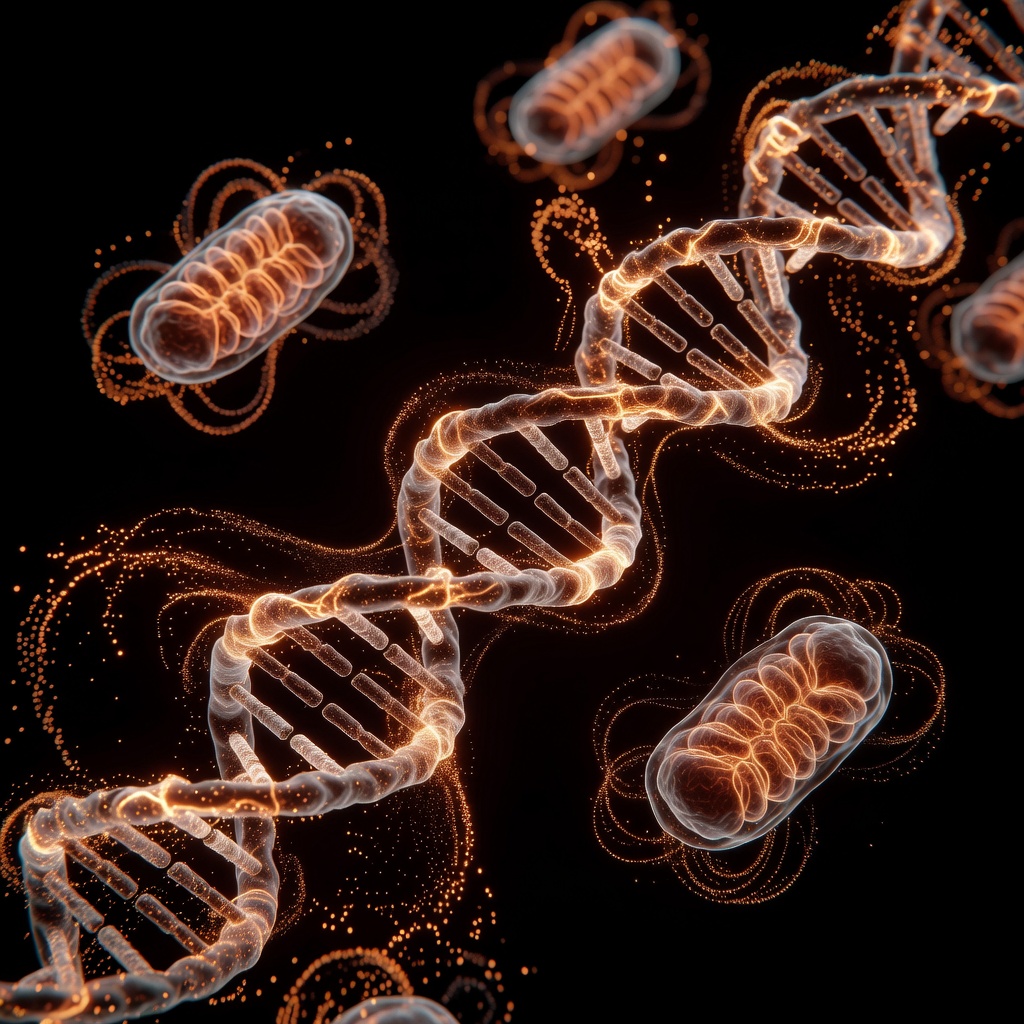
Introduction to Lipoedema Pathology. Lipoedema is a chronic, progressive condition characterized by an abnormal, symmetrical accumulation of adipose tissue, primarily in the lower extremities. Unlike nutritional obesity, Lipoedema is rooted in a fundamental disruption of the connective tissue and the adipose organ itself. To understand this condition, we must look beyond the appearance of fat and examine the dysregulation of Adipose-Derived Stem Cells (ADSCs). ### The Role of ADSCs in Adipose Homeostasis. ADSCs are multipotent cells residing in the stromal vascular fraction of adipose tissue.
Under healthy conditions, they undergo regulated proliferation and differentiation into mature adipocytes. In Lipoedema, this process is hijacked. Recent evidence suggests that the microenvironment in Lipoedema-prone regions creates a niche that favors hyperplasia (increase in cell number) and hypertrophy (increase in cell size) in a disordered manner. ### Genetic and Epigenetic Triggers. The morphological changes seen in Lipoedema suggest a genetic predisposition triggered by hormonal fluctuations, particularly during puberty, pregnancy, or menopause. These shifts signal the ADSCs to expand the fat pad, but in Lipoedema, the signaling pathways controlling apoptosis and tissue remodeling are impaired.
This leads to the buildup of fibrotic connective tissue, resulting in the characteristic 'columnar' leg shape and the inflammatory 'pain' associated with the disease. ### The Inflammatory Feedback Loop. Dysregulated ADSCs do not act in isolation. They communicate with the immune system, creating a state of chronic, low-grade inflammation. This inflammatory milieu exacerbates the stem cell dysfunction, creating a self-perpetuating loop. The fibroblasts in the area also overproduce extracellular matrix proteins, leading to the thickening of the skin and the deep, dull ache reported by patients. ### Therapeutic Implications.
Understanding Lipoedema as a root-cause issue of stem cell signaling shifts the focus from weight loss to metabolic and lymphatic support. Management strategies should emphasize reducing systemic inflammation and supporting the lymphatic system to prevent the progression of the disorder into Lipo-lymphoedema. By addressing the adipose microenvironment, we can begin to stabilize the tissue rather than simply treating the surface symptoms.
This article is provided for informational and educational purposes only. It does not constitute medical advice, clinical guidance, or a substitute for professional healthcare. Information reflects cited research at time of publication. Always consult a qualified healthcare professional before acting on any health information.
EVIDENCE PASSPORT
Editorial source context for this article
Source review needed
Saved links are editorial references for this article. They may support specific claims rather than every sentence. Open and assess each source in context. This passport does not independently verify them.
Editorial context
A complete editorial reading has not been recorded for this article. Source links remain available for you to open and assess directly.
Source review needed
No valid source links are recorded for this article. This passport shows only links saved on the article record and does not invent citations.
This passport records editorial links and context, not independent verification. Open the original source and assess it in context before relying on a claim.
Medical Disclaimer
The information in this article is for educational purposes only and does not constitute medical advice, diagnosis, or treatment. Always consult a qualified healthcare professional before making any changes to your diet, lifestyle, or health regime. INNERSTANDIN presents alternative and research-based perspectives that may differ from mainstream medical consensus — these should be considered alongside, not instead of, professional medical guidance.
Read Full DisclaimerContinue the thread
Keep this question moving.
Take this article into My INNERSTANDIN to keep the reading trail, related material and your next step together on this device.