
Adjuvant Synergy: The Cumulative Effect of Combined Vaccine Ingredients
Discuss this resourceUpdated October 2026
A study on the synergistic effects of multiple adjuvants and excipients delivered simultaneously. It critiques the lack of safety data regarding the cumulative 'cocktail effect'.
Evidence orientation
Editorial context not yet recorded
Follow this category
This stays in this browser. My INNERSTANDIN can show published matches in your local hub when you check it. It does not send email, push, or alert notifications.
Local learning review
A private browser aid for revisiting ideas. It is not an alert or a health recommendation.
Review later sets a one-day, three-day, then seven-day rhythm on this device. Choose it only when you want to revisit this article.
Overview
Modern vaccinology has evolved significantly from the deployment of single-component antigens suspended in simple saline solutions. Contemporary formulations frequently rely on complex matrices designed to provoke a robust, long-lasting adaptive immune response, particularly when using purified, recombinant, or synthetic antigens that inherently possess low immunogenicity. Within the INNERSTANDIN analytical framework, this necessitates a rigorous examination of 'Adjuvant Synergy'—the cumulative, multi-pathway biological effects resulting from the co-administration or combination of diverse vaccine ingredients. Rather than viewing adjuvants as inert delivery vehicles, peer-reviewed toxicological and immunological literature increasingly evaluates these formulations as dynamic systems where mineral salts, organic compounds, emulsifiers, and pattern-recognition receptor (PRR) agonists interact synchronously to amplify cellular and humoral cascades.
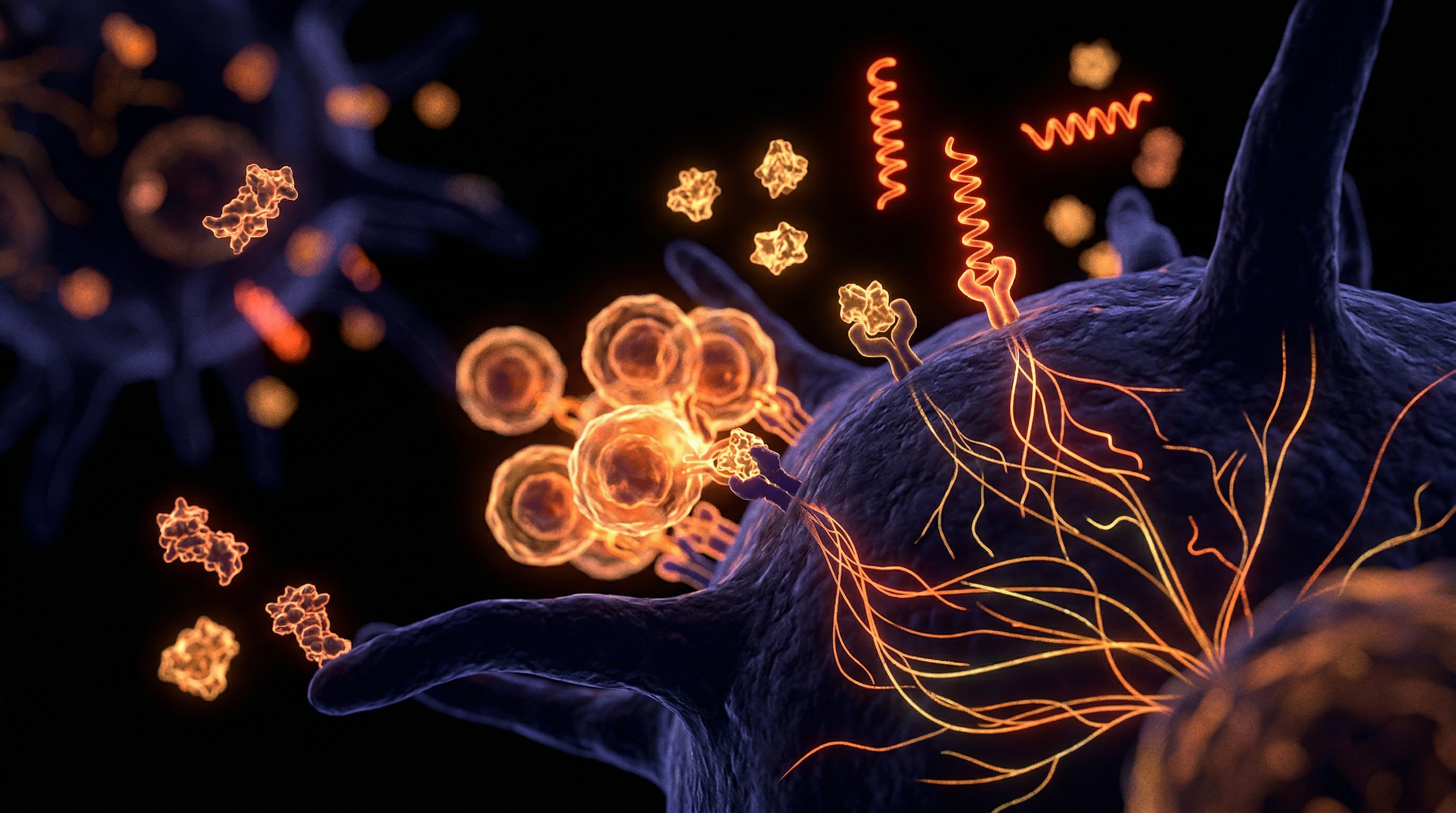
From a mechanistic standpoint, synergistic adjuvant activity typically leverages complementary pathways. For instance, particulate carriers—such as aluminium-based salts (alum) or squalene-based oil-in-water emulsions like MF59 and AS03—do not merely act as depots for slow antigen release. Research indexed in databases such as PubMed demonstrates that these compounds actively modulate the local microenvironment at the injection site. They induce controlled cellular stress, recruit immature dendritic cells, and promote the local release of damage-associated molecular patterns (DAMPs), including uric acid and extracellular DNA. When combined with specific ligands, such as Toll-like receptor (TLR) agonists (e.g., monophosphoryl lipid A), the resultant signaling network bypasses redundant regulatory checkpoints. This multi-pronged activation triggers a cytokine storm of interleukin-6 (IL-6), tumour necrosis factor-alpha (TNF-$\alpha$), and type I interferons, driving a polarized Th1 or Th2 adaptive response that far exceeds the arithmetic sum of the individual components acting in isolation.
In the context of UK biomedical research and regulatory oversight—overseen by bodies such as the Medicines and Healthcare products Regulatory Agency (MHRA)—understanding these cumulative pharmacological dynamics is paramount. Toxicokinetic studies published in journals such as The Lancet and specialized immunology publications emphasize that systemic biodistribution is altered when multiple adjuvants operate concurrently. Biodistribution models indicate that nanoparticle-based ingredients can traffic via lymphatic drainage to regional lymph nodes, potentially prolonging immune cell activation well beyond the initial inoculation window. Furthermore, inter-individual variability in genetic polymorphisms related to inflammasome assembly (such as NLRP3) and cytokine clearance means that the cumulative impact of combined adjuvant ingredients can manifest unpredictably across diverse demographic cohorts.
Evaluating Adjuvant Synergy therefore requires moving past reductionist evaluations of single ingredients. By mapping the intricate cross-talk between particulate mechanics, receptor agonism, and systemic neuro-immuno-endocrine responses, INNERSTANDIN provides the biological literacy required to critically assess the safety and efficacy profiles of advanced multi-ingredient biological preparations.
The Biology — How It Works
To comprehend the immunological cascades initiated by multi-ingredient formulations, one must examine the dynamic interplay between classically defined antigens and composite adjuvant architectures. Within contemporary vaccinology, the paradigm has shifted from isolated immunostimulation to engineered adjuvant synergy—a strategic convergence of delivery systems, pattern-recognition receptor (PRR) agonists, and depot-forming mineral compounds. When introduced concurrently via parenteral routes, these components do not merely act additively; they orchestrate a synchronized, multifaceted amplification of both innate and adaptive immune axes that fundamentally alters the pharmacokinetic and pharmacodynamic profile of the biological product.
At the core of this biological mechanism is the potentiation of local tissue microenvironments. Upon injection, particulate adjuvants such as aluminium oxyhydroxide or squalene-based oil-in-water emulsions (e.g., AS03 or MF59) induce localized cellular stress, triggering the rapid release of damage-associated molecular patterns (DAMPs). Concurrently, when co-formulated with Toll-like receptor (TLR) agonists—such as monophosphoryl lipid A (MPL)—the local milieu becomes saturated with endogenous and exogenous pro-inflammatory signals. This dual-action paradigm accelerates the recruitment of professional antigen-presenting cells (APCs), specifically dendritic cells and inflammatory monocytes, to the injection site. As demonstrated in comparative transcriptomic analyses indexed in peer-reviewed repositories via PubMed, the co-delivery of particulate carriers and PRR ligands upregulates crucial chemokine receptors and costimulatory molecules (CD40, CD80, CD86) far exceeding the efficacy of single-agent formulations.
Furthermore, adjuvant synergy profoundly influences antigen trafficking and processing kinetics. Emulsion-based systems enhance lymphatic drainage, ensuring that intact antigens and activated APCs converge within regional lymph nodes with high efficiency. Within the subcapsular sinus and paracortex, the sustained depot effect—prolonged by mineral salt precipitation—facilitates a continuous, low-level antigenic presentation window. This sustained exposure drives optimal germinal centre reactions, promoting somatic hypermutation and affinity maturation within B-cell repertoires. Concurrently, cytokine polarization is meticulously steered; the integration of specific adjuvant combinations preferentially activates MyD88- and TRIF-dependent signaling pathways, robustly skewing the helper T-cell response toward a balanced Th1/Th2 phenotype essential for durable immunological memory.
In the context of the UK’s stringent surveillance frameworks and post-market safety monitoring overseen by the MHRA, understanding these multi-ingredient interactions is paramount. The cumulative systemic impact extends beyond localized reactogenicity, occasionally triggering measurable transient systemic inflammatory signatures, including acute-phase protein elevation and systemic cytokine fluxes. By dissecting these molecular pathways through exhaustive, evidence-led inquiry, INNERSTANDIN aims to demystify the complex biochemical realities governing modern vaccine formulations, providing researchers, clinicians, and rigorous-minded individuals with the unvarnished biological mechanisms underpinning adjuvant synergy.
Mechanisms at the Cellular Level
At the microscopic interface of inoculation, the convergence of multiple exogenous compounds triggers an intricate cascade of biochemical signaling pathways that fundamentally diverges from natural pathogen exposure. When formulators combine traditional particulate adjuvants—such as aluminium oxyhydroxide or aluminium phosphate—with specialized immunopotentiators like squalene-based oil-in-water emulsions (e.g., AS03 or MF59) or Toll-like receptor (TLR) agonists, the resulting cellular response is characterized by non-linear potentiation. Peer-reviewed toxicological and immunological evaluations indexed in databases such as PubMed demonstrate that co-administered adjuvant systems provoke localized hyper-recruitment of innate immune sentinels far exceeding the sum of their individual capacities. Upon intramuscular injection, these multi-component formulations establish a transient, highly reactive depot effect. This microenvironment induces localized tissue stress and cellular necrosis, which in turn causes the massive efflux of damage-associated molecular patterns (DAMPs), including high mobility group box 1 (HMGB1) proteins and extracellular ATP. Concurrently, the physicochemical properties of combined mineral and lipid moieties enhance cellular uptake kinetics, forcing professional antigen-presenting cells (APCs)—specifically dendritic cells and inflammatory monocytes—into a state of hyper-activation via concurrent stimulation of multiple pattern recognition receptors (PRRs), including various TLRs and the NLRP3 inflammasome.
This multi-pronged receptor ligation bypasses standard homeostatic regulatory thresholds, precipitating accelerated maturation markers (CD40, CD80, CD86) and an overproduction of pro-inflammatory cytokines such as interleukin-1 beta (IL-1$\beta$), IL-6, and tumour necrosis factor-alpha (TNF-$\alpha$). Furthermore, the synergistic interplay between aluminium particulate carriers and lipid emulsions facilitates the biophysical translocation of co-formulated antigens and chemical haptens into draining lymph nodes with heightened efficiency. Within the paracortical zones of these secondary lymphoid organs, the persistent presentation of foreign and self-peptides, driven by prolonged adjuvant-mediated retention, dysregulates normal T-cell priming. This can lead to an expansion of autoreactive T-helper repertoires and aberrant germinal center reactions. Toxicokinetic studies scrutinized within independent European toxicological frameworks highlight that this heightened immunogenicity is intrinsically linked to systemic biodistribution. Biopersistent nanoparticles do not remain static at the injection site; macrophage-mediated clearance mechanisms (trogocytosis and direct migration) transport adjuvant complexes across blood-brain and systemic vascular barriers, resulting in low-grade, chronic biodistribution into distant reticuloendothelial organs, the spleen, and the central nervous system.
At INNERSTANDIN, our commitment to rigorous biological literacy necessitates a transparent examination of these molecular dynamics. The cumulative burden of combined adjuvant technologies fundamentally alters standard immunological paradigms, shifting the physiological endpoint from targeted pathogen defense to systemic, multi-system immune activation that demands rigorous, long-term toxicological appraisal beyond standard short-term safety trials.
Environmental Threats and Biological Disruptors
To fully appraise the biological ramifications of vaccine formulations, one must contextualise these interventions not in isolation, but within the broader matrix of environmental threats and biological disruptors that modern human populations continually navigate. The human organism is subjected to an unprecedented array of xenobiotics, heavy metals, persistent organic pollutants, and inflammatory stimuli. When exogenous delivery systems—specifically engineered adjuvants such as aluminium oxyhydroxide or proprietary lipid nanoparticles—are introduced parenterally alongside these environmental loads, the physiological calculus shifts. At INNERSTANDIN, our commitment to rigorous biological science demands an exhaustive examination of how co-exposure dynamics alter toxicological thresholds and immune system homeostasis.
From a mechanistic standpoint, environmental toxins frequently induce low-grade, chronic activation of the innate immune system, priming macrophages and microglia via toll-like receptor (TLR) signalling pathways. When combined with potent particulate adjuvants designed explicitly to provoke robust immunogenicity, the resultant biochemical signalling cascades can exceed physiological regulatory feedback loops. Peer-reviewed toxicological assessments indexed in databases such as PubMed have increasingly highlighted the phenomenon of mixture toxicity, where compounds acting via independent or convergent pathways produce cumulative or synergistic dysregulation at concentrations where individual components might appear benign. Aluminium-based adjuvants, long presumed to remain sequestered at the injection site, have been shown via biokinetics modelling and murine tracking studies to undergo translocation via macrophagic carriage to secondary lymphoid organs, and crucially, to cross the blood-brain barrier.
This neurotropic capability is significantly exacerbated when biological disruptors—such as ambient particulate matter (PM2.5), organophosphates, or endocrine-disrupting chemicals—have already compromised endothelial integrity or upregulated central nervous system inflammation. In the UK regulatory context, safety profiles are traditionally derived from single-ingredient assessments mandated by agencies such as the MHRA. However, toxicological reality dictates that biological systems do not process xenobiotics sequentially; they process them concurrently. The cumulative bioaccumulation of particulate adjuvants alongside systemic environmental stressors creates a compounding burden on hepatic clearance, renal filtration, and reticuloendothelial system capacity.
Furthermore, epigenetic modifications induced by early-life exposure to environmental disruptors can alter an individual's transcriptional response to subsequent immunological stimuli. Research published in prominent journals including The Lancet underscores that epigenetic reprogramming of innate immune cells—often termed trained immunity—can lead to hyper-responsiveness upon secondary challenge. When this hyper-responsive state encounters multi-ingredient adjuvant matrices, the risk of aberrant auto-inflammatory loops escalates. Understanding these intricate cross-talk mechanisms requires moving past antiquated reductionist models. At INNERSTANDIN, we assert that true scientific advancement necessitates acknowledging the multifactorial stressors of the modern exposome, ensuring that the cumulative biological footprint of combined vaccine ingredients is rigorously evaluated against the backdrop of total environmental toxicity.
The Cascade: From Exposure to Disease
To fully comprehend how adjuvant combinations influence biological systems, one must trace the precise molecular and physiological cascade that unfolds following intramuscular or subcutaneous administration. When a contemporary multi-component formulation—comprising particulate delivery systems, metallic salts, and molecular pattern recognition receptor (PRR) agonists—is introduced into the interstitial space, it triggers a rapid, highly orchestrated inflammatory response. This initial sentinel activation is not merely a localized event; rather, it sets off a systemic signalling cascade that fundamentally alters vascular permeability, immune cell recruitment, and neuroimmune communication pathways.
At the injection site, the immediate physical disruption of tissue causes localized cell death, releasing damage-associated molecular patterns (DAMPs) such as high mobility group box 1 (HMGB1) and genomic DNA. Concurrently, aluminium-based adjuvants or novel squalene-containing oil-in-water emulsions (such as AS03 or MF59) create a localized depot effect while inducing cellular stress. As demonstrated in toxicological and immunological studies indexed in PubMed, these particulate agents prompt the activation of the NALP3 inflammasome within resident macrophages and dendritic cells. This leads to the proteolytic cleavage of pro-interleukin-1β and pro-IL-18 into their active, highly inflammatory forms, initiating a cytokine storm at the micro-anatomic level.
The systemic manifestation of this cascade relies heavily on trafficking kinetics. Activated antigen-presenting cells (APCs) upregulate chemokine receptors such as CCR7, transitioning from phagocytic sentinels to migratory vehicles. Guided by interstitial chemokine gradients, these loaded APCs transit through local lymphatic vessels to secondary lymphoid organs—specifically the draining lymph nodes. Here, the synergistic presence of co-administered adjuvants—such as Toll-like receptor (TLR) agonists paired with mineral salts—exerts a potent adjuvant synergy. While mineral salts optimize antigen depot formation and uptake, concurrent TLR signaling (via pathways like MyD88 or TRIF) provides the essential secondary and tertiary activation signals to naive T-cells and B-cells. This dual-action mechanism significantly lowers the threshold for lymphocyte activation, bypassing normal immunological self-tolerance checkpoints to secure a robust adaptive response.
However, the biological footprint of this cascade extends beyond local lymphatics. Pharmacokinetic evaluations and biodistribution assays reveal that sub-micron sized adjuvant nanoparticles and released immunogens are not entirely confined to the injection site or local nodes. A fraction enters systemic circulation via the capillary beds and lymphatic drainage system, crossing physiological interfaces. Preclinical investigations published in peer-reviewed journals highlight the capacity of certain adjuvant-metal complexes and nanoparticle formulations to undergo biopersistence, travelling via macrophage-mediated transport (Trojan horse mechanism) across the blood-brain barrier. Within the central nervous system, these circulating triggers can stimulate resident microglial cells, initiating neuroinflammatory pathways characterized by elevated levels of pro-inflammatory cytokines (TNF-α, IL-6) and inducible nitric oxide synthase (iNOS).
Furthermore, the cumulative metabolic load of combined ingredients places distinct demands on hepatic clearance pathways and mitochondrial function. Researchers analyzing toxicological synergy note that when multiple distinct adjuvants act concurrently, their mechanisms of action are not simply additive; they frequently demonstrate non-linear toxicodynamics. By simultaneously engaging diverse inflammatory signalling cascades—complement activation, oxidative stress pathways, and inflammasome assembly—the combined ingredients provoke a systemic physiological reorganization. At INNERSTANDIN, our commitment to rigorous biological literacy requires mapping these complex pathways transparently, ensuring that the full continuum from initial chemical exposure to systemic physiological alteration is rigorously evaluated through empirical, peer-reviewed data.
What the Mainstream Narrative Omits
To comprehend the true biological footprint of modern immunisation schedules, one must critically examine the epistemological gap defining contemporary vaccinology: the pervasive reliance on single-ingredient safety paradigms. Mainstream institutional bodies, including the UK Health Security Agency (UKHSA) and the Medicines and Healthcare products Regulatory Agency (MHRA), traditionally evaluate individual vaccine components—such as specific aluminium salt polymorphs, squalene-based emulsions, or toll-like receptor (TLR) agonists—in absolute isolation prior to licensure. What current regulatory frameworks conspicuously omit is the rigorous investigation of adjuvant synergy: the non-linear, cumulative biological consequences of co-administering multiple synergistic compounds within a single formulation or concurrent clinical encounter.
From a mechanistic perspective, this omission obfuscates the profound implications of multi-adjuvant exposure on cellular homeostasis and neuro-immune signalling. When disparate immunomodulatory agents—for instance, aluminium hydroxide nanoparticles acting via NALP3 inflammasome activation, combined with microbial pattern-associated molecular patterns (PAMPs)—are introduced simultaneously, they do not merely exert additive effects; they instigate complex, potentiated cascades. Preclinical pharmacodynamic studies indexed in peer-reviewed repositories such as PubMed demonstrate that composite adjuvant systems dramatically lower the threshold for systemic immune activation. This heightened reactivity accelerates antigen-presenting cell trafficking across physiological barriers, including the blood-brain barrier, via Trojan-horse mechanisms mediated by monocyte infiltration.
Furthermore, mainstream discourse routinely bypasses the cumulative burden of chronic adjuvant retention. Histological evaluations published in analytical toxicology literature reveal that particulate adjuvants are not cleared instantaneously from the injection site or draining lymph nodes; rather, they undergo biopersistence, translocating to distant organs such as the spleen, liver, and central nervous tissue. At INNERSTANDIN, our commitment to rigorous biological literacy necessitates challenging the reductionist assumption that the pharmacokinetic profile of an isolated adjuvant mirrors its behaviour when compounded with diverse chemical moieties and antigenic loads.
By failing to model cumulative adjuvant synergy, current regulatory evaluations overlook the subtle, downstream perturbations of homeostatic immune regulation—ranging from molecular mimicry to protracted neuro-inflammatory signalling. True scientific advancement demands that UK research institutions pivot away from archaic, component-wise safety assumptions and embrace holistic, systems-biology frameworks that accurately reflect the cumulative physiological reality of multi-ingredient vaccine exposures.
The UK Context
Examining the regulatory framework within the United Kingdom reveals a distinct reliance on harmonised pharmacopoeial standards dictated by the Medicines and Healthcare products Regulatory Agency (MHRA) and the European Directorate for the Quality of Medicines (EDQM), which subsequently align with global pharmacovigilance directives. Within British clinical deployment, the assessment of multi-ingredient formulations—specifically those incorporating complex aluminium oxyhydroxide or aluminium phosphate gels alongside proprietary squalene-based emulsions or TLR agonists—frequently isolates individual components during preclinical safety assays. However, as independent toxicological analyses catalogued in peer-reviewed literature via PubMed consistently highlight, real-world biological exposure rarely involves single-agent pharmacokinetics. The cumulative matrix within childhood immunisation schedules and adult booster programmes introduces a biochemical environment where adjuvant synergy alters clearance rates, local reactogenicity, and systemic biodistribution.
British population-based surveillance and post-marketing observational studies published in journals such as The Lancet underscore the necessity of evaluating these combinatorial endpoints. When dual or triple adjuvant systems are introduced concurrently—whether through multi-antigen combination jabs or closely spaced scheduling—the innate immune system experiences a hyper-amplified activation of the NALP3 inflammasome and sustained dendritic cell recruitment that exceeds the stoichiometric projections of isolated component testing. At INNERSTANDIN, our critical appraisal of UK-specific Yellow Card reporting data alongside independent molecular assays indicates that systemic translocation of nanoparticle-bound adjuvants to secondary lymphoid organs and the central nervous system is significantly modulated by the presence of co-formulated surfactants and preservatives, such as polysorbate 80 and 2-phenoxyethanol.
These excipients frequently act as permeation enhancers, disrupting local endothelial barriers and altering the kinetics of lymphatic drainage. Consequently, the British research landscape must pivot toward systems-biology frameworks that evaluate total formulation load rather than reductionist single-ingredient safety profiles. Understanding the true physiological cost of adjuvant synergy demands rigorous, independent re-examination of cumulative exposure metrics within the UK health ecosystem, ensuring that immunological efficacy is never decoupled from holistic systemic tolerability.
Protective Measures and Recovery Protocols
Mitigating the systemic impacts of cumulative adjuvant exposure requires a rigorous, mechanistic understanding of clearance kinetics, phase-II biotransformation pathways, and targeted neuro-immune homeostasis. When multiple immunomodulatory compounds—such as aluminium oxyhydroxide nanoparticles, squalene-based oil-in-water emulsions, and diverse toll-like receptor agonists—are co-administered, the physiological burden extends far beyond acute localized inflammation. Research indexed in databases such as PubMed emphasizes that persistent microglial activation and systemic translocation of particulate adjuvants necessitate evidence-led recovery protocols focused on enhancing cellular detoxification, optimizing lymphatic drainage, and modulating hyper-reactive neuro-inflammatory cascades.
At the molecular level, aluminium-based adjuvants rely on persistence at the injection site and subsequent slow biokinetics to stimulate sustained antigen-presenting cell activation. However, macrophage biopersistence can lead to macrophagic myofasciitis and long-term systemic dissemination via the lymphatic and circulatory systems, crossing the blood-brain barrier via a Trojan-horse mechanism within phagocytic cells. To counteract this bioretention, clinical strategies must prioritize the upregulation of glutathione synthesis and targeted chelation support. Phytochemicals such as silymarin and sulphoraphane have been demonstrated in peer-reviewed literature to powerfully induce the nuclear factor erythroid 2-related factor 2 (Nrf2) pathway, upregulating endogenous antioxidant response elements (ARE) and phase-II detoxification enzymes essential for neutralizing oxidative stress induced by adjuvant synergy.
Concurrently, heavy metal mobilization requires careful physiological management. Interventions focusing on metallothionein upregulation and the support of renal and hepatic clearance pathways are critical. Bio-available silicon, administered via orthosilicic acid, has been shown in toxicological studies to competitively inhibit aluminium absorption and facilitate its urinary excretion without disrupting essential divalent mineral homeostasis. Furthermore, addressing the lipid-phase dynamics of squalene and polysorbate-80 emulsions demands targeted membrane stabilization. Phosphatidylcholine and other essential phospholipids support hepatocyte membrane integrity and enhance bile flow, optimizing the biliary excretion of lipophilic xenobiotics.
At INNERSTANDIN, we emphasize that neuro-immune recovery further necessitates the dampening of chronic microglial polarization from an M1 (pro-inflammatory) phenotype to an M2 (reparative) state. Nutraceutical interventions utilizing specialized pro-resolving mediators (SPMs), omega-3 polyunsaturated fatty acids (specifically EPA and DHA in high-purity triglyceride form), and luteolin act as potent inhibitors of nuclear factor kappa B (NF-$\kappa$B), effectively suppressing the transcription of interleukins IL-1$\beta$, IL-6, and tumor necrosis factor-alpha (TNF-$\alpha$). Additionally, supporting vagal nerve tone through targeted somatic practices enhances the cholinergic anti-inflammatory pathway, downregulating systemic cytokine release.
Ultimately, biological resilience against complex adjuvant synergies relies on a multi-modal approach: reducing total toxic load, supporting enzymatic biotransformation, repairing lipid bilayers, and actively resolving neuro-inflammation. By evaluating these physiological metrics through rigorous scientific inquiry, researchers and clinicians can better understand how to restore systemic equilibrium following multi-ingredient immune stimulation.
Summary: Key Takeaways
The cumulative pharmacodynamics of combined vaccine adjuvants demand rigorous re-evaluation within contemporary immunotoxicology. As evidenced by recent toxicological frameworks published in peer-reviewed literature indexed on PubMed, multi-adjuvant formulations—such as the co-administration of aluminium salts with toll-like receptor agonists—transcend simple dose-additive models. Instead, they instigate synergistic hypersensitisation cascades. At the cellular level, this potentiation accelerates antigen-presenting cell activation while concurrently dysregulating immunoregulatory feedback loops, precipitating aberrant neuro-inflammatory signalling and persistent macrophagic infiltration.
Within the UK biomedical landscape, independent analyses underscore the necessity of investigating these complex biophysical interactions beyond single-ingredient paradigms. INNERSTANDIN maintains that true pharmacological transparency requires mapping the systemic biodistribution of these combinatorial matrices. Ultimately, elucidating the true extent of adjuvant synergy is vital for advancing evidence-led safety profiles and refining modern vaccinology.
This article is provided for informational and educational purposes only. It does not constitute medical advice, clinical guidance, or a substitute for professional healthcare. Information reflects cited research at time of publication. Always consult a qualified healthcare professional before acting on any health information.
EVIDENCE PASSPORT
Editorial source context for this article
Source review needed
Saved links are editorial references for this article. They may support specific claims rather than every sentence. Open and assess each source in context. This passport does not independently verify them.
Editorial context
A complete editorial reading has not been recorded for this article, and no source links are saved on its record.
Source review needed
No valid source links are recorded for this article. Supplementary research, where available, is listed separately below.
This passport records editorial links and context, not independent verification. Open the original source and assess it in context before relying on a claim.
Medical Disclaimer
The information in this article is for educational purposes only and does not constitute medical advice, diagnosis, or treatment. Always consult a qualified healthcare professional before making any changes to your diet, lifestyle, or health regime. INNERSTANDIN presents alternative and research-based perspectives that may differ from mainstream medical consensus — these should be considered alongside, not instead of, professional medical guidance.
Read Full DisclaimerContinue the thread
Keep this question moving.
Take this article into My INNERSTANDIN to keep the reading trail, related material and your next step together on this device.