
Advanced Glycation End-products: A Driver of Blood-Brain Barrier Dysfunction in Metabolic Syndrome
Discuss this resourceUpdated August 2026
This article explores how Advanced Glycation End-products (AGEs) contribute to the breakdown of the Blood-Brain Barrier (BBB) in individuals with metabolic syndrome, highlighting the mechanistic pathways and potential interventions.
Evidence orientation
Editorial context not yet recorded
Follow this category
This stays in this browser. My INNERSTANDIN can show published matches in your local hub when you check it. It does not send email, push, or alert notifications.
Local learning review
A private browser aid for revisiting ideas. It is not an alert or a health recommendation.
Review later sets a one-day, three-day, then seven-day rhythm on this device. Choose it only when you want to revisit this article.
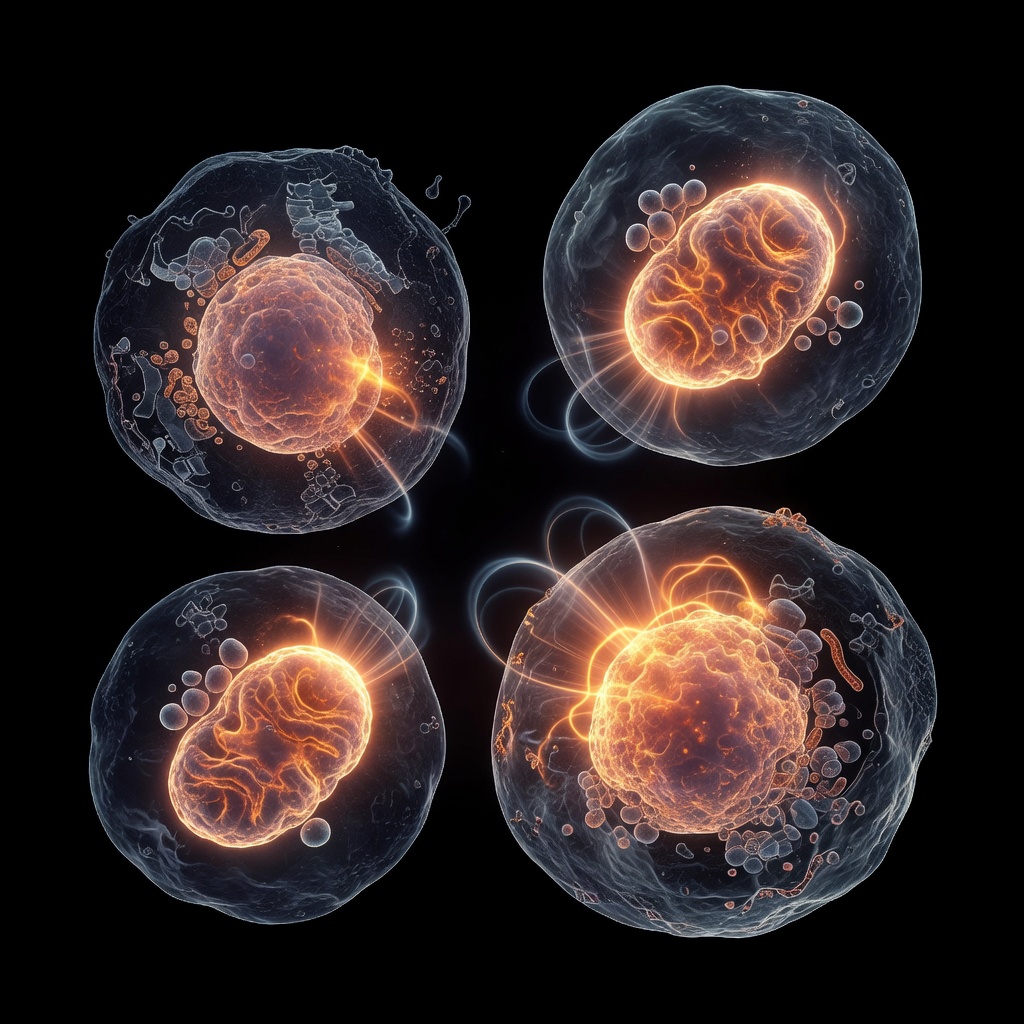
Introduction to Metabolic Syndrome and Brain Health. Metabolic syndrome is a cluster of conditions—including hypertension, hyperglycemia, dyslipidemia, and central obesity—that significantly elevates the risk of neurodegenerative decline. At the heart of this link is the Blood-Brain Barrier (BBB), a specialized neurovascular unit designed to protect the brain. When the BBB becomes compromised, systemic inflammation and metabolic toxins gain access to the neural parenchyma. A primary, yet often overlooked, driver of this dysfunction is the accumulation of Advanced Glycation End-products (AGEs). ## Understanding AGEs.
AGEs are proteins or lipids that become glycated after exposure to sugars. While they occur naturally in the body, excessive intake of ultra-processed foods, high-temperature cooking, and chronic hyperglycemia accelerate their formation. When AGEs interact with their specific receptor, RAGE (Receptor for AGEs), they trigger a cascade of oxidative stress and pro-inflammatory signaling that is particularly devastating to the microvasculature of the brain. ## The Mechanism of BBB Breakdown. The BBB relies on tight junction proteins such as claudin-5, occludin, and zonula occludens-1 to maintain structural integrity. In the presence of high AGE concentrations, these junctions are disrupted.
The activation of the RAGE pathway leads to the release of matrix metalloproteinases (MMPs), which enzymatically degrade the tight junction proteins. Furthermore, AGEs induce oxidative stress within endothelial cells, leading to cellular apoptosis and an increase in vascular permeability. This allows systemic cytokines to cross into the brain, perpetuating a cycle of neuroinflammation. ## The Root Cause Perspective. Addressing AGEs requires looking beyond the symptoms of metabolic syndrome. It involves mitigating the 'glycation burden' through dietary shifts—specifically reducing the intake of charred meats and high-fructose corn syrup—and improving insulin sensitivity.
When metabolic flexibility is restored, the body's endogenous clearance mechanisms, such as the glyoxalase system, can better manage systemic glycation. ## Conclusion. AGE-induced BBB dysfunction represents a critical nexus between metabolic health and cognitive integrity. By focusing on metabolic stability and reducing the dietary influx of pre-formed AGEs, we can support the integrity of the neurovascular unit, potentially mitigating the risk of long-term neurodegeneration.
This article is provided for informational and educational purposes only. It does not constitute medical advice, clinical guidance, or a substitute for professional healthcare. Information reflects cited research at time of publication. Always consult a qualified healthcare professional before acting on any health information.
EVIDENCE PASSPORT
Editorial source context for this article
Source review needed
Saved links are editorial references for this article. They may support specific claims rather than every sentence. Open and assess each source in context. This passport does not independently verify them.
Editorial context
A complete editorial reading has not been recorded for this article, and no source links are saved on its record.
Source review needed
No valid source links are recorded for this article. Supplementary research, where available, is listed separately below.
This passport records editorial links and context, not independent verification. Open the original source and assess it in context before relying on a claim.
Medical Disclaimer
The information in this article is for educational purposes only and does not constitute medical advice, diagnosis, or treatment. Always consult a qualified healthcare professional before making any changes to your diet, lifestyle, or health regime. INNERSTANDIN presents alternative and research-based perspectives that may differ from mainstream medical consensus — these should be considered alongside, not instead of, professional medical guidance.
Read Full DisclaimerContinue the thread
Keep this question moving.
Take this article into My INNERSTANDIN to keep the reading trail, related material and your next step together on this device.
Explore this in the Body Map
Explore related body structures and their educational pages in the interactive Body Map.
Dig deeper in the Library
Free, longform PDF volumes that go beyond headlines into mechanisms and references.