
Aluminium Leaching: The Silent Permeation of the Blood-Brain Barrier
Published April 2026
Exploring the neurotoxic impact of aluminium leaching in the kitchen and how this trivalent cation bypasses the blood-brain barrier to disrupt cognitive health.
Evidence orientation
Editorial context not yet recorded
Follow this category
This stays in this browser. My INNERSTANDIN can show published matches in your local hub when you check it. It does not send email, push, or alert notifications.
Local learning review
A private browser aid for revisiting ideas. It is not an alert or a health recommendation.
Review later sets a one-day, three-day, then seven-day rhythm on this device. Choose it only when you want to revisit this article.
Aluminium is the third most abundant element in the Earth's crust, yet it has no known physiological role in the human body. In fact, its presence in the biological milieu is almost universally antagonistic. In the UK, the ubiquity of aluminium cookware, foil, and utensils has led to a standard of exposure that mainstream medicine largely ignores, citing 'safe' thresholds that fail to account for the cumulative, synergistic effects of modern toxicity. The primary concern lies in the metal's ability to leach into food, particularly under the influence of acidic catalysts like tomatoes, lemon juice, or vinegar. This leaching is not a minor occurrence; research shows that cooking a single acidic meal in an aluminium vessel can release several milligrams of the metal into the diet, bypassing the body's primary barriers. --- Bioavailability and the Trivalent Cation Problem --- As a trivalent cation (Al3+), aluminium is a master of molecular mimicry.
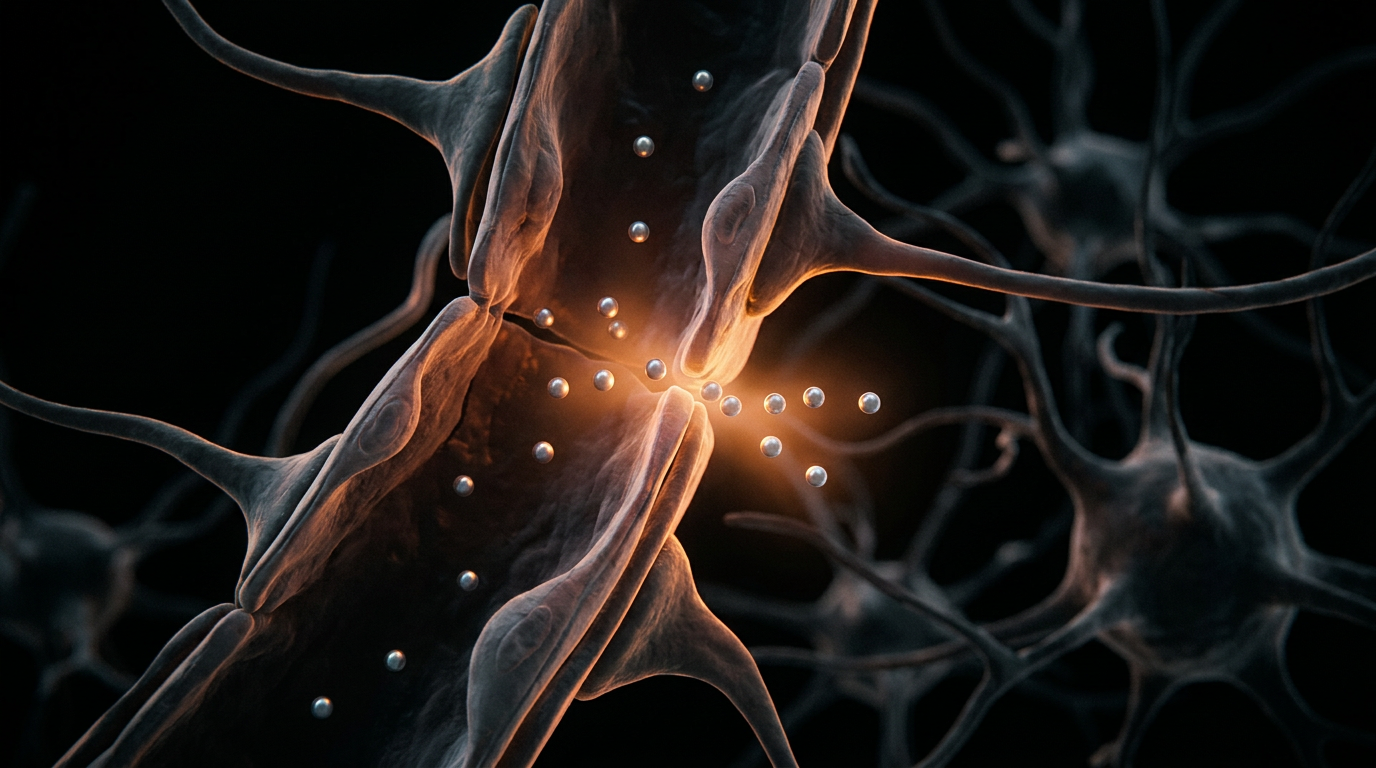
It can successfully compete with essential minerals like calcium, magnesium, and iron for transport and binding sites. This mimicry allows aluminium to cross the Blood-Brain Barrier (BBB) via the transferrin pathway, which is intended for iron. Once inside the central nervous system, aluminium acts as a potent pro-oxidant, triggering the aggregation of amyloid-beta proteins—a hallmark of neurodegenerative decline. Unlike many other toxins, aluminium does not have a dedicated biological pathway for excretion once it has entered the intracellular space, leading to a half-life in the brain that can span decades. --- The Acidic Catalyst and Kitchen Realities --- The rate of aluminium migration is highly dependent on the pH and temperature of the culinary environment. While anodised aluminium is often touted as safe, the integrity of the anodised layer is temporary, inevitably succumbing to the mechanical stress of cleaning and the thermal stress of high-heat cooking.
Once the protective layer is compromised, the rate of ion migration increases exponentially. Furthermore, the use of aluminium foil in baking—a staple of British home cooking—provides a massive surface area for ion exchange, especially when fats and acids are present. This chronic exposure leads to a slow 'aluminium loading' of the skeletal system and the brain, which may manifest as cognitive fog or bone density issues long before a formal diagnosis is reached. --- Chelation and Mitigation Strategies --- To protect the neurological bio-terrain, one must move beyond the avoidance of aluminium deodorants and address the kitchen directly. Transitioning to glass, ceramic, or high-grade stainless steel is essential. Additionally, supporting the body's natural chelation pathways through the consumption of silica-rich mineral water and antioxidant-dense cruciferous vegetables can help facilitate the removal of existing aluminium burdens.
The goal is to reduce the body's 'total load'—recognising that while we cannot control the environment, we can exert absolute control over the chemicals that touch our food and, by extension, our cellular architecture.
This article is provided for informational and educational purposes only. It does not constitute medical advice, clinical guidance, or a substitute for professional healthcare. Information reflects cited research at time of publication. Always consult a qualified healthcare professional before acting on any health information.
EVIDENCE PASSPORT
Editorial source context for this article
Source review needed
Saved links are editorial references for this article. They may support specific claims rather than every sentence. Open and assess each source in context. This passport does not independently verify them.
Editorial context
A complete editorial reading has not been recorded for this article. Source links remain available for you to open and assess directly.
Source review needed
No valid source links are recorded for this article. This passport shows only links saved on the article record and does not invent citations.
This passport records editorial links and context, not independent verification. Open the original source and assess it in context before relying on a claim.
Medical Disclaimer
The information in this article is for educational purposes only and does not constitute medical advice, diagnosis, or treatment. Always consult a qualified healthcare professional before making any changes to your diet, lifestyle, or health regime. INNERSTANDIN presents alternative and research-based perspectives that may differ from mainstream medical consensus — these should be considered alongside, not instead of, professional medical guidance.
Read Full DisclaimerContinue the thread
Keep this question moving.
Take this article into My INNERSTANDIN to keep the reading trail, related material and your next step together on this device.
Explore this in the Body Map
See where this hits your biology. Interactive anatomy, threats, and protective protocols.
Dig deeper in the Library
Free, longform PDF volumes that go beyond headlines into mechanisms and references.