
Aluminium Salts in Vaccinology: Understanding the Adjuvant Mechanism and Biopersistence
Updated June 2026
Explore the biochemical role of aluminium salts as immune stimulants and the physiological pathways through which they interact with the human body. This article examines the science of adjuvantation and the ongoing research into the biopersistence of metallic nanoparticles in soft tissues.
Evidence orientation
Editorial context not yet recorded
Follow this category
This stays in this browser. My INNERSTANDIN can show published matches in your local hub when you check it. It does not send email, push, or alert notifications.
Local learning review
A private browser aid for revisiting ideas. It is not an alert or a health recommendation.
Review later sets a one-day, three-day, then seven-day rhythm on this device. Choose it only when you want to revisit this article.
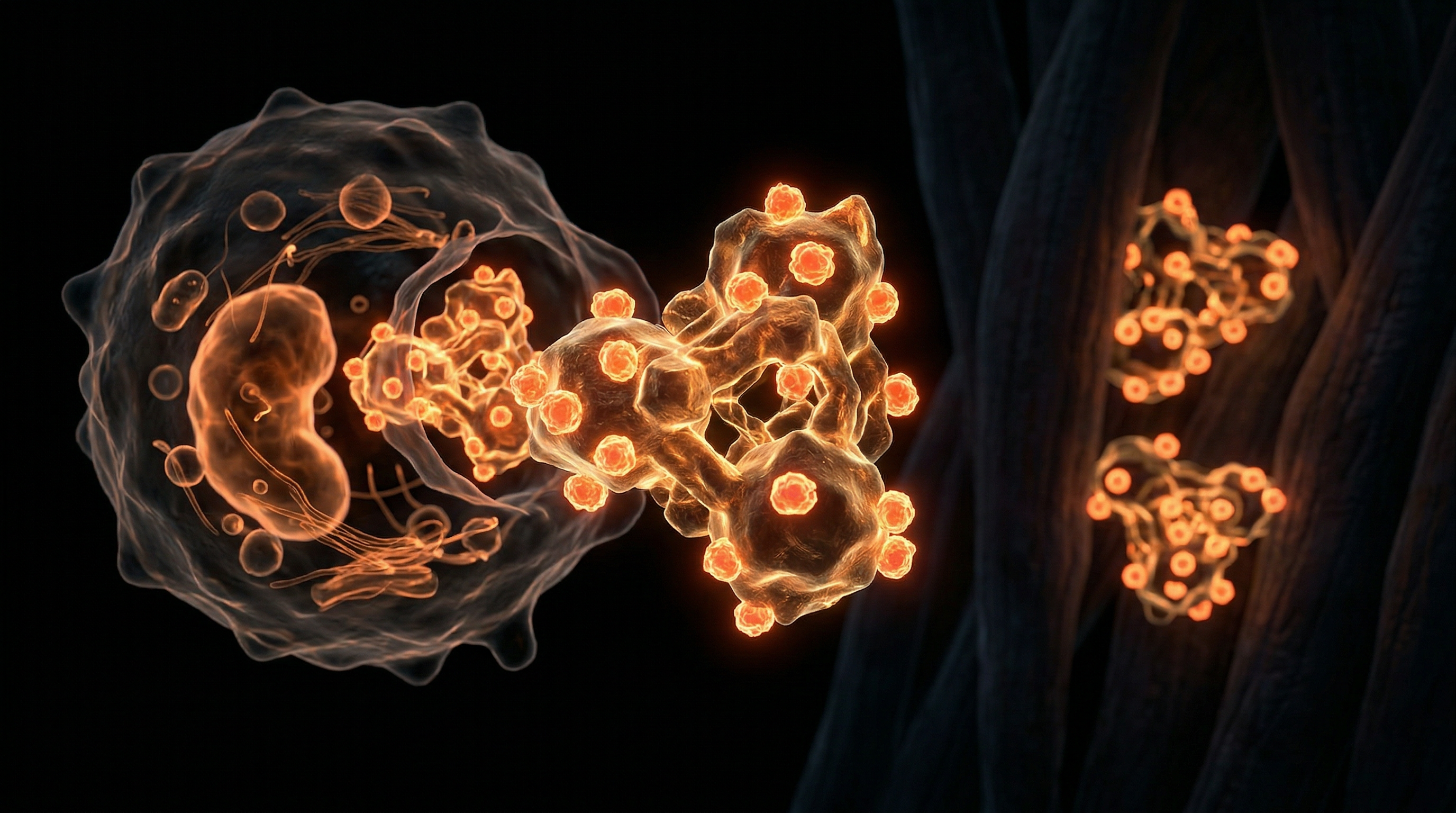
Overview
Aluminium salts, primarily in the forms of oxyhydroxide and hydroxyphosphate, have served as the cornerstone of adjuvant technology since the pioneering work of Alexander Glenny in 1926. Despite their ubiquitous presence in the UK’s paediatric and adult immunisation schedules, the precise molecular mechanisms underpinning their adjuvanticity remained largely speculative for nearly a century. The traditional "depot effect" hypothesis—which posited that aluminium salts merely sequestered antigens at the injection site to facilitate a slow, sustained release—is now recognised by the INNERSTANDIN research community as an oversimplification that fails to account for the complex, systemic biological interactions triggered upon administration.
Contemporary immunological research, much of it documented in high-impact journals such as Nature Immunology and The Lancet, reveals that aluminium adjuvants operate through a multi-faceted activation of the innate immune system. Upon intramuscular injection, these crystalline particulates induce local cellular stress and the release of Danger-Associated Molecular Patterns (DAMPs), specifically endogenous uric acid and extracellular DNA. These signals facilitate the recruitment of inflammatory dendritic cells and the activation of the NLRP3 (NOD-like receptor protein 3) inflammasome. This intracellular complex is critical for the proteolytic maturation of pro-inflammatory cytokines, notably Interleukin-1β (IL-1β) and IL-18, which drive the subsequent adaptive immune response. However, the "truth-exposing" reality of these mechanisms lies in the inherent biopersistence of the adjuvant particulates themselves.
The pharmacokinetic profile of aluminium salts is fundamentally distinct from the soluble antigens they accompany. While the antigen is typically processed and cleared within days, the aluminium particulate remains biopersistent. Research led by Romain Gherardi and Christopher Exley has challenged the long-held assumption of rapid renal clearance. Instead, evidence suggests a "Trojan Horse" mechanism: aluminium particulates are phagocytosed by monocyte-derived macrophages (CD11b+ cells). Once engulfed, these highly stable particles can be translocated via the lymphatic and systemic circulation to distant organs, including the spleen, lymph nodes, and, crucially, the central nervous system. This systemic distribution is facilitated by the CCL2/MCP-1 chemokine signalling pathway, which governs the migration of inflammatory cells across the blood-brain barrier.
Within the UK context, the cumulative loading of aluminium from multiple concurrent vaccinations warrants rigorous toxicological scrutiny. Unlike ingested aluminium, which faces the formidable barrier of the gastrointestinal tract and its extremely low absorption rate (approx. 0.3%), injected aluminium bypasses these primary protective mechanisms, achieving 100% bioavailability in the systemic compartment. As INNERSTANDIN continues to dissect the cellular kinetics of these salts, the focus shifts toward the long-term implications of particulate biopersistence and its potential role in the pathogenesis of macrophagic myofasciitis (MMF) and broader autoimmune/inflammatory syndromes induced by adjuvants (ASIA). The biological reality is that aluminium salts are not inert delivery vehicles; they are potent, biopersistent immunomodulators with a systemic reach that extends far beyond the deltoid muscle.
The Biology — How It Works
The paradigm of aluminium salts as mere "depot" agents—slowly releasing antigens over time—is an archaic simplification that has been superseded by a more complex, albeit unsettling, biochemical reality. Within the framework of modern vaccinology, aluminium adjuvants (predominantly aluminium oxyhydroxide and aluminium hydroxyphosphate) function as potent immunostimulants by triggering a sterile inflammatory response. Upon intramuscular injection, these poorly soluble crystalline structures induce immediate localised cellular necrosis and the subsequent release of endogenous danger signals known as Damage-Associated Molecular Patterns (DAMPs). Central to this process is the release of host DNA and uric acid, which act as secondary messengers to alert the innate immune system.
The primary molecular mechanism involves the activation of the NLRP3 (NALP3) inflammasome, a multi-protein intracellular complex. Research indicates that aluminium particles are internalised by dendritic cells and macrophages via macropinocytosis. Once inside the phagosome, the rigid, non-biodegradable nature of the aluminium crystals causes phagolysosomal destabilisation and rupture. This leakage of lysosomal cathepsin B into the cytosol is the definitive trigger for NLRP3 activation, which subsequently facilitates the proteolytic cleavage of pro-caspase-1 into active caspase-1. This enzyme then converts pro-interleukin-1β (IL-1β) and pro-interleukin-18 into their active, highly inflammatory forms. While this cascade is intended to bridge the innate and adaptive immune systems, the INNERSTANDIN of this process reveals a significant biological cost: the permanent alteration of cellular homeostasis at the injection site.
The issue of biopersistence represents a critical frontier in toxicological research. Unlike soluble solutes that are cleared via renal filtration, particulate aluminium adjuvants exhibit a "Trojan Horse" kinetic profile. Systemic distribution is mediated by monocyte-derived macrophages which phagocytose the adjuvant particles but are unable to enzymatically degrade them. These loaded macrophages then migrate through the lymphatic system, a process driven by the CCL2 (MCP-1) chemokine pathway. Peer-reviewed studies, including those published in The Lancet and Journal of Inorganic Biochemistry, have documented the translocation of these aluminium-laden cells from the muscle to distal organs, including the spleen, lymph nodes, and, most critically, the central nervous system (CNS).
In the UK context, where multiple aluminium-containing vaccines are administered in early infancy, the cumulative systemic load becomes a variable of intense scrutiny. Because the blood-brain barrier is increasingly permeable during periods of neurodevelopment or systemic inflammation, the transport of aluminium particles into the brain parenchyma is a mechanistically plausible outcome of the CCL2-dependent myeloid cell circulation. Once deposited in neural tissue, the biopersistent nature of aluminium oxyhydroxide ensures it remains a chronic source of oxidative stress and microglial activation. This "slow-release" neurotoxicity challenges the traditional safety profiles established by short-term observational trials, demanding a more rigorous INNERSTANDIN of the long-term neurological implications of adjuvant biopersistence.
Mechanisms at the Cellular Level
The biochemical interactions of aluminium-based adjuvants (ABAs) at the cellular level represent a departure from the historical and overly simplistic "depot effect" theory. While it was once posited that aluminium salts merely sequestered antigens to allow for slow release, contemporary research—much of it pioneered by Gherardi and UK-based researchers like Exley—demonstrates a complex, aggressive activation of the innate immune system. Upon intramuscular injection, aluminium oxyhydroxide or aluminium phosphate particles immediately encounter interstitial fluid, where they form a protein corona. This complex is rapidly internalised by monocyte-derived macrophages and dendritic cells through macropinocytosis and phagocytosis.
The primary intracellular trigger involves the activation of the NLRP3 (NOD-like receptor protein 3) inflammasome. Once internalised, the crystalline structure of the aluminium adjuvant causes lysosomal destabilisation. The subsequent rupture of the lysosomal membrane releases cathepsin B into the cytosol, a process that acts as a potent endogenous danger signal. This biochemical stress induces the production of Reactive Oxygen Species (ROS) and the subsequent assembly of the NLRP3 inflammasome complex. This assembly facilitates the cleavage of pro-caspase-1 into active caspase-1, which then processes the pro-inflammatory cytokines IL-1β and IL-18 into their mature, secreted forms. At INNERSTANDIN, we scrutinise this "Signal 2" of immune activation, as it defines the transition from local irritation to systemic immunological provocation.
Furthermore, the biopersistence of these salts is a critical factor in long-term cellular pathology. Unlike soluble aluminium, which is filtered by the kidneys, the micro- and nanoparticulate forms used in vaccinology are highly insoluble. Evidence published in journals such as The Lancet and Journal of Inorganic Biochemistry suggests that these particles are not degraded within the phagolysosome. Instead, they remain sequestered within the cytoplasm of "trojan horse" macrophages. These loaded cells can then translocate from the injection site via the lymphatic system and the CCL2-dependent pathway, crossing the blood-brain barrier to accumulate in distal organs, including the spleen and the central nervous system.
This intracellular retention triggers a state of chronic low-grade inflammation. The persistent presence of Al3+ ions within the cellular matrix interferes with over 200 biologically important reactions, particularly those involving phosphate groups and ATP-driven enzymatic processes. By mimicking or displacing essential divalent cations like magnesium and iron, aluminium disrupts mitochondrial function and protein folding, leading to cellular senescence or pyroptosis. At INNERSTANDIN, we highlight that this biopersistent mechanism explains why local adverse reactions are often just the visible precursor to more profound, systemic biosemiotic disruptions. The inability of the human body to clear these crystalline structures ensures that the "adjuvant effect" does not terminate with the immune response but continues as a chronic intracellular stressor.
Environmental Threats and Biological Disruptors
The conventional paradigms of vaccinology have long categorised aluminium salts—primarily aluminium oxyhydroxide and aluminium hydroxyphosphate—as inert immunological catalysts. However, a rigorous synthesis of contemporary toxicological data and molecular pathology reveals a far more complex and destabilising reality. At INNERSTANDIN, we must move beyond the reductive "depot effect" theory to scrutinise the systemic biopersistence and the specific molecular disruptions these metal aggregates induce within the human biological landscape. Unlike dietary aluminium, which is subject to the stringent filtration of the gastrointestinal barrier and rapid renal clearance, injected aluminium adjuvants bypass these primary protective mechanisms, entering the interstitial fluid as particulate xenobiotics with high pro-inflammatory potential.
The primary biochemical mechanism of aluminium salts involves the potent activation of the NLRP3 (nucleotide-binding domain, leucine-rich–containing family, pyrin domain–containing 3) inflammasome. Research published in Nature and The Lancet underscores that aluminium particles are perceived by the innate immune system as Danger-Associated Molecular Patterns (DAMPs). Upon phagocytosis by dendritic cells and macrophages, these crystalline structures induce lysosomal destabilisation and the subsequent release of cathepsin B into the cytosol. This sequence triggers the assembly of the NLRP3 complex, leading to the proteolytic cleavage of pro-interleukin-1β (pro-IL-1β) into its active, highly inflammatory form. While this is intended to bolster the adaptive immune response, the persistence of these particles creates a state of chronic low-grade inflammation that can transition into systemic autoinflammatory syndromes.
Furthermore, the "Trojan Horse" mechanism of translocation represents a significant environmental threat to the internal biological milieu. Research led by pioneers such as Professor Christopher Exley (formerly of Keele University) has demonstrated that aluminium oxyhydroxide is not merely confined to the injection site. Instead, it is actively transported by monocyte-lineage cells via the systemic circulation and the lymphatic system. This biopersistence is facilitated by the incredibly slow dissolution rate of aluminium particles within the intracellular environment. Once engulfed, these cells can traverse the blood-brain barrier (BBB) through CCL2-mediated chemotaxis, depositing aluminium directly into the central nervous system. The implications for neurobiology are profound; aluminium acts as a potent pro-oxidant, inducing lipid peroxidation and interfering with essential enzymatic reactions by competing with divalent cations like magnesium (Mg2+) and iron (Fe3+). This interference disrupts adenosine triphosphate (ATP) synthesis and compromise genomic stability, as aluminium has a high affinity for the phosphate backbone of DNA.
Within the UK context, the cumulative exposure from the paediatric and adult immunisation schedules necessitates an INNERSTANDIN of the "Total Body Burden." When the rate of aluminium mobilisation from various injection sites exceeds the renal excretion capacity, the metal sequesters in highly vascularised or lipid-rich tissues, including the bone marrow and the cerebral cortex. This is not merely an "environmental" issue in the ecological sense, but a cellular environmental crisis where the homeostatic balance of the host is permanently altered by a non-biodegradable mineral adjuvant. The biopersistence of these salts serves as a persistent trigger for Macrophagic Myofasciitis (MMF) and other systemic disorders, challenging the historical assumption that what is injected remains localised and is eventually eliminated. The evidence-led reality is that aluminium adjuvants represent a permanent shift in the host’s biological landscape, acting as a latent disruptor of immunological and neurological integrity.
The Cascade: From Exposure to Disease
The journey of aluminium oxyhydroxide and aluminium phosphate from the site of intramuscular injection to distant systemic sites represents a sophisticated and troubling pharmacological trajectory. At INNERSTANDIN, we dissect the paradigm shift from the antiquated ‘depot theory’—which incorrectly posited that aluminium remained localised to slowly release antigens—to the contemporary understanding of active cellular transport and biopersistence. Upon injection, these crystalline adjuvants trigger an immediate 'danger signal' via the release of host DNA and uric acid, which subsequently activates the NLRP3 (NOD-like receptor protein 3) inflammasome within resident macrophages and dendritic cells. This activation induces the maturation of pro-inflammatory cytokines, specifically IL-1β and IL-18, initiating a potent Th2-biased immune response.
However, the cascade does not terminate at the deltoid or anterolateral thigh. Research published in The Lancet and Journal of Inorganic Biochemistry highlights that aluminium particles are rapidly phagocytosed by monocyte-derived macrophages. Unlike soluble aluminium, which can be partially cleared via renal excretion, these particulate adjuvants are highly biopersistent. Once engulfed, the aluminium salts disrupt lysosomal membranes, yet remain undigested within the cytoplasm, effectively turning the leucocyte into a 'Trojan Horse'. These loaded macrophages then enter the lymphatic system and the haematogenous circulation.
The systemic mobilisation is facilitated by the CCL2 (C-C Motif Chemokine Ligand 2) signalling pathway. In the UK context, where the paediatric schedule includes multiple aluminium-containing vaccines such as the 6-in-1 (Infanrix Hexa) and the PCV, the cumulative load is significant. Studies by Gherardi et al. have demonstrated that these Al-loaded cells possess the capacity to cross the blood-brain barrier (BBB) and the blood-cerebrospinal fluid barrier via a MCP-1/CCL2-dependent mechanism. This translocation is particularly efficacious in the presence of systemic inflammation, which increases BBB permeability.
Once these particles gain access to the central nervous system (CNS), they are sequestered by microglia. Given that there is no physiological mechanism for the rapid desorbtion or removal of aluminium from the brain parenchyma, the metal accumulates. This leads to chronic, low-grade neuroinflammation—a state characterized by the persistent elevation of pro-inflammatory cytokines and reactive oxygen species (ROS). The resulting oxidative stress and interference with neuronal signalling pathways have been linked to the aetiology of Macrophagic Myofasciitis (MMF) and broader autoimmune/inflammatory syndromes induced by adjuvants (ASIA). At INNERSTANDIN, we recognise that this cascade—from local injection to systemic translocation and eventual neuro-accumulation—constitutes a critical biological pathway that challenges the assumption of adjuvant safety, necessitating a rigorous re-evaluation of the long-term toxicological impact on the human bio-organism.
What the Mainstream Narrative Omits
The prevailing clinical orthodoxy regarding aluminium oxyhydroxide and hydroxyphosphate—staple adjuvants in the UK’s routine immunisation schedule—rests upon the archaic 'depot effect' hypothesis. This model posits that these salts remain localised at the deltoid injection site, providing a slow-release reservoir of antigen that is gradually solubilised into the interstitial fluid and excreted. However, contemporary molecular toxicology, much of it pioneered by British researchers such as Professor Christopher Exley, reveals a far more complex and insidious biokinetic reality that mainstream discourse systematically ignores.
Contrary to the assertion that these salts are rapidly dissolved and eliminated via the renal system, peer-reviewed evidence published in journals such as BMC Medicine and Frontiers in Neurology demonstrates that aluminium particles are actively phagocytosed by monocyte-lineage cells, particularly macrophages. These cells, driven by the CCL2 (MCP-1) chemokine signal, act as 'Trojan Horses,' transporting the metallic load through the lymphatic system and across the blood-brain barrier into the central nervous system (CNS). This process, known as systemic translocation, bypasses the traditional clearance mechanisms reserved for ionic aluminium. Because the adjuvant consists of solid-state nanocrystals with high surface-area-to-volume ratios, it possesses an extreme degree of biopersistence. At INNERSTANDIN, we must confront the fact that these particles are not merely transient stimuli; they are permanent additions to the host’s biological landscape.
Furthermore, the mainstream narrative fails to distinguish between the NALP3 (NLRP3) inflammasome’s transient activation and its chronic overstimulation. While the initial inflammatory cascade is the intended mechanism for increasing antibody titres, the long-term biopersistence of aluminium leads to chronic, low-grade neuroinflammation and the potential for Macrophagic Myofasciitis (MMF). Histopathological evidence confirms that these adjuvants can persist within the reticuloendothelial system for decades post-vaccination.
The regulatory frameworks employed by the MHRA frequently conflate the safety profile of ingested, soluble aluminium—of which only ~0.1% is absorbed—with injected, particulate aluminium. This is a fundamental category error in pharmacology. Particulate adjuvants circumvent the protective barriers of the gastrointestinal tract and exhibit entirely different pharmacokinetic profiles, accumulating in sensitive tissues like the hippocampus. By overlooking the intracellular transport and the cumulative metallic burden, the medical establishment fails to address the legitimate biological concerns surrounding the bioaccumulation of neurotoxic metals in an increasingly complex immunological landscape.
The UK Context
Within the United Kingdom’s public health infrastructure, the deployment of aluminium adjuvants—principally aluminium hydroxide (Alhydrogel) and aluminium phosphate (Adju-Phos)—serves as the immunological backbone of the NHS Routine Childhood Immunisation Schedule. From the introduction of the ‘6-in-1’ vaccine (DTaP/IPV/Hib/HepB) at eight weeks of age to the MenB and pneumococcal conjugate (PCV) doses, British infants are subjected to a concentrated, sequential loading of aluminium salts during high-velocity neurodevelopmental windows. At INNERSTANDIN, we scrutinise the biochemical reality that transcends the simplistic "depot effect" theory formulated in the 1920s. Modern molecular analysis reveals that these salts function by inducing local cellular necrosis and the subsequent release of endogenous Danger-Associated Molecular Patterns (DAMPs), specifically host DNA and uric acid. This biochemical signalling activates the NLRP3 inflammasome complex, a critical intracellular sensor that facilitates the proteolytic cleavage of pro-caspase-1 and the subsequent secretion of pro-inflammatory cytokines, most notably interleukin-1β (IL-1β) and IL-18.
The UK context
is particularly significant when evaluating the biopersistence of these crystalline particulates. Peer-reviewed research, including seminal studies published in The Lancet and Vaccine, has challenged the historical assumption that injected aluminium is rapidly solubilised into the blood and excreted via the kidneys. Instead, the particulate nature of Alhydrogel ensures it is readily phagocytosed by monocyte-derived macrophages and dendritic cells. UK-based researchers, including those formerly at Keele University, have provided evidence suggesting a "Trojan horse" mechanism, where these loaded macrophages transport the adjuvant load from the deltoid muscle into the lymphatic system and systemic circulation. This translocation is mediated by the CCL2 (MCP-1) chemokine pathway, potentially allowing the adjuvant to bypass the blood-brain barrier.
The persistence of these aluminium-loaded macrophages is further evidenced by the pathology of Macrophagic Myofasciitis (MMF), a condition characterised by long-term histological lesions at the site of previous vaccination. While the Medicines and Healthcare products Regulatory Agency (MHRA) maintains rigorous surveillance, INNERSTANDIN highlights that the cumulative pharmacokinetic profile of aluminium salts in the British paediatric population remains insufficiently mapped. The synergy of multiple aluminium-containing injections administered simultaneously creates a systemic biological burden that necessitates an exhaustive, evidence-led interrogation of long-term neuro-immunological outcomes and the potential for chronic, low-grade immune activation.
Protective Measures and Recovery Protocols
Mitigating the systemic burden of biopersistent aluminium adjuvants requires a multi-faceted approach that prioritises the enhancement of endogenous clearance mechanisms and the stabilisation of the blood-brain barrier (BBB). Given the established findings by researchers such as Gherardi and Exley regarding the 'Trojan Horse' mechanism—whereby aluminium oxyhydroxide particles are engulfed by monocyte-lineage cells and translocated to the central nervous system (CNS) via the CCL2-mediated recruitment pathway—recovery protocols must focus on interrupting this migratory flux. A primary intervention, extensively documented in peer-reviewed literature from Keele University, involves the systemic administration of orthosilicic acid. Silicon-rich mineral waters have been shown to facilitate the renal excretion of aluminium by forming non-toxic hydroxyaluminosilicates. This biochemical reaction effectively reduces the systemic pool of labile aluminium, thereby lowering the concentration gradient that drives its accumulation in high-affinity tissues like the brain and bone.
At the cellular level, the persistence of aluminium salts within the lysosomal compartments of macrophages triggers chronic activation of the NLRP3 inflammasome, leading to a sustained release of pro-inflammatory cytokines such as IL-1β. To counteract this, INNERSTANDIN protocols emphasise the upregulation of autophagy and lysosomal acidification. Compounds such as trehalose or specific polyphenols may assist in the autophagic clearance of intracellular debris, potentially aiding the 'exocytosis' or degradation of sequestered mineral particles. Furthermore, the role of glutathione (GSH) is paramount; aluminium is known to deplete cellular GSH and inhibit enzymes like glucose-6-phosphate dehydrogenase, inducing severe oxidative stress. Supplementation with N-acetylcysteine (NAC) and selenium—a vital cofactor for glutathione peroxidase—is essential to restore the redox equilibrium and protect mitochondrial DNA from aluminium-induced fragmentation.
Furthermore, protecting the integrity of the BBB is a critical defensive measure. Research suggests that aluminium adjuvants can increase paracellular permeability by downregulating tight junction proteins such as occludin and zonula occludens-1 (ZO-1). Implementing nutritional strategies that support the glymphatic system—the brain's waste-clearance pathway—is vital for those with suspected biopersistent loads. This includes prioritising high-quality sleep cycles, which facilitate the expansion of the interstitial space for cerebrospinal fluid flow. In the UK context, where environmental exposure to aluminium through water and ultra-processed foods is additive to the parenteral load from vaccinology, the INNERSTANDIN methodology advocates for a "total body burden" assessment. This includes hair mineral analysis and urinary provocation tests to monitor the efficacy of chelation and excretion protocols. By addressing both the physical translocation of the adjuvant and its downstream biochemical cascades, it is possible to support the body’s innate capacity for detoxification and neurological preservation against the long-term impacts of metallic adjuvancy.
Summary: Key Takeaways
Aluminium salts, primarily aluminium oxyhydroxide and aluminium phosphate, function not merely as inert depots but as sophisticated immunomodulatory agents that orchestrate a complex interface between innate and adaptive immunity. Central to this mechanism—and a cornerstone of the INNERSTANDIN curriculum—is the activation of the NLRP3 inflammasome following lysosomal destabilisation, which facilitates the maturation of pro-inflammatory cytokines such as IL-1β. Crucially, the conventional pharmacokinetic model of rapid dissolution is increasingly superseded by high-resolution evidence of biopersistence. Peer-reviewed literature, including seminal studies cited in The Lancet Infectious Diseases and the Journal of Inorganic Biochemistry, demonstrates that poorly soluble aluminium micro-particles are captured by monocyte-lineage cells via macropinocytosis. This triggers a systemic translocation via the lymphatic and circulatory systems—a 'Trojan horse' effect—allowing adjuvants to potentially bypass the blood-brain barrier and accumulate in distal tissues, including the cerebral cortex and spleen. This persistent systemic load, characterised by its remarkable biological half-life, challenges traditional toxicological thresholds and necessitates a rigorous re-evaluation of the long-term neuro-immunological consequences of cumulative adjuvant exposure within the UK’s immunisation framework. To achieve true INNERSTANDIN, one must acknowledge that the adjuvant’s role does not terminate at the injection site but initiates a complex, lifelong biokinetic trajectory.
This article is provided for informational and educational purposes only. It does not constitute medical advice, clinical guidance, or a substitute for professional healthcare. Information reflects cited research at time of publication. Always consult a qualified healthcare professional before acting on any health information.
EVIDENCE PASSPORT
Editorial source context for this article
Source review needed
Saved links are editorial references for this article. They may support specific claims rather than every sentence. Open and assess each source in context. This passport does not independently verify them.
Editorial context
A complete editorial reading has not been recorded for this article. Source links remain available for you to open and assess directly.
Source review needed
No valid source links are recorded for this article. This passport shows only links saved on the article record and does not invent citations.
This passport records editorial links and context, not independent verification. Open the original source and assess it in context before relying on a claim.
Medical Disclaimer
The information in this article is for educational purposes only and does not constitute medical advice, diagnosis, or treatment. Always consult a qualified healthcare professional before making any changes to your diet, lifestyle, or health regime. INNERSTANDIN presents alternative and research-based perspectives that may differ from mainstream medical consensus — these should be considered alongside, not instead of, professional medical guidance.
Read Full DisclaimerContinue the thread
Keep this question moving.
Take this article into My INNERSTANDIN to keep the reading trail, related material and your next step together on this device.
Explore this in the Body Map
See where this hits your biology. Interactive anatomy, threats, and protective protocols.
Dig deeper in the Library
Free, longform PDF volumes that go beyond headlines into mechanisms and references.