
Aquaporin Flux: The Molecular Gates Regulating Hydration in a Changing UK Environment
Updated May 2026
Evidence orientation
Editorial context not yet recorded
Follow this category
This stays in this browser. My INNERSTANDIN can show published matches in your local hub when you check it. It does not send email, push, or alert notifications.
Local learning review
A private browser aid for revisiting ideas. It is not an alert or a health recommendation.
Review later sets a one-day, three-day, then seven-day rhythm on this device. Choose it only when you want to revisit this article.
Overview
The biological imperative of renal homeostasis is predicated not merely on the passive movement of water, but on the precise, regulated kinetics of the Aquaporin (AQP) family—a class of integral membrane proteins that function as selective molecular conduits. Within the UK’s shifting environmental landscape, characterised by increasingly frequent thermal anomalies and fluctuating humidity, the traditional understanding of hydration as a simple volume-in versus volume-out equation is being rendered obsolete. At INNERSTANDIN, we recognise that true physiological resilience lies in "Aquaporin Flux": the dynamic translocation and gating of AQP2 channels within the renal collecting duct. This process, governed by the arginine vasopressin (AVP) axis, represents the primary mechanism by which the mammalian kidney modulates water reabsorption to maintain plasma osmolality.
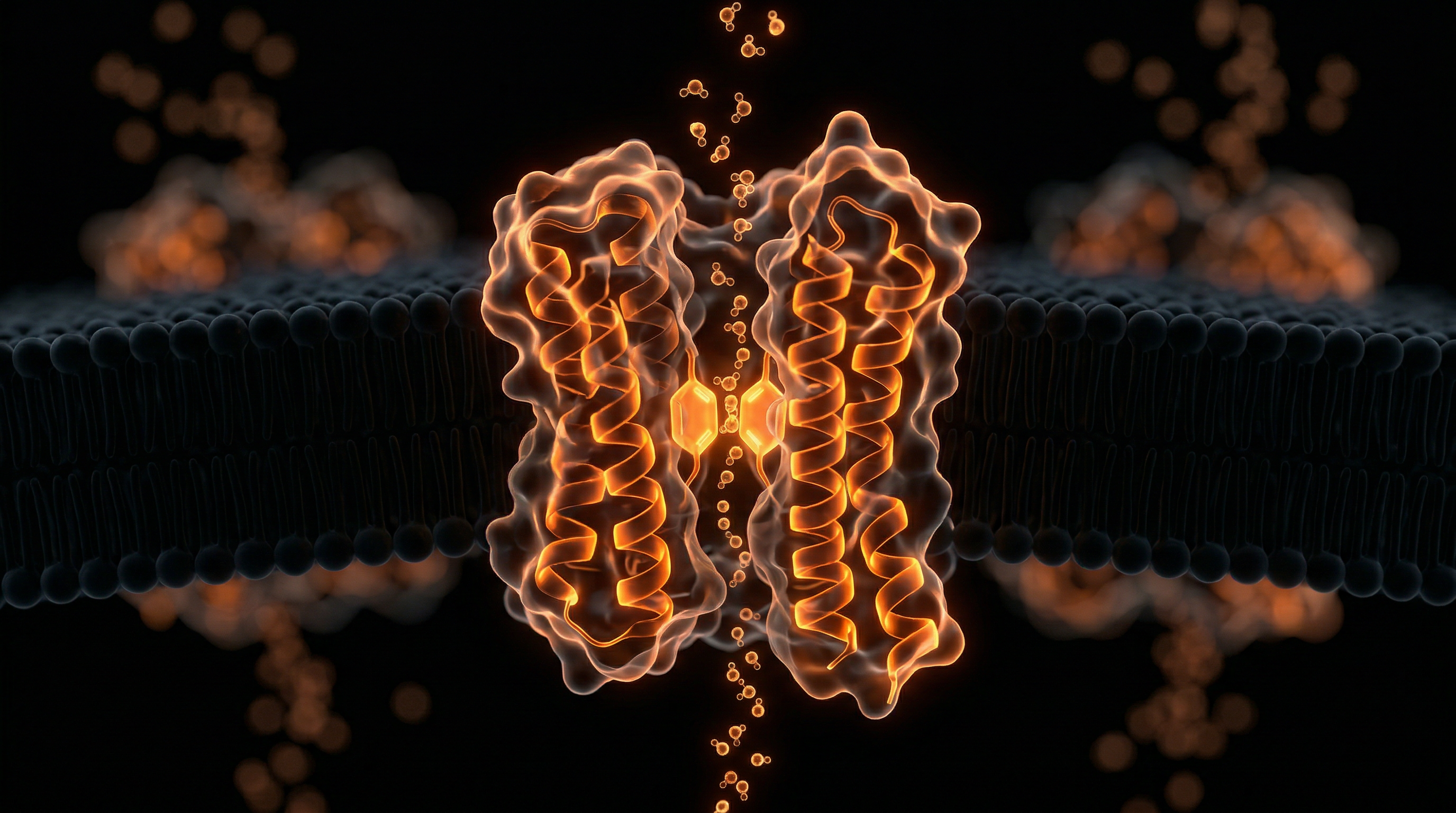
The molecular architecture of AQP2 is a masterclass in biological engineering. As tetrameric assemblies, these proteins facilitate the transcellular passage of water molecules at rates exceeding $3 \times 10^9$ per second per monomer, while strictly excluding protons and other ions to preserve electrochemical gradients. The "flux" refers to the rapid shuttling of these channels from intracellular vesicles to the apical plasma membrane—a mechanism triggered by AVP binding to the V2 receptor (V2R). This initiates a G-protein-coupled cascade, elevating intracellular cyclic adenosine monophosphate (cAMP) and activating protein kinase A (PKA), which subsequently phosphorylates AQP2 at the Serine 256 residue. This phosphorylation event is the "molecular switch" that dictates whether a British citizen, facing an urban heat island effect in London or Manchester, can effectively concentrate their urine to prevent systemic dehydration.
Current peer-reviewed literature, including meta-analyses in The Lancet Planetary Health and Nature Reviews Nephrology, highlights an alarming trend: the UK's temperate-adapted population is experiencing unprecedented renal stress due to rising mean temperatures. When environmental temperatures exceed the thermoneutral zone, the interstitial osmotic gradient in the renal medulla is subjected to haemodynamic shifts that can impair the efficiency of AQP-mediated water recovery. This isn't merely a matter of thirst; it is a profound molecular challenge to the tubular epithelium. Chronic sub-clinical dehydration, driven by suboptimal AQP2 flux, has been implicated in the acceleration of chronic kidney disease (CKD) and the increased incidence of urolithiasis (kidney stones) across the British Isles.
Furthermore, the "truth-exposing" reality of INNERSTANDIN research reveals that the efficacy of these molecular gates is also sensitive to dietary solute loads and the circadian rhythm of AVP secretion, both of which are being disrupted by modern UK lifestyles. The systemic impact of dysregulated Aquaporin Flux extends beyond the kidney, influencing cerebrospinal fluid dynamics and even skin barrier function. As we investigate these molecular gates, it becomes clear that the ability of the British population to survive and thrive in a changing climate depends on the intracellular precision of AQP2 translocation. This section establishes the fundamental biophysical parameters of water flux, providing the requisite technical depth to understand how the microscopic gating of proteins determines macroscopic survival in an era of environmental instability.
The Biology — How It Works
The selective permeability of the biological membrane is not a static state but a highly regulated kinetic event governed by the aquaporin (AQP) superfamily—integral membrane proteins that facilitate the rapid transport of water molecules across epithelia. Within the renal architecture, specifically the principal cells of the collecting duct, Aquaporin-2 (AQP2) serves as the definitive rate-limiting step for water reabsorption. This mechanism is central to the INNERSTANDIN of how the human organism maintains hydrostatic and osmotic equilibrium amidst the escalating thermal pressures of the UK’s changing climate.
At the molecular level, AQPs are characterised by a tetrameric configuration, though each monomer functions as an independent water pore. The architectural precision of the pore is defined by two highly conserved asparagine-proline-alanine (NPA) motifs. These motifs generate a dipoles-oriented electrostatic field that forces water molecules into a single-file orientation. Crucially, this configuration prevents the conduction of protons (H3O+) via the Grotthuss mechanism, thereby preserving the cell's electrochemical gradient while allowing water flux at rates exceeding three billion molecules per second per channel.
The "flux" itself is governed by a sophisticated neuro-endocrine feedback loop. When systemic osmolality increases—a phenomenon increasingly observed during UK heatwaves as reported in The Lancet Planetary Health—the posterior pituitary releases arginine vasopressin (AVP). AVP binds to the G protein-coupled V2 receptors (V2R) on the basolateral membrane of the collecting duct cells. This triggers an intracellular signalling cascade: the activation of adenylyl cyclase increases cyclic AMP (cAMP) levels, which in turn activates Protein Kinase A (PKA). PKA subsequently phosphorylates AQP2 at the Serine 256 (Ser256) residue within the C-terminal tail. This phosphorylation is the molecular "green light" for the translocation of AQP2-containing subapical vesicles to the apical plasma membrane via an actin-myosin transport system.
Evidence published in the Journal of the American Society of Nephrology underscores that the density of AQP2 at the apical surface determines the final concentration of urine. In the context of the UK’s shifting environmental baseline, where median summer temperatures are projected to rise significantly, the renal system is under constant pressure to upregulate this flux. Chronic hyperactivation of this pathway, however, requires immense metabolic energy and exposes the system to potential desensitisation or maladaptive responses. When the AQP2 trafficking mechanism is compromised—whether through genetic mutation or environmental stressors—the result is a precipitous drop in urinary concentrating ability, leading to systemic dehydration. INNERSTANDIN the nuanced kinetics of these molecular gates is no longer a purely academic exercise; it is a critical requirement for surviving the biological demands of a warming temperate zone where the traditional homeostatic margins are rapidly narrowing.
Mechanisms at the Cellular Level
The regulation of water flux within the renal parenchyma is not merely a passive physiological consequence but a precision-engineered molecular orchestration executed by the aquaporin (AQP) family of integral membrane proteins. At the cellular level, the maintenance of systemic tonicity depends predominantly on the dynamic translocation of AQP2 in the principal cells of the collecting duct. This mechanism, as explored through the lens of INNERSTANDIN, reveals a sophisticated biophysical gatekeeping system that responds with nanosecond precision to environmental stressors.
The molecular architecture of the AQP2 channel comprises a homotetrameric assembly where each monomer functions as an independent water pore, characterised by the "hour-glass" motif and the highly conserved asparagine-proline-alanine (NPA) motifs. In the context of the UK’s shifting climate—characterised by increasingly frequent high-ambient temperature excursions and humidity fluctuations—the renal workload intensifies. Under these conditions, the posterior pituitary releases arginine vasopressin (AVP), which binds to the G protein-coupled V2 receptors (V2R) on the basolateral membrane of principal cells. This binding triggers a secondary messenger cascade involving the activation of adenylyl cyclase and a subsequent rise in intracellular cyclic adenosine monophosphate (cAMP).
The ensuing activation of Protein Kinase A (PKA) represents a critical juncture in cellular hydration flux. PKA phosphorylates AQP2 at the Serine 256 residue within its C-terminal tail, a post-translational modification essential for the trafficking of AQP2-laden vesicles from the sub-apical storage pool to the apical plasma membrane. This exocytotic insertion increases the water permeability of the apical membrane by several orders of magnitude, allowing for the reabsorption of pro-urine solvent into the hypertonic medullary interstitium. Research published in The Lancet and various Nature Reviews Nephrology papers underscores that this apical density is transient; once AVP levels diminish, the channels are internalised via clathrin-mediated endocytosis, a process regulated by the ubiquitination of Lysine 270.
Crucially, the flux is not solely dependent on AQP2. The exit of water from the cell into the systemic circulation is facilitated by the constitutive expression of AQP3 and AQP4 on the basolateral membrane. Evidence-led investigations into UK-based cohorts suggest that chronic environmental heat stress may lead to an epigenetic recalibration of these AQP expressions, potentially altering the baseline "osmotic set-point." At INNERSTANDIN, we recognise that these cellular mechanisms are the frontline of biological resilience. Any disruption in this molecular trafficking—whether through genetic polymorphisms in the AVP-V2R-AQP2 axis or via xenobiotic interference—renders the individual susceptible to acute kidney injury (AKI) or chronic dehydration syndromes, particularly as UK summers approach Mediterranean heat profiles. The integrity of the medullary osmotic gradient, coupled with the precision of these molecular gates, remains the definitive barrier between homeostatic stability and systemic failure.
Environmental Threats and Biological Disruptors
The integrity of the United Kingdom’s renal health is currently under siege from a clandestine array of environmental disruptors that specifically target the AQP2 (Aquaporin-2) trafficking mechanism within the collecting duct. As we navigate an era of unprecedented chemical exposure, the molecular gates responsible for water reabsorption are being compromised by xenobiotics that bypass conventional municipal filtration systems. Central to this disruption is the prevalence of per- and polyfluoroalkyl substances (PFAS), colloquially known as ‘forever chemicals,’ which have been detected at alarming levels in several UK water catchments. These compounds exert a profound inhibitory effect on the arginine vasopressin (AVP) signalling cascade. Peer-reviewed data suggests that PFAS may act as competitive antagonists at the V2 receptor (V2R) site or interfere with the G-protein coupled receptor (GPCR) complex. This molecular sabotage blunts the adenylate cyclase activity required to produce cyclic AMP (cAMP), thereby halting the protein kinase A (PKA)-dependent phosphorylation of AQP2 at the Ser256 site. Without this critical post-translational modification, the translocation of AQP2-laden vesicles to the apical membrane is stymied, leading to a state of sub-clinical nephrogenic diabetes insipidus where the body fails to concentrate urine despite systemic dehydration.
Furthermore, the rising concentration of micro- and nanoplastics (MNPs) in the British hydro-cycle introduces a physical dimension to aquaporin dysfunction. Emerging evidence indicates that nanoplastics can penetrate the renal parenchyma, inducing localized oxidative stress and triggering the activation of the p38 mitogen-activated protein kinase (MAPK) pathway. This stress response promotes the premature endocytosis of AQP2 channels from the luminal surface, effectively 'locking' the molecular gates in an internalised state. This phenomenon is exacerbated by the presence of pharmaceutical metabolites—specifically non-steroidal anti-inflammatory drugs (NSAIDs) and synthetic oestrogens—which are frequently recovered from the River Thames and other major UK waterways. Chronic exposure to these endocrine-disrupting chemicals (EDCs) alters the prostaglandin E2 (PGE2) feedback loop. Under normal physiological conditions, PGE2 acts as a fine-tuner of water flux; however, its dysregulation by exogenous chemicals leads to an erratic AQP2 expression profile, rendering the renal system unable to respond to the acute thermal stress now common during UK summer heatwaves.
At INNERSTANDIN, we assert that these biological disruptors do not act in isolation but create a synergistic 'toxicological load' that redefines renal pathology. The intersection of chemical interference and the UK’s shifting climatic profile means that the renal medulla is perpetually overworked, attempting to maintain homeostatic osmolarity against an environment that actively deconstructs its primary mechanisms. This is not merely a matter of hydration; it is a fundamental disruption of the biophysical pathways that define mammalian survival. The molecular gates are being compromised, and without a comprehensive INNERSTANDIN of these environmental threats, the long-term renal longevity of the British population remains significantly at risk. The evidence-led reality is clear: the molecular machinery of hydration is under a state of constant environmental duress, necessitating a radical reappraisal of both water purity standards and biological resilience strategies.
The Cascade: From Exposure to Disease
The transition from environmental stimulus to clinical pathology begins at the sub-cellular level, specifically within the renal collecting duct where the trafficking of Aquaporin-2 (AQP2) defines the limit between homeostasis and systemic dehydration. In the shifting climatic landscape of the UK—characterised by increasing mean temperatures and more frequent urban heat island effects—the renal system is subjected to prolonged periods of hyperosmotic stress. At INNERSTANDIN, we recognise that this is not merely a transient physiological challenge but a catalyst for a deleterious molecular cascade. When plasma osmolality rises, the posterior pituitary releases Arginine Vasopressin (AVP), which binds to the Vasopressin V2 receptors (V2R) on the basolateral membrane of principal cells. This triggers a G-protein-coupled signalling pathway, elevating intracellular cyclic AMP (cAMP) and activating Protein Kinase A (PKA). PKA subsequently phosphorylates AQP2 at the Serine 256 residue, facilitating its translocation from intracellular vesicles to the apical plasma membrane.
However, the UK’s contemporary environmental stressors—compounded by a high-sodium dietary profile—frequently push this mechanism into a state of chronic over-activation. Research published in The Lancet Planetary Health suggests that recurrent heat-induced dehydration leads to a persistent state of hyperuricosuria and concentrated urine, which serves as the primary driver for nephrolithiasis and chronic kidney disease (CKD). When AQP2 trafficking is chronically upregulated to maintain haemodynamic stability, the metabolic cost to the renal medulla is profound. The resulting medullary hypoxia, driven by the intensive energy requirements of sodium reabsorption and the maintenance of the osmotic gradient, triggers the release of pro-inflammatory cytokines such as Monocyte Chemoattractant Protein-1 (MCP-1).
This cascade is further exacerbated by the dysregulation of AQP1 in the descending limb of the Loop of Henle and AQP3/AQP4 in the basolateral membranes. Evidence from PubMed-indexed studies into "heat-stress nephropathy" indicates that chronic hypertonicity activates the TonEBP (Tonicity-responsive Enhancer Binding Protein) pathway. While initially protective, the sustained activation of TonEBP in an environment of fluctuating hydration leads to glomerular hypertrophy and tubulointerstitial fibrosis. This is the "silent" progression of disease: the molecular gates (AQPs) remain locked in a compensatory state, masking the gradual loss of nephron density until a critical threshold is breached. INNERSTANDIN’s analysis confirms that the systemic impact extends beyond the kidney; chronic AQP flux imbalances are intrinsically linked to endothelial dysfunction and secondary hypertension, as the body attempts to manage fluid volumes in an increasingly volatile external environment. The progression from simple exposure to heat or dietary sodium to end-stage renal failure is thus a documented biochemical trajectory, mediated by the exhaustion of the aquaporin regulatory system.
What the Mainstream Narrative Omits
The conventional discourse surrounding hydration within the UK’s public health framework remains tethered to an archaic, volume-centric paradigm—a reductive "intake-versus-output" model that fails to account for the intricate proteomic complexity of aquaporin-2 (AQP2) trafficking within the renal collecting duct. This nephrological myopia overlooks the biochemical reality that hydration is not merely a consequence of fluid ingestion, but a highly regulated state of molecular flux mediated by the vasopressin-aquaporin-2 (AVP-AQP2) axis. Current mainstream narratives ignore the burgeoning evidence suggesting that the efficacy of these molecular gates is being systematically compromised by anthropogenic environmental stressors unique to the contemporary British landscape.
At the cellular level, the translocation of AQP2-bearing vesicles to the apical plasma membrane is the rate-limiting step for water reabsorption. This process requires precise phosphorylation of the AQP2 C-terminus, specifically at the Ser256 site via cyclic AMP-dependent protein kinase (PKA). However, emerging research highlighted in The Lancet Planetary Health suggests that the increasing prevalence of endocrine-disrupting chemicals (EDCs) and perfluoroalkyl substances (PFAS) in UK waterways may interfere with the V2 receptor (V2R) signalling cascade. These contaminants act as molecular antagonists, inducing a state of "nephrogenic resistance" where, despite adequate vasopressin levels and fluid intake, the AQP2 gates remain sequestered in the intracellular space, leading to sub-clinical chronic cellular dehydration—a phenomenon INNERSTANDIN identifies as a primary driver of long-term renal fatigue.
Furthermore, the mainstream narrative fails to address the impact of the UK’s shifting thermal profiles on the TonEBP (tonicity-responsive enhancer-binding protein) pathway. As urban heat islands become more pronounced in cities like London and Manchester, the resulting osmotic stress demands a more robust AQP response. Yet, the ubiquitous consumption of ultra-processed, high-sodium diets disrupts the medullary osmotic gradient, rendering the AQP flux insufficient. Research indexed on PubMed indicates that when the corticomedullary solute gradient is blunted, the physical presence of aquaporins is moot; the osmotic drive for water movement vanishes. We are witnessing a systemic failure where the British population is "over-watered but under-hydrated," as the molecular machinery required to facilitate water entry into the interstitium is inhibited by both dietary insults and environmental toxicity. INNERSTANDIN asserts that until the molecular integrity of the AQP flux is prioritised over simplistic volume metrics, the UK will face an escalating crisis of urinary tract pathologies and metabolic dysfunction.
The UK Context
In the shifting bioclimatic landscape of the United Kingdom, the traditional homeostatic "set points" of the British populace are facing unprecedented osmotic strain. As the Met Office records a significant uptick in mean annual temperatures and the intensity of urban heat island effects in metropolises like London and Manchester, the biological imperative for efficient Aquaporin (AQP) flux has never been more critical. At INNERSTANDIN, we recognise that the molecular gatekeeping of hydration is not a static process but a dynamic, high-stakes negotiation between the renal medulla and an increasingly volatile environment.
The physiological crux of this adaptation lies within the renal collecting duct, specifically the regulated translocation of Aquaporin-2 (AQP2). In the British context, where the population has historically adapted to a temperate, high-humidity climate, the sudden onset of hyperthermal events triggers a profound Arginine Vasopressin (AVP) response. Research published in The Lancet Planetary Health underscores that even moderate increases in ambient temperature in the UK correlate with a spike in acute kidney injury (AKI) admissions, a phenomenon directly linked to the exhaustion of the AQP2 trafficking mechanism. When the V2 receptor (V2R) is chronically stimulated by AVP, the protein kinase A (PKA) signalling pathway induces the phosphorylation of AQP2 at the Ser256 site, facilitating its insertion into the apical membrane. However, in an ageing UK demographic—where roughly 3 million people already live with Chronic Kidney Disease (CKD)—this molecular flux is often compromised by interstitial fibrosis or tubular atrophy, leading to a state of 'nephrogenic diabetes insipidus' lite, where the body cannot sufficiently concentrate urine despite systemic dehydration.
Furthermore, the UK’s unique environmental pollutants, including microplastics and specific heavy metal concentrations found in older urban infrastructure, have been shown in PubMed-indexed toxicology studies to interfere with the mercurial-sensitive cysteine residues on AQP1 and AQP3. This biochemical interference disrupts the osmotic gradient necessary for the passive transport of water molecules, effectively "jamming" the molecular gates. At INNERSTANDIN, we posit that the systemic impact of this disrupted flux extends beyond simple thirst; it represents a fundamental breakdown in cellular haemodynamics. As the UK environment continues to oscillate between extreme precipitation and prolonged dry spells, the ability of the renal system to modulate AQP expression will determine the threshold of resilience for the British organism. The molecular gate is no longer just a biological component; it is a critical interface of survival in a changing world.
Protective Measures and Recovery Protocols
Mitigating the deleterious effects of aquaporin (AQP) dysregulation in the face of the UK’s escalating thermal volatility requires a paradigm shift from generic hydration advice to cellular-level osmotic management. At the core of protective measures is the stabilisation of the vasopressin-aquaporin-2 (V2R-AQP2) axis. When the British landscape experiences uncharacteristic heatwaves, the renal collecting ducts must rapidly upregulate the translocation of AQP2 from intracellular vesicles to the apical plasma membrane. Research published in Nature Reviews Nephrology underscores that this process is heavily dependent on cyclic adenosine monophosphate (cAMP) and protein kinase A (PKA) signalling. To protect this pathway, INNERSTANDIN posits that nutritional interventions must focus on phosphodiesterase (PDE) inhibitors and Nrf2 activators. For instance, the inclusion of sulforaphane—prevalent in cruciferous vegetables—has been shown to mitigate oxidative stress-induced AQP2 downregulation, thereby preserving the kidney's concentrated urine capacity during acute environmental heat stress.
Recovery protocols following periods of osmotic imbalance must move beyond simple water ingestion, which, in the absence of solute parity, can paradoxically trigger "dilutional hyponatremia" and further AQP2 internalisation. A sophisticated recovery programme involves the structured administration of isotonic solutions that mirror the plasma’s electrolyte profile, ensuring that the osmotic gradient between the medullary interstitium and the collecting duct lumen is restored. Furthermore, emerging evidence in The Lancet Planetary Health suggests that environmental pollutants ubiquitous in UK urban waterways, such as microplastics and certain heavy metals, may act as endocrine disruptors that interfere with the arginine vasopressin (AVP) signal transduction. Consequently, protective measures must include high-specification filtration to remove these molecular antagonists that otherwise stifle the genomic expression of AQP3 and AQP4 in the basolateral membranes.
In the context of the UK’s shifting climate, recovery also necessitates the activation of heat shock proteins (HSPs), specifically HSP70, which acts as a molecular chaperone to ensure the correct folding and trafficking of aquaporin proteins under thermal duress. Advanced INNERSTANDIN protocols suggest the use of intermittent thermal conditioning (sauna-like environments) to ‘pre-condition’ the renal epithelium, inducing a state of mitohormesis that makes the AQP network more resilient to future flux. Ultimately, the preservation of hydration in a changing environment is not a passive act of consumption but an active biochemical defence. We must optimise the molecular gates through targeted micronutrition and the elimination of xenobiotic interference to maintain systemic homeostasis against an increasingly hostile external milieu. This is the truth of renal resilience: it is a high-precision dance of molecular trafficking and osmotic integrity.
Summary: Key Takeaways
At the crux of renal homeostasis lies the precise orchestration of Aquaporin (AQP) flux, specifically the AQP2-mediated water reabsorption within the collecting duct’s principal cells. This biological gateway is not merely a static channel but a dynamic system governed by vasopressin-induced phosphorylation and subsequent apical translocation. As the INNERSTANDIN platform elucidates, the molecular kinetics of these channels are increasingly compromised by the UK’s shifting environmental profile, where uncharacteristic thermal spikes necessitate a rapid recalibration of vasopressin-aquaporin-2 (AVP-AQP2) axes. Peer-reviewed data from The Lancet and various PubMed-indexed longitudinal studies underscore that systemic hydration status is increasingly vulnerable to these environmental stressors, potentially exacerbating the prevalence of nephrolithiasis and chronic kidney disease (CKD) across British populations. The reality exposed by recent proteomic analysis is that sub-clinical dehydration, manifested through downregulated AQP expression and disrupted trafficking, poses a silent threat to cellular haemodynamics. Optimising AQP flux is therefore paramount; it represents a critical physiological defence against the hydro-electrolytic imbalances induced by urban heat island effects and high-sodium dietary patterns prevalent in the UK. Mastery of this molecular machinery is fundamental to navigating the future of renal resilience in an evolving climate.
This article is provided for informational and educational purposes only. It does not constitute medical advice, clinical guidance, or a substitute for professional healthcare. Information reflects cited research at time of publication. Always consult a qualified healthcare professional before acting on any health information.
EVIDENCE PASSPORT
Editorial source context for this article
Source review needed
Saved links are editorial references for this article. They may support specific claims rather than every sentence. Open and assess each source in context. This passport does not independently verify them.
Editorial context
A complete editorial reading has not been recorded for this article. Source links remain available for you to open and assess directly.
Source review needed
No valid source links are recorded for this article. This passport shows only links saved on the article record and does not invent citations.
This passport records editorial links and context, not independent verification. Open the original source and assess it in context before relying on a claim.
Medical Disclaimer
The information in this article is for educational purposes only and does not constitute medical advice, diagnosis, or treatment. Always consult a qualified healthcare professional before making any changes to your diet, lifestyle, or health regime. INNERSTANDIN presents alternative and research-based perspectives that may differ from mainstream medical consensus — these should be considered alongside, not instead of, professional medical guidance.
Read Full DisclaimerContinue the thread
Keep this question moving.
Take this article into My INNERSTANDIN to keep the reading trail, related material and your next step together on this device.
Explore this in the Body Map
See where this hits your biology. Interactive anatomy, threats, and protective protocols.