
Assessing the Biological Redox Potential of British Soils: How Mineral Starvation Diminishes Human Cellular Resilience
Discuss this resourceUpdated August 2026
An exploration into the degradation of UK topsoil minerals and its direct, systemic impact on human cellular redox balance and long-term health resilience.
Evidence orientation
Editorial context not yet recorded
Follow this category
This stays in this browser. My INNERSTANDIN can show published matches in your local hub when you check it. It does not send email, push, or alert notifications.
Local learning review
A private browser aid for revisiting ideas. It is not an alert or a health recommendation.
Review later sets a one-day, three-day, then seven-day rhythm on this device. Choose it only when you want to revisit this article.
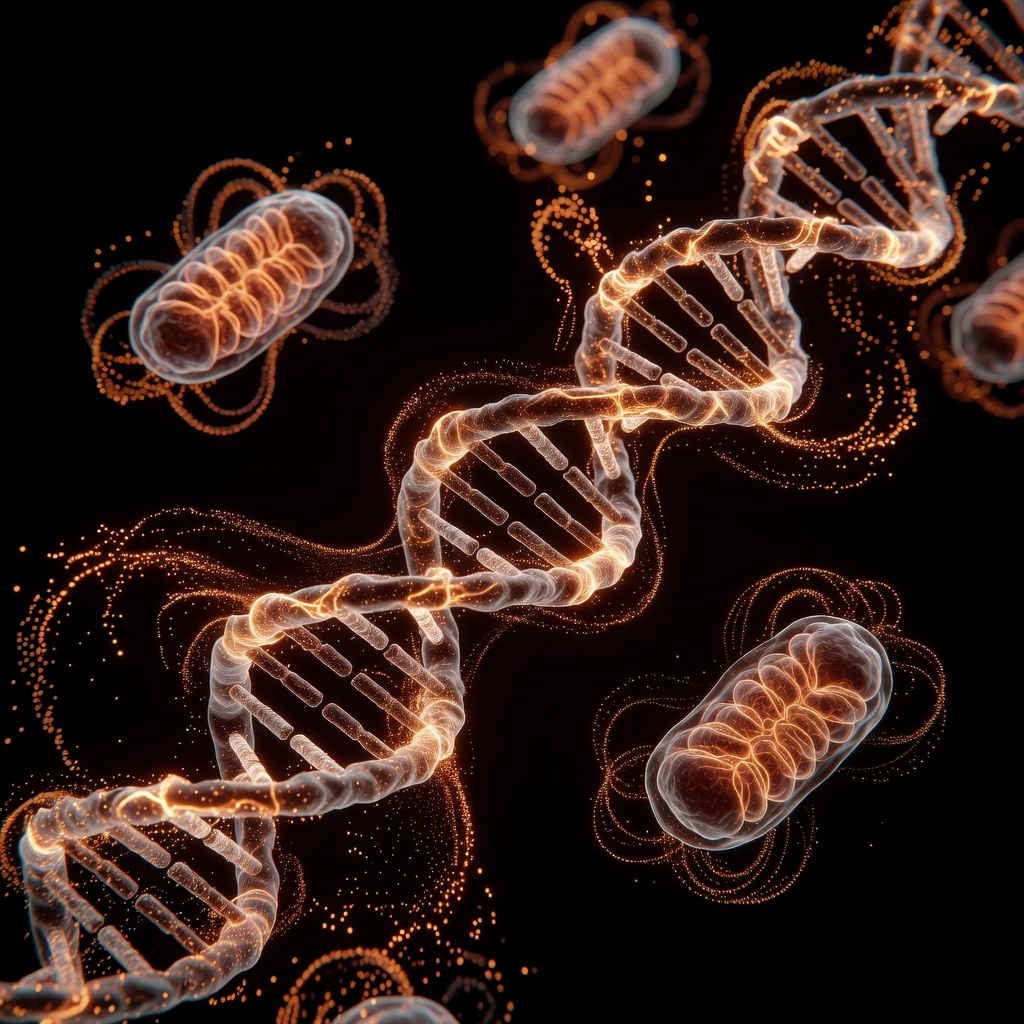
The Foundation of Health: Redox Potential and Soil Integrity. In the landscape of modern British health, we often look to supplements and clinical interventions to solve systemic fatigue and chronic inflammation. Yet, we rarely look beneath our feet. The redox potential of human cells—the capacity of our biological systems to manage oxidative stress—is fundamentally tethered to the mineral density of the soil that grows our food. In the UK, intensive agricultural practices over the last century have fundamentally altered the chemistry of our topsoil, leading to a silent crisis of mineral starvation. ### Understanding Redox Potential in the Soil-Human Axis.
Redox potential, or Reduction-Oxidation potential, is a measure of the tendency of a chemical species to acquire electrons and thereby be reduced. In healthy soil, this balance is maintained by a complex ecosystem of microorganisms, humic acids, and trace minerals. When soil is vibrant, plants take up these minerals, which act as cofactors for our own enzymatic antioxidant defenses. When these minerals are absent, the plant’s own defenses fail, and the food we consume provides insufficient raw material for our cells to manage their own metabolic waste. ### The Depletion of the British Landscape. Research suggests that British soil has seen a significant decline in essential minerals like magnesium, selenium, and zinc since the mid-20th century.
Industrial monoculture and synthetic nitrogen-phosphorus-potassium (NPK) fertilizers have prioritized yield over nutrient density. This shift has created an 'empty' harvest. When the soil lacks the electrochemical diversity required for complex plant chemistry, the resulting crops are structurally compromised. We are effectively eating the caloric equivalent of healthy food while starving at the cellular level. ### From Soil Deficiency to Cellular Failure. How does this impact the individual?
Every cell in your body relies on redox-active minerals to maintain its membrane potential and manage reactive oxygen species (ROS). Selenium is a primary component of glutathione peroxidase; magnesium is required for the stability of ATP. When our dietary intake of these minerals is insufficient, our cells enter a state of chronic oxidative stress. This manifests as sub-clinical inflammation, premature cellular senescence, and a diminished ability to repair DNA damage. In essence, the depletion of the British soil is lowering the 'recharge' capacity of our own human biology. ### Restoring the Cycle.
To bridge this gap, Innerstanding advocates for a return to regenerative soil management and a conscious prioritization of nutrient-dense, locally sourced, biodynamic produce. We must recognize that human health is not an isolated phenomenon—it is a continuous metabolic exchange with the earth. By supporting soil health, we are not just caring for the environment; we are proactively securing our own cellular resilience against the metabolic challenges of the 21st century.
This article is provided for informational and educational purposes only. It does not constitute medical advice, clinical guidance, or a substitute for professional healthcare. Information reflects cited research at time of publication. Always consult a qualified healthcare professional before acting on any health information.
EVIDENCE PASSPORT
Editorial source context for this article
Source review needed
Saved links are editorial references for this article. They may support specific claims rather than every sentence. Open and assess each source in context. This passport does not independently verify them.
Editorial context
A complete editorial reading has not been recorded for this article, and no source links are saved on its record.
Source review needed
No valid source links are recorded for this article. Supplementary research, where available, is listed separately below.
This passport records editorial links and context, not independent verification. Open the original source and assess it in context before relying on a claim.
Medical Disclaimer
The information in this article is for educational purposes only and does not constitute medical advice, diagnosis, or treatment. Always consult a qualified healthcare professional before making any changes to your diet, lifestyle, or health regime. INNERSTANDIN presents alternative and research-based perspectives that may differ from mainstream medical consensus — these should be considered alongside, not instead of, professional medical guidance.
Read Full DisclaimerContinue the thread
Keep this question moving.
Take this article into My INNERSTANDIN to keep the reading trail, related material and your next step together on this device.
Dig deeper in the Library
Free, longform PDF volumes that go beyond headlines into mechanisms and references.