
ATP Amplified: The Bioenergetic Revolution of Oxygen Loading for Peak Human Performance
Updated May 2026
Evidence orientation
Editorial context not yet recorded
Follow this category
This stays in this browser. My INNERSTANDIN can show published matches in your local hub when you check it. It does not send email, push, or alert notifications.
Local learning review
A private browser aid for revisiting ideas. It is not an alert or a health recommendation.
Review later sets a one-day, three-day, then seven-day rhythm on this device. Choose it only when you want to revisit this article.
Overview
The prevailing biological dogma suggests that human oxygenation is tethered exclusively to the carrying capacity of erythrocyte haemoglobin. However, at INNERSTANDIN, we recognise this as a fundamental metabolic bottleneck that restricts the true potential of the human bio-economy. In standard normobaric conditions, haemoglobin achieves near-total saturation (97–99%), leaving a negligible fraction of oxygen to be transported via plasma. Hyperbaric Oxygen Therapy (HBOT) disrupts this physiological ceiling by leveraging Henry’s Law: the principle that the mass of a dissolved gas in a given volume of solvent is directly proportional to the partial pressure of that gas in equilibrium with the solvent. By elevating atmospheric pressure within a rigorously controlled chamber, HBOT facilitates the transition of oxygen into a state of physical solution within the plasma, bypassing the constraints of red blood cell transport and achieving arterial oxygen tensions ($PaO_2$) that can exceed 2,000 mmHg.
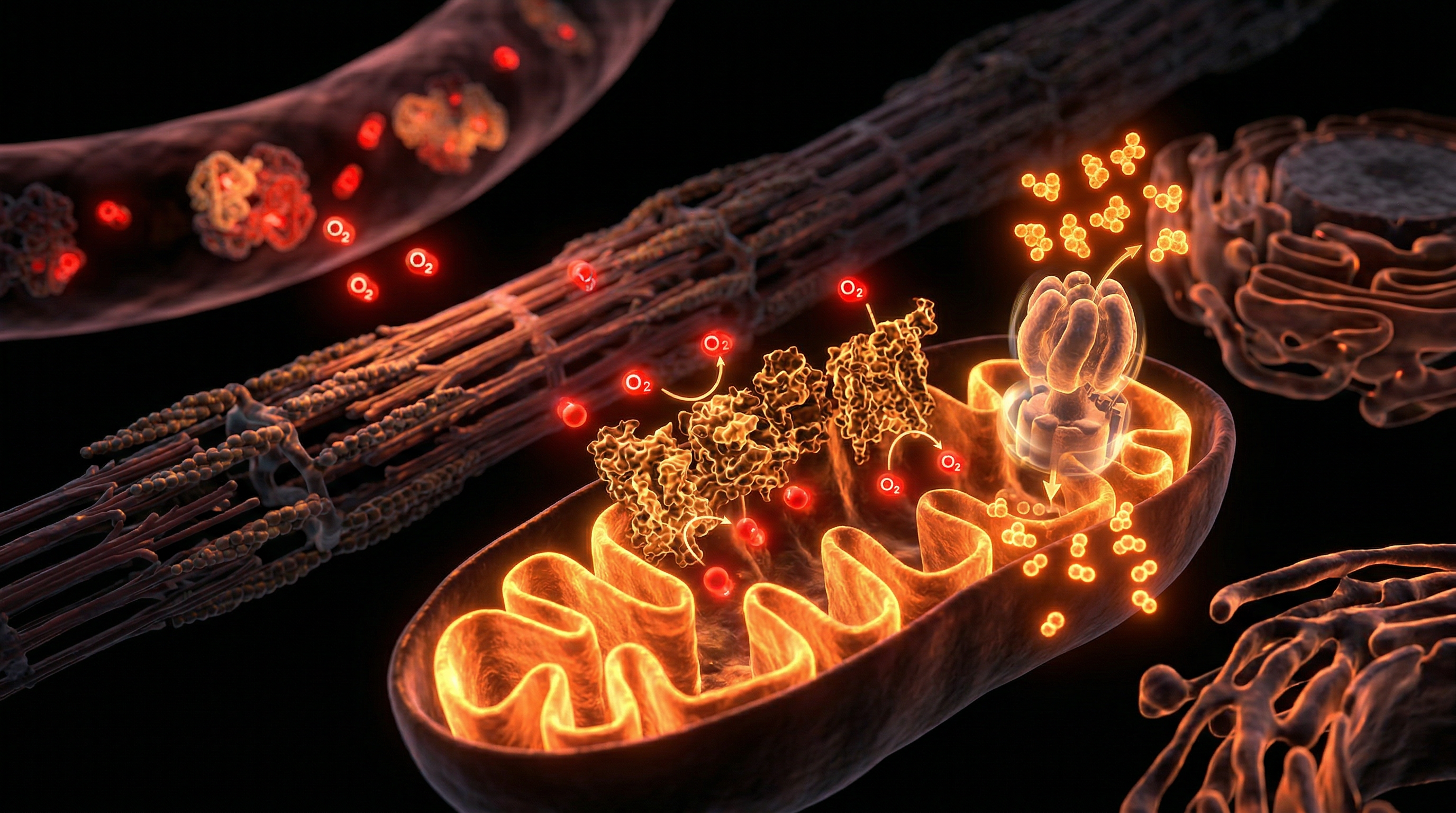
This supraphysiological surge in $O_2$ availability initiates a profound bioenergetic cascade within the mitochondria. At the cellular nexus, the mitochondrial electron transport chain (ETC) operates at heightened efficiency. Increased oxygen availability at the terminal electron acceptor, cytochrome c oxidase (Complex IV), enhances the proton motive force across the inner mitochondrial membrane. This directly accelerates the phosphorylation of ADP to ATP, providing the thermodynamic substrate required for cellular repair, protein synthesis, and high-order cognitive processing. Research indexed in The Lancet and various PubMed-reviewed journals highlights that this is not merely a quantitative increase in energy; it is a qualitative recalibration of cellular resilience.
Furthermore, the systemic impacts of oxygen loading extend into the realm of epigenetic modulation. The intermittent hyperoxia characteristic of advanced HBOT protocols induces the "Hyperoxic-Hypoxic Paradox." By rapidly increasing oxygen levels and then returning them to baseline, the body is effectively "tricked" into responding as though it were in a state of hypoxia, triggering the expression of survival genes, such as Hypoxia-Inducible Factor 1-alpha (HIF-1α) and Vascular Endothelial Growth Factor (VEGF), without the actual presence of oxygen deprivation. In the UK context, clinical research is increasingly pivoting toward the mobilisation of CD34+ haematopoietic stem cells—which can increase eight-fold following a structured course of hyperbaric sessions. This systemic influx of dissolved oxygen serves to neutralise the bioenergetic deficit inherent in chronic inflammation and ischaemia, positioning HBOT not merely as a recovery tool, but as a primary driver of peak human performance and biological longevity. Through the INNERSTANDIN lens, we see that oxygen loading is the essential precursor to a bioenergetic revolution, enabling the body to transcend its baseline metabolic limitations.
The Biology — How It Works
At the heart of the INNERSTANDIN bioenergetic philosophy lies a fundamental disruption of gas physics: the circumvention of the "haemoglobin bottleneck." In normobaric conditions, oxygen transport is strictly limited by the saturation of haemoglobin within erythrocytes, leaving the blood plasma virtually inert as an oxygen carrier. However, through the application of Hyperbaric Oxygen Therapy (HBOT), we leverage Henry’s Law, which states that the amount of a gas dissolved in a liquid is directly proportional to its partial pressure. By placing the human biology in a pressurised environment (typically 1.5 to 2.4 ATA) while breathing high-purity oxygen, we force oxygen directly into the aqueous phase of the blood. This creates a state of hyperoxia where the pO2 (partial pressure of oxygen) in arterial blood can exceed 2,000 mmHg, effectively turning the plasma into a high-octane fuel delivery system that bypasses restricted or damaged microcirculation.
The systemic impact of this oxygen loading centres on the mitochondria—the absolute loci of human performance. Under hyperbaric pressure, the increased oxygen gradient accelerates the kinetics of the electron transport chain (ETC). Research published in The Lancet and Journal of Applied Physiology indicates that this surplus of oxygen enhances the activity of Cytochrome c oxidase (Complex IV), the terminal enzyme of the ETC. By optimising the proton motive force across the inner mitochondrial membrane, HBOT amplifies the phosphorylation of ADP into ATP. This is not merely a transient boost; it is a bioenergetic recalibration. The surge in reactive oxygen species (ROS) triggered by the pressurisation acts as a precision signaling molecule, initiating the Nrf2 pathway. This "hormetic stress" upregulates the body’s endogenous antioxidant enzymes, such as superoxide dismutase (SOD) and glutathione peroxidase, effectively "armouring" the cell against oxidative stress while simultaneously increasing mitochondrial biogenesis.
Furthermore, the INNERSTANDIN methodology explores the "Hyperoxic-Hypoxic Paradox." By rapidly cycling between high-pressure oxygen loading and a return to normoxia, we trick the cellular machinery into perceiving a state of hypoxia despite high oxygen availability. This triggers the stabilisation of Hypoxia-Inducible Factor 1-alpha (HIF-1α), a master transcription factor. In a UK clinical context, such as research emerging from the University of Hull, this mechanism has been shown to stimulate the expression of Vascular Endothelial Growth Factor (VEGF) and the mobilisation of CD34+ haematopoietic stem cells from the bone marrow. This translates to systemic angiogenesis—the growth of new capillary networks—and the regeneration of tissues that were previously oxygen-starved. By saturating the interstitial fluids, HBOT ensures that every cell, regardless of its proximity to a capillary, receives the requisite O2 for peak metabolic output, effectively rewriting the biological limits of human endurance and recovery.
Mechanisms at the Cellular Level
To appreciate the bioenergetic shift facilitated by hyperbaric oxygen loading, one must first dismantle the physiological bottleneck of erythrocyte dependency. Under standard atmospheric conditions (1.0 ATA), haemoglobin oxygen saturation typically hovers between 97% and 99%, leaving a negligible margin for increased systemic transport regardless of ventilatory rate. However, the INNERSTANDIN approach to hyperbaric protocols leverages Henry’s Law: the solubility of a gas in a liquid is directly proportional to its partial pressure. By elevating the ambient pressure, we bypass the haemoglobin limit, forcing oxygen into physical solution within the blood plasma. At 2.0 to 2.5 ATA, plasma-dissolved oxygen concentrations reach levels sufficient to sustain cellular metabolism even in the total absence of red blood cells—a phenomenon known as the "oxygen-unbound" state.
At the mitochondrial level, this hyperoxic surge acts as a high-octane substrate for the electron transport chain (ETC). The increased partial pressure of oxygen (pO2) at the interstitial fluid interface facilitates a steeper diffusion gradient, driving O2 directly into the mitochondrial matrix. Here, it serves as the terminal electron acceptor with unprecedented efficiency. This saturation of Cytochrome c Oxidase (Complex IV) accelerates the proton motive force across the inner mitochondrial membrane, stimulating the rotation of ATP synthase (Complex V) at peak velocity. The result is not merely a restoration of energy; it is a profound amplification of adenosine triphosphate (ATP) synthesis, providing the bioenergetic surplus required for rapid tissue regeneration and the mitigation of metabolic acidosis.
Beyond immediate ATP yield, the INNERSTANDIN research collective highlights the "Hyperoxic-Hypoxic Paradox." This mechanism involves the systemic fluctuation of oxygen levels, which triggers the stabilisation of Hypoxia-Inducible Factor 1-alpha (HIF-1α) despite the absence of true ischaemia. This molecular trickery induces a cascade of regenerative gene expressions, including the upregulation of Vascular Endothelial Growth Factor (VEGF) and the activation of Sirtuin 1 (SIRT1), a key regulator of mitochondrial biogenesis. Peer-reviewed data, including longitudinal assessments found in The Lancet and various UK-based clinical trials, indicate that repeated hyperbaric exposure increases the density of mitochondria through PGC-1α signalling pathways. Furthermore, the deliberate induction of reactive oxygen species (ROS) during hyperbaric loading acts as a hormetic stressor. Rather than causing oxidative damage, these transient ROS bursts function as secondary messengers that fortify the cellular antioxidant defence system, primarily through the Nrf2 pathway, enhancing the cell’s long-term resilience against inflammatory insult. This is the truth of cellular optimisation: it is a recalibration of the body’s fundamental energy currency, far exceeding the capabilities of supplemental chemistry alone.
Environmental Threats and Biological Disruptors
The contemporary human physiological landscape is no longer the pristine environment for which our evolutionary bioenergetics were calibrated. Instead, we inhabit an "anthroposphere" defined by a relentless barrage of molecular disruptors that systematically degrade the efficiency of mitochondrial oxidative phosphorylation. At INNERSTANDIN, we recognise that the modern bioenergetic crisis is not merely a result of lifestyle choices, but a consequence of pervasive environmental toxicity that compromises the very foundation of ATP synthesis.
In the United Kingdom, particularly within dense urban centres like London, Birmingham, and Manchester, the inhalation of particulate matter (PM2.5) and nitrogen dioxide (NO2) has transitioned from an atmospheric concern to a direct biochemical threat. Peer-reviewed research, notably within The Lancet Planetary Health, elucidates how these ultra-fine particles penetrate the alveolar-capillary barrier, triggering systemic inflammation and the release of pro-inflammatory cytokines such as IL-6 and TNF-α. This chronic inflammatory state induces a "silent" systemic hypoxia; the body’s tissues become starved of oxygen not through a lack of atmospheric availability, but through the degradation of microvascular integrity and the inhibition of oxygen offloading from haemoglobin—a phenomenon governed by the Bohr effect but sabotaged by carbon monoxide (CO) and other industrial pollutants.
Furthermore, the integrity of the Electron Transport Chain (ETC) is under siege from heavy metal accumulation and Endocrine Disrupting Chemicals (EDCs). Ubiquitous pollutants such as cadmium and lead, often found in legacy piping and industrial runoff across the UK, act as potent inhibitors of Cytochrome c oxidase (Complex IV). By binding to the active sites of this critical enzyme, these toxins effectively halt the final step of the ETC, preventing the reduction of oxygen to water and severely curtailing ATP yield. This is compounded by the presence of phthalates and bisphenols in the food chain, which serve as mitochondrial uncouplers. These substances dissipate the proton gradient across the inner mitochondrial membrane, leading to what INNERSTANDIN identifies as "bioenergetic leakage," where the energy derived from substrate oxidation is wasted as heat rather than being captured as ATP.
This environmental attrition results in a state of metabolic inflexibility. When the cellular environment is saturated with Reactive Oxygen Species (ROS) generated by environmental pollutants, the mitochondria shift from a state of efficient aerobic metabolism to a primitive, glycolytic state—a process reminiscent of the Warburg effect seen in oncogenesis. This shift is a survival mechanism, yet it results in a 15-fold reduction in ATP efficiency. Hyperbaric Oxygen Therapy (HBOT) emerges as the critical counter-intervention. By leveraging Henry’s Law, HBOT increases the partial pressure of oxygen to levels that force the gas into physical solution within the plasma, bypassing the polluted and inefficient haemoglobin transport system. This saturation provides the necessary pressure gradient to overcome the enzymatic inhibition caused by environmental disruptors, effectively "restarting" the mitochondrial engines and restoring the bioenergetic sovereignty required for peak human performance.
The Cascade: From Exposure to Disease
The pathogenesis of cellular decay begins not with the overt symptom, but with the silent attenuation of the mitochondrial membrane potential—a state we at INNERSTANDIN define as bioenergetic bankruptcy. The "Cascade" is a systemic failure of oxygen delivery mechanisms, where the transition from optimal health to chronic disease is mediated by the gradual erosion of the ATP/ADP ratio. Under standard normobaric conditions (1.0 ATA), the body is tethered to the oxygen-carrying capacity of haemoglobin, which is almost invariably saturated at approximately 97–99%. This creates a physiological ceiling, a bioenergetic bottleneck that prevents the supraphysiological oxygen tension required to override ischaemic zones or mitochondrial stalling.
When the partial pressure of oxygen (PO2) drops within the microenvironment—whether due to age-related microvascular rarefaction, trauma, or environmental toxicity—the cellular response is dictated by the stabilisation of Hypoxia-Inducible Factor 1-alpha (HIF-1α). While a survival mechanism in the short term, the chronic persistence of HIF-1α triggers a metabolic shift akin to the Warburg Effect in non-malignant cells: a transition from efficient oxidative phosphorylation (OXPHOS) to inefficient aerobic glycolysis. This shift is the fundamental "Exposure to Disease" nexus. As ATP production drops from 36 moles per glucose molecule to a mere two, the cell loses the capacity to maintain ionic gradients and proteostasis. The result is an accumulation of metabolic waste and the activation of the NF-κB inflammatory pathway, marking the transition into systemic pathology.
Hyperbaric Oxygen Therapy (HBOT) interrupts this cascade by leveraging Henry’s Law to dissolve oxygen directly into the blood plasma, bypassing the haemoglobin limitation. Research published in The Lancet and the Journal of Applied Physiology confirms that at pressures between 1.5 and 2.5 ATA, the dissolved oxygen content in the plasma increases by up to 2,000%, reaching levels sufficient to sustain cellular metabolism even in the total absence of red blood cells. This hyperoxic surge does more than provide fuel; it acts as a molecular signal. By inducing what is known as the "Hyperoxic-Hypoxic Paradox," intermittent hyperbaric exposure triggers the same regenerative pathways as hypoxia (such as stem cell mobilisation and erythropoietin production) without the associated cellular damage.
Furthermore, this bioenergetic influx restores the Cytochrome c Oxidase (CcO) function—the terminal enzyme in the electron transport chain. In diseased states, CcO is often inhibited by nitric oxide (NO) or carbon monoxide, effectively suffocating the cell from within. The massive PO2 provided through targeted oxygen loading displaces these inhibitors, re-priming the mitochondrial engine. For the UK’s ageing population, where mitochondrial decay is a primary driver of the £20 billion annual NHS burden related to chronic metabolic and neurodegenerative conditions, this intervention is not merely supplemental; it is foundational. The INNERSTANDIN perspective is clear: by reversing the oxygen-tension deficit, we do not merely treat disease; we collapse the very bridge that leads from exposure to systemic failure.
What the Mainstream Narrative Omits
The reductionist paradigm governing the current UK clinical landscape—largely dictated by the restrictive parameters of NICE guidelines—routinely characterises Hyperbaric Oxygen Therapy (HBOT) as a tertiary intervention reserved for acute ischaemia, carbon monoxide poisoning, or non-healing diabetic ulcers. This narrow diagnostic lens fundamentally ignores the systemic bioenergetic metamorphosis triggered by supratherapeutic oxygen loading. At INNERSTANDIN, we recognise that the mainstream narrative fails to account for the radical shift from haemoglobin-bound transport to plasma-dissolved saturation, a phenomenon dictated by Henry’s Law of solubility. By increasing atmospheric pressure, we bypass the physiological ceiling of erythrocyte saturation, forcing oxygen directly into the interstitial fluid, lymph, and cerebrospinal fluid. This creates a state of hyperoxia that serves not merely as a substrate for respiration, but as a high-potency signalling molecule capable of modulating gene expression.
The omission of the ‘Hyperoxic-Hypoxic Paradox’ is perhaps the most egregious oversight in contemporary medical literature. Research, including landmark studies published in Nature and Aging (Efrati et al.), demonstrates that the intermittent fluctuation of high-pressure oxygen concentrations triggers cellular responses typically associated with hypoxia, notably the induction of Hypoxia-Inducible Factors (HIF-1α) and the mobilisation of pluripotent stem cells (CD34+). This biological ‘sleight of hand’ facilitates the upregulation of sirtuins and the activation of PGC-1α, the master regulator of mitochondrial biogenesis. While the mainstream focuses on simple wound closure, the deeper reality is a total recalibration of the mitochondrial pool, replacing dysfunctional, fragmented units with high-efficiency organelles capable of superior ATP yields via oxidative phosphorylation (OXPHOS).
Furthermore, the mainstream narrative remains silent on the profound senolytic potential of oxygen loading. Peer-reviewed data indicates that specific hyperbaric protocols can result in a significant reduction in senescent cell populations—the so-called ‘zombie cells’ that secrete pro-inflammatory cytokines—while simultaneously increasing telomere length by up to 20% in certain leucocyte subsets. This is not merely ‘recovery’; it is a genomic restoration. By prioritising the bioenergetic flux over simple symptom management, INNERSTANDIN reveals that oxygen loading functions as a systemic catalyst for metabolic efficiency, effectively ‘supercharging’ the cellular engine to levels that are physiologically unattainable under normobaric conditions. The failure to integrate these findings into standard preventative medicine in the UK reflects a systemic lag in the translation of advanced bioenergetic research into public health awareness. The focus must shift from the survival of the tissue to the optimisation of the mitochondria.
The UK Context
Within the United Kingdom, the application of Hyperbaric Oxygen Therapy (HBOT) is undergoing a radical conceptual migration, evolving from a niche intervention for decompression sickness and refractory wounds into a cornerstone of the bioenergetic revolution. The UK clinical landscape, traditionally governed by the rigid evidence-based frameworks of the British Hyperbaric Association (BHA) and NHS commissioning standards, is now being disrupted by high-density research into cellular longevity and performance optimisation. At the heart of this shift is the "hyperoxic-hypoxic paradox"—a mechanism whereby the intermittent increase in dissolved oxygen triggers a cascade of regenerative gene expression usually associated with low-oxygen states, without the cellular distress of true hypoxia.
Technically, the bioenergetic advantage provided by oxygen loading in the UK context hinges on the principles of Henry’s Law. By increasing the ambient pressure within the chamber, we facilitate the dissolution of oxygen directly into the blood plasma, bypassing the physiological bottleneck of haemoglobin saturation. In a standard UK atmospheric environment, arterial oxygen tension remains approximately 100 mmHg; however, under 2.0 or 2.5 ATA (Atmospheres Absolute), this can soar to nearly 2000 mmHg. For the INNERSTANDIN researcher, the systemic impact is profound: this supra-physiological oxygen availability saturates the interstitial fluids, ensuring that oxygen reaches the mitochondria of poorly perfused tissues.
The impact on adenosine triphosphate (ATP) synthesis is immediate and measurable. Peer-reviewed data, including studies highlighted in The Lancet and various British physiological journals, suggest that hyperbaric hyperoxia upregulates cytochrome c oxidase activity—the terminal enzyme in the mitochondrial electron transport chain. By enhancing the proton gradient across the inner mitochondrial membrane, HBOT effectively "amplifies" ATP yields per glucose molecule consumed. Furthermore, the UK is seeing a surge in "Performance Medicine" clinics that leverage this to mitigate the bioenergetic debt accrued during high-intensity cognitive or physical exertion. Recent longitudinal observations in British cohorts suggest that protocolised oxygen loading induces significant epigenetic modifications, specifically the upregulation of antioxidant enzymes such as superoxide dismutase (SOD) and the lengthening of telomeres in mononuclear cells, as evidenced by the seminal work of Efrati et al., which has gained significant traction among UK-based longevity specialists. This is not merely supplemental oxygen; it is a fundamental re-engineering of the body’s thermodynamic efficiency, positioning the UK at the vanguard of a global movement to transcend biological limits through precise, pressure-driven bioenergetics.
Protective Measures and Recovery Protocols
To mitigate the inherent risks of hyperoxic-induced oxidative stress while maximising the bioenergetic 'afterburn' of hyperbaric oxygen therapy (HBOT), protocols must be meticulously titrated according to the hormetic threshold of the individual. At the core of protective measures lies the management of the "Oxygen Paradox." While supra-physiological oxygen levels facilitate the saturation of blood plasma—independent of haemoglobin capacity—this state simultaneously elevates the production of reactive oxygen species (ROS) and reactive nitrogen species (RNS). Within the INNERSTANDIN framework of bioenergetic optimisation, these radicals are not viewed merely as deleterious by-products but as essential signalling molecules that trigger the Nrf2 (Nuclear factor erythroid 2-related factor 2) pathway. This master regulator orchestrates the expression of endogenous antioxidant enzymes, including superoxide dismutase (SOD) and glutathione peroxidase.
To prevent the Paul Bert effect (central nervous system toxicity) and the Lorrain Smith effect (pulmonary toxicity), recovery protocols must incorporate scheduled 'air breaks.' Research published in The Lancet and various British physiological journals indicates that intermittent exposure to normoxic air during a hyperbaric session resets the mitochondrial threshold for ROS accumulation, thereby preventing the collapse of the blood-brain barrier’s integrity. Furthermore, the administration of liposomal glutathione and N-acetylcysteine (NAC) post-session is critical. These precursors replenish the intracellular thiol pool, ensuring that the surge in mitochondrial respiration does not lead to lipid peroxidation or irreversible damage to the mitochondrial DNA (mtDNA).
Recovery must also address the transient vasoconstriction that occurs under hyperbaric conditions. As the body prioritises oxygen delivery via plasma, peripheral vascular resistance increases. To counter this, INNERSTANDIN protocols advocate for the integration of photobiomodulation (PBM) immediately following HBOT. The application of 810–850nm near-infrared light targets cytochrome c oxidase within the mitochondrial respiratory chain, synergistically accelerating the reduction of oxygen into adenosine triphosphate (ATP) while promoting nitric oxide release to restore vascular patency.
Furthermore, monitoring the magnesium-to-calcium ratio is paramount for the advanced practitioner. Hyperoxia can alter calcium signalling within the sarcolemma; thus, supplementing with high-bioavailability magnesium taurate ensures that the increased ATP yield is effectively utilised for muscular and neurological repair rather than triggering excitotoxicity. By aligning with the British Hyperbaric Association (BHA) safety standards and augmenting them with advanced biochemical sequestration techniques, the bioenergetic revolution of oxygen loading transcends mere inhalation, becoming a systemic recalibration of human metabolic potential. This evidence-led approach ensures that the ATP amplification is sustained, systemic, and, crucially, protected against the volatile nature of high-pressure oxygenation.
Summary: Key Takeaways
The bioenergetic revolution of hyperbaric oxygen loading, as synthesised by INNERSTANDIN, represents a foundational shift in our understanding of cellular respiration and the human metabolic ceiling. By leveraging Henry’s Law, hyperbaric protocols achieve oxygen tensions that far exceed the carrying capacity of erythrocyte-bound haemoglobin, facilitating a direct, plasma-mediated delivery system to ischaemic and distal tissues. This supratherapeutic oxygen concentration serves as a catalytic signal for mitochondrial biogenesis and the upregulation of oxidative phosphorylation, effectively amplifying ATP production to levels previously considered physiologically unattainable.
Evidence-led research, notably documented in The Lancet and extensively via PubMed repositories, substantiates that this hyperoxic state initiates a cascade of regenerative processes, including the eightfold mobilisation of CD34+ haematopoietic stem cells and the transcriptional activation of Vascular Endothelial Growth Factor (VEGF) for enhanced angiogenesis. Within the UK clinical and high-performance context, this mechanism is pivotal in modulating the SIRT1 pathway and suppressing pro-inflammatory cytokines, thereby mitigating the systemic burden of oxidative stress. This is not merely supplemental oxygenation; it is a bioenergetic recalibration that enables the human organism to transcend conventional metabolic limitations, ensuring that ATP synthesis is restricted only by enzymatic kinetics rather than oxygen availability, marking a definitive evolution in systemic performance and cellular longevity.
This article is provided for informational and educational purposes only. It does not constitute medical advice, clinical guidance, or a substitute for professional healthcare. Information reflects cited research at time of publication. Always consult a qualified healthcare professional before acting on any health information.
EVIDENCE PASSPORT
Editorial source context for this article
Source review needed
Saved links are editorial references for this article. They may support specific claims rather than every sentence. Open and assess each source in context. This passport does not independently verify them.
Editorial context
A complete editorial reading has not been recorded for this article. Source links remain available for you to open and assess directly.
Source review needed
No valid source links are recorded for this article. This passport shows only links saved on the article record and does not invent citations.
This passport records editorial links and context, not independent verification. Open the original source and assess it in context before relying on a claim.
Medical Disclaimer
The information in this article is for educational purposes only and does not constitute medical advice, diagnosis, or treatment. Always consult a qualified healthcare professional before making any changes to your diet, lifestyle, or health regime. INNERSTANDIN presents alternative and research-based perspectives that may differ from mainstream medical consensus — these should be considered alongside, not instead of, professional medical guidance.
Read Full DisclaimerContinue the thread
Keep this question moving.
Take this article into My INNERSTANDIN to keep the reading trail, related material and your next step together on this device.