
Autologous Grafting: Overcoming the Barriers of Immune Rejection
Updated May 2026
Using a patient's own cells for therapy eliminates the need for immunosuppressant drugs. We examine the latest techniques for harvesting and expanding autologous cells for orthopedic repair.
Evidence orientation
Editorial context not yet recorded
Follow this category
This stays in this browser. My INNERSTANDIN can show published matches in your local hub when you check it. It does not send email, push, or alert notifications.
Local learning review
A private browser aid for revisiting ideas. It is not an alert or a health recommendation.
Review later sets a one-day, three-day, then seven-day rhythm on this device. Choose it only when you want to revisit this article.
Overview
In the current paradigm of regenerative medicine, the quest to restore structure and function to damaged tissues has frequently collided with the formidable wall of the human immune system. For decades, the standard approach to tissue replacement—allogeneic grafting—has relied upon donor tissues or cells. While life-saving in many contexts, this method carries the inherent risk of Graft-versus-Host Disease (GvHD) and necessitates a lifelong, often debilitating regimen of immunosuppressant drugs. These pharmaceuticals, while preventing the immediate rejection of foreign biological material, systematically dismantle the patient’s natural defences, leaving them vulnerable to opportunistic infections and oncological developments.
However, a more profound and biologically congruent solution exists: Autologous Grafting. This technique involves the harvesting, processing, and re-implantation of a patient’s own biological material. By utilising the patient's own cells, we bypass the complex "self versus non-self" recognition protocols of the innate and adaptive immune systems. In the field of orthopaedics, this represents a tectonic shift. We are no longer merely "patching" a patient with foreign or synthetic materials; we are leveraging the body’s endogenous healing intelligence to regenerate bone, cartilage, and connective tissue.
Despite its clinical superiority and the elimination of rejection risks, autologous therapy remains curiously under-utilised in mainstream primary care. As a senior researcher for INNERSTANDING, it is my duty to highlight that the barriers to autologous grafting are rarely biological; they are often institutional and economic. The "off-the-shelf" allogeneic model is far more profitable for the pharmaceutical industrial complex than a personalised, autologous procedure that uses a patient’s own un-patentable cells. In this article, we shall peel back the layers of this biological miracle, examine the microscopic mechanisms of cellular repair, and expose the environmental factors that are currently degrading the quality of our own "internal pharmacies."
The Biology — How It Works
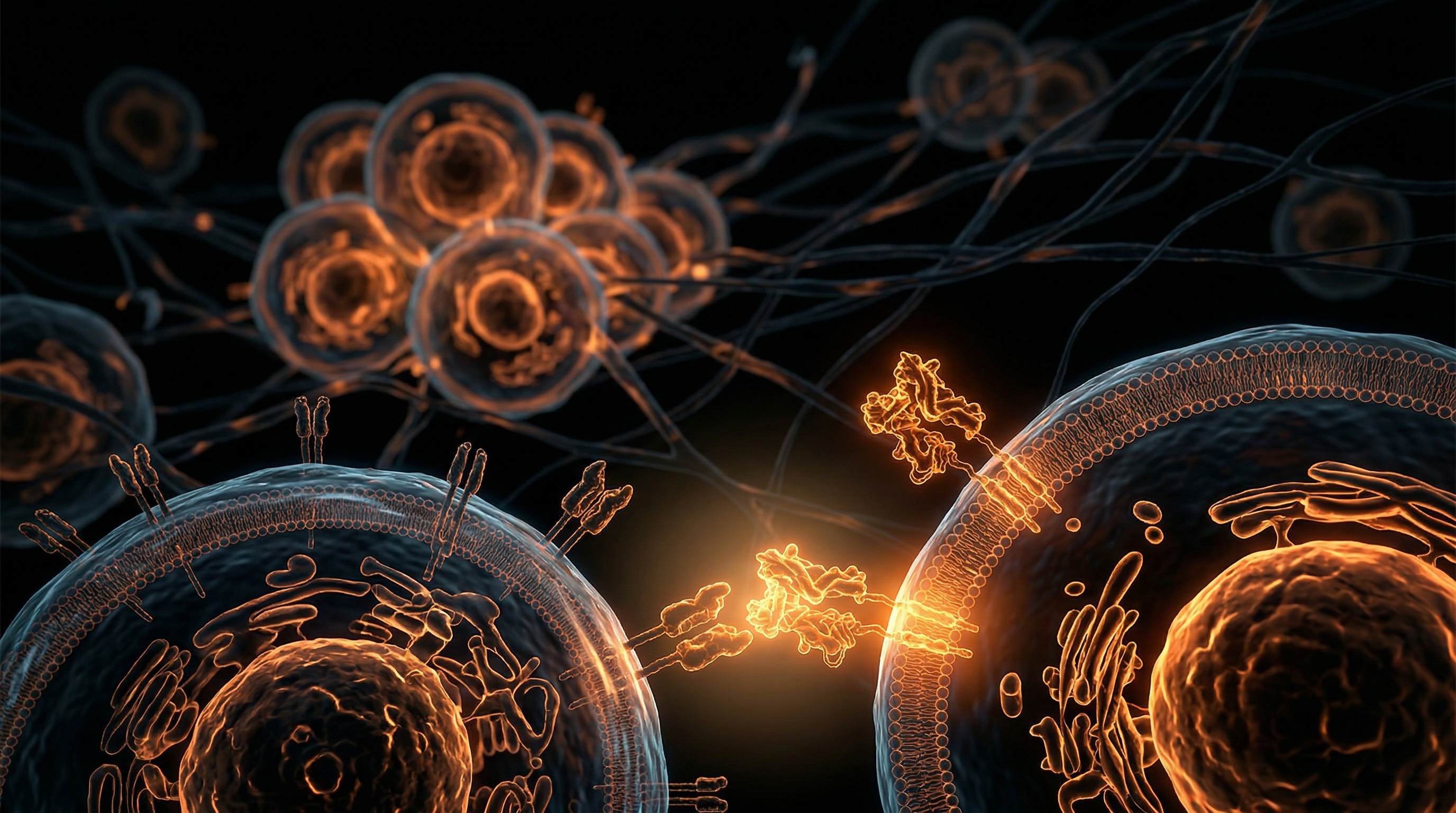
At the heart of autologous grafting is the biological concept of immune tolerance. Every cell in the human body expresses a unique set of proteins on its surface known as the Major Histocompatibility Complex (MHC), or in humans, the Human Leukocyte Antigen (HLA) system. These markers act as a molecular "barcode," identifying the cell as a legitimate part of the organism.
Callout Fact: The probability of two unrelated individuals having a perfect HLA match is approximately 1 in 100,000 to 1 in a million, making allogeneic rejection almost a certainty without chemical intervention.
When an autologous graft is performed—whether it be a Bone Marrow Aspirate Concentrate (BMAC) or Adipose-Derived Stem Cells (ADSCs)—the immune system’s "sentinel" cells (macrophages and T-cells) recognise the HLA markers as "self." This prevents the cascade of pro-inflammatory cytokines that would otherwise lead to tissue necrosis and graft failure.
In orthopaedic repair, the primary objective is the restoration of the extracellular matrix (ECM). Whether we are treating osteoarthritis of the knee or a non-union bone fracture, the goal is to introduce Multipotent Mesenchymal Stromal Cells (MSCs) into the site of injury. These cells possess two extraordinary capabilities:
- Differentiation: The ability to turn into chondrocytes (cartilage cells), osteoblasts (bone cells), or myocytes (muscle cells) depending on the chemical signals in the environment.
- Immunomodulation: The ability to "talk" to the local immune system, dampening chronic inflammation and secreting growth factors that stimulate blood vessel formation (angiogenesis).
By using the patient’s own cells, we ensure that the "crosstalk" between the graft and the host tissue is seamless. There is no molecular dissonance. The body recognises the repair signals as its own, allowing for a rapid transition from the inflammatory phase of healing to the proliferative and remodelling phases.
Mechanisms at the Cellular Level
To truly understand why autologous grafting is superior, we must zoom in on the Cellular Microenvironment or the "Niche." When we harvest autologous cells, we are not just moving "bricks" from one building to another; we are moving the "architects" and the "foremen" as well.
The Role of Mesenchymal Stem Cells (MSCs)
MSCs are the stars of autologous orthopaedic repair. Traditionally harvested from the iliac crest (hip bone) or subcutaneous fat, these cells are highly sensitive to their surroundings. Once injected into a damaged joint, they do not merely replace missing tissue. Instead, they act as "site-regulated drugstores." They sense the specific cytokines present in the damaged tissue and secrete a bespoke cocktail of exosomes and trophic factors.
The Secretome and Exosomal Signalling
The secretome is the total collection of molecules secreted by a cell. In autologous grafting, the patient’s MSCs release exosomes—tiny membrane-bound vesicles containing microRNA and proteins. These exosomes penetrate the surrounding damaged cells, delivering instructions to shut down "cell death" pathways (apoptosis) and "switch on" repair genes.
- TGF-β (Transforming Growth Factor beta): Essential for cartilage synthesis.
- BMPs (Bone Morphogenetic Proteins): Critical for inducing new bone formation.
- VEGF (Vascular Endothelial Growth Factor): Necessary for restoring blood flow to ischaemic (oxygen-starved) tissues.
The Scaffold and the Signal
For a graft to be successful, it requires three things: the Seed (the cells), the Signal (growth factors), and the Scaffold (the structural matrix). In autologous procedures, we often use Platelet-Rich Plasma (PRP) as a liquid scaffold and signalling medium. Because the PRP is derived from the patient's own blood, it contains a concentrated array of bioactive proteins that work in perfect synergy with the harvested stem cells. This is the Autologous Triad, a biological symphony that allogeneic or synthetic alternatives cannot replicate.
Environmental Threats and Biological Disruptors
While the theory of autologous grafting is flawless, the practical reality is that the "source material"—the patient’s own body—is increasingly under siege. If the patient's internal terrain is toxic, the cells harvested for grafting will be "exhausted" or "senescent," significantly reducing the efficacy of the treatment.
Callout Fact: Studies have shown that stem cells harvested from individuals living in highly polluted urban environments exhibit significantly higher rates of DNA fragmentation and reduced proliferative capacity compared to those in "cleaner" environments.
The Glyphosate Threat
One of the most insidious disruptors of autologous cell quality is Glyphosate, the ubiquitous herbicide. Glyphosate acts as an analogue to the amino acid glycine. During the synthesis of collagen—the primary protein in our joints and bones—the body may mistakenly incorporate glyphosate in place of glycine. This leads to misfolded proteins and structural weakness in the very tissues we are trying to repair. If a patient’s stem cells are saturated with glyphosate, their ability to rebuild a healthy collagen matrix is fundamentally compromised.
Endocrine Disruptors and Mycotoxins
Chemicals such as Bisphenol A (BPA) and Phthalates, found in plastics and water supplies, mimic oestrogen and disrupt the hormonal signalling required for stem cell activation. Furthermore, chronic exposure to mycotoxins (from water-damaged buildings) can put the immune system in a state of permanent "high alert." In this state, the harvested autologous cells are often "primed" for inflammation rather than repair, leading to a phenomenon known as "Stem Cell Exhaustion."
Electrosmog and Mitochondrial Dysfunction
The delicate signalling required for cellular differentiation is also sensitive to Electromagnetic Fields (EMFs). The mitochondria within our stem cells act as the power plants for repair. Exposure to high levels of non-ionising radiation has been shown to disrupt the Voltage-Gated Calcium Channels (VGCCs) in cell membranes, leading to oxidative stress and impaired mitochondrial function. A cell with failing mitochondria cannot perform the energetically demanding task of tissue regeneration.
The Cascade: From Exposure to Disease
The journey from environmental exposure to the need for an orthopaedic graft is often a long, slow cascade of biological degradation. Understanding this "pathway to pathology" is essential for both the researcher and the patient.
- Systemic Bio-accumulation: Toxins (heavy metals, microplastics, pesticides) accumulate in the fatty tissues and the bone marrow—the very sites where we harvest autologous cells.
- Chronic Low-Grade Inflammation (CLGI): This is often termed "Inflammaging." The body’s immune system is constantly triggered by these environmental invaders, leading to a persistent "smouldering" inflammation.
- Pro-inflammatory Cytokine Dominance: Levels of IL-6, TNF-alpha, and IL-1β rise. These cytokines are destructive to cartilage and bone. They create a "hostile terrain" in the joints.
- Tissue Breakdown: The cartilage begins to thin (Osteoarthritis), and bone density decreases (Osteoporosis). The body’s natural repair mechanisms are overwhelmed because the "reserve" of healthy stem cells in the marrow has been depleted or damaged by the toxic load.
- The Failure of Traditional Interventions: Mainstream medicine typically responds with Corticosteroid injections. While these provide temporary pain relief, they are "chondrotoxic"—they actually kill the remaining cartilage cells and further suppress the local stem cell population, accelerating the need for a graft.
When the patient finally seeks an autologous graft, the success of that graft depends entirely on whether we can reverse this cascade or if we are simply transplanting "tired" cells into a "toxic" joint.
What the Mainstream Narrative Omits
In the hallowed halls of conventional medical journals, the focus remains stubbornly fixed on the mechanics of the graft, while the vitality of the biological terrain is ignored. This omission is not accidental.
The Patentability Problem
The pharmaceutical industry is built on scalable, patentable products. An autologous procedure—where the patient is both the manufacturer and the consumer of the "drug"—cannot be patented. There is no "blockbuster" profit in teaching a doctor how to use a centrifuge to process a patient's own blood and marrow. Consequently, research funding is disproportionately funnelled toward allogeneic "off-the-shelf" stem cell lines or synthetic growth factors. These can be mass-produced, trademarked, and sold at a massive markup, despite their higher risk profile.
The "Terrain" Silence
Mainstream orthopaedics rarely discusses the patient’s diet, toxic load, or lifestyle prior to harvesting cells. They treat the body like a machine with replaceable parts, rather than a biological ecosystem. There is a "suppressed truth" here: The efficacy of an autologous graft is directly proportional to the metabolic health of the patient. By ignoring the environmental and nutritional factors that damage our stem cells, the mainstream narrative ensures a certain "failure rate" that necessitates further pharmaceutical or surgical intervention.
The Suppression of Natural Potentiators
There are numerous natural substances—such as Sulforaphane, Curcumin, and Resveratrol—that have been shown to enhance stem cell "stemness" and protect them from oxidative stress. However, because these are natural compounds, they are frequently dismissed as "unproven" or "alternative," despite a mountain of peer-reviewed evidence. The mainstream narrative prefers to wait for a synthetic, pharmaceutical-grade analogue that can be controlled and sold.
The UK Context
In the United Kingdom, the landscape for autologous grafting is particularly complex. The National Health Service (NHS), while an institution of great merit, is often decades behind in the implementation of regenerative therapies. Cost-benefit analyses in the UK often favour cheap, temporary fixes (like steroid injections or total joint replacements with metal/plastic) over the long-term biological restoration offered by autologous grafting.
The Regulatory Hurdle
The Human Tissue Authority (HTA) and the Medicines and Healthcare products Regulatory Agency (MHRA) in the UK maintain stringent controls over the manipulation of human cells. While these regulations are intended to ensure safety, they often create a "red tape" barrier that prevents smaller, innovative clinics from offering autologous treatments. This has led to a "medical tourism" phenomenon where UK patients travel to Europe or the Americas to access therapies that utilize their own cells.
Environmental Factors Unique to Britain
The UK faces specific environmental challenges that impact cell quality:
- Water Quality: Many parts of the UK still have Victorian-era piping, leading to lead and copper contamination. Furthermore, the presence of "forever chemicals" (PFAS) in UK waterways is a growing concern for endocrine health and stem cell viability.
- Dietary Standards: The prevalence of ultra-processed foods (UPFs) in the British diet—which accounts for over 50% of calorie intake in some demographics—means that many UK patients are "overfed but undernourished," lacking the micronutrients (like zinc and selenium) essential for cellular repair.
- Vitamin D Deficiency: Given the UK’s latitude, a vast majority of the population is Vitamin D deficient for half the year. Vitamin D is not just a vitamin; it is a pre-hormone that plays a critical role in bone marrow health and stem cell regulation.
Protective Measures and Recovery Protocols
To maximise the success of an autologous graft, the "biological researcher" must look beyond the operating theatre. We must prepare the "soil" before we plant the "seed." The following protocols are designed to detoxify the body and "supercharge" the patient’s stem cells prior to harvesting.
1. The Pre-Harvest Detoxification (4-6 Weeks)
- Elimination of "The Big Five": Glyphosate-laden grains, industrial seed oils (linoleic acid), refined sugars, fluoride, and alcohol.
- Chelation and Binding: Utilizing natural binders like Chlorella, Zeolite, or Modified Citrus Pectin to reduce the burden of heavy metals in the bone marrow.
- Sauna Therapy: Regular infrared sauna sessions to mobilise lipophilic (fat-soluble) toxins and stimulate Heat Shock Proteins (HSPs), which assist in proper protein folding.
2. Stem Cell Potentiation
- Autophagy Induction: Implementing Time-Restricted Feeding (16:8) or periodic 24-hour fasts. Fasting has been shown to clear out "senescent" (zombie) stem cells and trigger the production of fresh, high-vitality cells.
- Polyphenol Loading: High doses of Quercetin and Fisetin. These are known as "Senolytics"—compounds that selectively target and eliminate aged cells that would otherwise contaminate the graft.
- Photobiomodulation (Red Light Therapy): Applying 660nm and 850nm light to the harvest sites (e.g., the iliac crest) to boost mitochondrial ATP production in the stem cells.
3. Post-Graft Recovery
- Hyperbaric Oxygen Therapy (HBOT): Increasing oxygen tension in the tissues to accelerate the metabolic activity of the newly grafted cells.
- Specific Movement Protocols: Avoiding complete immobilisation. Controlled, "low-shear" movement (such as swimming or isometric loading) is necessary to signal to the grafted cells that they need to form strong, organised tissue rather than chaotic scar tissue.
- Bio-active Supplementation: Ensuring high levels of Vitamin C (ascorbate), Collagen Peptides, and Manganese to provide the raw materials for the new extracellular matrix.
Summary: Key Takeaways
The transition toward autologous grafting represents the maturation of medicine—from a "war" on the body to a "partnership" with it. By overcoming the barriers of immune rejection, we unlock the most potent healing force on the planet: the human body’s own regenerative blueprint.
- Self-Correction: Autologous grafting eliminates the need for toxic immunosuppressants by using HLA-compatible "self" cells.
- The Cellular Architect: Mesenchymal Stem Cells (MSCs) act as "intelligent" agents, secreting a secretome of growth factors tailored to the specific injury.
- Terrain Sovereignty: The quality of a patient’s cells is not fixed; it is a reflection of their environmental exposure and metabolic health.
- Mainstream Blindness: The lack of patentability in autologous procedures has led to a systematic de-emphasis of these therapies in favour of profitable, allogeneic "off-the-shelf" models.
- UK Challenges: Patients in the UK must navigate a complex regulatory environment and address specific local environmental disruptors to ensure successful outcomes.
- Preparation is Paramount: A successful graft begins weeks before the procedure through detoxification, fasting, and senolytic supplementation.
We are standing at a crossroads. One path leads to a future of synthetic implants and lifelong pharmaceutical dependency. The other path—the path of INNERSTANDING—leads to the restoration of biological sovereignty. By reclaiming the health of our internal terrain, we ensure that our own cells remain the most powerful medicine available to us. The barriers to healing are not in our biology; they are in our environment and our choices. It is time to clear the way.
This article is provided for informational and educational purposes only. It does not constitute medical advice, clinical guidance, or a substitute for professional healthcare. Information reflects cited research at time of publication. Always consult a qualified healthcare professional before acting on any health information.
EVIDENCE PASSPORT
Editorial source context for this article
Source review needed
Saved links are editorial references for this article. They may support specific claims rather than every sentence. Open and assess each source in context. This passport does not independently verify them.
Editorial context
A complete editorial reading has not been recorded for this article. Source links remain available for you to open and assess directly.
Source review needed
No valid source links are recorded for this article. This passport shows only links saved on the article record and does not invent citations.
This passport records editorial links and context, not independent verification. Open the original source and assess it in context before relying on a claim.
Medical Disclaimer
The information in this article is for educational purposes only and does not constitute medical advice, diagnosis, or treatment. Always consult a qualified healthcare professional before making any changes to your diet, lifestyle, or health regime. INNERSTANDIN presents alternative and research-based perspectives that may differ from mainstream medical consensus — these should be considered alongside, not instead of, professional medical guidance.
Read Full DisclaimerContinue the thread
Keep this question moving.
Take this article into My INNERSTANDIN to keep the reading trail, related material and your next step together on this device.
Explore this in the Body Map
See where this hits your biology. Interactive anatomy, threats, and protective protocols.
Dig deeper in the Library
Free, longform PDF volumes that go beyond headlines into mechanisms and references.