B12 Bioavailability and the Vegan Surge
Discuss this resourceUpdated October 2026
The rapid rise of plant-based diets in the UK has exposed a critical gap in B12 education and absorption mechanics. We analyse the complex transport mechanism of cobalamin and the risks of irreversible neurological damage.
Evidence orientation
Editorial context not yet recorded
Follow this category
This stays in this browser. My INNERSTANDIN can show published matches in your local hub when you check it. It does not send email, push, or alert notifications.
Local learning review
A private browser aid for revisiting ideas. It is not an alert or a health recommendation.
Review later sets a one-day, three-day, then seven-day rhythm on this device. Choose it only when you want to revisit this article.
Overview
The global transition toward plant-based diets, accelerated by ecological and ethical imperatives, has triggered a profound nutritional paradox within contemporary public health. As populations across the United Kingdom embrace veganism, clinicians and biomedical researchers face an escalating incidence of cobalamin (Vitamin B12) deficiency—a systemic vulnerability rooted in evolutionary biology and the absolute absence of corrinoid-synthesising machinery in the plant kingdom. At INNERSTANDIN, we dissect this biochemical friction point, moving beyond dogmatic dietary narratives to examine the unyielding physiological laws governing B12 bioavailability. Cobalamin is not merely a nutrient; it is an obligate organometallic cofactor required for foundational cellular replication, neurological maintenance, and epigenetic regulation.
Unlike macronutrients or certain micronutrients that can be synthesized or precursors converted by human metabolic pathways, vitamin B12 is exclusively produced by anaerobic prokaryotes—bacteria and archaea inhabiting soil, water, and the gastrointestinal tracts of animals. Historically, incidental ingestion of micro-organisms and soil particles secured adequacy; modern sanitization and intensive agricultural practices have severed this natural vector. Consequently, strict plant-based diets devoid of fortification or supplementation present an evolutionary mismatch. Epidemiological data, including subsets from the EPIC-Oxford cohort published in The Lancet and peer-reviewed analyses in PubMed, consistently demonstrate that vegan populations exhibit the highest risk of profound hypovitaminosis B12 compared to omnivores and lacto-ovo vegetarians.
The biological mechanisms governing B12 bioavailability are uniquely intricate, requiring a multi-step gastrointestinal cascade involving haptocorrin, gastric acid, intrinsic factor secreted by parietal cells, and receptor-mediated endocytosis via cubilin complexes in the terminal ileum. When dietary intake is entirely absent, this elaborate physiological apparatus starves of its substrate, leading to a silent depletion of hepatic reserves that can take years to manifest clinically due to the body's substantial storage capacity. However, once bodily stores are exhausted, the systemic impacts are severe and multi-organ. Methylcobalamin and adenosylcobalamin serve as essential coenzymes for methionine synthase—catalysing the remethylation of homocysteine to methionine—and L-methylmalonyl-CoA mutase, which facilitates the mitochondrial conversion of L-methylmalonyl-CoA to succinyl-CoA. Disruption of these pathways precipitates hyperhomocysteinemia, a known independent risk factor for cardiovascular pathology, alongside the accumulation of methylmalonic acid (MMA), which neurotoxically disrupts myelin synthesis and maintenance.
In the UK clinical landscape, the vegan surge has translated into a paradoxical public health challenge where preventative dietary choices inadvertently induce neurodegenerative and haematological risks, including subacute combined degeneration of the spinal cord and megaloblastic anaemia. Modern biological education must dismantle the false equivalence between caloric adequacy and nutrient bioavailability. True nutritional literacy requires rigorous interrogation of metabolic pathways, ensuring that the transition to plant-based systems is matched by an uncompromising understanding of obligate human biochemistry.
The Biology — How It Works
Cobalamin, colloquially designated as vitamin B12, represents the most structurally complex water-soluble micronutrient extant in nature. Featuring a central cobalt ion enclosed within a planar corrin ring, its bioavailability is not merely a function of dietary ingestion, but rather the culmination of an intricate, multi-tiered physiological cascade. Within the context of the contemporary transition towards plant-based dietary paradigms—often framed as the "Vegan Surge"—the human gastrointestinal tract is increasingly challenged by the near-total absence of naturally occurring analogues in unfortified flora. To comprehend the systemic vulnerabilities inherent in strict veganism, one must dissect the precise biochemical choreography required for cobalamin absorption, transport, and cellular utilisation.
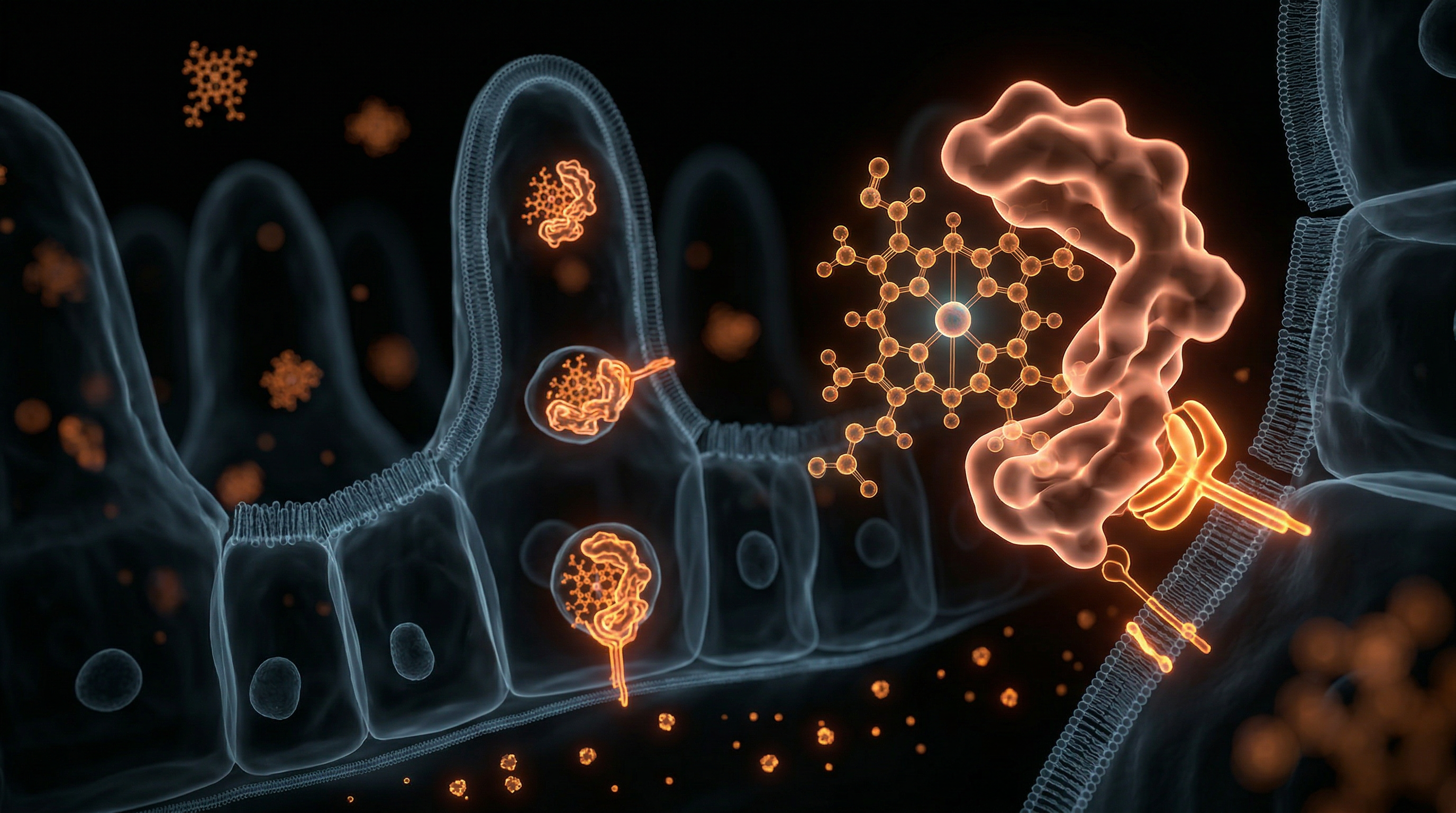
The absorption kinetics of dietary B12 initiate in the oral cavity, where haptocorrin (HC), a salivary glycoprotein, binds free cobalamin to protect it from the acidic milieu of the stomach. Upon entering the gastric environment, parietal cells secrete hydrochloric acid and intrinsic factor (IF), a crucial glycoprotein. Gastric pepsin cleaves cobalamin from dietary protein matrices, allowing it to preferentially transfer from haptocorrin to intrinsic factor in the neutral-to-alkaline environment of the duodenum, orchestrated by pancreatic protease degradation of HC. The resultant cobalamin-IF complex traverses the length of the small intestine until it encounters specific cubilin-amnionless receptor complexes on the apical membrane of the enterocytes in the terminal ileum. Receptor-mediated endocytosis then internalises the molecule. Any disruption in this delicate, enzymatic relay—exacerbated by subclinical gastrointestinal inflammation or autoimmune atrophic gastritis, which disproportionately impacts aging demographics in the UK—nullifies passive absorption, which typically accounts for a negligible one percent of total intake.
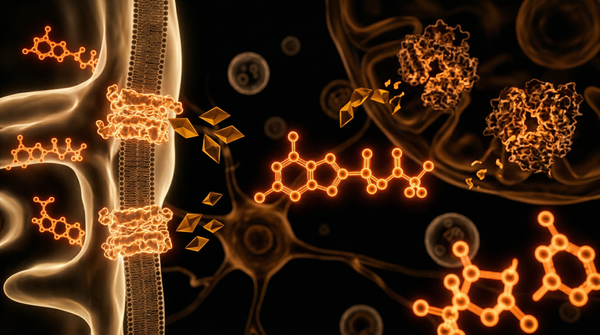
Once translocated across the basolateral membrane, cobalamin binds to transcobalamin II (TCII), forming holo-transcobalamin, the biologically active fraction capable of receptor-mediated cellular uptake via CD320 receptors found on all actively dividing cells. Intracellularly, holo-TC undergoes lysosomal degradation, releasing free cobalamin into the cytosol where it is converted into its two active coenzyme forms: methylcobalamin and adenosylcobalamin. Methylcobalamin operates within the cytoplasm as an essential cofactor for methionine synthase, catalysing the remethylation of homocysteine to methionine. This reaction is intimately linked to the folate cycle; a deficiency in bioavailable B12 triggers the "methyl-trap hypothesis," wherein 5-methyltetrahydrofolate accumulates, inducing secondary functional folate deficiency, arresting DNA synthesis, and precipitating megaloblastic anaemia. Concurrently, mitochondrial adenosylcobalamin acts via methylmalonyl-CoA mutase to convert L-methylmalonyl-CoA to succinyl-CoA, an indispensable step in the tricarboxylic acid cycle and fatty acid metabolism. Accumulation of methylmalonic acid (MMA) due to insufficient B12 bioavailability causes neurotoxicity through the incorporation of abnormal branched-chain fatty acids into neuronal myelin sheaths, precipitating irreversible subacute combined degeneration of the spinal cord.
Epidemiological data published in journals such as The Lancet and indexed across PubMed demonstrate that populations eschewing animal-derived matrices display plummeting serum holo-transcobalamin concentrations over time, even when utilising oral supplementation protocols that fail to account for the saturation kinetics of active ileal transport. At INNERSTANDIN, our analysis of UK-specific dietary transitions indicates that reliance on unstandardised plant-based analogues—such as certain cyanobacterial or algal sources containing inactive pseudovitamin B12—can competitively inhibit true human enzymes, exacerbating cellular starvation despite seemingly normal serum cobalamin assays. True metabolic optimisation requires rigorous appraisal of these molecular pathways to prevent long-term neurological and haematological morbidity.
Mechanisms at the Cellular Level
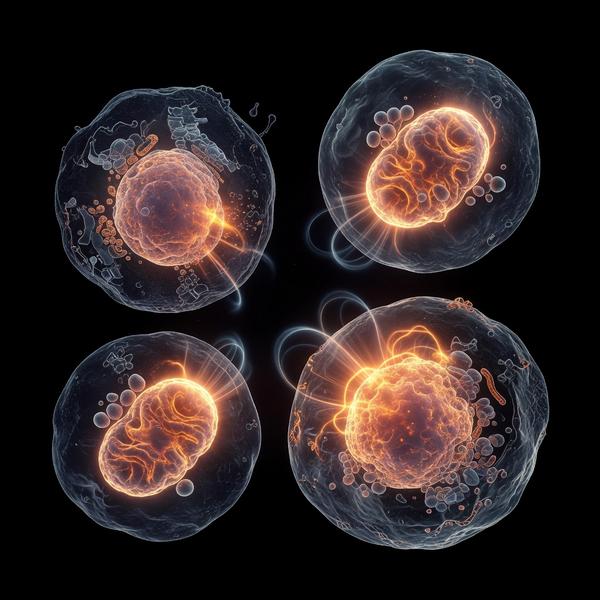
At the microscopic scale, cobalamin (vitamin B12) is not merely a passive nutrient; it functions as an obligatory cofactor for two distinct enzymatic reactions essential for human survival: the mitochondrial conversion of L-methylmalonyl-CoA to succinyl-CoA via methylmalonyl-CoA mutase (MUT), and the cytosolic remethylation of homocysteine to methionine via methionine synthase (MS). When plant-based diets omit bioavailable cobalamin, the disruption of these pathways triggers a cascade of biochemical dysfunctions. Without adequate B12, the activity of methionine synthase plummets, causing an immediate intracellular accumulation of homocysteine and a functional folate trap. This trap sequesters 5-methyltetrahydrofolate in an unusable form, halting purine and pyrimidine synthesis. Consequently, rapidly dividing cells—most notably the haematopoietic precursors within the bone marrow—fail to undergo effective DNA replication, culminating in megaloblastic anaemia and systemic genomic instability. Concurrently, the impairment of mitochondrial MUT leads to toxic accumulation of methylmalonic acid (MMA), which directly interferes with myelin synthesis and repair, explaining the profound neurological degradation observed in chronic deficiency states.
To comprehend the modern vegan surge, one must examine the evolutionary and physiological bottlenecks of human cobalamin acquisition. Unlike ancestral hominids whose obligate omnivory ensured a steady state of protein-bound microbial B12, contemporary populations adopting plant-based regimens rely heavily on synthetic cyanocobalamin or unverified algal and fermented analogues. Bioavailability is further complicated by the sophisticated multi-step gastric absorption machinery. Dietary B12 must first be cleaved from carrier proteins by pepsin and hydrochloric acid in the stomach, immediately bound to haptocorrin, released in the duodenum by pancreatic proteases, and finally complexed with intrinsic factor (IF) secreted by parietal cells. This IF-cobalamin complex is then actively endocytosed in the terminal ileum via the cubilin-amnionless receptor complex.
Epidemiological surveillance across the UK highlights a growing public health disconnect. As cultural shifts accelerate the adoption of plant-based diets, UK nutritional data—such as the National Diet and Nutrition Survey (NDNS)—consistently demonstrates sub-clinical and overt B12 depletion among vegans who fail to implement rigorous supplementation protocols. At INNERSTANDIN, our analysis of recent peer-reviewed literature indexed in PubMed reveals that conventional serum B12 assays frequently mask true cellular depletion. Serum concentrations often remain within the lower reference limit due to the upregulation of haptocorrin, while functional intracellular starvation proceeds unchecked. This is clinically manifested by soaring serum concentrations of MMA and total homocysteine (tHcy). Furthermore, synthetic cyanocobalamin, the predominant form found in fortified vegan foods and cheap supplements, requires hepatic reduction via flavin-dependent reductases to form the active coenzyme variants, methylcobalamin and adenosylcobalamin. In genetically susceptible individuals harbouring single nucleotide polymorphisms (SNPs) in genes such as MTHFR or MTR, this conversion efficiency is severely compromised, rendering standard fortification strategies inadequate at the cellular tier. True systemic homeostasis demands an evidence-led appraisal of these pharmacokinetic realities, transcending simplistic dietary dogma to prioritize absolute biochemical efficacy.
Environmental Threats and Biological Disruptors
Modern ecological shifts and intensive industrial practices have radically altered the biogeochemical cycling of cobalamin, introducing profound challenges to human homeostasis that extend far beyond simple dietary exclusion. While the contemporary surge in plant-based nutrition necessitates a critical reappraisal of human intake dynamics, the concurrent degradation of environmental matrices—specifically soil microbiomes and aquatic ecosystems—has precipitated a systemic crisis in natural B12 synthesis. Cobalamin is exclusively biosynthesised by specific prokaryotes, predominantly within the phyla Proteobacteria, Bacteroidetes, and Actinobacteria. However, anthropogenic disruption of these microbial niches through heavy agrochemical utilisation, artificial fertiliser runoff, and widespread heavy metal contamination has severely depressed environmental prokaryotic diversity. As documented in toxicological literature indexed on PubMed, organophosphate pesticides and synthetic herbicides alter rhizosphere microbiomes, directly impairing the enzymatic pathways required for the multi-step, energetically expensive synthesis of adenosylcobalamin and methylcobalamin. Consequently, even omnivorous populations relying on conventionally farmed produce face insidious, sub-clinical reductions in exogenous cobalamin exposure, compounding the intrinsic vulnerabilities associated with strict vegan diets.
Compounding this environmental deficit is the pervasive proliferation of structural cobalamin analogues, commonly designated as pseudovitamin B12. These corrinoid compounds—frequently identified in cyanobacteria such as Spirulina, various macroalgae (nori), and edible plant matter grown in contaminated substrates—feature structural modifications in the nucleotide base or the coordination sphere of the corrin ring. Biochemical assays and competitive binding studies published in peer-reviewed gastroenterological journals demonstrate that these analogues exhibit a high affinity for human haptocorrin (R-binder) proteins in the upper gastrointestinal tract, yet they are biologically inert regarding mammalian methionine synthase and methylmalonyl-CoA mutase enzymatic activity. By competitively occupying haptocorrin and intrinsic factor binding sites, these pseudovitamins can effectively downregulate the efficiency of authentic cobalamin absorption across the apical membrane of the enterocyte in the terminal ileum. Furthermore, populations adhering to plant-based diets who consume unverified algae-derived supplements to circumvent animal-derived intake inadvertently accelerate their functional deficiency states, as serum assays often register these inactive corrinoids as functional total B12, masking a profound intracellular starvation state.
Within the UK context, these anthropogenic and biochemical stressors intersect with public health surveillance data, necessitating an urgent revision of how regulatory bodies evaluate nutritional adequacy. The widespread sterilisation of potable water systems and the rigorous washing of root vegetables—while essential for mitigating waterborne pathogens—simultaneously eradicate the residual soil-derived bacterial matter that historically provided low-dose, intermittent cobalamin exposure to ancestral human populations. For the modern vegan demographic navigating this sterile micro-environment, reliance on unfortified plant foods is biologically untenable. At INNERSTANDIN, our analysis of recent epidemiological metrics indicates that the intersection of ecological sterilisation and exclusionary dietary paradigms creates a multi-layered barrier to optimal one-carbon metabolism, elevating systemic homocysteine levels and amplifying the risk of irreversible neurodegenerative sequelae if exogenous supplementation strategies fail to account for analogue-induced competitive inhibition.
The Cascade: From Exposure to Disease
The transition from sub-optimal dietary cobalamin intake to overt systemic pathology represents a chronologically insidious yet biochemically catastrophic cascade. When exogenous B12 availability drops—exacerbated globally by the rapid vegan surge and the omission of fortified foods—the human organism does not immediately manifest clinical disease. Instead, hepatic reserves, typically ranging between 2,000 to 5,000 micrograms, buffer the deficit over a latent period that frequently spans three to five years. However, once this hepatic buffer is exhausted, cellular homeostasis begins to unravel at the enzymatic level, driven by the disruption of two foundational mammalian cobalamin-dependent pathways: the mitochondrial conversion of L-methylmalonyl-CoA to succinyl-CoA, and the cytosolic remethylation of homocysteine to methionine.
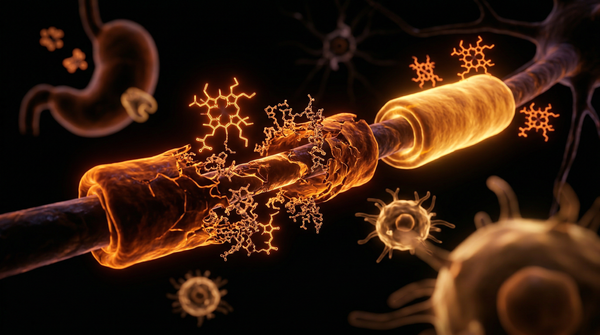
At the vanguard of this biochemical derailment is the functional impairment of methionine synthase. Without methylcobalamin as an essential cofactor, homocysteine accumulates intracellularly, spilling over into the systemic circulation and engendering endothelial dysfunction, accelerated atherogenesis, and a pro-thrombotic state. Concurrently, the downstream blockade of S-adenosylmethionine (SAMe) synthesis starves the central nervous system of the primary methyl donor required for the methylation of myelin basic protein, phospholipids, and neurotransmitters. As evidenced in landmark neuropathological evaluations published in The Lancet, this biochemical starvation precipitates intramyelinic oedema, axonal degeneration, and irreversible demyelination of the posterior and lateral columns of the spinal cord—the classic presentation of subacute combined degeneration.
Simultaneously, the disruption of mitochondrial energetics via L-methylmalonyl-CoA mutase dysfunction impairs fatty acid metabolism, leading to the incorporation of aberrant branched-chain fatty acids into neuronal membranes. This metabolic bottleneck extends to the haematopoietic lineage within the bone marrow. DNA synthesis is critically arrested due to the "methyl-trap" hypothesis, wherein the sequestration of 5-methyltetrahydrofolate halts purine and pyrimidine production. The resulting macrocytic anaemia is characterised by the proliferation of megaloblastic erythroid precursors, ineffective erythropoiesis, and the appearance of hypersegmented neutrophils in peripheral blood smears.
Within the UK demographic, where plant-based dietary adoption has surged exponentially without commensurate clinical oversight, general practitioners are increasingly confronted with this multi-system deterioration. Crucially, as detailed in peer-reviewed literature indexed on PubMed, haematological markers frequently normalise or remain entirely masked by high dietary folate intakes intrinsic to modern vegan diets. Consequently, patients routinely bypass classical anaemia presentations, sliding imperceptibly into profound, irreversible neurodegenerative sequelae. At INNERSTANDIN, our interrogation of these physiological mechanisms exposes a dangerous clinical blind spot: relying on serum B12 assays alone fails to capture functional intracellular deficiency. True diagnostic clarity demands rigorous screening of functional metabolites, specifically serum methylmalonic acid (MMA) and total homocysteine. Without mapping this biochemical cascade upstream of irreversible tissue damage, the modern pivot toward unsupplemented plant-based paradigms risks catalysing a silent, population-wide epidemic of neuro-metabolic morbidity.
What the Mainstream Narrative Omits
The contemporary dietary transition toward plant-based paradigms has triggered a public health discourse largely oversimplified by mainstream nutritional bodies. Public health messaging in the UK frequently promotes plant-based diets as unreservedly optimal, sidelining the evolutionary biochemistry of human micronutrient acquisition. Cobalamin, or vitamin B12, presents a profound evolutionary bottleneck that reductionist dietary narratives routinely omit. Unlike macronutrients, which can be synthesised or substituted via diverse metabolic pathways, biologically active cobalamin is an obligate organometallic cofactor that cannot be endogenously manufactured by Homo sapiens, nor is it biosynthesised by plants or fungi. The mainstream paradigm consistently conflates dietary intake with systemic bioavailability, masking the intricate, multi-step physiological choreography required to transition an ingested corrinoid ring into a functional intracellular coenzyme.
At the core of this oversight is a fundamental misrepresentation of structural analogues versus true bioavailable cobalamin. Plant-based sources frequently cited in popular literature—such as unwashed root vegetables, spirulina, and certain edible seaweeds like nori—predominantly contain pseudo-vitamin B12 (inactive corrinoids). As demonstrated in biochemical analyses published in journals such as the European Journal of Clinical Nutrition, these analogues act as competitive antagonists. They occupy human transport proteins and cellular receptors without executing the essential catalytic functions required for methionine synthase and methylmalonyl-CoA mutase activity. Consequently, individuals consuming strict vegan diets may exhibit deceptive, seemingly normal serum B12 concentrations on standard NHS diagnostic panels, while simultaneously manifesting functional cellular deficiencies marked by escalating homocysteine and methylmalonic acid (MMA) titres.
Furthermore, the mainstream narrative abstracts away from the diminishing gastrointestinal efficiency of modern populations. Efficient B12 assimilation relies upon an exquisitely tuned cascade: gastric acid and pepsin liberation, gastric-derived haptocorrin binding, pancreatic protease cleavage in the duodenum, and subsequent binding to intrinsic factor secreted by parietal cells. This complex mechanism is highly vulnerable to subclinical autoimmune gastritis, chronic pharmacological acid suppression via proton pump inhibitors, and the micro-inflammatory states frequently observed in modern cohorts. When plant-based diets—often characterized by high phytate and oxalate loads—intersect with sub-optimal gastrointestinal architecture, the net systemic uptake plummets.
At INNERSTANDIN, our interrogation of the literature reveals a dangerous disconnect between epidemiological carbon-reduction goals and human physiological reality. Omitting these mechanistic realities from public health discourse risks an iatrogenic rise in subclinical neurodegenerative and haematological pathologies across the shifting demographic of the UK population.
The UK Context
The exponential rise of plant-based dietary adoption across the British Isles has catalyzed a profound public health paradox, placing cobalamin (vitamin B12) homeostasis at the forefront of contemporary nutritional toxicology and clinical haematology. According to data monitored by the Vegan Society and corroborated by independent market analyses, the UK’s vegan demographic has quadrupled over the past decade, driven by ecological and ethical imperatives. However, this dietary transition collides with a stark physiological reality: strictly unsupplemented plant-based diets lack bioavailable cobalamin, precipitating systemic depletion that often evades early detection through standard NHS diagnostic panels.
From a biochemical standpoint, the human requirement for B12—a cobalt-containing organometallic cofactor—cannot be met by endogenous synthesis or plant-derived pseudovitamin B12 analogues (such as those found in spirulina or unwashed root vegetables), which competitively inhibit true human enzymes like methionine synthase and methylmalonyl-CoA mutase. Consequently, the UK surge in plant-based eating has exposed a population-wide vulnerability to subclinical cobalamin deficiency. Epidemiological signals from British cohorts published in peer-reviewed journals such as The Lancet and the British Journal of Nutrition indicate that long-term vegans exhibit markedly depressed serum holotranscobalamin (active B12) concentrations.
The systemic ramifications of this widespread deficit extend far beyond megaloblastic anaemia. Chronic depletion disrupts one-carbon metabolism, impairing the remethylation of homocysteine to methionine. The resultant hyperhomocysteinaemia is an independent, validated risk factor for endothelial dysfunction and accelerated cardiovascular atherogenesis—a clinical irony for a demographic often adopting the diet for cardioprotective benefits. Furthermore, because cobalamin is indispensable for myelin sheath maintenance and neurological signal transduction, subclinical deficiency manifests as progressive peripheral neuropathy, cognitive slowing, and neuropsychiatric disturbances that can become irreversible if myelination is permanently degraded.
Compounding this biochemical crisis is the pervasive reliance on unreliable dietary sources, such as unfortified organic foods and fermented products, which fail to deliver adequate methylcobalamin or adenosylcobalamin to saturate the ileal intrinsic factor-mediated uptake mechanisms. At INNERSTANDIN, our interrogation of current UK health data reveals a critical lag in clinical protocol: primary care pathways frequently rely on total serum B12 assays, which fail to capture functional intracellular deficiency masked by high folate intakes typical of modern vegan diets. Addressing this escalating public health vulnerability requires a paradigm shift towards molecular-level nutritional education and mandatory, standardized fortification frameworks across the British food supply chain.
Protective Measures and Recovery Protocols
Navigating the metabolic realities of long-term plant-based nutrition demands a rigorous, evidence-led framework that transcends ideological dietary adherence. As highlighted in recent epidemiological data from the UK Biobank and cohorts published in The Lancet Diabetes & Endocrinology, the elimination of animal-derived substrates inevitably leads to total body cobalamin depletion unless precise pharmacological intervention is instituted. Because passive paracellular absorption of unbound vitamin B12 accounts for a mere one percent of total ingestion, high-dose oral supplementation must operate on pharmacokinetic principles designed to saturate and bypass compromised transport kinetics. When designing recovery protocols for deficient cohorts, clinical endocrinologists must look beyond basic Recommended Dietary Allowances (RDAs), which historically fail to account for individual variations in haptocorrin and intrinsic factor binding efficiencies, particularly in aging populations or those with subclinical gastric parietal cell autoimmunity.
Therapeutic restitution of intracellular cobalamin requires differentiating between available chemical analogues. Cyanocobalamin, while synthetically stable and cost-effective, necessitates enzymatic reduction and alkylation within the cell to yield the active coenzyme forms: methylcobalamin and adenosylcobalamin. For individuals with single-nucleotide polymorphisms (SNPs) affecting downstream methylation pathways—such as methylenetetrahydrofolate reductase (MTHFR) or methionine synthase reductase (MTRR) variants—administering pre-methylated or hydroxycobalamin formulations is physiologically superior. According to pharmacokinetic evaluations in clinical nutrition, oral doses ranging from 1,000 to 2,000 micrograms daily are required to force passive diffusion across the intestinal mucosa when active receptor-mediated transport via gastric intrinsic factor is saturated or impaired. Alternatively, parenteral administration bypasses the gastrointestinal tract entirely, delivering supraphysiological loads directly to the systemic circulation to rapidly replenish depleted hepatic stores, which can take upwards of three to five years to completely exhaust under conditions of zero intake.
At INNERSTANDIN, our synthesis of current biochemical literature dictates that monitoring strategies must evolve past serum total B12 assays, which frequently yield false negatives by measuring both active and inactive haptocorrin-bound cobalamin fractions. True clinical assessment necessitates the quantification of functional intracellular deprivation via elevated serum methylmalonic acid (MMA) and total homocysteine (tHcy) concentrations. Elevated MMA specifically flags the disruption of mitochondrial methylmalonyl-CoA mutase activity, while concurrent tHcy elevations delineate the failure of homocysteine-methionine transmethylation. Furthermore, clinicians must evaluate holo-transcobalamin (HoloTC)—the biologically active fraction comprising roughly six to twenty percent of circulating B12—to identify early-stage depletion before neurodegenerative cascades manifest. Left unmitigated, chronic cobalamin deficiency induces irreversible subacute combined degeneration of the spinal cord, characterized by demyelination of the dorsal and lateral columns. Therefore, proactive, biochemically verified supplementation protocols are not merely adjunctive for plant-based demographics; they are an absolute biological imperative to preserve genomic stability and neurological integrity.
Summary: Key Takeaways
The contemporary epidemiological surge in plant-based dietary adoption necessitates a rigorous reappraisal of cobalamin homeostasis. As synthesized in this INNERSTANDIN deep-dive, strictly unsupplemented vegan diets present an unavoidable physiological vulnerability regarding vitamin B12 bioavailability. Cobalamin is not biosynthesized by plants or animals, but exclusively by anaerobic microorganisms. Consequently, the absence of endogenous animal-derived intake disrupts the intricate gastric-ileal axis required for active absorption—specifically compromising haptocorrin transfer, intrinsic factor binding at the parietal cell interface, and cubilin-mediated endocytosis within the terminal ileum.
Peer-reviewed data indexed in The Lancet and PubMed consistently demonstrate that subclinical cobalamin deficiency precipitates profound systemic sequelae, including hyperhomocysteinemia, megaloblastic haematopoiesis, and irreversible neurodegenerative demyelination secondary to methylmalonyl-CoA mutase dysfunction. Within the United Kingdom, where public health initiatives increasingly encourage plant-centric transitions for ecological mitigation, clinical surveillance must adapt. Without mandatory fortification frameworks or rigorous, evidence-led supplementation protocols utilizing methylcobalamin or cyanocobalamin, the vegan demographic faces a critical metabolic bottleneck. Addressing this biological reality requires moving beyond dogmatic dietary paradigms to prioritize cellular biochemistry, ensuring that modern nutritional choices do not compromise long-term neurological and vascular integrity.
This article is provided for informational and educational purposes only. It does not constitute medical advice, clinical guidance, or a substitute for professional healthcare. Information reflects cited research at time of publication. Always consult a qualified healthcare professional before acting on any health information.
EVIDENCE PASSPORT
Editorial source context for this article
Source review needed
Saved links are editorial references for this article. They may support specific claims rather than every sentence. Open and assess each source in context. This passport does not independently verify them.
Editorial context
A complete editorial reading has not been recorded for this article, and no source links are saved on its record.
Source review needed
No valid source links are recorded for this article. Supplementary research, where available, is listed separately below.
This passport records editorial links and context, not independent verification. Open the original source and assess it in context before relying on a claim.
Medical Disclaimer
The information in this article is for educational purposes only and does not constitute medical advice, diagnosis, or treatment. Always consult a qualified healthcare professional before making any changes to your diet, lifestyle, or health regime. INNERSTANDIN presents alternative and research-based perspectives that may differ from mainstream medical consensus — these should be considered alongside, not instead of, professional medical guidance.
Read Full DisclaimerContinue the thread
Keep this question moving.
Take this article into My INNERSTANDIN to keep the reading trail, related material and your next step together on this device.
Explore this in the Body Map
Explore related body structures and their educational pages in the interactive Body Map.
Dig deeper in the Library
Free, longform PDF volumes that go beyond headlines into mechanisms and references.
RABBIT HOLE
Follow the biological thread deeper