
Beyond Biomechanics: Unmasking the Autoimmune and Inflammatory Drivers of Chronic Plantar Fasciitis
Discuss this resourceUpdated August 2026
While traditional podiatry often focuses on arch support and gait, chronic plantar fasciitis is frequently a localized manifestation of systemic inflammation and autoimmune activity. This article explores how metabolic health, gut permeability, and immune triggers dictate long-term heel pain.
Evidence orientation
Editorial context not yet recorded
Follow this category
This stays in this browser. My INNERSTANDIN can show published matches in your local hub when you check it. It does not send email, push, or alert notifications.
Local learning review
A private browser aid for revisiting ideas. It is not an alert or a health recommendation.
Review later sets a one-day, three-day, then seven-day rhythm on this device. Choose it only when you want to revisit this article.
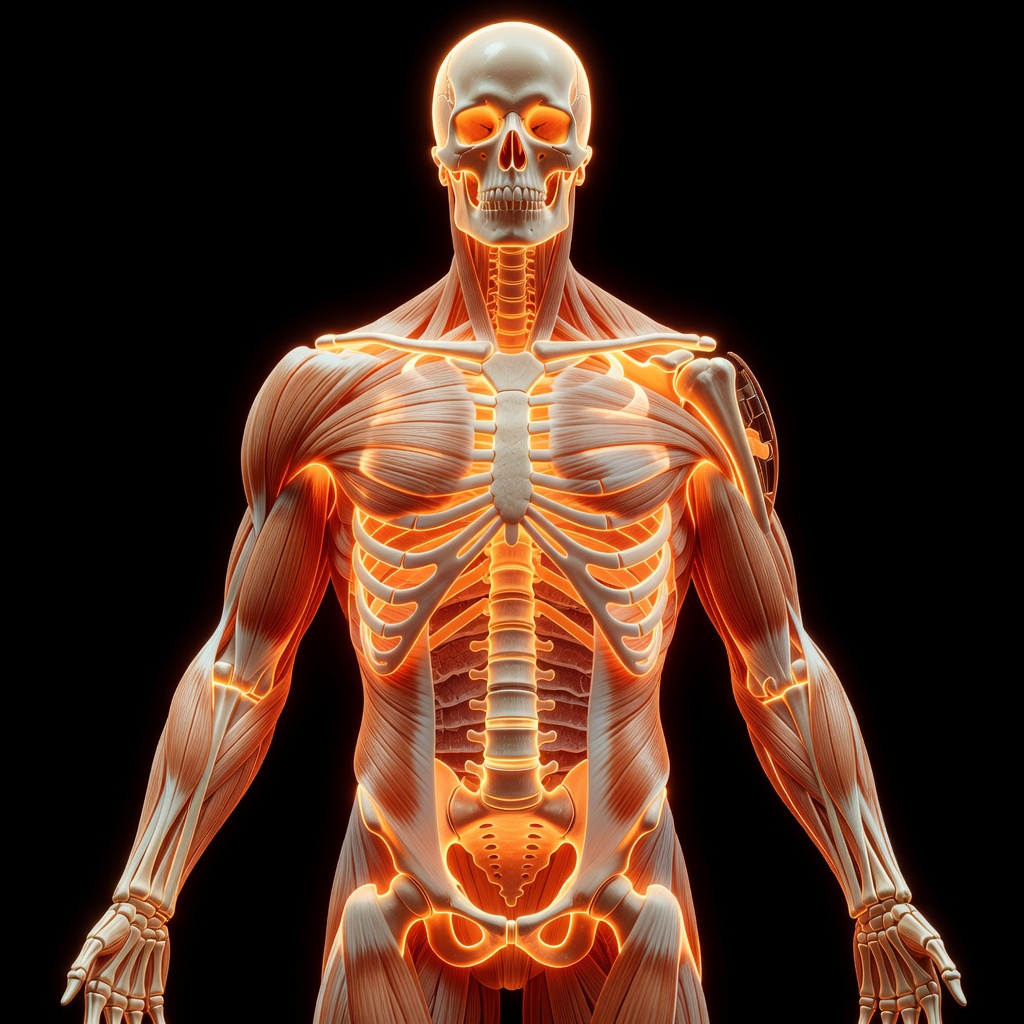
The Flaw in the Mechanical Model. For decades, the orthopaedic paradigm has viewed plantar fasciitis (PF) strictly through the lens of physics: tight calves, fallen arches, and repetitive micro-trauma. While biomechanics play a role in loading, thousands of patients utilize custom orthotics and physical therapy with zero clinical improvement. Why? Because the pathology is often not merely wear and tear; it is a manifestation of systemic 'inflammaging' and immune dysregulation. ## The Immune Connection.
Chronic PF can serve as a canary in the coal mine for autoimmune conditions. Conditions like Psoriatic Arthritis, Ankylosing Spondylitis, and Rheumatoid Arthritis often present with enthesitis—inflammation at the site where tendons and ligaments attach to bone. The plantar fascia is a dense, high-collagen enthesis. When the body is in a pro-inflammatory state, circulating cytokines target these attachment points. If you have been treating your feet as a mechanical problem when they are actually an immunological one, you have been fighting the wrong battle. ## The Gut-Fascia Axis.
Emerging research highlights the gut-barrier integrity as a precursor to peripheral joint pain. Increased intestinal permeability, or 'leaky gut,' allows lipopolysaccharides (LPS) from gut bacteria to enter the bloodstream. This triggers a low-grade systemic inflammatory response, which the immune system often localizes in areas of previous physical stress—like the heel. By addressing dietary triggers such as lectins, refined sugars, and inflammatory seed oils, many patients experience a reduction in fascia sensitivity that orthotics could never provide. ## Metabolic Drivers. Insulin resistance is another silent partner in chronic tissue degeneration.
High blood glucose levels lead to the formation of Advanced Glycation End-products (AGEs). These molecules cross-link collagen, causing the plantar fascia to lose its elasticity and resilience. This metabolic hardening makes the tissue brittle and prone to micro-tearing under normal daily loads. To heal, one must look toward metabolic flexibility, blood sugar regulation, and insulin sensitivity. ## Moving Forward: A Systemic Protocol. To resolve chronic PF, we must pivot from management to resolution. 1.
Identify systemic triggers: Screen for HLA-B27 markers or C-reactive protein (CRP) levels if pain is bilateral or nocturnal. 2. Nutritional intervention: Implement an anti-inflammatory protocol, emphasizing omega-3 fatty acids and phytonutrients to quench reactive oxygen species. 3. Assess the 'load vs. tolerance' ratio: Understand that your tolerance for physical load is determined by your internal chemical environment, not just your shoe choice. At INNERSTANDING, we advocate for a return to root-cause thinking. Your feet are not broken; they are signaling a systemic demand for balance.
This article is provided for informational and educational purposes only. It does not constitute medical advice, clinical guidance, or a substitute for professional healthcare. Information reflects cited research at time of publication. Always consult a qualified healthcare professional before acting on any health information.
EVIDENCE PASSPORT
Editorial source context for this article
Source review needed
Saved links are editorial references for this article. They may support specific claims rather than every sentence. Open and assess each source in context. This passport does not independently verify them.
Editorial context
A complete editorial reading has not been recorded for this article, and no source links are saved on its record.
Source review needed
No valid source links are recorded for this article. Supplementary research, where available, is listed separately below.
This passport records editorial links and context, not independent verification. Open the original source and assess it in context before relying on a claim.
Medical Disclaimer
The information in this article is for educational purposes only and does not constitute medical advice, diagnosis, or treatment. Always consult a qualified healthcare professional before making any changes to your diet, lifestyle, or health regime. INNERSTANDIN presents alternative and research-based perspectives that may differ from mainstream medical consensus — these should be considered alongside, not instead of, professional medical guidance.
Read Full DisclaimerContinue the thread
Keep this question moving.
Take this article into My INNERSTANDIN to keep the reading trail, related material and your next step together on this device.
Explore this in the Body Map
Explore related body structures and their educational pages in the interactive Body Map.
Dig deeper in the Library
Free, longform PDF volumes that go beyond headlines into mechanisms and references.