
Beyond Calories: Mechanistic Insights into Artificial Sweetener-Induced Glucose Intolerance
Discuss this resourceUpdated August 2026
An in-depth exploration of how non-nutritive sweeteners disrupt metabolic homeostasis, alter the gut microbiome, and trigger insulin resistance independently of caloric intake.
Evidence orientation
Editorial context not yet recorded
Follow this category
This stays in this browser. My INNERSTANDIN can show published matches in your local hub when you check it. It does not send email, push, or alert notifications.
Local learning review
A private browser aid for revisiting ideas. It is not an alert or a health recommendation.
Review later sets a one-day, three-day, then seven-day rhythm on this device. Choose it only when you want to revisit this article.
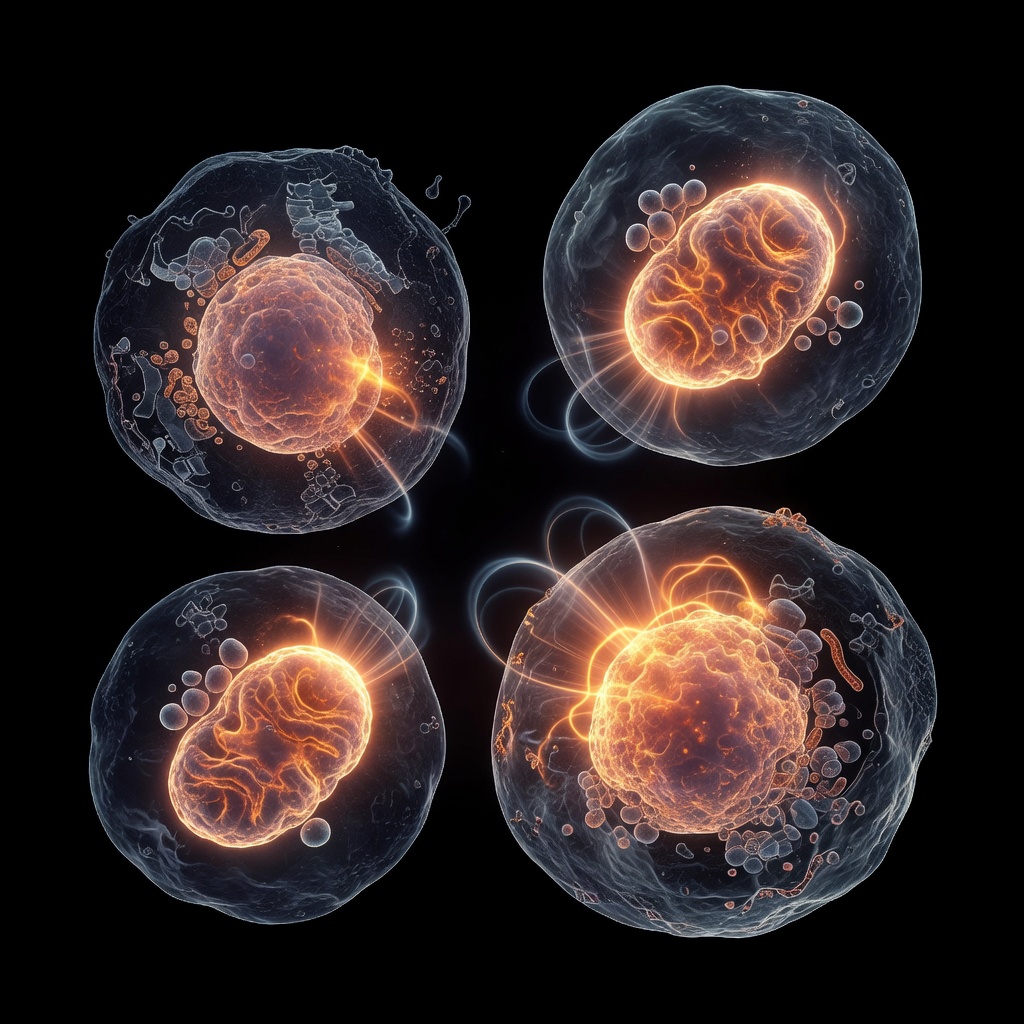
For decades, the obesity epidemic has been framed primarily through the lens of "calories in, calories out." This reductionist model led to the mass adoption of non-nutritive sweeteners (NNS) like aspartame, sucralose, and saccharin as metabolic panaceas. However, contemporary research suggests that these chemicals are far from inert. Instead, they appear to fundamentally disrupt the metabolic architecture of the host.
The Cephalic Phase Insulin Response
One of the primary mechanisms through which NNS induce glucose intolerance is the deception of the cephalic phase of digestion. When the tongue's sweet taste receptors detect an intense sweetness, the brain anticipates a surge of glucose. This triggers a conditioned response where the pancreas releases insulin in anticipation of blood sugar rising. When no glucose arrives, this "insulin spike" occurs in a vacuum, over time desensitizing tissues to insulin signals and potentially promoting a state of hyperinsulinemia.
Microbiome Dysbiosis: The Microbial Link
The most compelling evidence for metabolic disruption lies in the gut. Recent studies have demonstrated that NNS such as saccharin and sucralose significantly alter the composition of the gut microbiota. By shifting the abundance of specific bacteria, these sweeteners induce a pro-inflammatory state. This microbial shift reduces the production of short-chain fatty acids (SCFAs), which are critical for maintaining gut barrier integrity. When this barrier is compromised—a condition known as "leaky gut"—bacterial endotoxins (lipopolysaccharides) enter the bloodstream, triggering systemic low-grade inflammation that directly impairs glucose uptake in muscle and adipose tissue.
Impairment of Incretin Signaling
NNS also interfere with the gut-brain axis by altering incretin secretion. Incretins like GLP-1 are hormones released by the gut in response to food, which stimulate insulin secretion and regulate satiety. Experimental data suggests that chronic exposure to artificial sweeteners blunts the natural GLP-1 response, effectively decoupling the gut’s ability to communicate metabolic status to the brain, leading to impaired glucose tolerance.
Conclusion: Redefining Metabolic Health
The assumption that artificial sweeteners are metabolically benign is increasingly unsupported by science. By disrupting the gut microbiome, hijacking cephalic signaling, and inducing chronic inflammation, these additives may contribute to the very metabolic disorders they were meant to treat. Moving beyond the calorie-counting paradigm requires us to view food additives as bioactive compounds capable of systemic physiological alteration.
This article is provided for informational and educational purposes only. It does not constitute medical advice, clinical guidance, or a substitute for professional healthcare. Information reflects cited research at time of publication. Always consult a qualified healthcare professional before acting on any health information.
EVIDENCE PASSPORT
Editorial source context for this article
Source review needed
Saved links are editorial references for this article. They may support specific claims rather than every sentence. Open and assess each source in context. This passport does not independently verify them.
Editorial context
A complete editorial reading has not been recorded for this article, and no source links are saved on its record.
Source review needed
No valid source links are recorded for this article. Supplementary research, where available, is listed separately below.
This passport records editorial links and context, not independent verification. Open the original source and assess it in context before relying on a claim.
Medical Disclaimer
The information in this article is for educational purposes only and does not constitute medical advice, diagnosis, or treatment. Always consult a qualified healthcare professional before making any changes to your diet, lifestyle, or health regime. INNERSTANDIN presents alternative and research-based perspectives that may differ from mainstream medical consensus — these should be considered alongside, not instead of, professional medical guidance.
Read Full DisclaimerContinue the thread
Keep this question moving.
Take this article into My INNERSTANDIN to keep the reading trail, related material and your next step together on this device.
Explore this in the Body Map
Explore related body structures and their educational pages in the interactive Body Map.
Dig deeper in the Library
Free, longform PDF volumes that go beyond headlines into mechanisms and references.