
Beyond Hydration: Understanding the Intricate Dance of Electrolytes in the British Body
Updated April 2026
Evidence orientation
Editorial context not yet recorded
Follow this category
This stays in this browser. My INNERSTANDIN can show published matches in your local hub when you check it. It does not send email, push, or alert notifications.
Local learning review
A private browser aid for revisiting ideas. It is not an alert or a health recommendation.
Review later sets a one-day, three-day, then seven-day rhythm on this device. Choose it only when you want to revisit this article.
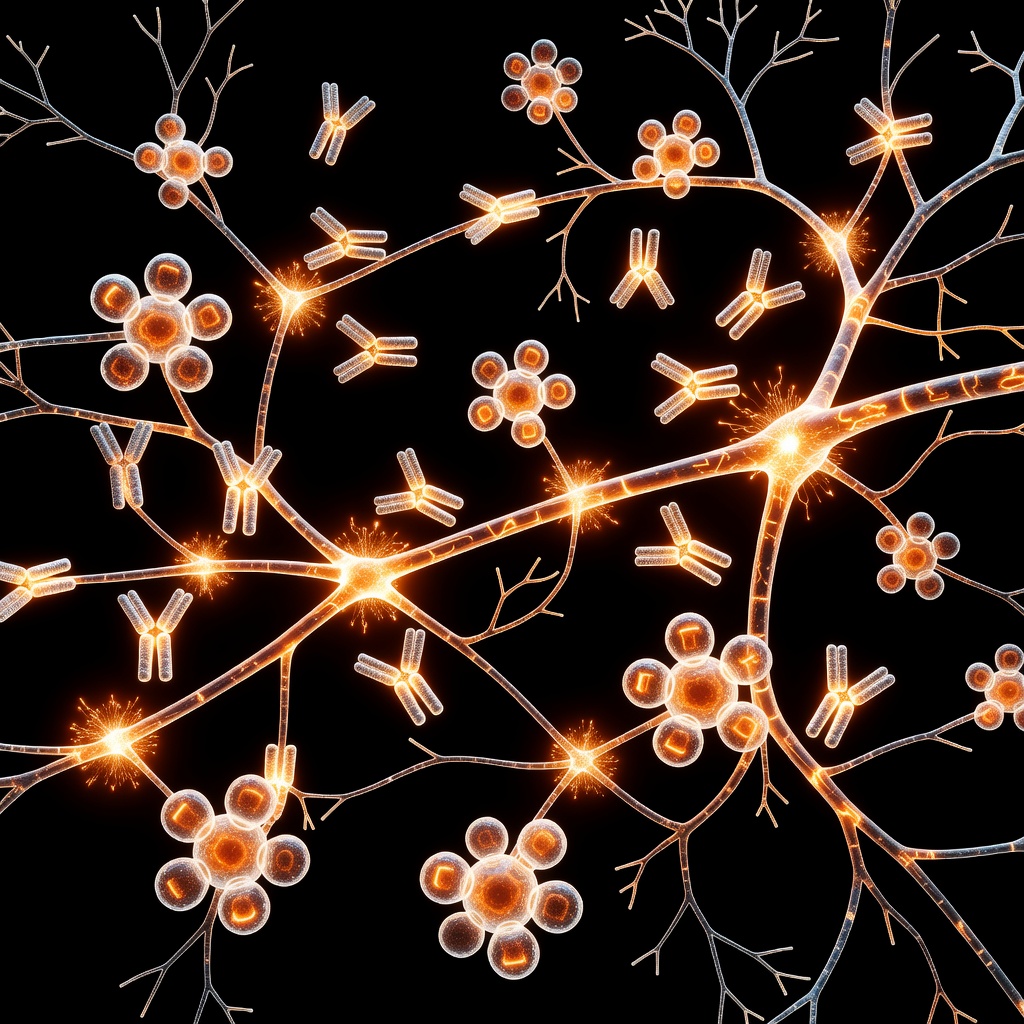
In the United Kingdom, we are a nation obsessed with "drinking enough water." From the ubiquitous reusable bottle at the office to the constant reminders to stay hydrated during our rare summer heatwaves, the message is singular: water is life. However, this simplified narrative misses a fundamental biological truth. Water, in its pure form, is biologically inert. For it to sustain life, it requires the "spark" of electrical conductivity.
This is the story of electrolytes—the mineral salts that carry an electrical charge and govern the most delicate processes of the human organism. For the British citizen, navigating a landscape of mineral-depleted soil, highly processed "convenience" foods, and varying regional water qualities, understanding the intricate dance between the kidneys and these ions is not just a matter of health; it is a matter of survival.
The Electrical Currency of Life
Electrolytes are not merely "nutrients" in the traditional sense; they are the conductors of the body’s bio-electrical system. When dissolved in the fluids of the body—blood, lymph, and intracellular fluid—these minerals break down into positive and negative ions. These ions are the drivers of muscle contraction, nerve impulses, and, most crucially, the regulation of fluid balance across cell membranes.
The primary players in this biological symphony include:
- Sodium (Na+): The primary extracellular cation, responsible for maintaining fluid volume and osmotic pressure.
- Potassium (K+): The primary intracellular cation, essential for heart rhythm and nerve transmission.
- Magnesium (Mg2+): A cofactor in over 300 enzymatic reactions, vital for ATP (energy) production and muscle relaxation.
- Calcium (Ca2+): Crucial for bone integrity, blood clotting, and neurotransmitter release.
- Chloride (Cl-): Works with sodium to maintain fluid balance and produces hydrochloric acid in the stomach.
- Phosphate (PO43-): Essential for pH buffering and cellular energy storage.
Truth-Bomb: You can drink four litres of water a day and still be cellularly dehydrated. Without the correct ratio of electrolytes, water cannot enter the cells and instead lingers in the extracellular space or is filtered out by the kidneys, often taking precious minerals with it.
The Renal Command Centre: How the Kidneys Orchestrate Balance
The kidneys are the unsung heroes of British health. These bean-shaped organs filter approximately 180 litres of blood every day, meticulously deciding which molecules to keep and which to discard. The functional unit of the kidney, the nephron, acts as a sophisticated biological gateway.
The regulation of electrolytes is primarily governed by the Renin-Angiotensin-Aldosterone System (RAAS). When the body detects low blood pressure or low sodium levels, the kidneys release an enzyme called renin. This triggers a cascade that results in the secretion of aldosterone from the adrenal glands. Aldosterone instructs the kidneys to reabsorb sodium and excrete potassium, thereby raising blood pressure and altering the electrical landscape of the blood.
This mechanism is a fine-tuned evolutionary marvel, but it is under constant assault from the modern environment. High-stress lifestyles, chronic caffeine consumption (a national British pastime), and excessive salt intake force the kidneys into a state of perpetual overdrive, eventually leading to reduced Glomerular Filtration Rate (GFR) and chronic renal fatigue.
The British Environmental Context: Why We Are "Mineral-Starved"
Why is the electrolyte balance of the modern Briton so precarious? We must look at the environmental root causes that have shifted over the last century.
1. The Great British Depletion (Soil Quality)
The nutritional profile of British produce has plummeted. Intensive farming practices have stripped the soil of essential minerals like magnesium and selenium. Even if you are eating your "five-a-day," you are likely consuming a fraction of the electrolytes that your grandparents did from the same volume of vegetables.
2. The Hard Water vs. Soft Water Divide
The UK has a fascinating geological divide. Residents in the South East often deal with "hard" water, rich in calcium carbonate and magnesium, while those in the North and Scotland typically have "soft" water. While hard water provides a modest mineral boost, many Britons use ion-exchange water softeners which replace these healthy minerals with sodium chloride, further skewing the body’s delicate sodium-potassium ratio.
3. The Industrialised Palate
The British diet is notoriously high in ultra-processed foods (UPFs). These products are engineered with excessive sodium for preservation and palatability, while being almost entirely devoid of potassium. This "Sodium-Potassium Gap" is a primary driver of hypertension and kidney stress in the UK.
Warning: Chronic electrolyte imbalance is a "silent" condition. The body will leach calcium from your bones and magnesium from your muscles to maintain blood pH and electrical conductivity, meaning your blood tests may look "normal" even as your cellular reserves are being bankrupt.
Key Takeaways: The Biological Reality
- Hydration is a mineral event, not just a water event.
- The Sodium-Potassium Pump is the engine of every cell; it requires a specific ratio (roughly 1:2) to function, yet most Britons consume a 3:1 ratio in favour of sodium.
- Magnesium deficiency is rampant in the UK, contributing to anxiety, insomnia, and muscle "twitches" that many dismiss as mere tiredness.
- The kidneys regulate blood pressure by managing electrolyte concentrations; hypertension is often a symptom of renal electrolyte mismanagement, not just "eating too much salt."
The Deception of "Pure" and Bottled Water
The rise of high-end bottled water and domestic reverse-osmosis filtration systems has created a new health paradox. While these systems successfully remove contaminants like chlorine, fluoride, and microplastics, they also create "empty" water.
Distilled or heavily filtered water is osmotic. When you drink it, it seeks to find a balance by pulling minerals out of your tissues to reach equilibrium. This is known as the "leaching effect." For the British urbanite relying solely on filtered water without re-mineralising it, each glass of water could ironically be depleting their mineral stores.
Furthermore, the microplastics found in 90% of bottled water brands act as endocrine disruptors. These chemicals can interfere with the hormonal signalling (like ADH—Antidiuretic Hormone) that tells the kidneys how much water to retain or release, further complicating the electrolyte dance.
Identifying the "Short-Circuit": Signs of Imbalance
Electrolyte imbalances do not always manifest as dramatic hospital emergencies. More often, they present as a "low-grade" malaise that Britons have become accustomed to.
- Brain Fog and Cognitive Lag: The brain is a bio-electrical organ. When sodium or potassium levels fluctuate, nerve signalling slows down, leading to that "mid-afternoon slump."
- The "Heavy Leg" Sensation: An imbalance in the extracellular fluid often leads to oedema (swelling), particularly in the ankles, a sign that the kidneys are struggling to manage sodium loads.
- Palpitations: Ectopic heartbeats or a fluttering sensation are frequently linked to potassium or magnesium fluctuations affecting the heart's electrical conduction system.
- Persistent Thirst: If you are thirsty despite drinking gallons of water, your cells are likely failing to "grab" the water due to a lack of solutes (electrolytes).
Restoring the Dance: A Roadmap for the British Body
To support kidney health and restore the electrical integrity of the body, we must move beyond the "eight glasses a day" mantra and focus on functional re-hydration.
1. Prioritise the "Big Three" from Whole Sources
Instead of relying on neon-coloured "sports drinks" filled with glucose and artificial dyes, seek electrolytes from ancestral sources.
- Potassium: Avocado, spinach, and the humble British potato (skin on).
- Magnesium: Pumpkin seeds, dark chocolate (85%+), and Epsom salt baths (magnesium sulphate is absorbed transdermally).
- Sodium: Switch from bleached table salt to unrefined Celtic sea salt or Himalayan salt, which contains a broad spectrum of trace minerals.
2. Structure Your Water
Add a pinch of unrefined salt and a squeeze of lemon to your morning water. The salt provides the necessary ions for transport, and the lemon provides citrate, which helps prevent the formation of kidney stones—a rising issue in the UK due to dehydration and high-oxalate diets.
3. Respect the Circadian Rhythm of the Kidneys
The kidneys have their own internal clock. They are most active during the day and should "rest" at night. Consuming large volumes of water late in the evening forces the kidneys to work when they should be regenerating, often leading to disrupted sleep and electrolyte flushing.
Truth-Bomb: The "Golden Rule" of hydration is not the volume of water consumed, but the bio-availability of the minerals within that water. If your urine is crystal clear, you aren't "hydrated"—you are likely flushing out your vital life-force.
Conclusion: Innerstanding the Flow
The health of the British nation is reflected in the health of its collective kidneys. As we face an era of increasing environmental stressors—from chemical runoff in our waterways to the "nutrient desert" of the modern supermarket—we must become the conscious architects of our own internal environment.
Understanding that electrolytes are the conductors of our biological electricity allows us to move from a state of passive "hydration" to active vitality. By respecting the renal system and providing the body with the mineral "spark" it requires, we ensure that the dance of electrolytes continues in harmony, supporting every heartbeat, every thought, and every breath.
True health is not found in the quantity of what we consume, but in the quality of the balance we maintain. It is time to look beyond the bottle and start understanding the flow.
This article is provided for informational and educational purposes only. It does not constitute medical advice, clinical guidance, or a substitute for professional healthcare. Information reflects cited research at time of publication. Always consult a qualified healthcare professional before acting on any health information.
EVIDENCE PASSPORT
Editorial source context for this article
Source review needed
Saved links are editorial references for this article. They may support specific claims rather than every sentence. Open and assess each source in context. This passport does not independently verify them.
Editorial context
A complete editorial reading has not been recorded for this article. Source links remain available for you to open and assess directly.
Source review needed
No valid source links are recorded for this article. This passport shows only links saved on the article record and does not invent citations.
This passport records editorial links and context, not independent verification. Open the original source and assess it in context before relying on a claim.
Medical Disclaimer
The information in this article is for educational purposes only and does not constitute medical advice, diagnosis, or treatment. Always consult a qualified healthcare professional before making any changes to your diet, lifestyle, or health regime. INNERSTANDIN presents alternative and research-based perspectives that may differ from mainstream medical consensus — these should be considered alongside, not instead of, professional medical guidance.
Read Full DisclaimerContinue the thread
Keep this question moving.
Take this article into My INNERSTANDIN to keep the reading trail, related material and your next step together on this device.
Explore this in the Body Map
See where this hits your biology. Interactive anatomy, threats, and protective protocols.