
Beyond NPK: The Biological Mechanism Linking British Soil Biodiversity Loss to Human Gut Microbiome Dysbiosis
Discuss this resourceUpdated August 2026
This article explores the critical, often overlooked connection between the degradation of British agricultural soils and the systemic decline in human gut health, moving beyond simple mineral counts to examine the complex microbial ecosystem.
Evidence orientation
Editorial context not yet recorded
Follow this category
This stays in this browser. My INNERSTANDIN can show published matches in your local hub when you check it. It does not send email, push, or alert notifications.
Local learning review
A private browser aid for revisiting ideas. It is not an alert or a health recommendation.
Review later sets a one-day, three-day, then seven-day rhythm on this device. Choose it only when you want to revisit this article.
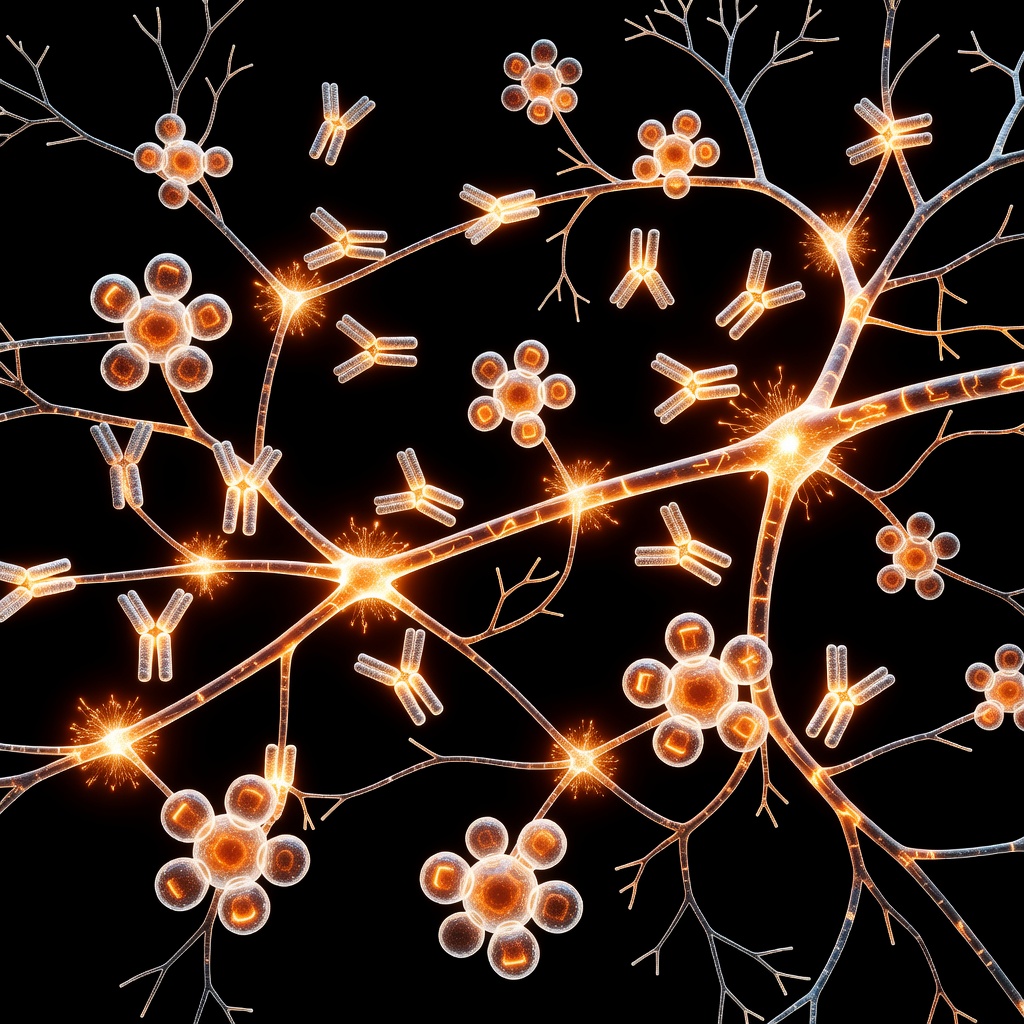
The Erosion of Our Foundation. In modern British agriculture, the focus has remained stubbornly fixed on NPK (Nitrogen, Phosphorus, and Potassium). While these macronutrients support plant biomass, they represent a reductionist view of soil health. By prioritizing synthetic inputs, we have inadvertently engaged in a large-scale sterilisation of our landscape. This ecological collapse has a direct, biological consequence: the disruption of the human gut microbiome. ### The Soil-Gut Axis.
The human gut microbiome is not an isolated system; it is an extension of the soil ecology we inhabit. Historically, humans maintained a 'microbial loop' through the consumption of food grown in biologically active soil. This soil contains humic substances, diverse bacteria, and fungal networks that interact with our digestive tract. When soils are depleted through tillage and chemical dependency, the microbial diversity of our food declines. Research indicates that low-diversity produce provides fewer stimuli for our immune systems, leading to a loss of microbial resilience. ### The Myth of Modern Nutrition.
Standard nutritional tables suggest our vegetables contain the same vitamins they did 50 years ago. However, these figures ignore the bio-accessibility of micronutrients facilitated by beneficial soil fungi, such as mycorrhizae. Without these symbiotic partners, plants cannot access trace minerals locked in soil matrices. Consequently, even if a vegetable is 'large,' it is often 'hollow' in terms of secondary metabolites and polyphenols—the very compounds that feed our commensal gut bacteria. ### The Dysbiosis Cascade. When we consume produce grown in sterilized, mineral-depleted soil, we are essentially starving our gut flora.
A lack of prebiotic fiber diversity leads to the thinning of the mucosal lining in the colon. This 'leaky gut' phenomenon allows systemic inflammation, which is now being linked to the rise of autoimmune conditions, metabolic syndrome, and mental health struggles across the UK. By ignoring the biological life beneath our feet, we are effectively starving our second brain. ### The Path to Restoration. Reversing this trend requires moving beyond NPK toward a regenerative framework. We must champion 'soil-to-gut' health by supporting British farmers who utilize cover cropping, no-till practices, and bio-stimulants that reintroduce microbial complexity.
We must advocate for policies that prioritize soil organic matter over synthetic yield maximization. The health of the British population is inextricably linked to the health of our rural landscapes. It is time we view the microbiome as a biological legacy that must be nurtured from the ground up.
This article is provided for informational and educational purposes only. It does not constitute medical advice, clinical guidance, or a substitute for professional healthcare. Information reflects cited research at time of publication. Always consult a qualified healthcare professional before acting on any health information.
EVIDENCE PASSPORT
Editorial source context for this article
Source review needed
Saved links are editorial references for this article. They may support specific claims rather than every sentence. Open and assess each source in context. This passport does not independently verify them.
Editorial context
A complete editorial reading has not been recorded for this article, and no source links are saved on its record.
Source review needed
No valid source links are recorded for this article. Supplementary research, where available, is listed separately below.
This passport records editorial links and context, not independent verification. Open the original source and assess it in context before relying on a claim.
Medical Disclaimer
The information in this article is for educational purposes only and does not constitute medical advice, diagnosis, or treatment. Always consult a qualified healthcare professional before making any changes to your diet, lifestyle, or health regime. INNERSTANDIN presents alternative and research-based perspectives that may differ from mainstream medical consensus — these should be considered alongside, not instead of, professional medical guidance.
Read Full DisclaimerContinue the thread
Keep this question moving.
Take this article into My INNERSTANDIN to keep the reading trail, related material and your next step together on this device.
Explore this in the Body Map
Explore related body structures and their educational pages in the interactive Body Map.
Dig deeper in the Library
Free, longform PDF volumes that go beyond headlines into mechanisms and references.