
Beyond the Appendectomy: Evaluating Long-Term Systemic Immune Dysregulation
Discuss this resourceUpdated August 2026
This article explores the often-overlooked immunological role of the appendix, questioning whether its removal contributes to long-term systemic immune instability and the potential disruption of gut microbiome homeostasis.
Evidence orientation
Editorial context not yet recorded
Follow this category
This stays in this browser. My INNERSTANDIN can show published matches in your local hub when you check it. It does not send email, push, or alert notifications.
Local learning review
A private browser aid for revisiting ideas. It is not an alert or a health recommendation.
Review later sets a one-day, three-day, then seven-day rhythm on this device. Choose it only when you want to revisit this article.
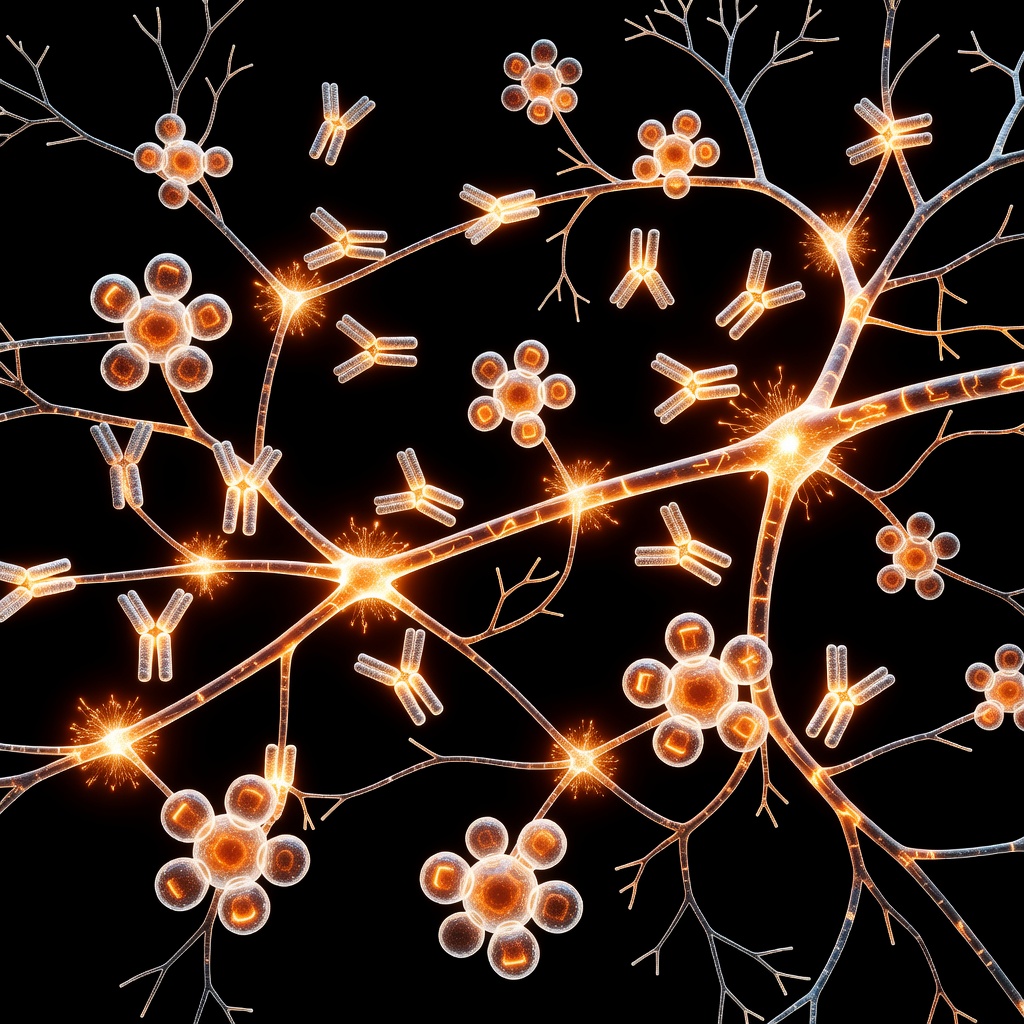
The Evolutionary Misunderstanding: Rethinking the Appendix. For decades, the appendix was dismissed as a vestigial organ—an evolutionary remnant serving no biological purpose. In modern clinical practice, appendectomy remains the standard of care for acute appendicitis. However, as we deepen our innerstanding of mucosal immunology, the narrative is shifting. The appendix is not merely an anatomical bystander; it is a specialized lymphoid organ that functions as a critical reservoir for the gut microbiome. ### The Immune Reservoir Hypothesis.
The appendix acts as a 'safe house' for beneficial bacteria. When systemic gut flora is depleted—often through antibiotic use or enteric infections—the appendix provides a sanctuary where these commensal microbes can survive. From this protected niche, they recolonize the colon, restoring balance to the enteric ecosystem. Removing this reservoir essentially eliminates the body's 'hard drive' backup, leaving the gastrointestinal tract vulnerable to dysbiosis. ### Systemic Immune Dysregulation. Emerging research suggests that the loss of appendiceal tissue may have far-reaching consequences beyond the gut.
The appendix is densely populated with biofilms and immune cells, including B-lymphocytes and T-lymphocytes. These cells are essential for coordinating the gut-associated lymphoid tissue (GALT) response. Without this orchestration hub, some patients exhibit shifts in systemic inflammation markers. Chronic, low-grade systemic inflammation is often observed post-appendectomy, potentially increasing the risk of autoimmune susceptibility and irritable bowel conditions. ### Mapping the Microbiome Shift. Post-appendectomy patients frequently report changes in digestive capacity and systemic resilience.
The absence of the appendix can lead to a simplified microbial diversity, where pathogenic or opportunistic bacteria face less competition for space. This imbalance, or dysbiosis, is a root-cause driver for systemic inflammatory responses. By losing the ability to actively manage gut flora through local immune surveillance, the host may experience a degradation in mucosal barrier integrity—the precursor to leaky gut and subsequent immune system over-activation. ### Clinical Implications and Holistic Management. While life-saving in cases of acute perforation, the routine removal of an inflamed appendix requires a more nuanced approach. For those who have already undergone the procedure, restoration of the gut ecosystem is paramount.
This includes targeted probiotic supplementation, fiber-rich diets that nourish the surviving commensal colonies, and an emphasis on reducing overall antigenic load through anti-inflammatory lifestyle practices. INNERSTANDING remains committed to the idea that every organ plays a part in the complex synergy of the human vessel. We must move beyond the 'redundant organ' dogma to better support those managing the long-term immunological ripple effects of appendectomy.
This article is provided for informational and educational purposes only. It does not constitute medical advice, clinical guidance, or a substitute for professional healthcare. Information reflects cited research at time of publication. Always consult a qualified healthcare professional before acting on any health information.
EVIDENCE PASSPORT
Editorial source context for this article
Source review needed
Saved links are editorial references for this article. They may support specific claims rather than every sentence. Open and assess each source in context. This passport does not independently verify them.
Editorial context
A complete editorial reading has not been recorded for this article, and no source links are saved on its record.
Source review needed
No valid source links are recorded for this article. Supplementary research, where available, is listed separately below.
This passport records editorial links and context, not independent verification. Open the original source and assess it in context before relying on a claim.
Medical Disclaimer
The information in this article is for educational purposes only and does not constitute medical advice, diagnosis, or treatment. Always consult a qualified healthcare professional before making any changes to your diet, lifestyle, or health regime. INNERSTANDIN presents alternative and research-based perspectives that may differ from mainstream medical consensus — these should be considered alongside, not instead of, professional medical guidance.
Read Full DisclaimerContinue the thread
Keep this question moving.
Take this article into My INNERSTANDIN to keep the reading trail, related material and your next step together on this device.
Explore this in the Body Map
Explore related body structures and their educational pages in the interactive Body Map.
Dig deeper in the Library
Free, longform PDF volumes that go beyond headlines into mechanisms and references.