Beyond the Blood-Brain Barrier: How Aluminium Translocates and Accumulates in Neural Tissue
Discuss this resourceUpdated August 2026
An in-depth exploration of the mechanisms through which aluminium bypasses the blood-brain barrier, triggering neuroinflammation and long-term neural tissue accumulation.
Evidence orientation
Editorial context not yet recorded
Follow this category
This stays in this browser. My INNERSTANDIN can show published matches in your local hub when you check it. It does not send email, push, or alert notifications.
Local learning review
A private browser aid for revisiting ideas. It is not an alert or a health recommendation.
Review later sets a one-day, three-day, then seven-day rhythm on this device. Choose it only when you want to revisit this article.
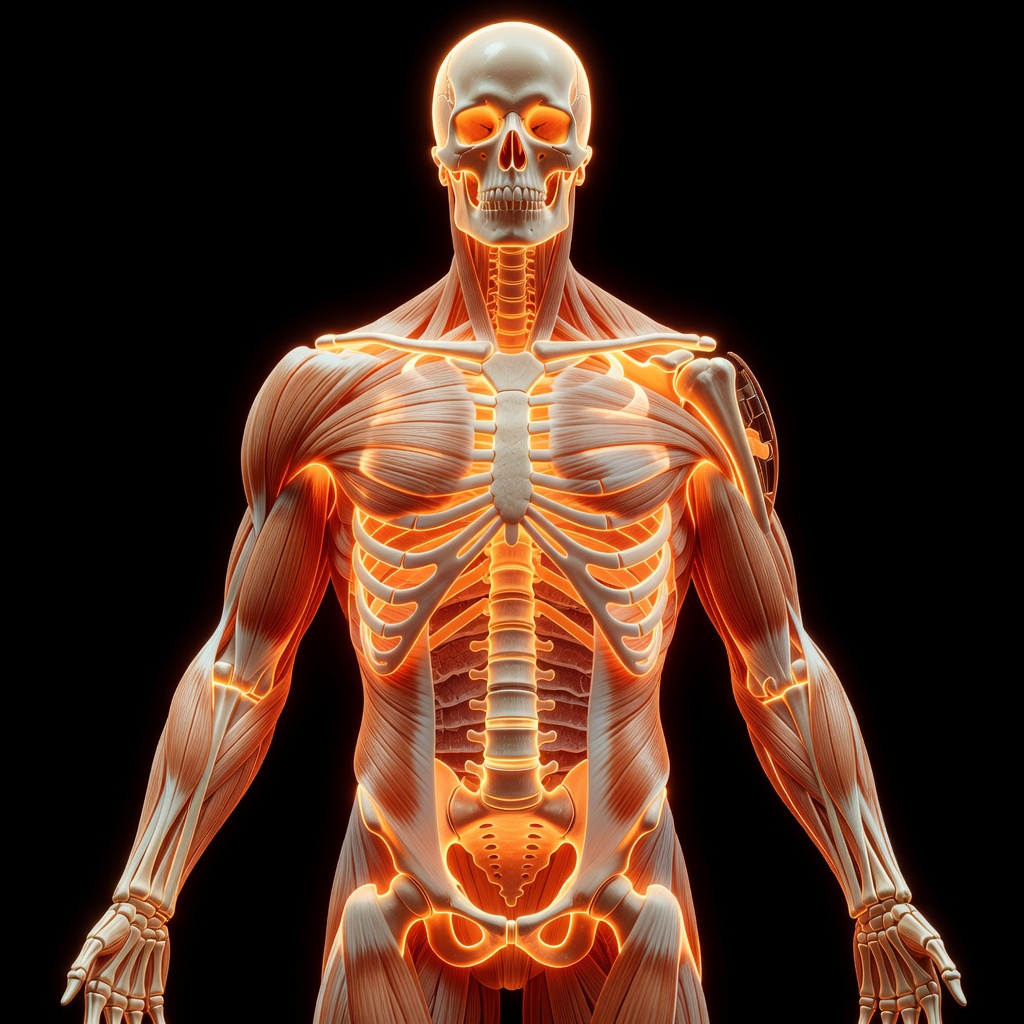
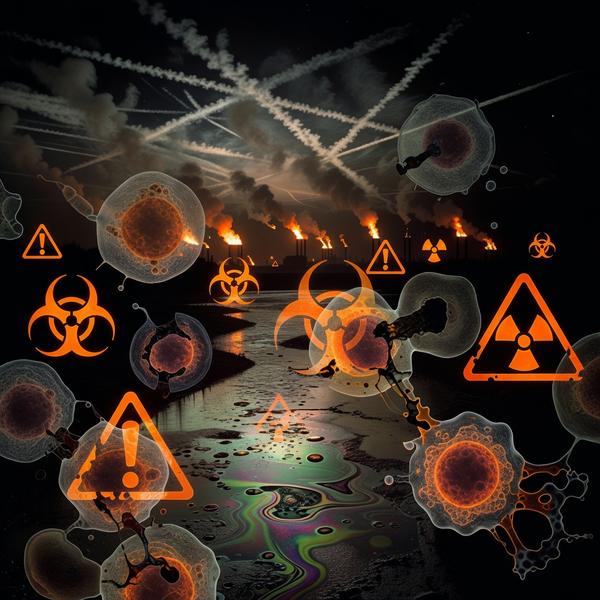
Aluminium (Al) is the most abundant metal in the Earth's crust, yet it has no biological role in the human body. As a pro-oxidant and neurotoxin, its accumulation in neural tissue is a growing concern in modern toxicological research. INNERSTANDING explores the precise pathways this metal uses to infiltrate our most protected organ.
Challenging the Barrier Myth
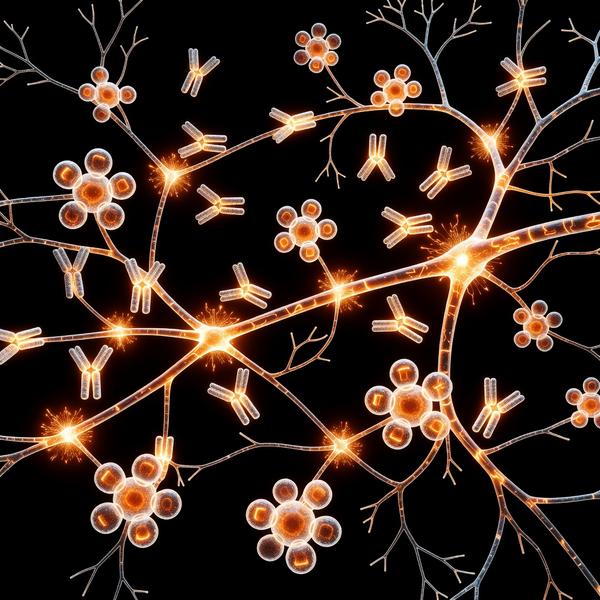
The Blood-Brain Barrier (BBB) is often viewed as an impenetrable fortress. However, aluminium is a 'molecular mimic'. It frequently binds to transferrin, the iron-transport protein. By masquerading as essential iron, aluminium is ferried across the BBB via transferrin receptors. This Trojan Horse strategy allows it to gain entry into the central nervous system (CNS) without triggering the body's standard defensive sequestration mechanisms.
Mechanisms of Translocation and Sequestration
Once inside the neural parenchyma, aluminium does not merely sit idle. It demonstrates a high affinity for acidic environments, such as lysosomes. Within these structures, aluminium accumulates, disrupting enzyme function and causing the lysosome to leak its acidic contents into the cytoplasm, eventually triggering programmed cell death (apoptosis). Furthermore, the metal shows a preference for binding to phosphate groups, effectively disrupting ATP production—the primary energy currency of neurons.
Neuroinflammation: The Root Cause of Degeneration
Accumulated aluminium in the brain is rarely benign. It acts as a potent stimulant for microglia, the immune cells of the brain. Chronic exposure leads to 'microglial priming', where these cells exist in a state of constant, low-grade inflammatory release. This chronic neuroinflammation is a hallmark of various cognitive decline conditions. By altering gene expression and promoting the misfolding of proteins, aluminium exacerbates the formation of plaques, which many researchers now believe are the brain’s attempt to sequester toxic metal deposits.
Conclusion: Moving Forward
Understanding the translocation of aluminium is the first step in mitigating its impact. At INNERSTANDING, we advocate for a focus on chelation awareness, nutritional support that aids the body’s natural detoxification pathways, and the reduction of environmental exposure to inorganic aluminium compounds.
This article is provided for informational and educational purposes only. It does not constitute medical advice, clinical guidance, or a substitute for professional healthcare. Information reflects cited research at time of publication. Always consult a qualified healthcare professional before acting on any health information.
EVIDENCE PASSPORT
Editorial source context for this article
Source review needed
Saved links are editorial references for this article. They may support specific claims rather than every sentence. Open and assess each source in context. This passport does not independently verify them.
Editorial context
A complete editorial reading has not been recorded for this article, and no source links are saved on its record.
Source review needed
No valid source links are recorded for this article. Supplementary research, where available, is listed separately below.
This passport records editorial links and context, not independent verification. Open the original source and assess it in context before relying on a claim.
Medical Disclaimer
The information in this article is for educational purposes only and does not constitute medical advice, diagnosis, or treatment. Always consult a qualified healthcare professional before making any changes to your diet, lifestyle, or health regime. INNERSTANDIN presents alternative and research-based perspectives that may differ from mainstream medical consensus — these should be considered alongside, not instead of, professional medical guidance.
Read Full DisclaimerContinue the thread
Keep this question moving.
Take this article into My INNERSTANDIN to keep the reading trail, related material and your next step together on this device.
Explore this in the Body Map
Explore related body structures and their educational pages in the interactive Body Map.
Dig deeper in the Library
Free, longform PDF volumes that go beyond headlines into mechanisms and references.
RABBIT HOLE
Follow the biological thread deeper