
BHA (E320) and BHT (E321): The Biological Pathway of Synthetic Antioxidants as Endocrine Disruptors
Updated April 2026
Evidence orientation
Editorial context not yet recorded
Follow this category
This stays in this browser. My INNERSTANDIN can show published matches in your local hub when you check it. It does not send email, push, or alert notifications.
Local learning review
A private browser aid for revisiting ideas. It is not an alert or a health recommendation.
Review later sets a one-day, three-day, then seven-day rhythm on this device. Choose it only when you want to revisit this article.
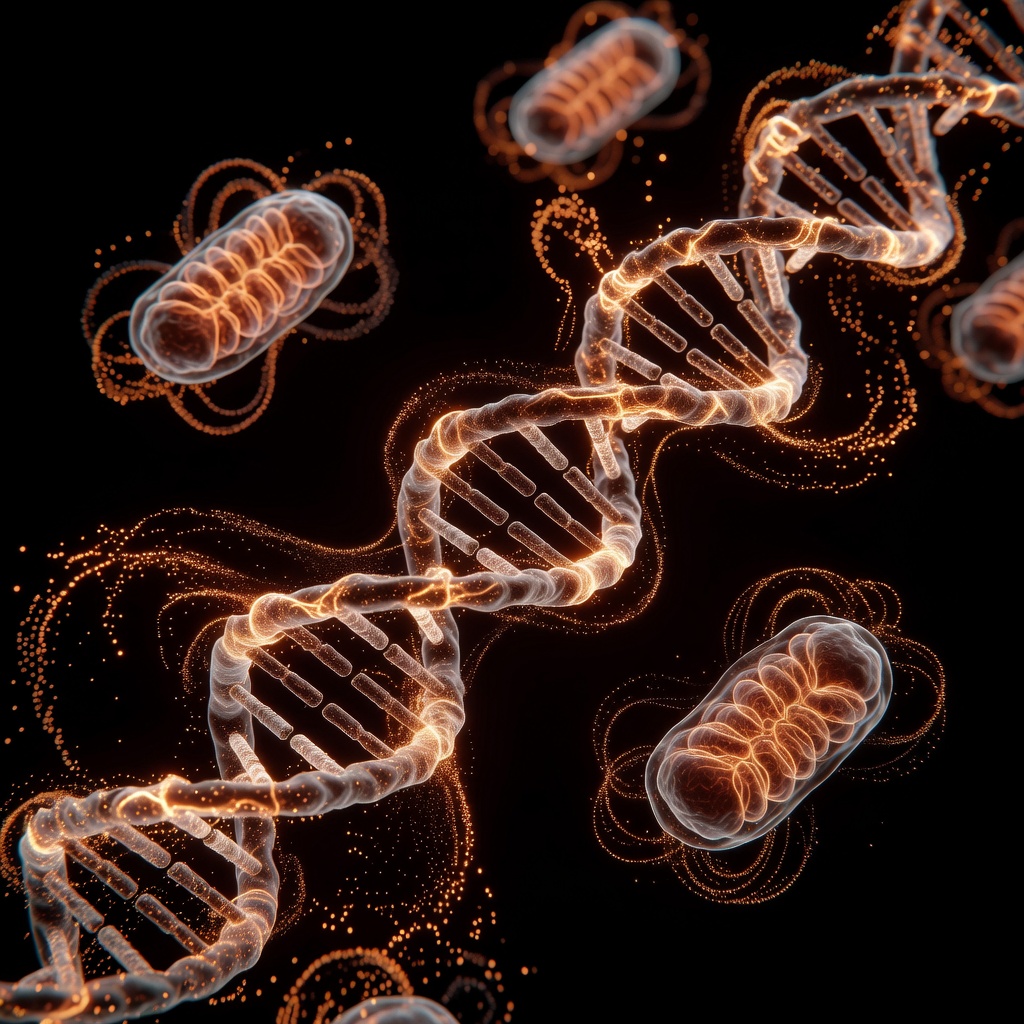
In the modern landscape of industrialised food production, the quest for eternal shelf-life has birthed a suite of chemical interventions. Among the most ubiquitous yet contentious are the synthetic antioxidants Butylated Hydroxyanisole (BHA) and Butylated Hydroxytoluene (BHT), known in the UK and Europe by their "E-number" designations, E320 and E321.
While the food industry champions these compounds for their ability to prevent the oxidation of fats and oils—thereby stopping rancidity and extending profit margins—a deeper biological truth is emerging. Beyond their role as preservatives lies a complex and concerning pathway of endocrine disruption, metabolic interference, and cellular toxicity. To achieve true INNERSTANDING of our health, we must look past the "Generally Recognised as Safe" (GRAS) labels and examine how these synthetic molecules interact with the delicate hormonal symphony of the human body.
The Chemical Profile: What are E320 and E321?
BHA (E320) and BHT (E321) are phenolic compounds derived from the petrochemical industry. They are structurally similar to Vitamin E but lack the biological synergy and safety profile of naturally occurring antioxidants. Their primary function is to act as "sacrificial" molecules; they react with oxygen free radicals before those radicals can attack the unsaturated fats in food products.
You will find them hidden in a staggering array of British supermarket staples:
- Vegetable oils and shortenings
- Cereals and porridge oats
- Crisps and savoury snacks
- Chewing gum
- Processed meats and sausages
- Cosmetics and food packaging
The industry preference for BHA and BHT stems from their stability under high temperatures and their low cost. However, the human body is not a static shelf; it is a dynamic biological system where these stable chemicals can become persistent disruptors.
Biological Mechanisms: The Pathway of Endocrine Disruption
The most insidious aspect of BHA and BHT is their ability to function as xenoestrogens. A xenoestrogen is a "foreign" chemical that mimics the natural hormone oestrogen. Because our hormonal system operates on a "lock and key" mechanism, these synthetic mimics can fit into cellular receptors, sending rogue signals throughout the body.
1. Oestrogen Receptor Interaction
Research indicates that BHA, in particular, has a binding affinity for Oestrogen Receptors (ERα and ERβ). When BHA occupies these receptors, it can either trigger an exaggerated oestrogenic response or block natural oestrogen from doing its job. This is particularly critical in reproductive tissues. In various biological models, exposure to these antioxidants has been linked to the premature maturation of reproductive organs and alterations in the oestrus cycle.
2. Thyroid Interference
The endocrine system is a finely tuned axis involving the hypothalamus, pituitary, and thyroid glands. BHT has been shown to interfere with thyroid hormone metabolism. By altering the way the liver processes thyroid hormones, BHT can lead to a compensatory enlargement of the thyroid gland (hypertrophy). This disruption can manifest as unexplained fatigue, weight gain, and metabolic slowing—symptoms often dismissed in clinical settings as "lifestyle-related" rather than chemically induced.
3. The Pro-Oxidant Paradox
While marketed as antioxidants, BHA and BHT can exhibit pro-oxidant behaviour under certain physiological conditions. Once metabolised in the liver, they can generate reactive oxygen species (ROS) that damage cellular DNA. This phenomenon is a hallmark of "endocrine-disrupting chemicals" (EDCs), which create a state of chronic oxidative stress that further impairs hormonal signalling.
Key Fact: The International Agency for Research on Cancer (IARC) has classified BHA (E320) as a Group 2B carcinogen, meaning it is "possibly carcinogenic to humans," based on consistent evidence of tumours in experimental animals.
The UK Context: Regulation vs. Reality
In the United Kingdom, the Food Standards Agency (FSA) regulates the use of E320 and E321, setting "Acceptable Daily Intakes" (ADIs). However, the traditional regulatory model has a significant flaw: it rarely accounts for the "Cocktail Effect."
The ADI is calculated based on a single chemical in isolation. In reality, a British consumer may consume BHA in their morning cereal, BHT in their lunchtime crisps, and more of both through skin absorption from cosmetics or lotions. When these small doses are aggregated across a lifetime, the "safe limit" becomes a mathematical abstraction rather than a biological reality.
Furthermore, British dietary habits have shifted significantly toward ultra-processed foods (UPFs). The UK currently has the highest consumption of UPFs in Europe, meaning our cumulative exposure to synthetic antioxidants is likely higher than that of our continental neighbours. This creates a hidden burden on the National Health Service (NHS), as endocrine disruption contributes to the rising rates of obesity, Type 2 diabetes, and hormone-sensitive cancers (such as breast and prostate cancer).
Environmental Factors and Bioaccumulation
The story of BHA and BHT does not end at the dinner table. These chemicals are chemically stable, meaning they do not break down easily in the environment. Through sewage systems and industrial runoff, they enter the British waterways.
Studies have shown that BHA and BHT can bioaccumulate in aquatic life. When fish are exposed to these xenoestrogens, they suffer from "feminisation"—a process where male fish develop female reproductive traits. As apex predators, humans are at the top of the food chain, potentially re-ingesting these concentrated chemicals through the consumption of contaminated seafood, further compounding our internal chemical load.
The Health Implications: Why You Should Care
The disruption of the endocrine system is not a minor "side effect"; it is a fundamental shift in biological governance. Hormones regulate everything from our mood and sleep to our metabolism and fertility.
- Developmental Delays: In children, exposure to EDCs like BHA/BHT is linked to behavioural issues and early puberty.
- Metabolic Syndrome: By interfering with insulin sensitivity and lipid metabolism, these additives may contribute to the "stubborn fat" that resists traditional dieting.
- Organ Stress: The liver and kidneys bear the brunt of detoxifying these synthetic compounds. Chronic exposure can lead to hepatotoxicity (liver damage) and hypertrophy of the kidneys.
Protective Strategies: Reclaiming Your Internal Environment
To achieve INNERSTANDING of your health, you must move from passive consumption to active discernment. While it is difficult to avoid these chemicals entirely in a modern world, you can significantly reduce your "body burden" through strategic choices.
1. Master the Label
In the UK, ingredients must be listed. Look for E320, E321, BHA, or BHT. If you see these on a packet, put it back. Note that they are often found in the "fats" section of the label or in the ingredients of the packaging itself (though the latter is rarely disclosed).
2. Choose Natural Alternatives
Nature provides its own antioxidants that support health rather than disrupting it. Look for products preserved with:
- Tocopherols (Vitamin E)
- Ascorbic Acid (Vitamin C)
- Rosemary Extract (Rosmarinus officinalis)
- Citric Acid
3. Support Your Detoxification Pathways
Your liver is your primary defence against xenoestrogens. Support it by:
- Increasing intake of cruciferous vegetables (broccoli, kale, cauliflower), which contain sulforaphane to help metabolise excess oestrogens.
- Staying hydrated with filtered water to reduce the burden of environmental toxins.
- Prioritising fibre, which binds to "spent" hormones and toxins in the gut, ensuring they are excreted rather than reabsorbed.
4. The Power of Whole Foods
The simplest way to avoid E-numbers is to eat foods that don't require a label. Fresh produce, whole grains, and unprocessed proteins are naturally free from synthetic antioxidants.
Key Takeaways for the Truth-Seeker
BHA (E320) and BHT (E321)* are not nutrients; they are industrial stabilisers derived from petroleum.
They act as xenoestrogens*, mimicking natural hormones and disrupting the endocrine system's delicate balance.
Regulatory limits* often fail to account for the cumulative "cocktail effect" of multiple additives consumed daily.
Long-term exposure* is linked to metabolic dysfunction, thyroid issues, and potential carcinogenicity.
Conscious avoidance* and supporting natural detoxification are essential steps in protecting your biological integrity.
Conclusion
The presence of BHA and BHT in our food supply is a testament to a system that prioritises shelf-life over human life. By understanding the biological pathways through which these synthetic antioxidants act as endocrine disruptors, we move beyond being mere consumers. We become guardians of our own biology.
True health is not merely the absence of disease; it is the presence of internal harmony. When we remove the chemical "noise" of additives like E320 and E321, we allow our body’s innate wisdom to restore balance. The journey to INNERSTANDING begins with the radical act of choosing real food over chemical imitations.
Stay vigilant, read your labels, and honour your endocrine system—the silent conductor of your life's vitality.
This article is provided for informational and educational purposes only. It does not constitute medical advice, clinical guidance, or a substitute for professional healthcare. Information reflects cited research at time of publication. Always consult a qualified healthcare professional before acting on any health information.
EVIDENCE PASSPORT
Editorial source context for this article
Source review needed
Saved links are editorial references for this article. They may support specific claims rather than every sentence. Open and assess each source in context. This passport does not independently verify them.
Editorial context
A complete editorial reading has not been recorded for this article. Source links remain available for you to open and assess directly.
Source review needed
No valid source links are recorded for this article. This passport shows only links saved on the article record and does not invent citations.
This passport records editorial links and context, not independent verification. Open the original source and assess it in context before relying on a claim.
Medical Disclaimer
The information in this article is for educational purposes only and does not constitute medical advice, diagnosis, or treatment. Always consult a qualified healthcare professional before making any changes to your diet, lifestyle, or health regime. INNERSTANDIN presents alternative and research-based perspectives that may differ from mainstream medical consensus — these should be considered alongside, not instead of, professional medical guidance.
Read Full DisclaimerContinue the thread
Keep this question moving.
Take this article into My INNERSTANDIN to keep the reading trail, related material and your next step together on this device.
Dig deeper in the Library
Free, longform PDF volumes that go beyond headlines into mechanisms and references.