
Bio-Digital Convergence: The UK's Strategic Roadmap
Updated May 2026
An analysis of government policy regarding the integration of biological systems with digital surveillance. We explore the implications of the 'Human Augmentation' white papers.
Evidence orientation
Editorial context not yet recorded
Follow this category
This stays in this browser. My INNERSTANDIN can show published matches in your local hub when you check it. It does not send email, push, or alert notifications.
Local learning review
A private browser aid for revisiting ideas. It is not an alert or a health recommendation.
Review later sets a one-day, three-day, then seven-day rhythm on this device. Choose it only when you want to revisit this article.
Overview
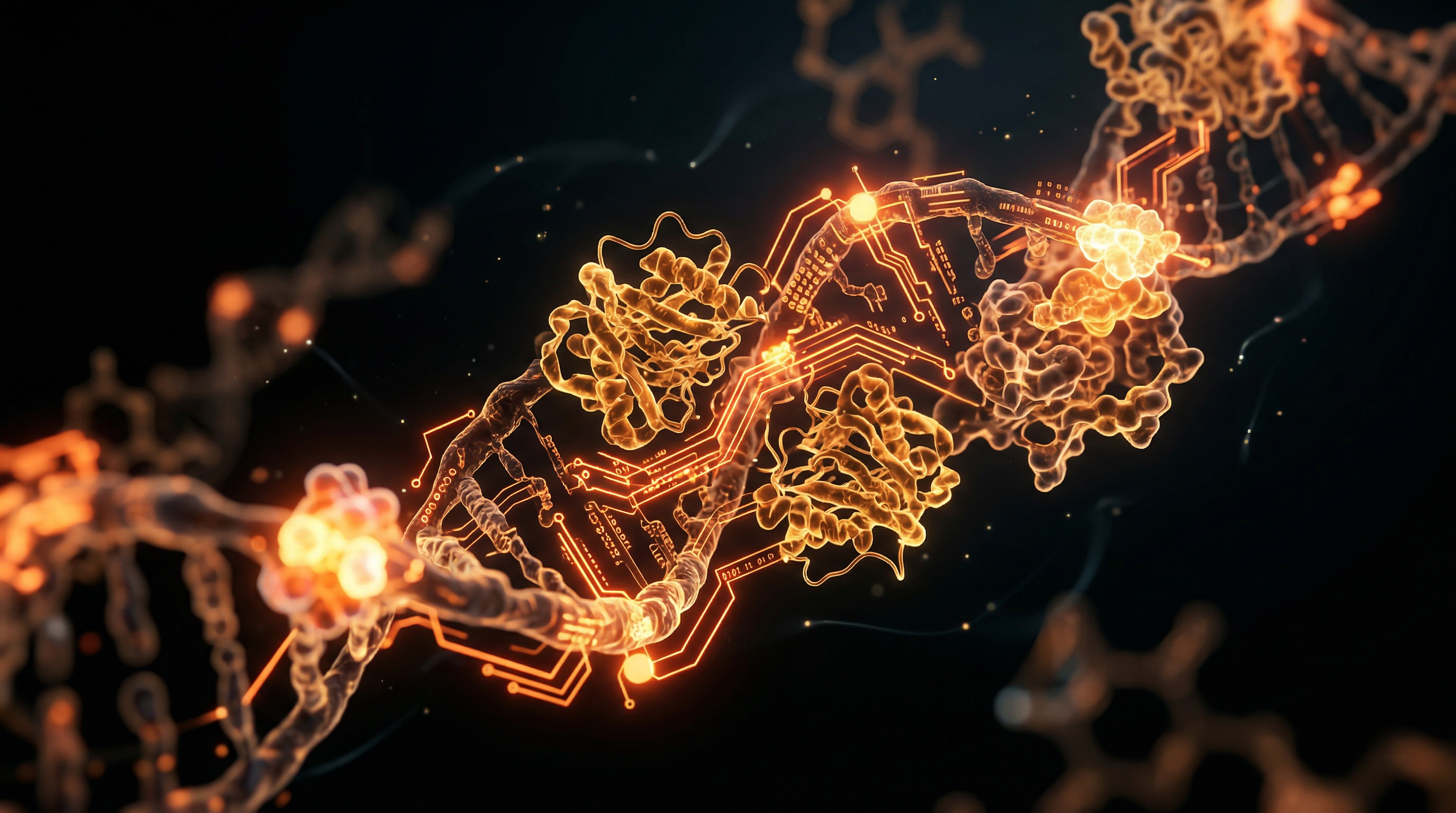
The boundary between the carbon-based world of biology and the silicon-based world of digital technology is no longer a distinct line; it is a blurring frontier. This phenomenon, known as Bio-Digital Convergence, represents the integration of biological systems with computing, artificial intelligence (AI), and advanced surveillance frameworks. While public-facing documents often frame these advancements within the context of healthcare and "Human Augmentation", the strategic roadmap being deployed—specifically within the United Kingdom—suggests a far more pervasive and permanent structural shift in the human condition.
The UK government, through various white papers such as the Ministry of Defence’s (MoD) Human Augmentation – The Dawn of a New Paradigm, has explicitly identified the human body as a new "theatre of operations." This transition is not merely about external gadgets like smartwatches or prosthetic limbs; it is about the internalisation of technology. We are witnessing the birth of the Internet of Bodies (IoB), where the biological data of the individual is harvested, processed, and potentially modulated in real-time by centralised digital architectures.
This article provides a deep dive into the mechanisms, the risks, and the policy-driven motivations behind this convergence. We will examine how the UK’s strategic framework is positioning the nation as a global hub for Synthetic Biology and Neurotechnology, and the profound implications this has for biological sovereignty and the future of natural evolution.
"Human augmentation will become increasingly relevant, partly because it can directly enhance human capability and behaviour and partly because it is the binding agent between humans and machines." — Human Augmentation – The Dawn of a New Paradigm (UK MoD, 2021)
The Biology — How It Works
At the heart of bio-digital convergence lies the ability to treat biological matter as programmable software. This is achieved through Synthetic Biology (SynBio), a field that seeks to redesign organisms for useful purposes by engineering them to have new abilities.
The Genetic Operating System
In this framework, DNA is viewed not as a sacred blueprint, but as a writeable code. Using tools like CRISPR-Cas9, researchers can edit genetic sequences with high precision. However, the convergence goes further than simple editing. It involves the insertion of Synthetic Genomics—man-made DNA sequences that do not exist in nature—into the human host. These sequences can act as biological "circuits," responding to external stimuli or producing specific proteins upon command.
Transfection and Lipid Nanoparticles (LNPs)
To bridge the gap between digital instructions and biological execution, "delivery systems" are required. The most prominent of these are Lipid Nanoparticles (LNPs). These microscopic fatty envelopes protect synthetic genetic material (such as mRNA or DNA) from degradation as it travels through the bloodstream. Once inside the cell, the LNP releases its payload, effectively "hijacking" the cell's ribosome to produce specific biological outputs. This mechanism is the fundamental architecture for the next generation of "programmable medicines."
Bio-Sensing and Signal Transduction
Bio-digital convergence requires a two-way communication channel. Bio-sensors—engineered proteins or nanomaterials—can be designed to monitor internal physiological states (such as glucose levels, cortisol, or cytokine activity) and translate these into digital signals. Conversely, Optogenetics allows researchers to use light to control neurons that have been genetically sensitised. This creates a feedback loop where the biological state is monitored by an AI, which then triggers a biological intervention without the user’s conscious awareness.
Mechanisms at the Cellular Level
To understand how the digital world "talks" to the biological world, we must look at the cellular machinery. The integration occurs at the interface of Proteomics and Electromagnetism.
Synthetic Biology Logic Gates
Engineers have successfully created "logic gates" inside living cells. Just as a computer uses AND, OR, and NOT gates to process information, synthetic biological circuits can be designed to trigger a response only when specific conditions are met—for instance, the presence of a specific toxin combined with an external electromagnetic trigger. This allows for Remote Biological Modulation.
The Role of Graphene and Conductive Nanomaterials
A significant area of research involving the "suppressed truths" of this convergence involves the use of Graphene Oxide (GO) and other carbon-based nanomaterials. Due to its high conductivity and ability to interface with neurons, graphene is a prime candidate for the "neural lace" technology envisioned by transhumanist researchers.
- Interface: Graphene can act as a bridge between the analog signals of the nervous system and digital hardware.
- Self-Assembly: Certain research suggests that nanostructures can be engineered to self-assemble within the body using the body’s own thermal and chemical energy, forming rudimentary conductive networks.
Clathrin-Mediated Endocytosis
The process by which cells "swallow" external materials—Clathrin-mediated endocytosis—is being leveraged to ensure that synthetic components are internalised. By coating nanoparticles with specific ligands, they can be targeted to specific organs, such as the brain or the liver, bypassing the body’s natural filtering systems like the blood-brain barrier.
Statistics show that the global market for synthetic biology is projected to grow from $11.4 billion in 2022 to over $35 billion by 2027, driven largely by UK and US defence and pharmaceutical investments.
Environmental Threats and Biological Disruptors
The bio-digital interface does not operate in a vacuum; it is highly sensitive to the external environment. This creates a vulnerability where the human body can be disrupted or manipulated by environmental factors.
Electromagnetic Frequencies (EMF) and 5G/6G
The deployment of High-Frequency 5G and the upcoming 6G networks is integral to the bio-digital roadmap. These frequencies are not just for faster internet; they provide the bandwidth and low latency required to manage millions of "Internet of Bodies" data points simultaneously.
- Resonance: Certain synthetic nanostructures have a "resonant frequency." When exposed to specific microwave bands, they can be heated or activated, leading to the release of payloads or the disruption of cellular membranes.
- Signal Carrier: EMF acts as the "carrier" for the digital instructions sent to the internalised biological sensors.
Chemical Triggers and Endocrine Disruptors
The modern environment is saturated with chemicals that act as Endocrine Disrupting Chemicals (EDCs). In a bio-digital context, these chemicals can serve as "environmental switches." For example, a synthetic circuit might be designed to remain dormant until it detects a specific concentration of a common pesticide or food additive, allowing for geographically targeted biological activation.
The Degradation of Natural Immunity
The constant "update" cycle of synthetic biology interventions risks creating a dependency. If the body’s natural immune system is bypassed or replaced by "programmable" synthetic responses, the individual becomes vulnerable to Systemic Failure if the digital infrastructure (the cloud, the 5G network) is compromised or if the "software" contains errors.
The Cascade: From Exposure to Disease
When the integration of biological and digital systems goes wrong—either by design or by accident—it triggers a cascade of physiological degradation. This is often misdiagnosed as "idiopathic" illness by a medical establishment that does not yet recognise bio-digital convergence as a clinical reality.
Phase 1: Chronic Inflammation and Oxidative Stress
The presence of synthetic nanoparticles (like LNPs or graphene) triggers a permanent immune response. The body identifies these materials as "foreign," leading to chronic Oxidative Stress. This state produces reactive oxygen species (ROS) that damage DNA and mitochondrial function.
Phase 2: The Breakdown of Barrier Systems
Continuous exposure to high-frequency EMF, combined with nanoparticle toxicity, can lead to the "leakiness" of biological barriers.
- Blood-Brain Barrier (BBB): When the BBB is compromised, toxins and synthetic materials can enter the central nervous system, leading to neuro-inflammation.
- Gut Barrier: This leads to systemic autoimmune conditions.
Phase 3: Prion-like Protein Misfolding
A major concern in synthetic biology is the "off-target" effect of genetic instructions. If a cell is programmed to produce a specific protein, but the process is slightly flawed, it can result in Misfolded Proteins. These can act as prions, causing a chain reaction of protein deformation that leads to rapid neurodegeneration (e.g., amyloidosis or Creutzfeldt-Jakob disease-like symptoms).
Phase 4: Cognitive and Behavioural Modulation
The final stage of the cascade is not physical death, but the loss of Cognitive Sovereignty. By influencing neurotransmitter levels or neural firing patterns through bio-digital interfaces, an individual's mood, level of compliance, or perception of reality can be subtly shifted. This is the ultimate "disease"—the loss of the self.
"The ability to influence the human nervous system and manipulate perceptions is a clear strategic advantage." — Human Augmentation White Paper
What the Mainstream Narrative Omits
The public narrative surrounding these technologies is one of "health equity," "longevity," and "disability prevention." However, the strategic documents tell a different story—one of control and surveillance.
The Removal of Informed Consent
Traditional medical ethics require informed consent. However, in a bio-digital convergence scenario, "delivery" can be passive. If synthetic components are delivered via the food supply, the atmosphere (chemonucleation), or required as a condition of employment/participation in society (digital vaccine passports), consent becomes an obsolete concept.
The Internet of Bodies (IoB) as Surveillance
The mainstream media rarely discusses the Surveillance Potential of internalised tech. A bio-sensor that monitors your heart rate for "health" also monitors your emotional response to a political speech. Your "biological data" is the most intimate data imaginable; it reveals your thoughts, your health, and your very DNA. In the UK roadmap, this data is intended to be fed into the "Social Credit" or "Digital Identity" systems of the future.
The Geopolitical Arms Race
The UK is in a race with China and the US to "perfect" the human soldier and the human worker. The ethical "guardrails" mentioned in policy papers are often secondary to the perceived necessity of not being "left behind" in the transhumanist revolution. This leads to a "race to the bottom" regarding safety and biological integrity.
The Loss of the "Natural" Human
There is a fundamental silence on the spiritual and evolutionary cost of this convergence. By merging with machines, we risk losing the "wild" and unpredictable nature of biological evolution—the very thing that has allowed humanity to survive for millennia.
The UK Context
The United Kingdom has positioned itself as the "Global Testbed" for bio-digital technologies. This is not accidental; it is a product of specific policy decisions made over the last decade.
ARIA and the DARPA Model
The UK recently launched ARIA (Advanced Research and Invention Agency), explicitly modelled after the US's DARPA. ARIA is designed to fund "high-risk, high-reward" research with minimal oversight. Much of its remit involves the intersection of AI and life sciences—the core of bio-digital convergence.
The NHS Data Goldmine
The National Health Service (NHS) holds one of the most comprehensive longitudinal health databases in the world. The UK government is increasingly seeking to "monetise" and "utilise" this data to train AI algorithms for the bio-digital roadmap. This creates a feedback loop where your biological history is used to design the very synthetic interventions that will be marketed back to you.
The UK Life Sciences Vision
The 2021 Life Sciences Vision outlines a 10-year strategy to make the UK a "science superpower." It focuses heavily on Genomics and Health Data, proposing a "new era of prevention" that relies on constant monitoring and early biological intervention—effectively normalising the bio-digital interface as a standard of care.
Legislative Gaps
Currently, there are no laws in the UK that specifically protect "Biological Privacy." While GDPR protects your email address, it does not adequately protect your "Biological IP"—your unique genetic and neurological signatures. This legislative void is being exploited by the private-public partnerships driving the convergence.
Protective Measures and Recovery Protocols
For those concerned about the erosion of biological sovereignty, certain measures can be taken to mitigate exposure and maintain cellular integrity. These protocols focus on removing synthetic triggers and strengthening the body’s natural defences.
1. Heavy Metal and Graphene Detoxification
Since many bio-digital components rely on conductive materials, "cleansing" the body of heavy metals is a priority.
- Chelation Therapy: Using agents like EDTA or natural chelators like Zeolite and Chlorella to bind and remove metallic particles.
- Glutathione Support: Glutathione is the body’s master antioxidant and is crucial for breaking down graphene oxide. Supplementing with N-Acetyl Cysteine (NAC) helps the body produce more glutathione.
2. EMF Mitigation
Reducing the "signal" that interacts with synthetic components is essential.
- Analogue Living: Reducing reliance on "Smart" devices and using wired internet connections (Ethernet) instead of Wi-Fi.
- Faraday Protection: Using EMF-shielding fabrics or paints in sleeping areas to allow the body to repair at night without microwave interference.
3. Strengthening the Blood-Brain Barrier (BBB)
To prevent synthetic payloads from reaching the nervous system:
- Flavonoids: Consuming high levels of anthocyanins (found in blueberries) and quercetin to strengthen cellular junctions.
- Avoiding Excitotoxins: Eliminating MSG and aspartame, which increase BBB permeability.
4. Biological Sovereignty and Legal Protections
- Informed Refusal: Asserting the right to bodily autonomy and refusing experimental biological "upgrades."
- Community Resilience: Building local networks that operate outside the digital-first "smart city" infrastructure.
5. Nutritional Fortification
Maintaining a high "biological reserve" makes the body less susceptible to modulation.
- Selenium and Zinc: Essential for DNA repair and immune function.
- Mitochondrial Support: Using CoQ10 and PQQ to ensure the body's natural energy production remains independent of external electromagnetic triggers.
Summary: Key Takeaways
The UK’s strategic roadmap for bio-digital convergence is a fait accompli in the eyes of policymakers and defence strategists. It is a fundamental redesign of the human experience, shifting from Evolution by Natural Selection to Evolution by Digital Design.
- Convergence is Real: It is the integration of synthetic biology, AI, and the Internet of Bodies.
- Policy Driven: The UK government has explicitly stated its intent to use "Human Augmentation" as a tool for national security and economic growth.
- Mechanism: The system works through programmable genetic code, lipid nanoparticle delivery, and electromagnetic activation.
- Risks: The risks include chronic inflammation, neurodegeneration, loss of privacy, and the total erosion of individual autonomy.
- Sovereignty: Protecting one's "Biological IP" and maintaining cellular integrity is the most important challenge of the 21st century.
As we move further into this "New Paradigm," the choice remains: do we accept a future where our biology is a managed asset of the state, or do we reclaim our status as sovereign, natural beings? The window of opportunity to decide is closing.
"References & Further Reading:"
- Human Augmentation – The Dawn of a New Paradigm, UK Ministry of Defence & German Bundeswehr Office for Defence Planning (2021).
- The National AI Strategy, UK Department for Digital, Culture, Media & Sport.
- UK Life Sciences Vision, Department for Business, Energy & Industrial Strategy.
- Bio-digital Convergence: Exploring the Intersection of Digital and Biological Systems, Policy Horizons Canada (Collaborative research used by Commonwealth nations).
This article is provided for informational and educational purposes only. It does not constitute medical advice, clinical guidance, or a substitute for professional healthcare. Information reflects cited research at time of publication. Always consult a qualified healthcare professional before acting on any health information.
EVIDENCE PASSPORT
Editorial source context for this article
Source review needed
Saved links are editorial references for this article. They may support specific claims rather than every sentence. Open and assess each source in context. This passport does not independently verify them.
Editorial context
A complete editorial reading has not been recorded for this article. Source links remain available for you to open and assess directly.
Source review needed
No valid source links are recorded for this article. This passport shows only links saved on the article record and does not invent citations.
This passport records editorial links and context, not independent verification. Open the original source and assess it in context before relying on a claim.
Medical Disclaimer
The information in this article is for educational purposes only and does not constitute medical advice, diagnosis, or treatment. Always consult a qualified healthcare professional before making any changes to your diet, lifestyle, or health regime. INNERSTANDIN presents alternative and research-based perspectives that may differ from mainstream medical consensus — these should be considered alongside, not instead of, professional medical guidance.
Read Full DisclaimerContinue the thread
Keep this question moving.
Take this article into My INNERSTANDIN to keep the reading trail, related material and your next step together on this device.