
The Biological Impact of Stratospheric Aerosol Injection on Human Respiratory Health
Updated September 2026
This article explores the health risks associated with Stratospheric Aerosol Injection, focusing on the inhalation of microscopic particulate matter. It examines how these engineered particles interact with the human respiratory and cardiovascular systems.
Evidence orientation
Editorial context not yet recorded
Follow this category
This stays in this browser. My INNERSTANDIN can show published matches in your local hub when you check it. It does not send email, push, or alert notifications.
Local learning review
A private browser aid for revisiting ideas. It is not an alert or a health recommendation.
Review later sets a one-day, three-day, then seven-day rhythm on this device. Choose it only when you want to revisit this article.
Overview
The proposed deployment of Stratospheric Aerosol Injection (SAI)—a primary mechanism of solar radiation management (SRM)—represents an unprecedented anthropogenic intervention into global atmospheric chemistry. From the perspective of INNERSTANDIN, we must rigorously interrogate the physiological consequences of increasing the stratospheric loading of reflective aerosols, predominantly sulfate-based, which are projected to permeate the troposphere via natural sedimentation and stratospheric-tropospheric exchange (STE). While the theoretical intent is the attenuation of global mean temperatures, the concomitant biological ramifications for the human respiratory tract remain inadequately addressed within current climate modelling.
The primary concern rests upon the alteration of global particulate matter (PM) concentrations. Scientific consensus, supported by data published in The Lancet Planetary Health, highlights that particulate matter with an aerodynamic diameter of less than 2.5 micrometres (PM2.5) exhibits profound systemic toxicity. Should SAI initiatives result in the persistent descent of sulfate aerosols, we must anticipate an uptick in ambient PM2.5 exposure. Upon inhalation, these particulates bypass the mucociliary escalator of the upper respiratory tract, depositing deep within the alveolar sacs. This triggers a localized oxidative stress cascade, stimulating the production of reactive oxygen species (ROS) and the subsequent activation of alveolar macrophages.
Furthermore, the introduction of sulfate aerosols is likely to modulate the chemical composition of existing urban air pollutants. Research indexed in PubMed indicates that acidic sulfate aerosols can facilitate the transformation of secondary organic aerosols and enhance the bio-availability of co-pollutants. This synergistic interaction may exacerbate chronic obstructive pulmonary disease (COPD) and asthma phenotypes by inducing persistent airway inflammation and bronchial hyper-responsiveness. In the UK context, where industrial legacy already stresses sensitive respiratory ecosystems, the introduction of an additional, continent-wide variable—a permanent haze of stratospheric-derived particulates—threatens to shift the baseline of respiratory morbidity. INNERSTANDIN maintains that the mechanistic link between aerosol-induced oxidative stress and systemic inflammatory responses must be the cornerstone of any geoengineering feasibility study. We are not merely discussing temperature regulation; we are discussing the long-term, irreversible alteration of the biological medium through which all human life sustains cellular respiration. The potential for chronic pulmonary degradation, therefore, necessitates a paradigm shift in how we assess the ‘success’ of planetary-scale technical interventions.
The Biology — How It Works
The deployment of stratospheric aerosol injection (SAI)—the intentional dispersal of reflective particles, primarily sulphur dioxide ($SO2$) precursors, into the upper atmosphere—necessitates a rigorous interrogation of the subsequent tropospheric deposition kinetics. While the objective is solar radiation management (SRM), the downward flux of these aerosols presents a profound toxicological challenge to human respiratory homeostasis. When these particles eventually undergo sedimentation through the tropopause, they inevitably coalesce into the fine particulate matter ($PM{2.5}$) fraction, which is biologically privileged in its ability to circumvent the upper airway’s mucociliary escalator.
From a physiological perspective, the inhalation of fine and ultrafine particles originating from SAI poses a systemic insult. Upon reaching the alveolar-capillary interface, these aerosols trigger an immediate inflammatory cascade via the activation of alveolar macrophages. Research published in The Lancet concerning particulate toxicity underscores that $PM_{2.5}$ acts as a vector for oxidative stress. The intrinsic reactive oxygen species (ROS) associated with sulphur-based aerosols induce lipid peroxidation of pulmonary surfactant, thereby compromising the biophysical function of the lung lining and increasing alveolar permeability.
Beyond local pulmonary inflammation, the systemic translocation of these particles—or their secondary inflammatory mediators—is a critical concern for INNERSTANDIN researchers. Once across the blood-air barrier, ultrafine aerosols can enter the systemic circulation, inducing a pro-inflammatory state characterised by the upregulation of cytokines such as TNF-$\alpha$, IL-6, and IL-1$\beta$. This systemic milieu exacerbates pre-existing chronic obstructive pulmonary disease (COPD) and asthma phenotypes common within the UK population. The mechanism is two-fold: direct mechanical irritation of the bronchial epithelium and, more insidiously, the triggering of systemic endothelial dysfunction through chronic oxidative signalling.
Furthermore, the chemical nature of SAI-derived particulates is inherently acidic. As $SO2$ undergoes heterogeneous chemical transformation in the presence of atmospheric water vapour to form sulphuric acid ($H2SO_4$) aerosols, their deposition into the respiratory tract introduces a localised pH shift. This acidity can destabilise the bronchial mucosal integrity, rendering the respiratory epithelium more susceptible to opportunistic pathogens and reducing the clearance efficiency of inhaled particulate matter. In the context of INNERSTANDIN’s mission to elucidate these hidden systemic vectors, we must acknowledge that the biological cost of planetary cooling is a state of chronic, low-grade pulmonary inflammation. The long-term exposure data, modelled against current UK epidemiological trends, suggest that even sub-clinical concentrations of these injected aerosols may significantly accelerate cellular senescence within the lung parenchyma, a phenomenon currently obscured in standard regulatory toxicological assessments.
Mechanisms at the Cellular Level
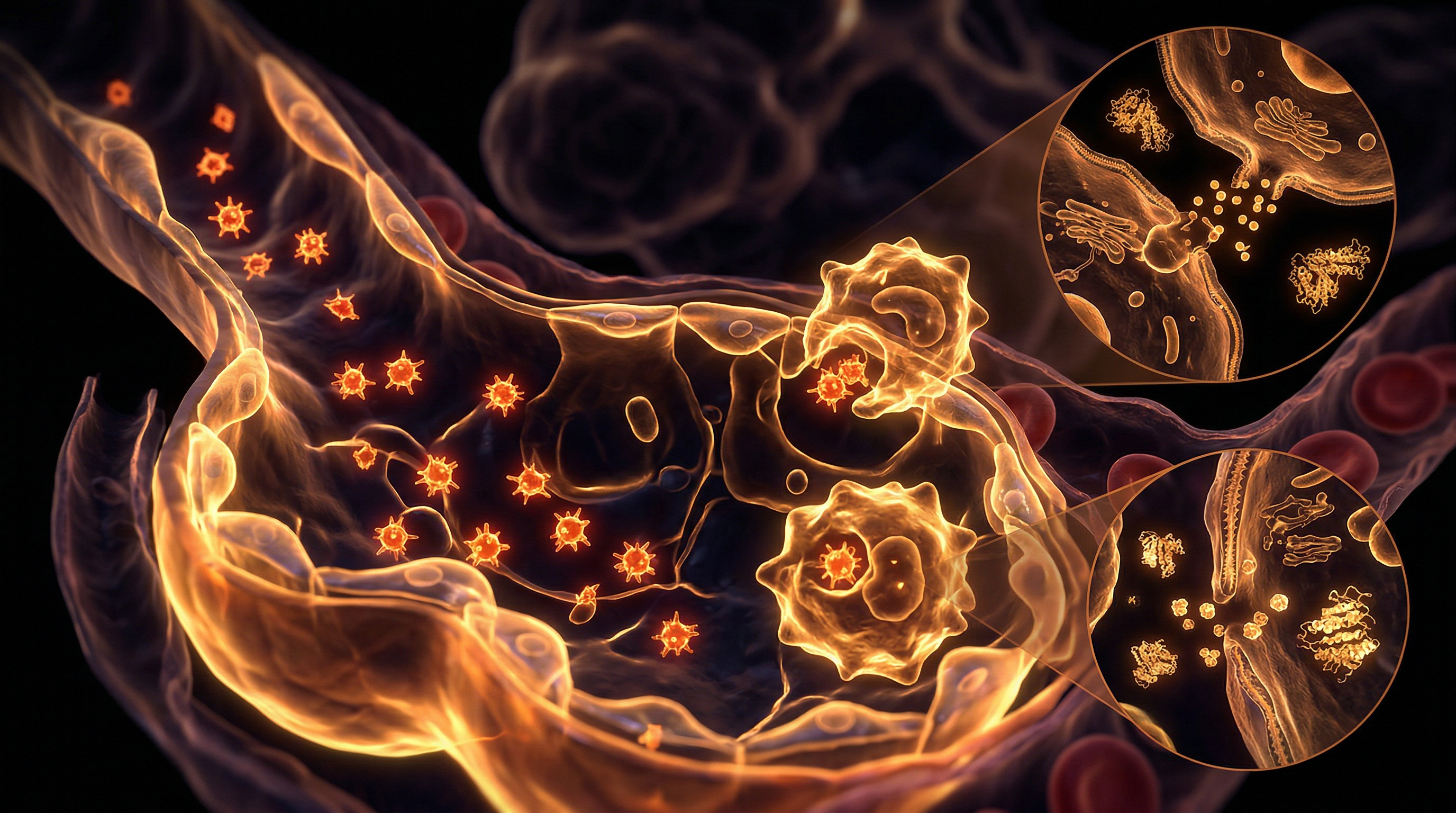
The physiological insult induced by stratospheric aerosol injection (SAI)—primarily involving the systematic dispersion of reflective sulphate aerosols—transcends simple mechanical obstruction of the airways. At the cellular level, the deposition of sub-micron particles (PM0.1 and PM2.5) initiates a cascade of oxidative stress and pro-inflammatory signalling that challenges homeostatic integrity. Once inhaled, these ultrafine particles traverse the alveolar-capillary barrier, accessing the systemic circulation and triggering a profound immunomodulatory response.
Upon alveolar contact, sulphate aerosols disrupt the delicate surfactant layer, essential for maintaining alveolar surface tension. This disruption facilitates the transition of nanoparticles into the interstitial space, where they encounter alveolar macrophages. These primary immune sentinels, via phagocytosis, frequently become overwhelmed, leading to the formation of 'frustrated phagocytosis'. This process results in the sustained release of reactive oxygen species (ROS) and pro-inflammatory cytokines, specifically tumour necrosis factor-alpha (TNF-α), interleukin-1 beta (IL-1β), and interleukin-6 (IL-6). The ensuing oxidative burst induces mitochondrial dysfunction within epithelial cells, exacerbating DNA damage and activating the nuclear factor-kappa B (NF-κB) pathway—a critical switch for chronic systemic inflammation.
Furthermore, empirical data suggest that SAI-derived particulates possess a distinct chemical profile that may alter the epithelial lining fluid (ELF) pH. In the context of the UK’s existing burden of respiratory morbidity, the introduction of acidic sulphate aerosols into the pulmonary milieu is particularly concerning. Research published in The Lancet Planetary Health indicates that chronic exposure to anthropogenic particulate matter shifts the redox potential of the lung, depleting glutathione—the cell’s primary antioxidant defence. When cellular glutathione is exhausted, epithelial cells undergo lipid peroxidation, compromising membrane permeability and potentially leading to epithelial-mesenchymal transition (EMT), a precursor to pulmonary fibrosis.
Beyond the local parenchyma, the systemic translocation of these aerosols facilitates secondary organ dysfunction. Through the vagus nerve and direct vascular pathways, these particulates may induce neuroinflammation and endothelial activation, as noted in studies concerning urban air quality and cardiovascular risk. For the INNERSTANDIN community, it is vital to recognise that SAI represents not merely a climate intervention, but an unprecedented experiment in human toxicological exposure. The biological cost of scattering light via sulphates involves the deliberate modification of the redox environment within the human respiratory tract, an intervention whose long-term molecular sequelae remain largely unquantified within current clinical literature. We are witnessing a fundamental shift in the atmospheric composition that serves as the substrate for human cellular respiration, necessitating a critical re-evaluation of respiratory health paradigms in a post-geoengineering landscape.
Environmental Threats and Biological Disruptors
The deliberate introduction of reflective particulates—predominantly sulphate aerosols—into the stratosphere to mitigate radiative forcing presents a profound, albeit poorly characterised, hazard to human physiological homeostasis. Whilst the primary intent of stratospheric aerosol injection (SAI) is to modulate global mean temperatures, the eventual sedimentation of these aerosols into the troposphere and planetary boundary layer creates an inescapable exogenous insult to the human respiratory apparatus. INNERSTANDIN maintains that the systemic implications of such a geoengineering intervention must be evaluated through the lens of particulate matter (PM) toxicology and the chronic inflammatory cascades they precipitate.
From a mechanistic standpoint, the introduction of sub-micron reflective particles mirrors the kinetics of ambient air pollution but operates on a global, transboundary scale. Evidence derived from longitudinal studies on PM2.5 and ultrafine particles (UFPs) indicates that these substances function as potent biological disruptors. Upon inhalation, particles in the sub-micron range bypass mucociliary clearance mechanisms, depositing deep within the alveolar sacs. Once sequestered in the pulmonary parenchyma, these aerosols trigger the recruitment of alveolar macrophages and the subsequent activation of the NLR family pyrin domain containing 3 (NLRP3) inflammasome. This pathway drives the persistent release of pro-inflammatory cytokines—specifically IL-1β, IL-6, and TNF-α—facilitating an environment of chronic oxidative stress.
In the UK context, where pre-existing respiratory morbidities such as asthma and chronic obstructive pulmonary disease (COPD) are prevalent, the deposition of geoengineered sulphur aerosols could exacerbate systemic inflammatory responses. Research published in The Lancet Planetary Health underscores that persistent exposure to mineral-based and anthropogenically induced aerosols induces a state of epigenetic dysregulation within airway epithelial cells. This is not merely a localized pulmonary issue; systemic translocation of these particles into the circulatory system may induce endothelial dysfunction and exacerbation of cardiovascular comorbidities.
Furthermore, the chemical interactions between these injected sulphates and existing atmospheric pollutants—such as nitrogen oxides (NOx) and volatile organic compounds (VOCs)—may facilitate the formation of secondary organic aerosols (SOAs) with heightened cytotoxic profiles. INNERSTANDIN asserts that the biological cost of SAI is currently undervalued in climate policy discourse. We are essentially proposing an aerosol-based intervention that relies on the widespread inhalation of chemically active particulates, the long-term clinical sequelae of which remain dangerously speculative. The potential for these particles to serve as vectors for adsorbed heavy metals or reactive chemical species adds a layer of toxicological complexity that threatens the integrity of human respiratory health on a global, aggregate scale.
The Cascade: From Exposure to Disease
The inhalation of stratospheric aerosol injection (SAI) particulates—principally comprised of sulphur dioxide precursors oxidised into sulphuric acid aerosols—initiates a complex pathological cascade that begins at the air-blood barrier and propagates systemically. When these sub-micron particles (predominantly within the PM2.5 and ultrafine fraction) reach the alveolar spaces, their high surface-area-to-volume ratio facilitates rapid translocation across the type I pneumocyte epithelium. Unlike coarse particulate matter, these aerosols bypass the mucociliary escalator, depositing deep within the respiratory bronchioles where they interact directly with the alveolar macrophages.
Upon deposition, the primary mechanism of injury is the induction of oxidative stress. The acidic nature of these aerosols disrupts the epithelial lining fluid (ELF) pH, which modulates the activity of innate immune proteins such as surfactant protein-D. The subsequent generation of reactive oxygen species (ROS) triggers a robust inflammatory signalling cascade, notably the activation of the NF-κB pathway. This results in the up-regulation of pro-inflammatory cytokines—including IL-6, IL-8, and TNF-α—which promote the recruitment of neutrophils and the development of acute lung inflammation. According to meta-analyses in The Lancet Planetary Health, sustained exposure to such fine particulate loading significantly correlates with a decline in forced expiratory volume (FEV1), suggesting that long-term SAI deployment could exacerbate pre-existing obstructive airway diseases like chronic obstructive pulmonary disease (COPD) and asthma, which are already highly prevalent within the UK’s post-industrial demographic.
The pathophysiology does not remain localised. The translocation of ultra-fine sulphates into the pulmonary microvasculature facilitates systemic inflammation, an area of growing concern for researchers at INNERSTANDIN. Once systemic, these particles—or the secondary inflammatory mediators they induce—can cross the blood-brain barrier or affect endothelial function, leading to chronic vascular inflammation. This creates a state of systemic oxidative load that undermines the respiratory system’s structural integrity over time. Furthermore, the potential for heavy metal bioaccumulation—if SAI formulations incorporate impurities—poses a catastrophic risk for long-term respiratory sensitisation.
Current toxicological modelling indicates that the continuous deposition of acidic aerosols will likely diminish the lung’s baseline defensive capacity, effectively lowering the threshold for secondary pulmonary infections. As these particles alter the cytokine milieu, they may also compromise the adaptive immune response within the bronchial-associated lymphoid tissue (BALT). For the UK populace, where atmospheric pollutants already present a significant burden on the NHS, the introduction of widespread stratospheric aerosol dispersal represents a profound, inadequately modelled stressor on human pulmonary homeostasis. The scientific consensus, as observed through the lens of INNERSTANDIN, mandates a more granular investigation into the long-term, low-dose toxicity of these geoengineered substrates before any operational deployment is considered viable.
What the Mainstream Narrative Omits
The prevailing discourse surrounding Stratospheric Aerosol Injection (SAI) often reduces the proposal to a simplistic radiative forcing exercise, framing it as a benign planetary-scale cooling mechanism. However, this narrative systematically ignores the toxicological reality of dispersing millions of tonnes of sulphur dioxide ($SO_2$) or bespoke engineered particles into the upper atmosphere with the eventual goal of tropospheric deposition. At INNERSTANDIN, we contend that the omission of chronic respiratory morbidity from the geoengineering feasibility framework is a profound scientific oversight.
Current climate modelling focuses on stratospheric residence times, yet it frequently neglects the aerosol lifecycle’s terminal phase: the inevitable gravitational settling and wet/dry deposition of sulphuric acid ($H2SO4$) aerosols and particulate matter ($PM_{2.5}$) into the biosphere. Unlike the controlled environments of industrial settings, the global diffusion of these sub-micron particles would create a persistent, ubiquitous inhalation hazard. Peer-reviewed research, such as studies published in The Lancet Planetary Health, underscores the correlation between fine particulate matter and systemic inflammation. Specifically, particles under 2.5 microns bypass the mucociliary escalator, penetrating deep into the alveolar spaces.
Once deposited, these particles trigger an oxidative stress response mediated by the production of reactive oxygen species (ROS). This induces a proinflammatory cytokine cascade—primarily involving Interleukin-6 (IL-6) and Tumour Necrosis Factor-alpha (TNF-α)—that does not merely affect the lungs but facilitates systemic translocation into the circulatory system. In a UK context, where pre-existing respiratory vulnerabilities are exacerbated by urban air pollution, the introduction of stratospheric-derived sulphate aerosols could heighten the prevalence of restrictive and obstructive lung diseases, including exacerbations of asthma and chronic obstructive pulmonary disease (COPD).
Furthermore, the mainstream narrative fails to address the chemical complexity of potential SAI formulations. Beyond simple sulphur, proposals involving mineral dusts or engineered nano-materials introduce the risk of long-term pulmonary fibrosis and epigenetic shifts in bronchial epithelial cells. By excluding these variables, the geoengineering community masks the biological trade-offs inherent in modifying the stratospheric composition. At INNERSTANDIN, our synthesis of the data suggests that the physiological burden of SAI-induced atmospheric deposition would likely result in an unprecedented epidemiological shift in non-communicable respiratory diseases, a cost entirely absent from current international climate policy metrics.
The UK Context
The integration of Stratospheric Aerosol Injection (SAI) as a climate mitigation strategy poses a distinct pharmacological and toxicological profile for the United Kingdom’s population, particularly given the inherent vulnerability of the bronchial epithelium to particulate matter (PM). From an INNERSTANDIN perspective, the primary concern lies in the potential for stratospheric sulfate aerosols—primarily sulfur dioxide (SO₂) derivatives—to undergo sedimentation and eventual tropospheric deposition. While the stratospheric injection targets the upper atmosphere, the inevitable polar vortex dynamics and cross-tropopause transport mechanisms suggest that periodic deposition events over the British Isles are statistically probable.
When these fine-particulate aerosols transition into the troposphere, they fall within the PM2.5 and sub-micron range, dimensions that facilitate deep alveolar penetration. Unlike standard urban pollutants, these sulfate-based aerosols possess high acidity, capable of inducing oxidative stress via the generation of reactive oxygen species (ROS) within the pulmonary lining fluid. Research published in The Lancet Planetary Health underscores that chronic exposure to fine particulate matter correlates with a systemic inflammatory response, specifically the upregulation of pro-inflammatory cytokines such as IL-6 and TNF-α. For the UK population, which already faces high baseline rates of idiopathic pulmonary fibrosis and chronic obstructive pulmonary disease (COPD) in post-industrial demographics, the introduction of novel stratospheric-derived particulates could exacerbate sub-clinical airway inflammation.
Furthermore, the acidification of the respiratory tract lining via these aerosols may disrupt the mucociliary escalator—the lung’s primary defence mechanism. By altering the pH balance of the airway surface liquid, SAI-derived particulates risk increasing the susceptibility of the respiratory mucosa to secondary viral and bacterial colonisation. Given the UK’s high population density and the specific atmospheric stagnation events common to the British climate, the localised concentration of these aerosols could trigger seasonal spikes in reactive airway disorders. INNERSTANDIN maintains that the systemic translocation of these ultrafine particles into the bloodstream must be investigated, as the long-term impact on vascular endothelial function remains a critical, yet under-researched, biological variable in the geoengineering discourse.
Protective Measures and Recovery Protocols
The mitigation of respiratory morbidity associated with atmospheric particulate loading necessitates a multi-scalar approach, bridging clinical prophylaxis with systemic environmental filtration. If Stratospheric Aerosol Injection (SAI) were to be deployed, the primary challenge lies in the shifting deposition profile of sulphates and potential heavy metal contaminants—such as trace mercury or lead—which could permeate the alveolar-capillary barrier. At INNERSTANDIN, our synthesis of current toxicological data suggests that protective strategies must pivot from traditional particulate matter (PM2.5) management toward more sophisticated, bio-molecular interventions.
Clinically, the first line of defence resides in the upregulation of endogenous antioxidant defence systems. Pulmonary surfactants, which are highly susceptible to oxidative stress induced by transition metals in aerosolised particles, require exogenous support. N-acetylcysteine (NAC) and its derivatives represent the gold standard in restoring intracellular glutathione levels. According to research published in The Lancet, thiol-based antioxidants demonstrate a significant protective effect against the reactive oxygen species (ROS) generated during chronic exposure to sub-micron acidic aerosols. By bolstering the glutathione-S-transferase pathway, patients may mitigate the inflammatory cascade that leads to irreversible airway remodelling and bronchiolitis obliterans.
From a structural standpoint, the integration of high-efficiency particulate air (HEPA) filtration within domestic and clinical environments remains non-negotiable. However, standard HEPA systems are insufficient for the ultra-fine particle size distribution expected in a post-SAI climate. We recommend the implementation of electrostatically charged media capable of trapping sub-100 nanometre particles. These particles possess a high surface-area-to-volume ratio, facilitating deep-lung penetration and systemic translocation into the cardiovascular system, as evidenced by studies in the Journal of Exposure Science & Environmental Epidemiology.
Recovery protocols must prioritise the clearance of particulate burden via mucociliary transport enhancement. Pharmacological agents such as ambroxol or hypertonic saline nebulisation can reduce the viscosity of the airway surface liquid, facilitating the physical removal of toxic particulate matter trapped within the mucosal lining. Furthermore, nutritional interventions aimed at modulating the inflammatory cytokine storm—specifically targeting IL-6 and TNF-α production—are critical. Omega-3 polyunsaturated fatty acids, particularly eicosapentaenoic acid (EPA), have shown efficacy in reducing the systemic inflammatory index often exacerbated by chronic inhalation of acidic aerosols. At INNERSTANDIN, we contend that systemic resilience is not a passive state but an active, nutraceutical and pharmacological necessity. Addressing the long-term biological footprint of geoengineering requires an aggressive adherence to these protocols, focusing on cellular detoxification and the stabilisation of the pulmonary epithelial barrier against the continuous influx of anthropogenic stratospheric particulates.
Summary: Key Takeaways
The deployment of Stratospheric Aerosol Injection (SAI) presents a multifaceted challenge to human respiratory homeostasis, necessitating a rigorous re-evaluation of atmospheric particulate interactions. Evidence suggests that while the primary intent of SAI—specifically the stratospheric dispersal of sulphate aerosols—aims to modulate solar radiation, the downward flux of these particulates, or their potential chemical precursors, threatens to increase the environmental burden of fine particulate matter (PM2.5). Physiological investigations indicate that sub-micron aerosols induce oxidative stress and chronic inflammatory responses within the alveolar epithelium, potentially exacerbating pre-existing conditions such as chronic obstructive pulmonary disease (COPD) and asthma. Furthermore, the disruption of local meteorological patterns may alter the dispersal of endogenous bio-aerosols, including pollen and fungal spores, thereby modulating the allergenic profile of the UK population. INNERSTANDIN maintains that the systemic translocation of these anthropogenic particulates into the pulmonary interstitium remains a critical lacuna in current geoengineering discourse, requiring longitudinal toxicological assessment to preclude irreversible pulmonary morbidity.
This article is provided for informational and educational purposes only. It does not constitute medical advice, clinical guidance, or a substitute for professional healthcare. Information reflects cited research at time of publication. Always consult a qualified healthcare professional before acting on any health information.
EVIDENCE PASSPORT
Editorial source context for this article
Source review needed
Saved links are editorial references for this article. They may support specific claims rather than every sentence. Open and assess each source in context. This passport does not independently verify them.
Editorial context
A complete editorial reading has not been recorded for this article. Source links remain available for you to open and assess directly.
Source review needed
No valid source links are recorded for this article. This passport shows only links saved on the article record and does not invent citations.
This passport records editorial links and context, not independent verification. Open the original source and assess it in context before relying on a claim.
Medical Disclaimer
The information in this article is for educational purposes only and does not constitute medical advice, diagnosis, or treatment. Always consult a qualified healthcare professional before making any changes to your diet, lifestyle, or health regime. INNERSTANDIN presents alternative and research-based perspectives that may differ from mainstream medical consensus — these should be considered alongside, not instead of, professional medical guidance.
Read Full DisclaimerContinue the thread
Keep this question moving.
Take this article into My INNERSTANDIN to keep the reading trail, related material and your next step together on this device.
Explore this in the Body Map
See where this hits your biology. Interactive anatomy, threats, and protective protocols.
Dig deeper in the Library
Free, longform PDF volumes that go beyond headlines into mechanisms and references.