
Beyond Conscious Stress: The Biological Reality of Neuroception
Published April 2026
Neuroception is the nervous system's subconscious surveillance system, scanning for threat 24/7. While mainstream therapy focuses on cognitive restructuring, the biological state is often driven by non-conscious triggers in the environment. We analyze the midbrain mechanisms that bypass the prefrontal cortex, forcing the body into activation before a thought is formed.
Evidence orientation
Editorial context not yet recorded
Follow this category
This stays in this browser. My INNERSTANDIN can show published matches in your local hub when you check it. It does not send email, push, or alert notifications.
Local learning review
A private browser aid for revisiting ideas. It is not an alert or a health recommendation.
Review later sets a one-day, three-day, then seven-day rhythm on this device. Choose it only when you want to revisit this article.
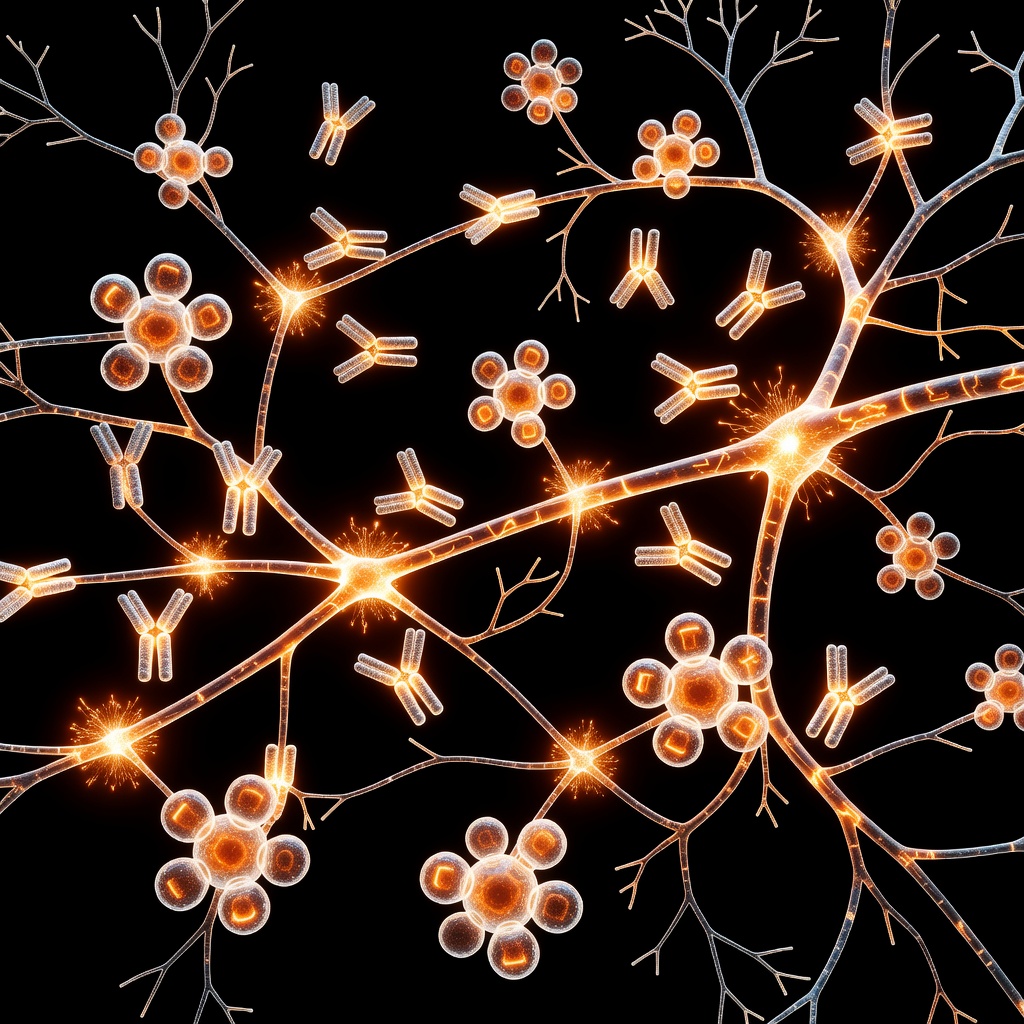
We often believe we are in control of our reactions to the world, but biology tells a different story. Stephen Porges coined the term 'neuroception' to describe the process by which our neural circuits evaluate risk in the environment without the need for conscious awareness. This process happens in the primitive parts of the brain, specifically the brainstem and the periaqueductal gray, long before the information reaches the prefrontal cortex where 'thinking' occurs. Neuroception scans for three things: safety, danger, or life-threat. It looks at the prosody of a voice, the movement of the eyes, and even the subtle tilt of a head.
In the modern world, our neuroception is constantly bombarded with 'false' signals of danger. The hum of a refrigerator can mimic the low-frequency growl of a predator; the blue light of a smartphone mimics the high-noon sun, signaling the body to stay alert; and the lack of eye contact in digital communication signals a loss of social safety. Conventional medicine and psychology often rely on 'top-down' approaches like Cognitive Behavioural Therapy (CBT), which try to change thoughts to change feelings. However, if the neuroception has already triggered a sympathetic 'fight or flight' response, the prefrontal cortex is effectively taken offline. You cannot 'think' your way out of a physiological state that was triggered subconsciously.
The evidence for this lies in the 'vagal paradoxical' responses seen in trauma survivors, where seemingly benign situations trigger intense physiological distress. To work with neuroception, we must use 'bottom-up' interventions. This involves changing the environment to signal safety to the nervous system. This might include using weighted blankets to provide proprioceptive input, listening to music with high-frequency prosody, or practicing 'gazing' exercises that engage the cranial nerves involved in social engagement (Cranial Nerves V, VII, IX, X, and XI). By acknowledging that our biology is constantly 'reading' the room, we can take active steps to curate an environment that supports a Ventral Vagal state of safety, allowing the higher brain functions of creativity and connection to flourish.
This article is provided for informational and educational purposes only. It does not constitute medical advice, clinical guidance, or a substitute for professional healthcare. Information reflects cited research at time of publication. Always consult a qualified healthcare professional before acting on any health information.
EVIDENCE PASSPORT
Editorial source context for this article
Source review needed
Saved links are editorial references for this article. They may support specific claims rather than every sentence. Open and assess each source in context. This passport does not independently verify them.
Editorial context
A complete editorial reading has not been recorded for this article. Source links remain available for you to open and assess directly.
Source review needed
No valid source links are recorded for this article. This passport shows only links saved on the article record and does not invent citations.
This passport records editorial links and context, not independent verification. Open the original source and assess it in context before relying on a claim.
Medical Disclaimer
The information in this article is for educational purposes only and does not constitute medical advice, diagnosis, or treatment. Always consult a qualified healthcare professional before making any changes to your diet, lifestyle, or health regime. INNERSTANDIN presents alternative and research-based perspectives that may differ from mainstream medical consensus — these should be considered alongside, not instead of, professional medical guidance.
Read Full DisclaimerContinue the thread
Keep this question moving.
Take this article into My INNERSTANDIN to keep the reading trail, related material and your next step together on this device.
Explore this in the Body Map
See where this hits your biology. Interactive anatomy, threats, and protective protocols.
Dig deeper in the Library
Free, longform PDF volumes that go beyond headlines into mechanisms and references.