
Blue Light Toxicity: The Circadian Mismatch Conventional Medicine Ignores
Published April 2026
Modern interior lighting creates a permanent state of biological noon, suppressing melatonin and overstimulating the melanopsin system. Conventional treatments for Seasonal Affective Disorder often exacerbate this by recommending high-intensity blue-enriched light boxes without balancing the spectrum. Understanding the ratio of blue to red light is essential for restoring the suprachiasmatic nucleus's health during winter months.
Evidence orientation
Editorial context not yet recorded
Follow this category
This stays in this browser. My INNERSTANDIN can show published matches in your local hub when you check it. It does not send email, push, or alert notifications.
Local learning review
A private browser aid for revisiting ideas. It is not an alert or a health recommendation.
Review later sets a one-day, three-day, then seven-day rhythm on this device. Choose it only when you want to revisit this article.
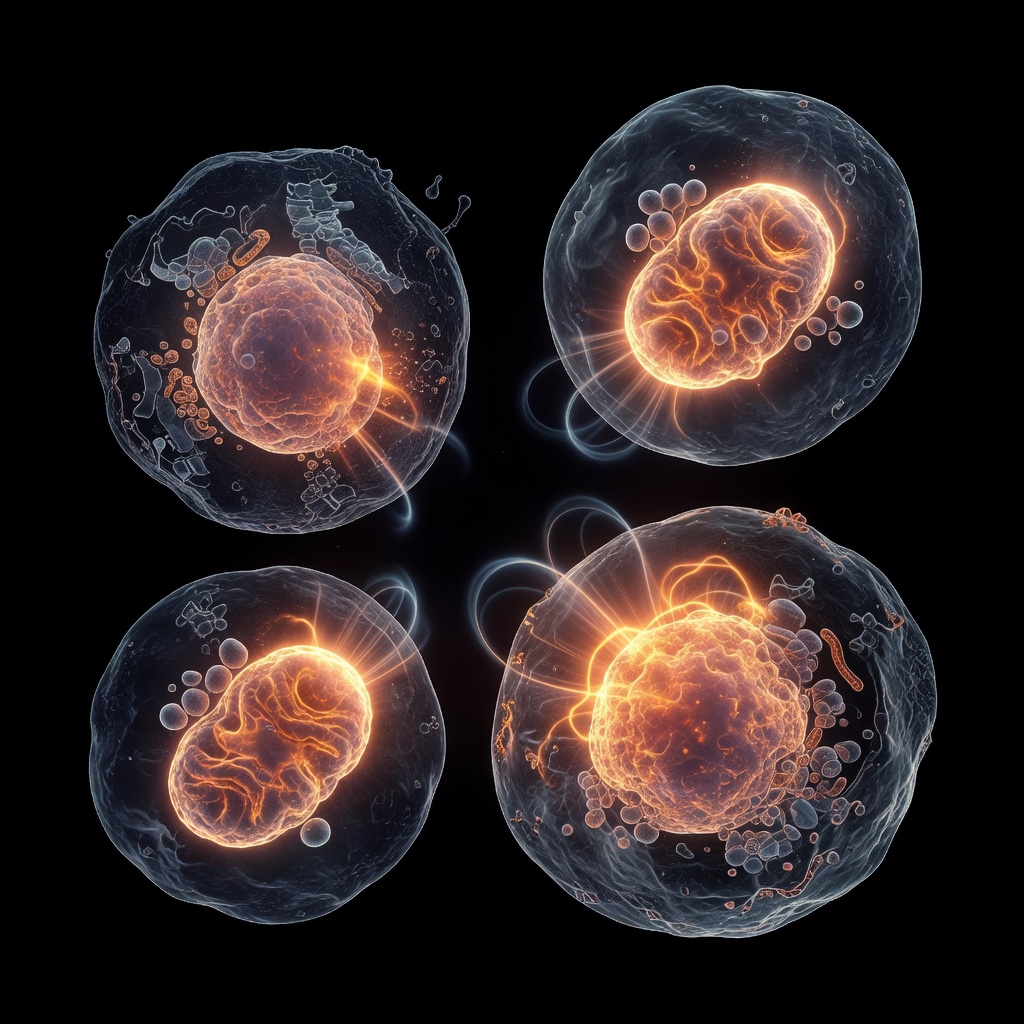
For the majority of human history, the spectrum of light we were exposed to was inextricably linked to the sun's position and the presence of fire. Today, we exist in a state of 'spectral malnutrition.' Mainstream medicine acknowledges that light affects sleep, yet it rarely discusses the toxicological impact of isolated blue light on the endocrine system. The human eye contains intrinsically photosensitive retinal ganglion cells (ipRGCs) which contain the pigment melanopsin. This system is tuned specifically to short-wavelength blue light (approximately 480nm). When this light hits the retina, it signals the suprachiasmatic nucleus (SCN)—the body's master clock—that it is high noon.
In the winter, when we compensate for darkness with high-intensity LED and fluorescent lighting, we are essentially telling our biology that the sun never sets. This creates a profound circadian mismatch. The SCN maintains a strict hierarchy; when it perceives blue light, it suppresses pineal melatonin and stimulates the release of cortisol. In a natural environment, blue light is always balanced by a high percentage of red and near-infrared light. However, modern 'cool white' LEDs have a massive blue spike and almost no red.
This 'junk light' environment causes a chronic state of hyper-cortisolemia and prevents the deep, restorative sleep necessary for mental health. Conventional S.A.D. lamps often compound the issue by using high-CRI LEDs that are blue-dominant, providing the 'alertness' signal but failing to provide the 'repair' signal found in the red end of the spectrum. To correct this, one must practice 'light hygiene' as rigorously as nutritional hygiene. This involves the use of blue-blocking technology after sunset, replacing high-K LEDs with low-color-temperature alternatives, and ensuring that any light therapy includes a balanced spectral power distribution. Research indicates that the flicker rate of many modern lights also contributes to neurological fatigue, a factor ignored by most clinical assessments of S.A.D.
By understanding the bio-physics of light, we can see that S.A.D. is not merely a lack of light, but an exposure to the wrong kind of light at the wrong time. The investigative health perspective recognizes that our hormones are essentially transducers of environmental light signals. To heal the mind during winter, we must first fix the signal we are sending to our master clock. Practical steps include utilizing red-light environments in the evening and seeking 'low-angle' sunlight in the morning to reset the circadian rhythm without the toxic load of isolated high-energy visible light.
This article is provided for informational and educational purposes only. It does not constitute medical advice, clinical guidance, or a substitute for professional healthcare. Information reflects cited research at time of publication. Always consult a qualified healthcare professional before acting on any health information.
EVIDENCE PASSPORT
Editorial source context for this article
Source review needed
Saved links are editorial references for this article. They may support specific claims rather than every sentence. Open and assess each source in context. This passport does not independently verify them.
Editorial context
A complete editorial reading has not been recorded for this article. Source links remain available for you to open and assess directly.
Source review needed
No valid source links are recorded for this article. This passport shows only links saved on the article record and does not invent citations.
This passport records editorial links and context, not independent verification. Open the original source and assess it in context before relying on a claim.
Medical Disclaimer
The information in this article is for educational purposes only and does not constitute medical advice, diagnosis, or treatment. Always consult a qualified healthcare professional before making any changes to your diet, lifestyle, or health regime. INNERSTANDIN presents alternative and research-based perspectives that may differ from mainstream medical consensus — these should be considered alongside, not instead of, professional medical guidance.
Read Full DisclaimerContinue the thread
Keep this question moving.
Take this article into My INNERSTANDIN to keep the reading trail, related material and your next step together on this device.
Explore this in the Body Map
See where this hits your biology. Interactive anatomy, threats, and protective protocols.
Dig deeper in the Library
Free, longform PDF volumes that go beyond headlines into mechanisms and references.