
Calcitriol Toxicity and K2 Deficiency: A Molecular Framework for Understanding Cardiovascular Risk
Discuss this resourceUpdated August 2026
This article explores the physiological interplay between Vitamin D3, activated calcitriol, and Vitamin K2, detailing how imbalanced supplementation leads to vascular calcification and cardiovascular risk.
Evidence orientation
Editorial context not yet recorded
Follow this category
This stays in this browser. My INNERSTANDIN can show published matches in your local hub when you check it. It does not send email, push, or alert notifications.
Local learning review
A private browser aid for revisiting ideas. It is not an alert or a health recommendation.
Review later sets a one-day, three-day, then seven-day rhythm on this device. Choose it only when you want to revisit this article.
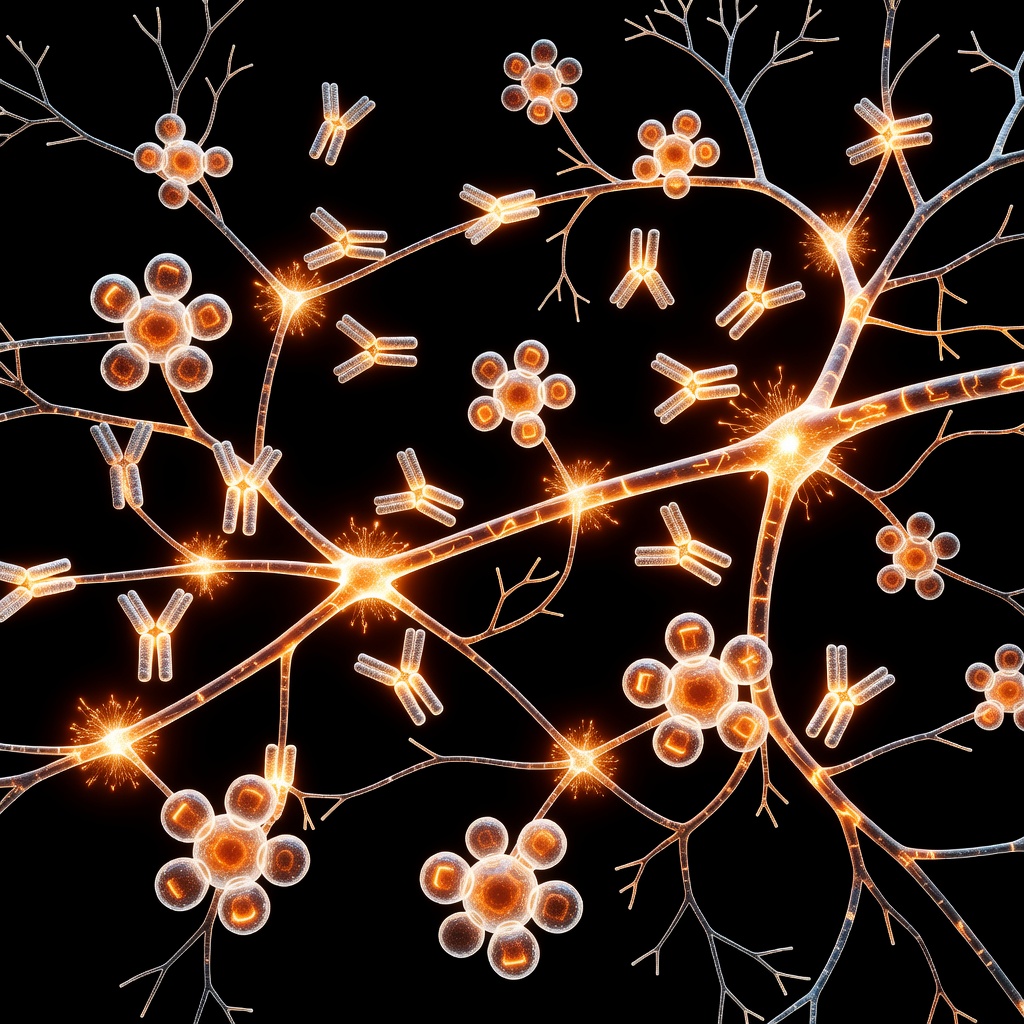
At INNERSTANDING, we emphasize the molecular dance between nutrients. Nowhere is this more critical than in the relationship between Vitamin D3 and Vitamin K2. While D3 is essential for immune function and calcium absorption, an unmanaged D3 protocol can inadvertently lead to calcitriol toxicity and subsequent cardiovascular damage.
The Mechanism of Calcitriol
Vitamin D3 (cholecalciferol) is converted in the liver to 25(OH)D and subsequently in the kidneys to 1,25-dihydroxyvitamin D3, known as calcitriol. Calcitriol is a potent steroid hormone that acts as a calcium-shuttling agent. It increases the expression of calcium-binding proteins, such as calbindin, in the intestinal mucosa, effectively dumping massive amounts of calcium into the bloodstream.
When D3 Becomes a Liability
If you supplement with high-dose D3 without ensuring adequate K2 levels, you create a metabolic bottleneck. Calcitriol significantly increases intestinal calcium absorption. If the serum calcium level exceeds the storage capacity of the skeletal matrix, calcium begins to migrate into soft tissues—specifically the arterial walls.
The Role of Vitamin K2: The Molecular Traffic Controller
Vitamin K2 acts as the mandatory supervisor for calcium. It activates Matrix Gla Protein (MGP), the most potent inhibitor of vascular calcification currently known to science. MGP requires carboxylation by Vitamin K2 to function. Without sufficient K2, MGP remains inactive, allowing calcium to precipitate into arterial plaques. This is the primary driver of arterial stiffness and the subsequent cardiovascular risk often attributed to high-dose Vitamin D therapy.
Root Cause Analysis: The Synergy Protocol
The goal of our Synergy Protocol is not just to reach a blood serum level of Vitamin D, but to maintain metabolic homeostasis. If you increase the flux of calcium through the gut via D3, you must proportionally increase the carboxylation capacity of your peripheral tissues via K2 (specifically MK-7). Without this pairing, you are essentially accelerating vascular aging.
Clinical Implications
Symptoms of sub-clinical calcitriol toxicity or 'D3-induced K2 deficiency' often manifest as palpitations, vascular tightness, or hypercalcemia. For long-term health, we recommend a consistent ratio-based approach. By ensuring that your D3 intake is supported by a robust intake of MK-7, you prevent the ectopic deposition of calcium, shifting the nutrient from a potential toxin to a vessel-protecting asset.
This article is provided for informational and educational purposes only. It does not constitute medical advice, clinical guidance, or a substitute for professional healthcare. Information reflects cited research at time of publication. Always consult a qualified healthcare professional before acting on any health information.
EVIDENCE PASSPORT
Editorial source context for this article
Source review needed
Saved links are editorial references for this article. They may support specific claims rather than every sentence. Open and assess each source in context. This passport does not independently verify them.
Editorial context
A complete editorial reading has not been recorded for this article, and no source links are saved on its record.
Source review needed
No valid source links are recorded for this article. Supplementary research, where available, is listed separately below.
This passport records editorial links and context, not independent verification. Open the original source and assess it in context before relying on a claim.
Medical Disclaimer
The information in this article is for educational purposes only and does not constitute medical advice, diagnosis, or treatment. Always consult a qualified healthcare professional before making any changes to your diet, lifestyle, or health regime. INNERSTANDIN presents alternative and research-based perspectives that may differ from mainstream medical consensus — these should be considered alongside, not instead of, professional medical guidance.
Read Full DisclaimerContinue the thread
Keep this question moving.
Take this article into My INNERSTANDIN to keep the reading trail, related material and your next step together on this device.
Explore this in the Body Map
Explore related body structures and their educational pages in the interactive Body Map.
Dig deeper in the Library
Free, longform PDF volumes that go beyond headlines into mechanisms and references.