
Ceramic Glazes: The Hidden Heavy Metal Burden
Published April 2026
A deep dive into the hidden lead and cadmium risks associated with ceramic glazes and the long-term biological consequences of heavy metal sequestration.
Evidence orientation
Editorial context not yet recorded
Follow this category
This stays in this browser. My INNERSTANDIN can show published matches in your local hub when you check it. It does not send email, push, or alert notifications.
Local learning review
A private browser aid for revisiting ideas. It is not an alert or a health recommendation.
Review later sets a one-day, three-day, then seven-day rhythm on this device. Choose it only when you want to revisit this article.
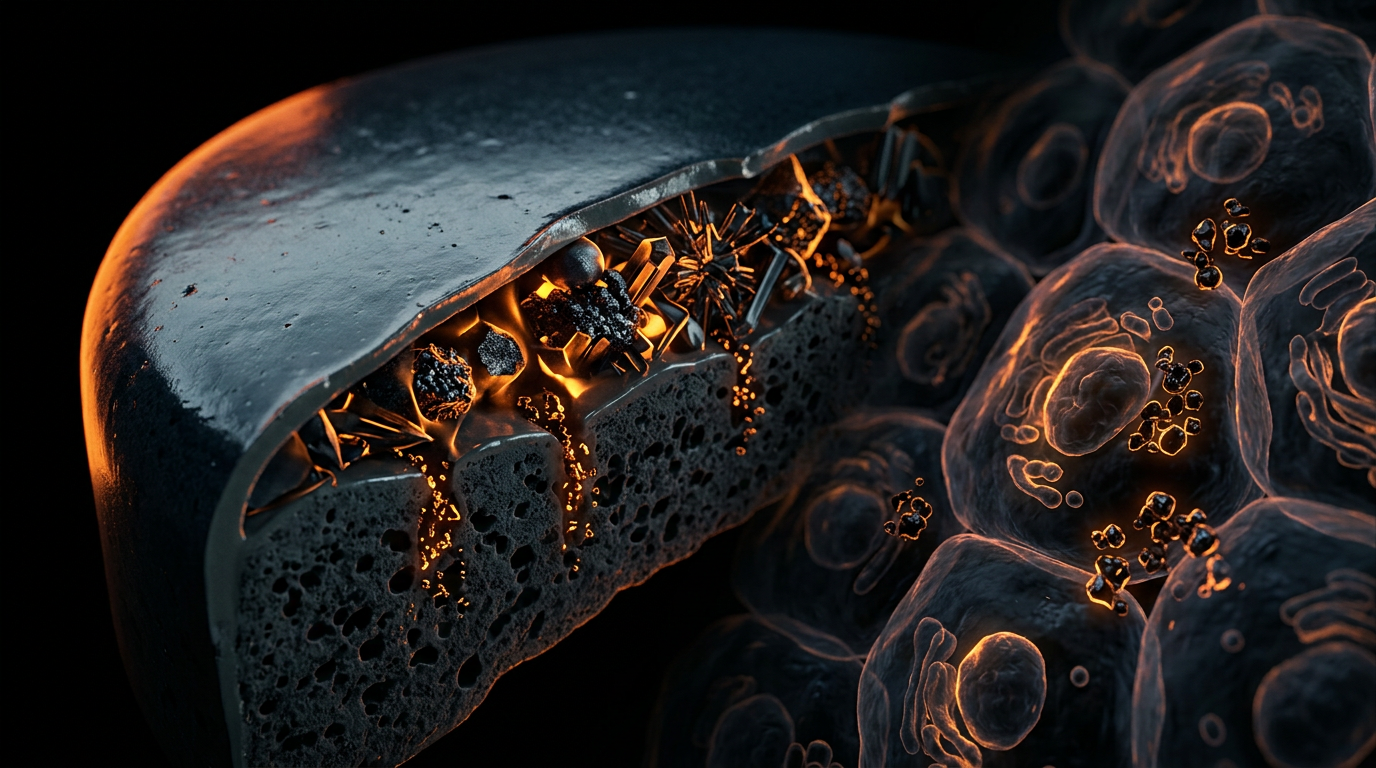
The resurgence of 'traditional' and 'artisan' ceramic cookware has brought with it a hidden danger that predates modern synthetic polymers: heavy metal poisoning. While ceramics are often marketed as the 'natural' choice for the health-conscious consumer, the alchemy of ceramic glazes frequently involves the use of lead and cadmium to achieve vibrant colours and a smooth, glass-like finish. Mainstream safety standards in the UK regulate the amount of metal that can leach into a simulated acidic solution, but these tests rarely account for the years of wear, thermal cycling, and micro-cracking that occur in a working kitchen. For the investigative mind, the concern is the chronic, low-dose migration of these potent nephrotoxins and neurotoxins into the daily diet. --- The Alchemy of Pigmentation and Glaze Integrity --- Lead is primarily used in glazes for its ability to lower the melting point and provide a high-gloss finish, while cadmium is the source of brilliant reds and yellows. When these vessels are heated, or when they come into contact with acidic foods, the molecular matrix of the glaze can become unstable.
This is particularly prevalent in 'handcrafted' items from regions with less stringent oversight, but even 'safe' commercial brands can degrade over time. Once lead enters the bloodstream, it mimics calcium, allowing it to be stored in the bones where it can remain for decades. During periods of high bone turnover—such as pregnancy, menopause, or ageing—this sequestered lead can be remobilised, creating a secondary wave of toxicity. --- Biological Sequestration and Bone Density --- Cadmium, conversely, has a particular affinity for the kidneys. It accumulates in the proximal tubule cells, where it can cause oxidative damage and interfere with the reabsorption of essential nutrients. The biological half-life of cadmium in the human body is estimated at 10 to 30 years.
This means that even small exposures from a favourite ceramic mug or baking dish can result in a significant cumulative burden. The investigative link between heavy metal exposure and 'unexplained' chronic fatigue or renal dysfunction is often missed because clinicians look for acute poisoning symptoms rather than the slow erosion of biological resilience. --- Evaluating Modern Alternatives --- For those seeking the aesthetic of ceramic without the heavy metal risk, it is vital to look for 'third-party lab tested' certifications that go beyond basic regulatory compliance. Ideally, one should opt for 100% pure ceramic that is fired at high temperatures without the need for toxic glazes, or better yet, high-quality enamelled cast iron from reputable European manufacturers who use lead-free frit. Understanding the chemistry of your kitchenware is not about paranoia; it is about reclaiming the sovereignty of your domestic environment from the residues of industrial convenience.
This article is provided for informational and educational purposes only. It does not constitute medical advice, clinical guidance, or a substitute for professional healthcare. Information reflects cited research at time of publication. Always consult a qualified healthcare professional before acting on any health information.
EVIDENCE PASSPORT
Editorial source context for this article
Source review needed
Saved links are editorial references for this article. They may support specific claims rather than every sentence. Open and assess each source in context. This passport does not independently verify them.
Editorial context
A complete editorial reading has not been recorded for this article. Source links remain available for you to open and assess directly.
Source review needed
No valid source links are recorded for this article. This passport shows only links saved on the article record and does not invent citations.
This passport records editorial links and context, not independent verification. Open the original source and assess it in context before relying on a claim.
Medical Disclaimer
The information in this article is for educational purposes only and does not constitute medical advice, diagnosis, or treatment. Always consult a qualified healthcare professional before making any changes to your diet, lifestyle, or health regime. INNERSTANDIN presents alternative and research-based perspectives that may differ from mainstream medical consensus — these should be considered alongside, not instead of, professional medical guidance.
Read Full DisclaimerContinue the thread
Keep this question moving.
Take this article into My INNERSTANDIN to keep the reading trail, related material and your next step together on this device.
Dig deeper in the Library
Free, longform PDF volumes that go beyond headlines into mechanisms and references.