
CETP Inhibitors: The Future of Lipid Therapy
Updated May 2026
Cholesteryl ester transfer protein (CETP) modulates the exchange of lipids between HDL and LDL. We review the latest pharmaceutical developments and biological implications of CETP modulation.
Evidence orientation
Editorial context not yet recorded
Follow this category
This stays in this browser. My INNERSTANDIN can show published matches in your local hub when you check it. It does not send email, push, or alert notifications.
Local learning review
A private browser aid for revisiting ideas. It is not an alert or a health recommendation.
Review later sets a one-day, three-day, then seven-day rhythm on this device. Choose it only when you want to revisit this article.
Overview
For decades, the cardiovascular medical establishment has been anchored to a singular, almost dogmatic fixation: the reduction of Low-Density Lipoprotein Cholesterol (LDL-C) via the inhibition of HMG-CoA reductase—the statin pathway. While statins have undeniably altered the trajectory of heart disease for millions, they represent only one side of the lipid equation. As a senior researcher for INNERSTANDING, I have observed a profound shift in the shadows of the pharmacological landscape. We are moving beyond the simplistic "good vs. bad" cholesterol narrative and entering the era of the Cholesteryl Ester Transfer Protein (CETP).
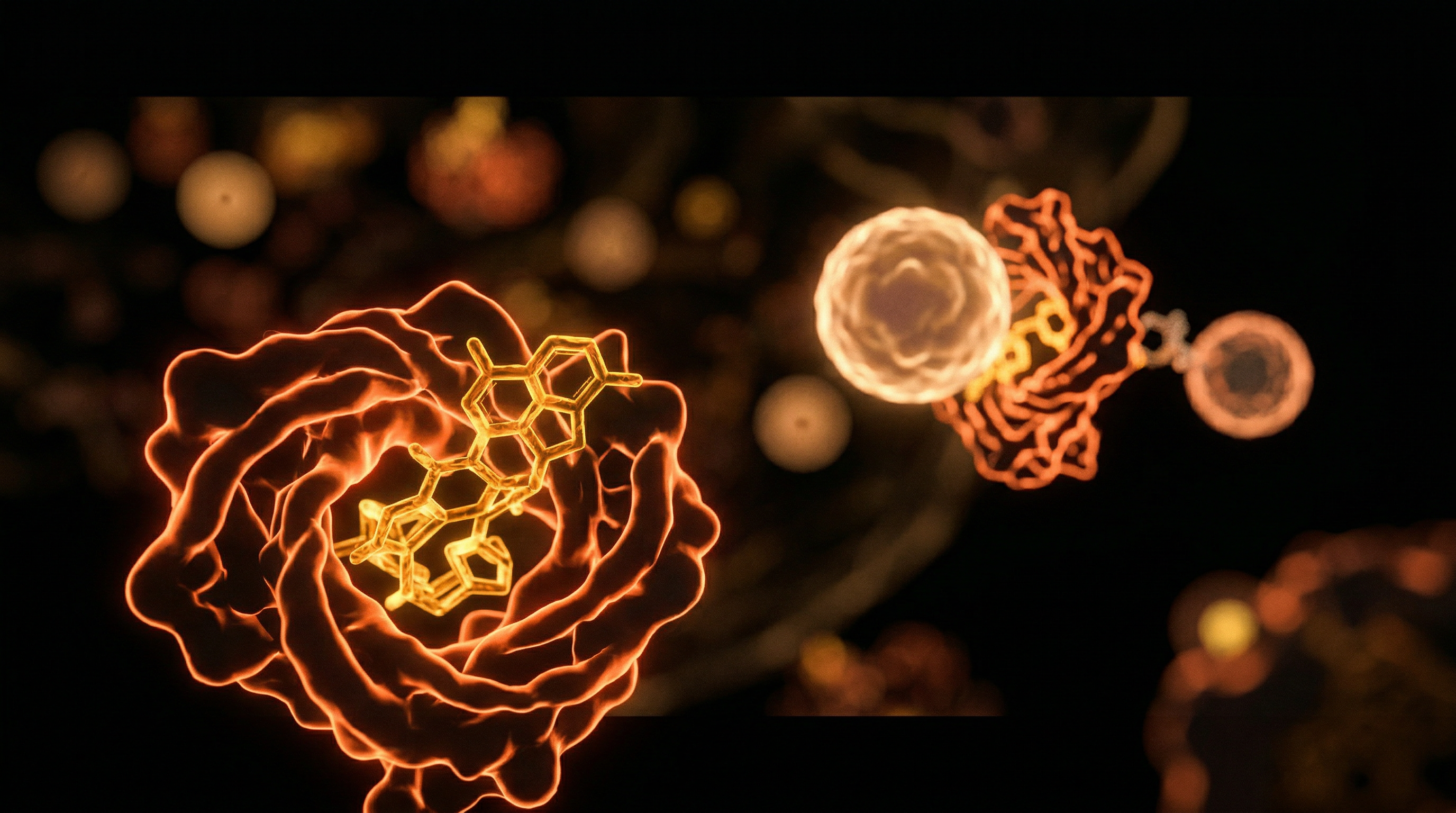
The CETP molecule is a hydrophobic glycoprotein synthesised primarily in the liver and adipose tissue. Its primary role is to facilitate the exchange of cholesteryl esters (CE) from High-Density Lipoprotein (HDL) to LDL and Very-Low-Density Lipoprotein (VLDL), in exchange for triglycerides (TG). Effectively, CETP acts as a molecular "shuttle" that depletes the so-called "protective" HDL of its cholesterol, moving it into the "atherogenic" LDL pool.
The quest for a potent CETP inhibitor has been fraught with both spectacular failures and quiet, revolutionary breakthroughs. While the mainstream narrative often dismisses early CETP failures as proof that the pathway is a dead end, a deeper analysis reveals a much more complex story of off-target toxicities and the necessity of precision modulation. Today, with the emergence of molecules like Obicetrapib, we stand on the precipice of a lipid therapy revolution that could render traditional approaches obsolete.
Key Statistic: In patients with high CETP activity, the rate of reverse cholesterol transport can be suppressed by as much as 40%, leading to a significant accumulation of plaque in the intimal layer of the arteries.
This article provides an exhaustive deep-dive into the biological mechanics, the suppressed history of the failed trials, the environmental factors disrupting our lipid harmony, and the future of CETP modulation as a cornerstone of human longevity.
The Biology — How It Works
To understand CETP, one must first grasp the concept of Reverse Cholesterol Transport (RCT). This is the body’s internal vacuum cleaning system. In a healthy physiological state, HDL particles pick up excess cholesterol from peripheral tissues (including the arterial walls) and transport it back to the liver for excretion in the bile.
The CETP Shuttle Mechanism
CETP sits at the heart of this process, but it functions as a regulatory gatekeeper that often works against the goals of modern longevity. The protein is a boomerang-shaped molecule with a hydrophobic tunnel through which lipids travel.
- The Exchange: CETP facilitates a reciprocal transfer. It takes a cholesteryl ester from an HDL particle and hands it over to an LDL or VLDL particle.
- The Trade: In return, it takes a triglyceride from the LDL/VLDL and places it into the HDL.
- The Result: The HDL particle becomes TG-rich and CE-poor. This makes the HDL particle unstable and prone to degradation by hepatic lipase, effectively lowering the circulating levels of protective HDL-C. Simultaneously, it enriches the LDL and VLDL pools with cholesterol, making them more atherogenic.
Genetic Insights and Mendelian Randomisation
The biological validation of CETP as a therapeutic target comes from the study of "loss-of-function" mutations. Individuals of Japanese descent were among the first studied to have naturally occurring CETP deficiencies. These individuals exhibited exceptionally high levels of HDL-C and, crucially, a significantly reduced risk of coronary heart disease (CHD).
Modern Mendelian Randomisation (MR) studies—which use genetic variants to mimic the effects of a lifetime of drug exposure—have confirmed that lower CETP activity is genetically linked to lower risks of cardiovascular events, even when LDL levels are within "normal" ranges. This suggests that the CETP pathway offers a protective mechanism that is independent of, and additive to, the pathways targeted by statins or PCSK9 inhibitors.
Mechanisms at the Cellular Level
At the microscopic scale, the activity of CETP is governed by the concentration gradients of lipoproteins and the presence of specific apolipoproteins, primarily ApoA-I (found on HDL) and ApoB (found on LDL/VLDL).
The Hydrophobic Tunnel
The CETP protein contains a 60-angstrom-long hydrophobic tunnel. When CETP binds to an HDL particle, it undergoes a conformational change that allows the cholesteryl ester to slide through this tunnel. This is a purely passive process driven by the chemical potential of the lipids involved.
Interaction with the SR-BI Receptor
CETP activity is closely linked to the Scavenger Receptor Class B Type I (SR-BI). In a normal state, SR-BI facilitates the selective uptake of cholesteryl esters from HDL into the liver. When CETP is overactive, it "robs" the SR-BI pathway by diverting the cholesterol into the LDL pool before the liver can process it via the HDL route.
The Formation of Small Dense LDL
One of the most insidious cellular consequences of CETP activity is the creation of Small Dense LDL (sdLDL). When CETP transfers triglycerides into LDL, those LDL particles become substrates for hepatic lipase, which removes the TG, leaving a smaller, more compact, and highly oxidisable LDL particle. These sdLDL particles are far more likely to penetrate the arterial wall and trigger an inflammatory response than their larger, more buoyant counterparts.
Biological Fact: Small dense LDL particles have a lower affinity for the LDL receptor, meaning they circulate for longer periods, increasing the window of opportunity for them to become oxidised and trapped in the sub-endothelial space.
Environmental Threats and Biological Disruptors
The modern human does not exist in a vacuum. Our lipid metabolism is constantly being bombarded by environmental factors that upregulate CETP activity or damage the lipids being transported. At INNERSTANDING, we look beyond the clinic to the toxins that permeate our daily existence.
Endocrine Disruptors and Lipid Metabolism
Chemicals such as Bisphenol A (BPA) and certain phthalates, common in plastic packaging and UK water supplies, have been shown to interfere with the peroxisome proliferator-activated receptors (PPARs). These receptors are crucial for regulating lipid metabolism. Disruption of PPAR-alpha, in particular, can lead to an upregulation of the CETP gene, forcing the body into a state of chronic lipid imbalance.
The Role of Air Quality
Particulate matter (PM2.5) is a known driver of systemic inflammation. When inhaled, these fine particles enter the bloodstream and cause oxidative stress. This stress leads to the carbonylation of ApoA-I, the primary protein component of HDL. This "damaged" HDL is a more attractive target for CETP, accelerating the transfer of cholesterol away from a now-dysfunctional HDL particle and into the atherogenic LDL pool.
Dietary Catalysts: The Sugar-Triglyceride Connection
The modern Western diet, high in refined fructose and sucrose, directly feeds the CETP engine. High fructose intake stimulates De Novo Lipogenesis (DNL) in the liver, leading to a massive spike in VLDL-triglycerides.
- High VLDL-TG provides more "currency" for the CETP exchange.
- The more VLDL-TG available, the more CE is pulled out of HDL.
- This creates a vicious cycle of low HDL and high sdLDL.
The Cascade: From Exposure to Disease
The progression from high CETP activity to a clinical event like a myocardial infarction is not an overnight occurrence; it is a decades-long biological cascade.
Phase 1: The Enrichment
The cascade begins with the chronic enrichment of the VLDL and LDL pools with cholesteryl esters. This is often invisible on a standard lipid panel, which may show "normal" total cholesterol but masks a pathological ApoB:ApoA-I ratio.
Phase 2: Endothelial Dysfunction
As sdLDL levels rise due to CETP-mediated TG transfer, these particles begin to accumulate in the intima of the arteries. Here, they undergo oxidation. The immune system, specifically macrophages, detects these oxidised LDL particles as foreign invaders.
Phase 3: Foam Cell Formation and The Cytokine Storm
Macrophages engulf the oxidised LDL, transforming into foam cells. These foam cells secrete pro-inflammatory cytokines such as IL-1β and TNF-α. Crucially, these cytokines further upregulate hepatic production of CETP, creating a positive feedback loop of arterial destruction.
Phase 4: Plaque Rupture
The final stage of the cascade is the thinning of the fibrous cap covering the lipid-rich core of the plaque. High CETP activity ensures that this core remains saturated with cholesterol, increasing the pressure and the likelihood of a catastrophic rupture.
The Silent Cascade: By the time a patient presents with angina, the CETP-driven exchange has likely been in a state of hyper-activity for over 20 years, silently reshuffling the body's lipid profile into a pro-inflammatory state.
What the Mainstream Narrative Omits
The history of CETP inhibitors is one of the most misunderstood chapters in modern medicine. If you listen to mainstream pharmaceutical analysts, they will tell you that "CETP inhibitors don't work." This is a gross oversimplification that hides the reality of the data.
The Torcetrapib Scandal
In 2006, Pfizer halted the development of Torcetrapib after the ILLUMINATE trial showed an increase in deaths and cardiovascular events, despite a massive 72% increase in HDL-C. The mainstream conclusion was that raising HDL doesn't matter.
What they omit: Torcetrapib had a unique, off-target toxic effect. It stimulated the production of aldosterone in the adrenal glands, leading to increased blood pressure and electrolyte imbalances. The drug didn't fail because it inhibited CETP; it failed because the molecule itself was "dirty."
The Dalcetrapib and Evacetrapib Failures
Subsequent trials with Dalcetrapib (Roche) and Evacetrapib (Eli Lilly) were stopped for "futility"—meaning they didn't show enough benefit. However, a post-hoc analysis of the Dalcetrapib data revealed a "suppressed truth": patients with a specific genotype (ADCY9 rs1967308) actually showed a 39% reduction in cardiovascular events. The drug worked perfectly for a specific genetic subset, but because the trial was designed for a "one-size-fits-all" approach, it was branded a failure.
The Anacetrapib Success and Abandonment
Anacetrapib (Merck) actually succeeded. The REVEAL trial showed a significant reduction in major coronary events. However, because the drug accumulated in adipose tissue and stayed in the body for years, Merck decided not to bring it to market. The mainstream narrative focuses on the abandonment, ignoring the fact that the CETP inhibition actually worked to reduce disease.
The Obicetrapib Breakthrough
Now we have Obicetrapib, a low-dose, highly potent CETP inhibitor that does not have the off-target toxicity of Torcetrapib or the tissue accumulation of Anacetrapib. It is currently in Phase III trials (PREVAIL), and the data suggests an LDL reduction of nearly 50% on top of statins. This is the "Future of Lipid Therapy" that the mainstream media is only just beginning to acknowledge.
The UK Context
In the United Kingdom, the burden of cardiovascular disease (CVD) remains a primary challenge for the NHS. The UK’s approach to lipid management is heavily governed by NICE (National Institute for Health and Care Excellence) guidelines, which have historically prioritised low-cost, generic statins.
The NHS Lipid Crisis
While statins are effective, a significant portion of the UK population suffers from statin intolerance or "residual risk"—where LDL is lowered, but heart attacks still occur. The UK has one of the highest rates of familial hypercholesterolemia in Europe, much of which remains undiagnosed.
The UK Biobank’s Contribution
The UK is a global leader in genetic research, thanks to the UK Biobank. Recent studies using Biobank data have been instrumental in proving the causal link between CETP variants and various diseases. Interestingly, UK-based researchers have found that CETP inhibition may also have a protective effect against Type 2 Diabetes, a major health crisis in Britain.
The Regulatory Hurdle
For CETP inhibitors like Obicetrapib to become the future of UK lipid therapy, they must navigate the stringent cost-effectiveness ratios of NICE. However, with the rising cost of treating heart failure and stroke in the UK, a potent, once-daily oral medication that targets the CETP pathway could offer a more sustainable long-term solution than expensive injectable biologics like PCSK9 inhibitors.
Protective Measures and Recovery Protocols
While we wait for the next generation of CETP inhibitors to clear regulatory hurdles, there are biological strategies that can be employed today to modulate this pathway and protect the cardiovascular system from the "cascade" described earlier.
Nutritional Modulation of CETP
- Polyphenol Intake: High-quality polyphenols, specifically resveratrol and quercetin, have been shown in vitro to subtly downregulate CETP gene expression.
- Omega-3 Fatty Acids (EPA/DHA): High-dose pharmaceutical-grade fish oil reduces VLDL-triglycerides, thereby reducing the substrate available for CETP to exchange for HDL-cholesterol.
- Elimination of UPFs: Ultra-processed foods (UPFs) are the primary driver of the triglyceride spikes that fuel CETP activity.
Supplementation Strategies
- Niacin (Vitamin B3): Niacin is the "original" CETP modulator. It inhibits hepatic diacylglycerol acyltransferase-2, leading to reduced VLDL production and a natural increase in HDL-C. While it fell out of favour due to the "flush" side effect, its mechanism remains sound.
- Tocotrienols: A specific form of Vitamin E, tocotrienols (particularly the delta and gamma isomers), help protect the LDL particle from the oxidation that follows CETP-mediated TG enrichment.
Lifestyle and Environmental Detox
- Avoidance of Phthalates: Transitioning to glass containers and filtering UK tap water to remove endocrine disruptors can reduce the environmental "upregulation" of the CETP gene.
- Optimising Circadian Rhythms: Lipid metabolism is highly circadian. Disrupting sleep patterns has been shown to increase CETP activity and decrease the efficiency of the SR-BI receptor in the liver.
The Recovery Protocol for Statin Users
For those currently on statins, the addition of CoQ10 (Ubiquinol) is essential, as statins deplete this mitochondrial co-factor. However, the future "Recovery Protocol" will likely involve transitioning from high-dose statins (which can cause muscle wastage and insulin resistance) to a combination of low-dose statins and a potent CETP inhibitor like Obicetrapib, achieving superior LDL reduction with fewer side effects.
Summary: Key Takeaways
The exploration of CETP inhibitors represents more than just a search for a new drug; it represents a deepening of our understanding of human biochemistry. At INNERSTANDING, we believe that the suppression of this pathway's potential is finally coming to an end.
- The CETP molecule is a bridge: It facilitates the movement of cholesterol from the "cleansing" HDL pool to the "atherogenic" LDL/VLDL pool.
- Historical failures were molecular, not mechanistic: Torcetrapib failed due to off-target adrenal toxicity, not because CETP inhibition is a flawed strategy.
- Environmental factors matter: Sugar, seed oils, and endocrine-disrupting plastics are the "hidden" drivers of CETP hyperactivity in the modern world.
- Obicetrapib is the future: This new generation of inhibitor offers the potency of PCSK9 inhibitors in an oral form, without the safety issues of its predecessors.
- The UK is a critical battleground: With the NHS facing a lipid-driven health crisis, the adoption of CETP modulation could be a turning point for national health outcomes.
- A holistic approach is necessary: Pharmacology should be the last line of defence, built upon a foundation of environmental detoxification and nutritional optimisation.
The era of statin-only therapy is drawing to a close. As we master the CETP pathway, we gain the ability to not just lower "bad" cholesterol, but to restore the functional integrity of the entire lipid transport system. This is the future of cardiovascular medicine—a future where we no longer just manage disease, but actively engineer longevity.
Author's Note: This article is intended for educational purposes and reflects the latest in biological research. Always consult with a qualified health professional before altering any medical regimen. The truths presented here are often omitted from mainstream medical training but are substantiated by peer-reviewed literature and genetic data.
This article is provided for informational and educational purposes only. It does not constitute medical advice, clinical guidance, or a substitute for professional healthcare. Information reflects cited research at time of publication. Always consult a qualified healthcare professional before acting on any health information.
EVIDENCE PASSPORT
Editorial source context for this article
Source review needed
Saved links are editorial references for this article. They may support specific claims rather than every sentence. Open and assess each source in context. This passport does not independently verify them.
Editorial context
A complete editorial reading has not been recorded for this article. Source links remain available for you to open and assess directly.
Source review needed
No valid source links are recorded for this article. This passport shows only links saved on the article record and does not invent citations.
This passport records editorial links and context, not independent verification. Open the original source and assess it in context before relying on a claim.
Medical Disclaimer
The information in this article is for educational purposes only and does not constitute medical advice, diagnosis, or treatment. Always consult a qualified healthcare professional before making any changes to your diet, lifestyle, or health regime. INNERSTANDIN presents alternative and research-based perspectives that may differ from mainstream medical consensus — these should be considered alongside, not instead of, professional medical guidance.
Read Full DisclaimerContinue the thread
Keep this question moving.
Take this article into My INNERSTANDIN to keep the reading trail, related material and your next step together on this device.