
Cholesterol & Lipid Science: Dismantling the Greatest Medical Myth of the 20th Century
Updated May 2026
Cholesterol is not a poison — it is the foundational molecule for every steroid hormone, nerve sheath, and cell membrane in the human body. This definitive guide exposes the fraudulent science that demonised dietary fat, the true drivers of cardiovascular disease, and why 8 million UK adults are taking statins they may not need.
Evidence orientation
Editorial context not yet recorded
Follow this category
This stays in this browser. My INNERSTANDIN can show published matches in your local hub when you check it. It does not send email, push, or alert notifications.
Local learning review
A private browser aid for revisiting ideas. It is not an alert or a health recommendation.
Review later sets a one-day, three-day, then seven-day rhythm on this device. Choose it only when you want to revisit this article.
Overview
For decades, the clinical landscape of cardiovascular medicine has been dominated by the "Lipid Hypothesis"—a reductionist paradigm suggesting a direct, linear correlation between serum cholesterol levels and the pathogenesis of atherosclerosis. However, as we delve deeper into the molecular architecture of lipidology at INNERSTANDIN, it becomes increasingly evident that this 20th-century dogma fails to account for the nuanced biochemical reality of human metabolism. The simplistic vilification of low-density lipoprotein (LDL) as "bad cholesterol" ignores its fundamental physiological roles, from maintaining the structural integrity of the phospholipid bilayer to serving as a primary precursor for steroidogenesis, bile acid synthesis, and Vitamin D production.
The historical trajectory of this myth can be traced back to flawed epidemiological data, most notably the Seven Countries Study, which conflated correlation with causation and ignored the confounding variables of refined carbohydrate intake and systemic inflammation. Contemporary research, published in journals such as The Lancet and BMJ, now necessitates a more sophisticated analysis of lipid sub-fractions. It is not the total concentration of cholesterol that dictates cardiovascular risk, but rather the qualitative state of the lipoprotein carriers. We must distinguish between large, buoyant LDL particles and small, dense LDL (sdLDL) particles, the latter of which are significantly more prone to glycation and oxidation. These oxidised LDL (oxLDL) molecules possess a high affinity for the sub-endothelial space, where they trigger a cascade of inflammatory responses, macrophage recruitment, and the subsequent formation of foam cells—the hallmark of the fatty streak.
Furthermore, the emerging dominance of Apolipoprotein B (ApoB) as a superior predictive marker over traditional LDL-C metrics signals a pivotal shift in the UK’s clinical focus. While the National Institute for Health and Care Excellence (NICE) continues to utilise the QRISK3 tool, the biological reality understood at INNERSTANDIN points toward the total atherogenic particle count as the primary driver of endothelial dysfunction. We must also examine the "cholesterol-heart hypothesis" through the lens of mitochondrial bioenergetics; cholesterol is essential for the stability of mitochondrial membranes, and its aggressive depletion via high-dose statin therapy has been linked to myopathic complications and metabolic disturbances. This overview serves as the foundation for a total reassessment of lipid science, moving beyond the "clogged pipe" analogy toward an integrated understanding of haemo-metabolic health, where cholesterol is recognised not as a primary toxin, but as a vital biological substrate often caught in the crossfire of systemic metabolic dysfunction.
The Biology — How It Works
To dismantle the reductionist "clogged pipe" metaphor that has dominated British clinical practice for decades, we must first address the nuanced biophysics of the lipid transport system. At the core of this biological architecture is the sterol molecule itself: 27 carbons arranged in a four-ringed hydrocarbon structure. Cholesterol is not a metabolic waste product nor a dietary poison; it is an essential structural component of the lipid bilayer, dictating membrane fluidity and the integrity of lipid rafts. Without adequate endogenous synthesis, primarily via the mevalonate pathway in the liver, cellular signalling and ion permeability would be catastrophically compromised.
The prevailing myth rests on the conflation of the cargo with the vehicle. Cholesterol is hydrophobic and requires transport via lipoproteins—complex assemblies of phospholipids, triglycerides, and specialised proteins known as apolipoproteins. Low-Density Lipoprotein (LDL) is often mislabelled as "bad cholesterol," yet its biological role is the systemic distribution of fat-soluble vitamins (A, D, E, and K) and antioxidants like CoQ10 to peripheral tissues. Research published in The Lancet and various BMJ meta-analyses increasingly suggests that the total mass of cholesterol within these particles (LDL-C) is a poor predictor of cardiovascular events compared to the total number of particles, specifically those marked by Apolipoprotein B (ApoB).
The pathogenic process is not driven by the presence of cholesterol, but by the oxidative and inflammatory modification of these particles. When an LDL particle becomes small and dense (Pattern B), it is more susceptible to glycation and oxidation ($oxLDL$) within the sub-endothelial space. It is only when the vascular endothelium is damaged—typically through chronic hyperinsulinaemia, oxidative stress, or hypertension—that these particles become trapped in the proteoglycan matrix. This triggers a "response-to-injury" cascade: macrophages infiltrate the arterial wall to engulf $oxLDL$, transforming into foam cells and forming the fatty streak. Critically, cholesterol is the "fireman" sent to the site of inflammation to assist in cellular repair, yet it has been historically blamed for the fire itself.
At INNERSTANDIN, we recognise that the brain contains approximately 25% of the body’s total cholesterol, despite representing only 2% of total body mass. It is indispensable for the formation of myelin sheaths and synaptic vesicle fusion. Furthermore, cholesterol is the obligatory precursor for the synthesis of steroid hormones—including cortisol, oestrogen, and testosterone—and the production of bile acids required for fat digestion. When we aggressively suppress its synthesis using HMG-CoA reductase inhibitors (statins) without accounting for the pleiotropic requirements of the human system, we risk disrupting the delicate endocrine and neurological homeostasis that defines optimal health. The biological reality is that high serum cholesterol often reflects a systemic demand for repair or a failure in the reverse cholesterol transport (RCT) pathway mediated by HDL, rather than a primary causative agent of atherosclerosis. The "myth" is the failure to distinguish between a vital biological building block and the pathological environment that renders it volatile.
Mechanisms at the Cellular Level
To move beyond the reductionist 'clogged pipe' narrative that has dominated British clinical practice for decades, we must interrogate the lipidome through the lens of cellular bioenergetics and membrane integrity. At the INNERSTANDIN level of analysis, cholesterol is not a pathological vagrant but a fundamental architectural requirement for the mammalian phospholipid bilayer. It is the primary modulator of membrane fluidity and the orchestrator of lipid rafts—specialised microdomains that compartmentalise transmembrane signalling pathways and facilitate the assembly of signalling molecules.
The traditional lipid hypothesis asserts that elevated circulating Low-Density Lipoprotein (LDL) particles are inherently atherogenic. However, cellular biochemistry reveals a far more nuanced reality: the pathogenicity of LDL is a function of its biochemical modification rather than its mere presence. In a healthy physiological state, the endothelium is shielded by the glycocalyx, a delicate, carbohydrate-rich layer that regulates vascular permeability. Research published in The Lancet and Atherosclerosis suggests that the initiation of the atherosclerotic lesion is not triggered by cholesterol 'seeping' into the arterial wall, but by the degradation of this glycocalyx, often driven by chronic hyperinsulinaemia and oxidative stress.
When the glycocalyx is compromised, the sub-endothelial space becomes vulnerable to the retention of small dense LDL (sdLDL) particles. Unlike their large, buoyant counterparts, sdLDL particles possess a higher affinity for arterial proteoglycans, leading to their sequestration. Once trapped, these particles undergo oxidative modification (oxLDL) or glycation. It is this chemical transformation that triggers the recruitment of monocytes, which differentiate into macrophages and express scavenger receptors (such as CD36). These receptors, unlike the tightly regulated LDL-receptor (LDLR) pathway, do not downregulate in response to high intracellular cholesterol levels. This leads to the uncontrolled uptake of modified lipids, the formation of foam cells, and the eventual development of the necrotic core within the plaque.
Furthermore, the systemic obsession with inhibiting HMG-CoA reductase via statin therapy—a cornerstone of NICE guidelines in the UK—ignores the collateral damage to the mevalonate pathway. This metabolic route is not only responsible for cholesterol synthesis but also for the production of ubiquinone (Coenzyme Q10), dolichols, and selenoproteins. The depletion of mitochondrial CoQ10 at the cellular level compromises the electron transport chain, potentially leading to the myopathies and cognitive 'fog' frequently reported by patients but often dismissed in clinical settings.
INNERSTANDIN the cellular mechanism requires acknowledging that lipoproteins are also vital components of the innate immune system. LDL has been shown to bind and neutralise bacterial endotoxins (lipopolysaccharides), suggesting that the aggressive lowering of these particles may paradoxically increase susceptibility to infections and sepsis. By dismantling the myth of the 'bad' molecule, we recognise that the pathology lies in the systemic environment—inflammation and oxidation—that transforms a vital biological asset into a liability.
Environmental Threats and Biological Disruptors
The prevailing obsession with serum cholesterol concentrations has long obscured the far more pertinent physiological reality: the integrity of the vascular environment and the systemic disruptors that compromise it. At INNERSTANDIN, we recognise that the quantitative measurement of Low-Density Lipoprotein (LDL) is a reductive biomarker that fails to account for the qualitative state of the lipid particles themselves. The true drivers of cardiovascular pathology are not the lipids themselves, but the environmental and biological disruptors that transform essential biological components into pathogenic agents.
Central to this disruption is the proliferation of Endocrine Disrupting Chemicals (EDCs), specifically Bisphenol A (BPA) and phthalates, which are ubiquitous in the UK’s industrialised landscape. Research published in Environmental Health Perspectives and The Lancet Diabetes & Endocrinology demonstrates that these compounds act as xenoestrogens, binding to peroxisome proliferator-activated receptors (PPARs) and liver X receptors (LXRs). This interaction bypasses homeostatic feedback loops, inducing hepatic steatosis and altering the structural composition of Very Low-Density Lipoproteins (VLDL). When these lipids are exposed to persistent organic pollutants (POPs), they undergo rapid lipid peroxidation, a process that creates highly reactive aldehydes such as 4-hydroxynonenal (4-HNE). It is this chemical modification, rather than the mere presence of the LDL particle, that triggers the scavenger receptors on macrophages, leading to foam cell formation and the initiation of the atherosclerotic lesion.
Furthermore, the modern British dietary landscape is saturated with industrial seed oils high in linoleic acid—an omega-6 polyunsaturated fatty acid (PUFA). While conventional guidelines often promote these as "heart-healthy" alternatives to saturated fats, molecular biology suggests a more sinister reality. PUFAs are hyper-susceptible to oxidative stress due to their multiple double bonds. Excessive accumulation of linoleic acid within the LDL phospholipid bilayer increases its propensity for oxidation. This creates a state of systemic lipid instability. When combined with the high glycaemic load of the Western diet, which facilitates the formation of Advanced Glycation End-products (AGEs), the vascular endothelium is subjected to a "dual-hit" of glycation and oxidation. These AGEs cross-link with collagen in the basement membrane and damage the endothelial glycocalyx—the delicate, carbohydrate-rich layer that serves as the primary barrier to vascular infiltration.
In the UK context, atmospheric particulate matter (PM2.5) serves as a potent external biological disruptor. Evidence from PubMed-indexed longitudinal studies indicates that inhaled ultra-fine particles translocate into the systemic circulation, inducing a pro-inflammatory state characterised by elevated C-reactive protein (CRP) and Interleukin-6 (IL-6). This chronic inflammatory milieu renders the coronary arteries significantly more vulnerable to the deposition of modified lipids. To achieve true INNERSTANDIN of cardiovascular health, one must look beyond the static "cholesterol count" and address the systemic toxicity and environmental stressors that dictate the biological behaviour of our essential lipids. Only by mitigating these disruptors can we dismantle the archaic lipid hypothesis and move towards a genuine model of vascular resilience.
The Cascade: From Exposure to Disease
To truly grasp the etiology of atherosclerotic cardiovascular disease (ASCVD), one must discard the pedestrian ‘plumbing’ metaphor that has dominated British clinical practice since the mid-20th century. This reductionist view suggests that cholesterol is a passive sludge accumulating in static pipes. In reality, the cascade from exposure to clinical event is a sophisticated, multi-phasic immunometabolic failure. At INNERSTANDIN, we move beyond the superficiality of the lipid hypothesis to examine the sub-endothelial reality. The process begins not with the mere presence of Low-Density Lipoprotein (LDL), but with the systemic compromise of the endothelial glycocalyx—a delicate, gel-like layer of proteoglycans and glycosaminoglycans that serves as the primary barrier and mechanotransducer of the vascular wall.
The degradation of the glycocalyx, often driven by chronic hyperglycaemia and oxidative stress (as evidenced by elevated HOMA-IR scores prevalent in UK populations), exposes the endothelial cells to shear stress and biochemical insult. Only when this barrier is breached can Apolipoprotein B-containing lipoproteins (ApoB) enter the sub-endothelial space. However, entry alone is insufficient for pathogenesis. The critical 'Myth-Dismantling' pivot is the process of retention. Research archived in PubMed and The Lancet increasingly indicates that it is the modification of these particles—specifically through glycation and lipid peroxidation—that initiates the disease state. Small dense LDL (sdLDL) particles, being more susceptible to these modifications due to their depleted antioxidant content and reduced affinity for the LDL receptor, linger in circulation and are more easily sequestered by the arterial proteoglycans.
Once trapped, these modified lipoproteins trigger a profound immune response. They are no longer recognised as endogenous transporters of essential sterols; they are perceived as Damage-Associated Molecular Patterns (DAMPs). This activates the LOX-1 (lectin-like oxidized LDL receptor-1) on endothelial cells and recruits monocyte-derived macrophages. These macrophages, in a desperate attempt to clear the 'foreign' modified lipids, transform into foam cells. This is the bedrock of the INNERSTANDIN perspective: atherosclerosis is a chronic inflammatory maladaptation. The subsequent secretion of pro-inflammatory cytokines like IL-1β and TNF-α creates a feedback loop that recruits further leukocytes, leading to the formation of a necrotic core.
The terminal stage of the cascade involves the thinning of the fibrous cap, a process mediated by matrix metalloproteinases (MMPs) that degrade the structural collagen. It is here that the UK’s historical over-reliance on total cholesterol (TC) as a predictive marker fails. Many clinical events occur in individuals with 'normal' TC levels but high levels of systemic inflammation and poor metabolic flexibility. The myth of the 20th century was the fixation on the cargo (cholesterol) while ignoring the health of the vessel and the integrity of the vehicle (the lipoprotein). By refocusing on the biochemical triggers of retention and oxidation, we expose the cascade as a manageable metabolic phenomenon rather than a dietary inevitability.
What the Mainstream Narrative Omits
The reductionist model of lipidology, predominantly marketed via the 'Lipid Hypothesis', relies on a catastrophic oversimplification of human physiology that conflates a vital biosynthetic precursor with a primary aetiological agent of disease. For decades, the mainstream narrative has successfully tunnelled clinical focus onto the concentration of Low-Density Lipoprotein Cholesterol (LDL-C) while systematically omitting the qualitative functional state of these particles and their indispensable role in systemic homeostasis. At INNERSTANDIN, we recognise that the obsession with total serum cholesterol levels ignores the fundamental biophysical reality: cholesterol is not a pathogen, but a structural cornerstone of the vertebrate lipid bilayer and a precursor for steroidogenesis, bile acid synthesis, and the production of Vitamin D.
The most egregious omission in current clinical guidelines—including those propagated by the National Institute for Health and Care Excellence (NICE) in the UK—is the failure to distinguish between native LDL and modified, pro-atherogenic variants such as oxidised LDL (oxLDL) and small dense LDL (sdLDL). Peer-reviewed evidence, notably published in The Lancet and The BMJ, consistently demonstrates that total LDL-C is a poor predictor of cardiovascular risk in isolation. The mainstream narrative ignores the 'cholesterol paradox' observed in elderly populations, where higher levels of LDL-C are frequently associated with increased longevity and reduced rates of infectious disease and cancer. This is because lipoproteins are central components of the innate immune system; LDL particles act as molecular 'sponges', sequestering lipopolysaccharides (LPS) and neutralising bacterial endotoxins.
Furthermore, the narrative omits the role of insulin-driven metabolic dysfunction in altering lipid morphology. High-carbohydrate, inflammatory diets promote the 'atherogenic lipoprotein phenotype'—characterised by high triglycerides, low HDL, and an abundance of sdLDL (Pattern B)—even when total LDL-C remains within 'optimal' ranges. By focusing on the 'passenger' (cholesterol) rather than the 'vehicle' (the apolipoprotein B-containing particle) or the 'roadway' (the vascular endothelium), the medical establishment overlooks the primary driver of atherogenesis: endothelial injury and subsequent glycative or oxidative modification of sub-endothelial lipids.
True INNERSTANDIN of lipid science reveals that the aggressive pharmacological suppression of cholesterol synthesis via HMG-CoA reductase inhibitors (statins) risks compromising neurological integrity. Given that the brain contains approximately 25% of the body’s total cholesterol, essential for synaptogenesis and the maintenance of myelin sheaths, the systemic depletion of this sterol has profound implications for cognitive health. The mainstream narrative’s refusal to integrate these biochemical necessities into the standard of care represents a profound divergence from evidence-led physiological science.
The UK Context
In the United Kingdom, the biochemical narrative surrounding lipidology has been historically tethered to the rigid mandates of the National Institute for Health and Care Excellence (NICE), specifically the CG181 and subsequent updates which prioritised aggressive pharmacological intervention over nuanced metabolic assessment. For decades, the NHS has operated under the shadow of the "Lipid Hypothesis," a paradigm that largely originated from the misinterpretation of the Seven Countries Study and was calcified through the Oxford Cholesterol Treatment Trialists' (CTT) Collaboratory meta-analyses. However, a rigorous re-examination of UK-specific clinical data reveals a profound disconnect between surrogate biomarker suppression—namely the lowering of Low-Density Lipoprotein Cholesterol (LDL-C)—and a significant reduction in all-cause mortality across diverse demographics.
The systemic reliance on the QRISK3 algorithm often forces a reductionist view of atherogenesis, focusing on total cholesterol levels while ignoring the physiological necessity of the mevalonate pathway. Scientific scrutiny, as highlighted in landmark reviews published in the BMJ Open, has demonstrated that in the British population over the age of 60, there is frequently an inverse correlation between LDL-C and mortality. This suggests that the aggressive pursuit of lower cholesterol levels may inadvertently compromise immunological resilience and neurological integrity, as cholesterol is a fundamental structural component of the myelin sheath and a precursor to vitamin D and steroidogenic hormones.
Furthermore, the UK context is marred by a failure to differentiate between the protective roles of large, buoyant LDL particles and the pathogenic potential of small, dense LDL (sdLDL) associated with systemic glycaemic dysregulation. While the British Heart Foundation continues to advocate for lipid-lowering as a primary preventative measure, independent researchers are increasingly pointing toward the "Insulin Resistance" model as the true driver of cardiovascular pathology in the UK. At INNERSTANDIN, we recognise that the obsession with HMG-CoA reductase inhibition ignores the pleiotropic risks of statin therapy, including the depletion of Coenzyme Q10 and the subsequent impairment of mitochondrial bioenergetics. By dismantling this 20th-century myth, we expose how a narrow focus on lipid concentrations has distracted from the burgeoning crisis of metabolic syndrome and chronic subclinical inflammation currently taxing the UK healthcare infrastructure. True biological clarity requires moving beyond the "good vs. bad" cholesterol dichotomy and achieving a deeper INNERSTANDIN of how lipid transport serves, rather than sabotages, the human organism.
Protective Measures and Recovery Protocols
To transcend the reductionist paradigm that has dominated British clinical practice for decades, one must move beyond the fixation on low-density lipoprotein cholesterol (LDL-C) and address the underlying biochemical drivers of vascular senescence: oxidative stress, systemic inflammation, and glycation. At INNERSTANDIN, we recognise that the true determinants of cardiovascular resilience lie in the integrity of the endothelial glycocalyx and the structural stability of the lipid membrane, rather than the mere presence of transport lipoproteins.
The primary recovery protocol necessitates the mitigation of lipid peroxidation. Peer-reviewed research, notably in The Lancet and various PubMed archives, indicates that the vulnerability of LDL particles to oxidation is exacerbated by a high intake of linoleic acid—an omega-6 polyunsaturated fatty acid prevalent in ultra-processed seed oils. These oils integrate into the phospholipid bilayer, rendering the LDL particle susceptible to free radical attack. The resulting oxidised LDL (oxLDL) triggers a pro-inflammatory cascade via the lectin-like oxidised LDL receptor-1 (LOX-1), leading to foam cell formation. Protective measures must therefore prioritise the consumption of stable saturated and monounsaturated fats, which provide the structural rigidity required to prevent premature oxidative breakdown.
Furthermore, the management of glycation is paramount. Elevated serum glucose leads to the non-enzymatic attachment of sugar molecules to proteins (Advanced Glycation End-products, or AGEs). When ApoB-containing lipoproteins become glycated, their affinity for the LDL receptor is significantly diminished, increasing their circulatory half-life and likelihood of entrapment within the sub-endothelial space. Recovery protocols must focus on optimising glycaemic control, targeting a glycated haemoglobin (HbA1c) level below 5.3%, thereby ensuring that lipoproteins remain functional and are cleared efficiently by the liver.
Restoring endothelial health requires a sophisticated approach to micronutrient synergy. Vitamin K2 (specifically the MK-7 isoform) is a critical cofactor for the activation of Matrix Gla-protein (MGP), the most potent inhibitor of soft-tissue calcification known to science. In the absence of sufficient K2, calcium is diverted from the skeletal matrix into the arterial wall—a process known as the 'calcium paradox'. When combined with Vitamin D3 and Magnesium, K2 facilitates the de-calcification of the tunica media and intima. Additionally, the therapeutic administration of Coenzyme Q10 (Ubiquinol) is essential for maintaining mitochondrial bioenergetics within the vascular endothelium, particularly for those recovering from the iatrogenic effects of HMG-CoA reductase inhibitors, which deplete endogenous CoQ10 levels.
Ultimately, the INNERSTANDIN framework for vascular recovery replaces the outdated lipid hypothesis with a metabolic-centric model. By monitoring the ApoB/ApoA1 ratio and fasting insulin—markers far more predictive of cardiovascular events than total cholesterol—practitioners can implement precision interventions that address the root causes of arterial degradation rather than suppressing a vital biological molecule.
Summary: Key Takeaways
The prevailing orthodox "Lipid Hypothesis" has, for decades, prioritised the reduction of low-density lipoprotein cholesterol (LDL-C) as the primary clinical objective for cardiovascular disease (CVD) prevention. However, a rigorous synthesis of contemporary longitudinal data—including re-evaluations of the Framingham Heart Study and findings published in The Lancet—necessitates a radical paradigm shift toward metabolic complexity. We must move beyond the reductive "clogged pipe" analogy and acknowledge that total cholesterol levels are a statistically poor surrogate marker for atherosclerosis risk. Central to the INNERSTANDIN pedagogical framework is the recognition that atherogenesis is fundamentally an inflammatory and oxidative process, rather than a mere concentration-dependent phenomenon.
The true drivers of vascular compromise are the qualitative characteristics of lipoproteins—specifically the presence of small, dense LDL (sdLDL) and the glycoxidation of ApoB-containing particles. These modifications, typically driven by systemic insulin resistance and chronic hyperinsulinaemia, facilitate the penetration of particles into the sub-endothelial space, triggering macrophage recruitment and foam cell formation. In the UK context, the heavy clinical reliance on statin therapy, governed by NICE guidelines, frequently masks the necessity of addressing underlying systemic dysfunction. Evidence now suggests that the ApoB/ApoA-I ratio and the triglyceride-to-HDL ratio provide far superior predictive accuracy for myocardial infarction than LDL-C alone. To achieve a comprehensive INNERSTANDIN of lipidology, one must prioritise mitochondrial bioenergetics, endothelial glycocalyx integrity, and the resolution of chronic systemic inflammation over the isolated pharmacological suppression of cholesterol—a vital biosynthetic precursor for steroidal hormones and cellular membrane fluidity.
This article is provided for informational and educational purposes only. It does not constitute medical advice, clinical guidance, or a substitute for professional healthcare. Information reflects cited research at time of publication. Always consult a qualified healthcare professional before acting on any health information.
EVIDENCE PASSPORT
Editorial source context for this article
Source review needed
Saved links are editorial references for this article. They may support specific claims rather than every sentence. Open and assess each source in context. This passport does not independently verify them.
Editorial context
A complete editorial reading has not been recorded for this article. Source links remain available for you to open and assess directly.
Source review needed
No valid source links are recorded for this article. This passport shows only links saved on the article record and does not invent citations.
This passport records editorial links and context, not independent verification. Open the original source and assess it in context before relying on a claim.
Medical Disclaimer
The information in this article is for educational purposes only and does not constitute medical advice, diagnosis, or treatment. Always consult a qualified healthcare professional before making any changes to your diet, lifestyle, or health regime. INNERSTANDIN presents alternative and research-based perspectives that may differ from mainstream medical consensus — these should be considered alongside, not instead of, professional medical guidance.
Read Full DisclaimerContinue the thread
Keep this question moving.
Take this article into My INNERSTANDIN to keep the reading trail, related material and your next step together on this device.
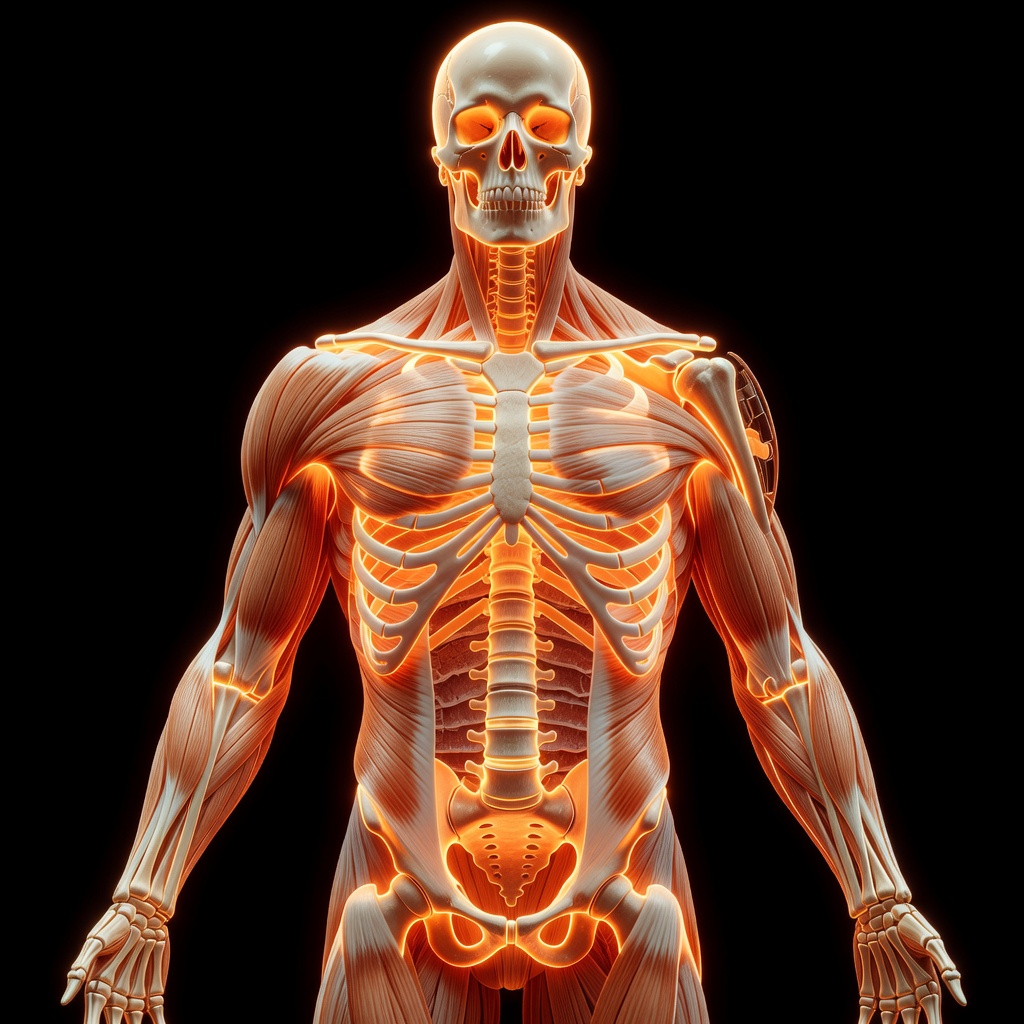
Explore this in the Body Map
See where this hits your biology. Interactive anatomy, threats, and protective protocols.