
Circadian Entrainment: The Autonomic Rhythm of Recovery
Published April 2026
Investigating the circadian nature of Heart Rate Variability and why overnight autonomic trends are more significant than morning spot-checks.
Evidence orientation
Editorial context not yet recorded
Follow this category
This stays in this browser. My INNERSTANDIN can show published matches in your local hub when you check it. It does not send email, push, or alert notifications.
Local learning review
A private browser aid for revisiting ideas. It is not an alert or a health recommendation.
Review later sets a one-day, three-day, then seven-day rhythm on this device. Choose it only when you want to revisit this article.
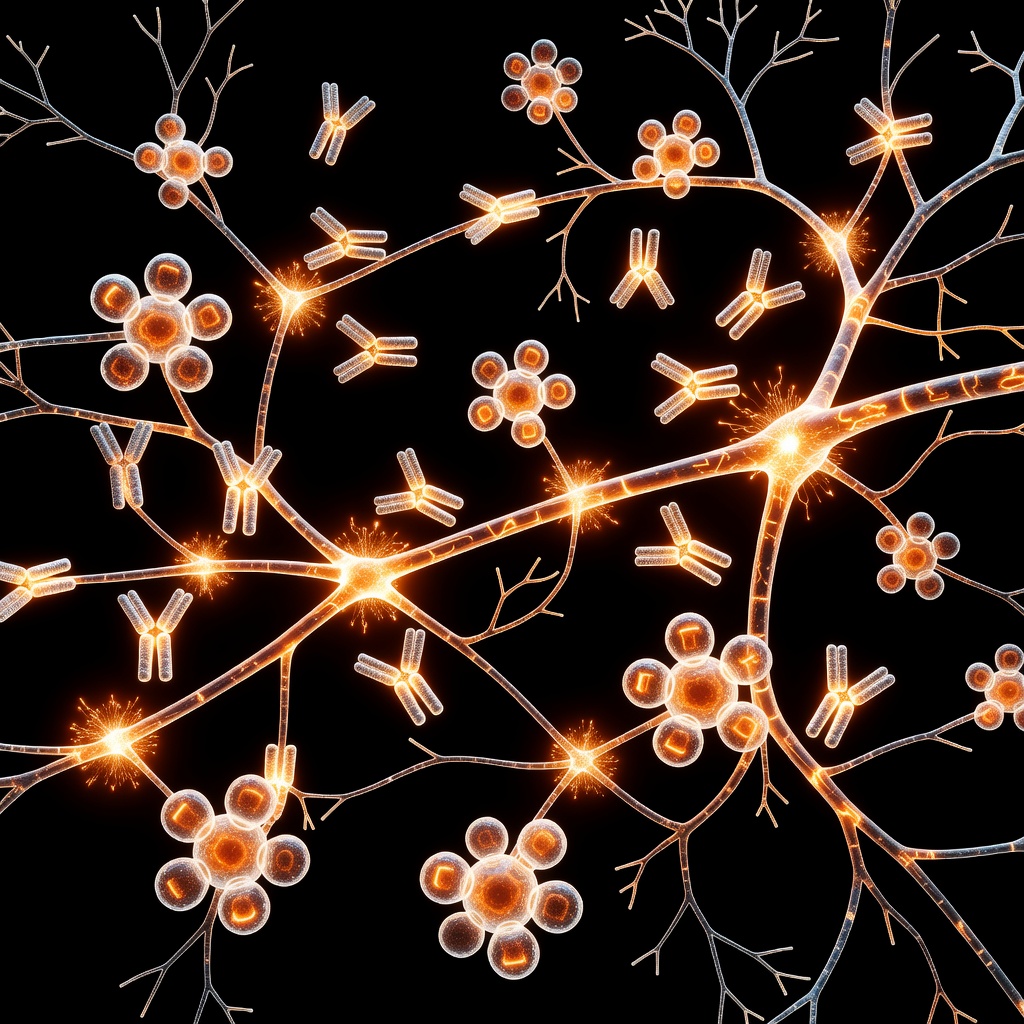
Circadian Entrainment: The Autonomic Rhythm of Recovery. The human body does not operate on a linear timeline; it is a symphony of oscillating biological clocks. Heart Rate Variability (HRV) is perhaps the most sensitive output of this circadian architecture. While many people check their HRV upon waking, they often fail to realise that this single data point is the culmination of a complex nocturnal process governed by the suprachiasmatic nucleus (SCN). The nocturnal HRV profile is a window into the 'glymphatic' system—the brain's waste clearance mechanism—and the body’s ability to perform systemic repair.
Understanding the circadian flux of HRV is essential for anyone seeking to master their recovery. Section 1: The Nocturnal Reset. During the night, the Autonomic Nervous System (ANS) undergoes a series of predictable shifts. In the early stages of sleep, dominated by Deep (Slow Wave) sleep, the parasympathetic nervous system is at its peak, leading to the highest HRV values of the 24-hour cycle. This is when the body focuses on physical repair and growth hormone secretion.
As the night progresses into REM-dominant sleep, the sympathetic system becomes more active, and HRV naturally fluctuates. If this circadian pattern is disrupted—by blue light exposure, late-night eating, or alcohol—the nocturnal HRV 'dip' fails to occur, or the recovery 'peak' is suppressed. This results in a 'flat' autonomic profile, which is a hallmark of chronic fatigue and overtraining. Section 2: The Morning Measurement Fallacy. The common practice of taking a 'spot check' of HRV in the morning can be misleading if not contextualised.
A high morning HRV might suggest recovery, but if the overnight average was low, it may indicate 'parasympathetic saturation'—a state where the body is so overreached that the parasympathetic system is hyper-active in a desperate attempt to recover. For health-literate UK adults, it is crucial to look at trends over 7-day and 30-day periods rather than reacting to a single day's data. We must ask: Is the HRV synchronised with our light-dark cycle? Are we seeing the natural rise and fall that indicates a healthy, entrained rhythm? Section 3: Synchronising the Internal Clock.
To optimise the circadian HRV response, one must focus on 'zeitgebers' (time-givers). The most powerful of these is morning sunlight, which resets the SCN and sets the timer for melatonin production later in the evening. In the UK’s darker months, this becomes a challenge, making the use of SAD lamps or consistent outdoor activity even more critical. Additionally, 'autonomic hygiene' in the evening—reducing stimulation and lowering core body temperature—is essential for allowing the parasympathetic system to take full control during the first half of the night. By respecting the circadian nature of HRV, we transition from reactive monitoring to proactive lifestyle design, ensuring that our 'recovery' is more than just a lack of movement.
This article is provided for informational and educational purposes only. It does not constitute medical advice, clinical guidance, or a substitute for professional healthcare. Information reflects cited research at time of publication. Always consult a qualified healthcare professional before acting on any health information.
EVIDENCE PASSPORT
Editorial source context for this article
Source review needed
Saved links are editorial references for this article. They may support specific claims rather than every sentence. Open and assess each source in context. This passport does not independently verify them.
Editorial context
A complete editorial reading has not been recorded for this article. Source links remain available for you to open and assess directly.
Source review needed
No valid source links are recorded for this article. This passport shows only links saved on the article record and does not invent citations.
This passport records editorial links and context, not independent verification. Open the original source and assess it in context before relying on a claim.
Medical Disclaimer
The information in this article is for educational purposes only and does not constitute medical advice, diagnosis, or treatment. Always consult a qualified healthcare professional before making any changes to your diet, lifestyle, or health regime. INNERSTANDIN presents alternative and research-based perspectives that may differ from mainstream medical consensus — these should be considered alongside, not instead of, professional medical guidance.
Read Full DisclaimerContinue the thread
Keep this question moving.
Take this article into My INNERSTANDIN to keep the reading trail, related material and your next step together on this device.
Explore this in the Body Map
See where this hits your biology. Interactive anatomy, threats, and protective protocols.