
Circadian Synergy: The Critical Role of Timing in NAD+ Biology
Published April 2026
Exploring the essential link between circadian rhythms and the NAMPT enzyme, highlighting why the timing of NAD+ supplementation is critical for metabolic health.
Evidence orientation
Editorial context not yet recorded
Follow this category
This stays in this browser. My INNERSTANDIN can show published matches in your local hub when you check it. It does not send email, push, or alert notifications.
Local learning review
A private browser aid for revisiting ideas. It is not an alert or a health recommendation.
Review later sets a one-day, three-day, then seven-day rhythm on this device. Choose it only when you want to revisit this article.
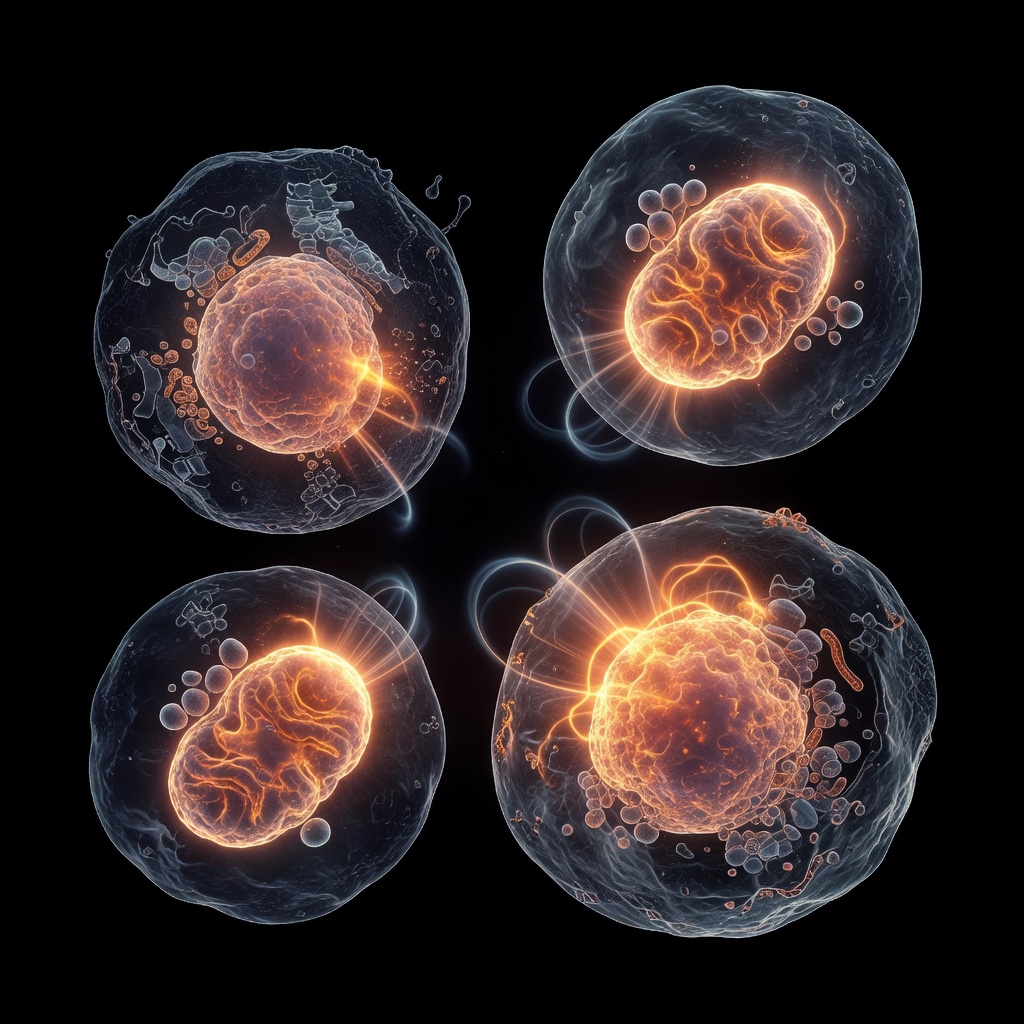
The biological world is governed by rhythm, and NAD+ metabolism is no exception. While mainstream health advice focuses on 'what' to take, it almost entirely misses 'when' the body is primed to use it. The NAMPT enzyme—the rate-limiting step in the NAD+ salvage pathway—is under direct transcriptional control of the CLOCK/BMAL1 proteins. This means your body’s ability to recycle nicotinamide back into NAD+ oscillates over a 24-hour period, peaking during the early hours of the day for most diurnal humans. When we decouple our metabolic interventions from this circadian gate, we risk inducing metabolic asynchrony.
Research into the NAMPT-mediated salvage pathway shows that NAD+ levels naturally decline in the evening, preparing the cell for a shift toward repair and distinct nocturnal metabolic states. High-dose supplementation in the late evening can inadvertently suppress SIRT1 activity at a time when the body is meant to be transitioning into a low-energy-expenditure state. This 'chrono-disruption' can affect the expression of key metabolic genes, potentially leading to insulin resistance and sleep disturbances. Furthermore, the relationship is bidirectional: NAD+ availability influences the circadian clock by providing the necessary co-factors for Sirtuins, which in turn deacetylate clock proteins like BMAL1. A breakdown in this cycle creates a feedback loop of metabolic decay.
For the health-literate adult, the strategy should be 'chrono-supplementation'—aligning the intake of NAD+ boosters with the natural peak of NAMPT expression in the morning. This supports the natural bioenergetic flow of the cell, enhancing daytime mental clarity and physical performance while allowing the natural nocturnal decline required for restorative sleep and epigenetic maintenance. By respecting the circadian gating of NAD+ biosynthesis, we leverage the body's inherent machinery rather than working against it.
This article is provided for informational and educational purposes only. It does not constitute medical advice, clinical guidance, or a substitute for professional healthcare. Information reflects cited research at time of publication. Always consult a qualified healthcare professional before acting on any health information.
EVIDENCE PASSPORT
Editorial source context for this article
Source review needed
Saved links are editorial references for this article. They may support specific claims rather than every sentence. Open and assess each source in context. This passport does not independently verify them.
Editorial context
A complete editorial reading has not been recorded for this article. Source links remain available for you to open and assess directly.
Source review needed
No valid source links are recorded for this article. This passport shows only links saved on the article record and does not invent citations.
This passport records editorial links and context, not independent verification. Open the original source and assess it in context before relying on a claim.
Medical Disclaimer
The information in this article is for educational purposes only and does not constitute medical advice, diagnosis, or treatment. Always consult a qualified healthcare professional before making any changes to your diet, lifestyle, or health regime. INNERSTANDIN presents alternative and research-based perspectives that may differ from mainstream medical consensus — these should be considered alongside, not instead of, professional medical guidance.
Read Full DisclaimerContinue the thread
Keep this question moving.
Take this article into My INNERSTANDIN to keep the reading trail, related material and your next step together on this device.