
Circadian Rhythm Disruption and Melatonin Signaling Anomalies in PMDD
Discuss this resourceUpdated August 2026
An in-depth exploration of how dysregulated circadian rhythms and impaired melatonin signaling act as fundamental drivers in the pathophysiology of Premenstrual Dysphoric Disorder.
Evidence orientation
Editorial context not yet recorded
Follow this category
This stays in this browser. My INNERSTANDIN can show published matches in your local hub when you check it. It does not send email, push, or alert notifications.
Local learning review
A private browser aid for revisiting ideas. It is not an alert or a health recommendation.
Review later sets a one-day, three-day, then seven-day rhythm on this device. Choose it only when you want to revisit this article.
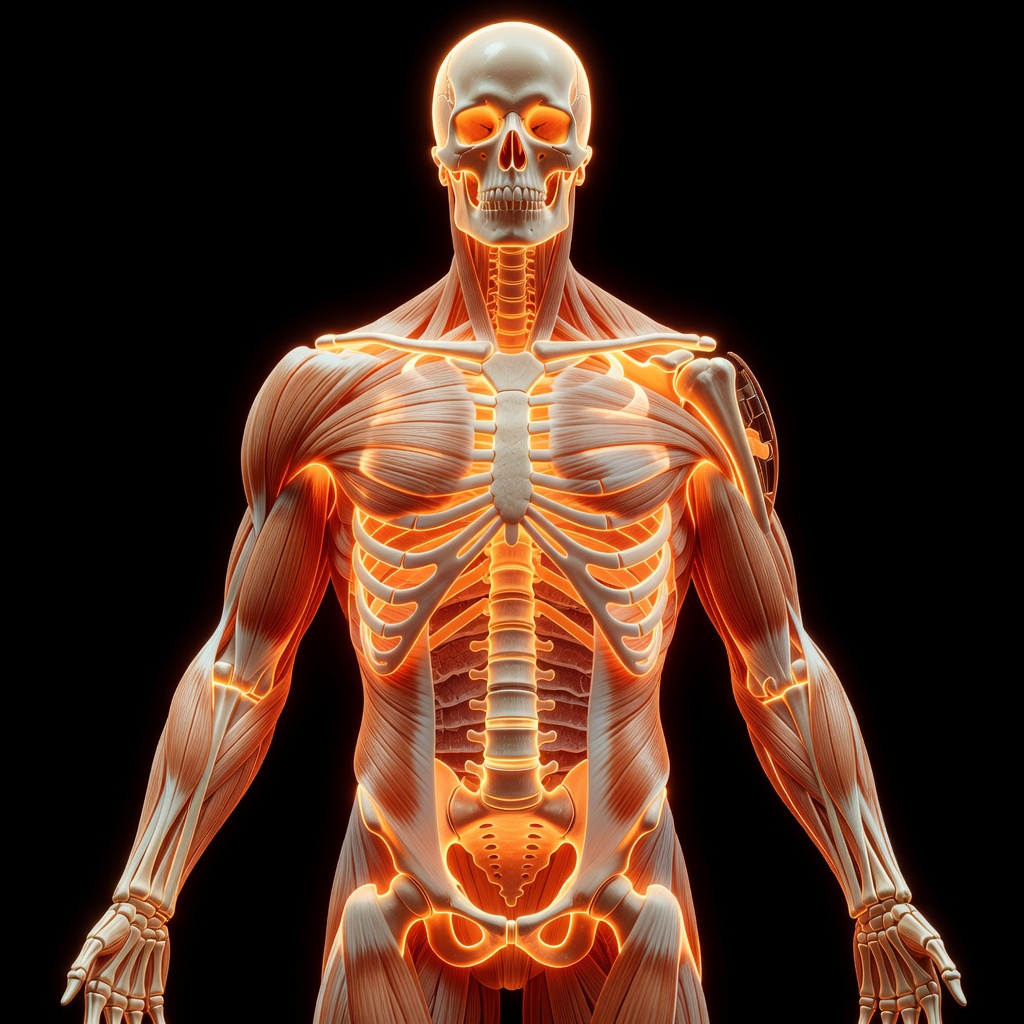
Introduction to PMDD and Biological Timing. Premenstrual Dysphoric Disorder (PMDD) is far more than a hormonal fluctuation; it is a complex systemic sensitivity to the endogenous reproductive cycle. Emerging research suggests that the root cause of the severe mood and physical symptoms observed in PMDD may reside in the intersection of endocrine dysfunction and circadian rhythm disruption. ## The Master Clock and Reproductive Hormones. The suprachiasmatic nucleus (SCN) in the hypothalamus acts as our master biological clock. It governs the release of melatonin, our primary sleep-regulating hormone.
In individuals with PMDD, there is mounting evidence that this master clock is hypersensitive to the luteal phase spike in progesterone and its neuroactive metabolite, allopregnanolone. This creates a state of 'circadian misalignment' where the brain's internal rhythm becomes decoupled from environmental light-dark cues, leading to the hallmark insomnia and fatigue associated with the premenstrual phase. ## Melatonin Signaling Anomalies. Melatonin is not just for sleep; it is a potent antioxidant and neuro-modulator. In the context of PMDD, studies suggest that melatonin secretion patterns may be altered. Some individuals display phase-delayed melatonin secretion or reduced overall output during the luteal phase.
Because melatonin interacts directly with GABAergic receptors, a deficiency or timing mismatch can exacerbate anxiety, irritability, and sensory hypersensitivity. When melatonin levels are suboptimal, the brain remains in a hyper-aroused state, preventing the restorative neurological 'reset' required to manage emotional regulation. ## The Root Cause: Neuroendocrine Communication Breakdown. The core issue is a communication breakdown between the HPG (hypothalamic-pituitary-gonadal) axis and the SCN. During the luteal phase, the fluctuating levels of estrogen and progesterone serve as peripheral signals that modulate the SCN. In the neurobiologically vulnerable PMDD brain, this cross-talk is distorted.
Rather than a seamless transition into the premenstrual state, the body experiences a 'circadian crisis.' This disruption cascades into autonomic nervous system instability, explaining why sleep disturbances often precede the psychological onset of PMDD symptoms by several days. ## Therapeutic Implications for Circadian Health. Addressing PMDD at its root requires a multifaceted approach to chronobiology. This includes strictly managing light exposure—utilizing blue-light blocking glasses in the evening and bright light therapy in the morning—to support the SCN. Furthermore, supplementation with melatonin or magnesium glycinate is being investigated as a means to stabilize sleep architecture and support GABAergic tone. At INNERSTANDING, we advocate for viewing the cycle through a chronobiological lens, focusing on stabilizing the internal rhythm as a primary intervention for mood stability.
This article is provided for informational and educational purposes only. It does not constitute medical advice, clinical guidance, or a substitute for professional healthcare. Information reflects cited research at time of publication. Always consult a qualified healthcare professional before acting on any health information.
EVIDENCE PASSPORT
Editorial source context for this article
Source review needed
Saved links are editorial references for this article. They may support specific claims rather than every sentence. Open and assess each source in context. This passport does not independently verify them.
Editorial context
A complete editorial reading has not been recorded for this article, and no source links are saved on its record.
Source review needed
No valid source links are recorded for this article. Supplementary research, where available, is listed separately below.
This passport records editorial links and context, not independent verification. Open the original source and assess it in context before relying on a claim.
Medical Disclaimer
The information in this article is for educational purposes only and does not constitute medical advice, diagnosis, or treatment. Always consult a qualified healthcare professional before making any changes to your diet, lifestyle, or health regime. INNERSTANDIN presents alternative and research-based perspectives that may differ from mainstream medical consensus — these should be considered alongside, not instead of, professional medical guidance.
Read Full DisclaimerContinue the thread
Keep this question moving.
Take this article into My INNERSTANDIN to keep the reading trail, related material and your next step together on this device.
Explore this in the Body Map
Explore related body structures and their educational pages in the interactive Body Map.
Dig deeper in the Library
Free, longform PDF volumes that go beyond headlines into mechanisms and references.