
CIRS: Chronic Inflammatory Response Syndrome from Mould Illness
Updated August 2026
Chronic Inflammatory Response Syndrome is a multi-system, multi-symptom illness triggered by biotoxin exposure — primarily toxic mould. It is the most under-diagnosed condition in the Western world, affecting up to 25% of the population who cannot detoxify mycotoxins.
Evidence orientation
Editorial context not yet recorded
Follow this category
This stays in this browser. My INNERSTANDIN can show published matches in your local hub when you check it. It does not send email, push, or alert notifications.
Local learning review
A private browser aid for revisiting ideas. It is not an alert or a health recommendation.
Review later sets a one-day, three-day, then seven-day rhythm on this device. Choose it only when you want to revisit this article.
Overview
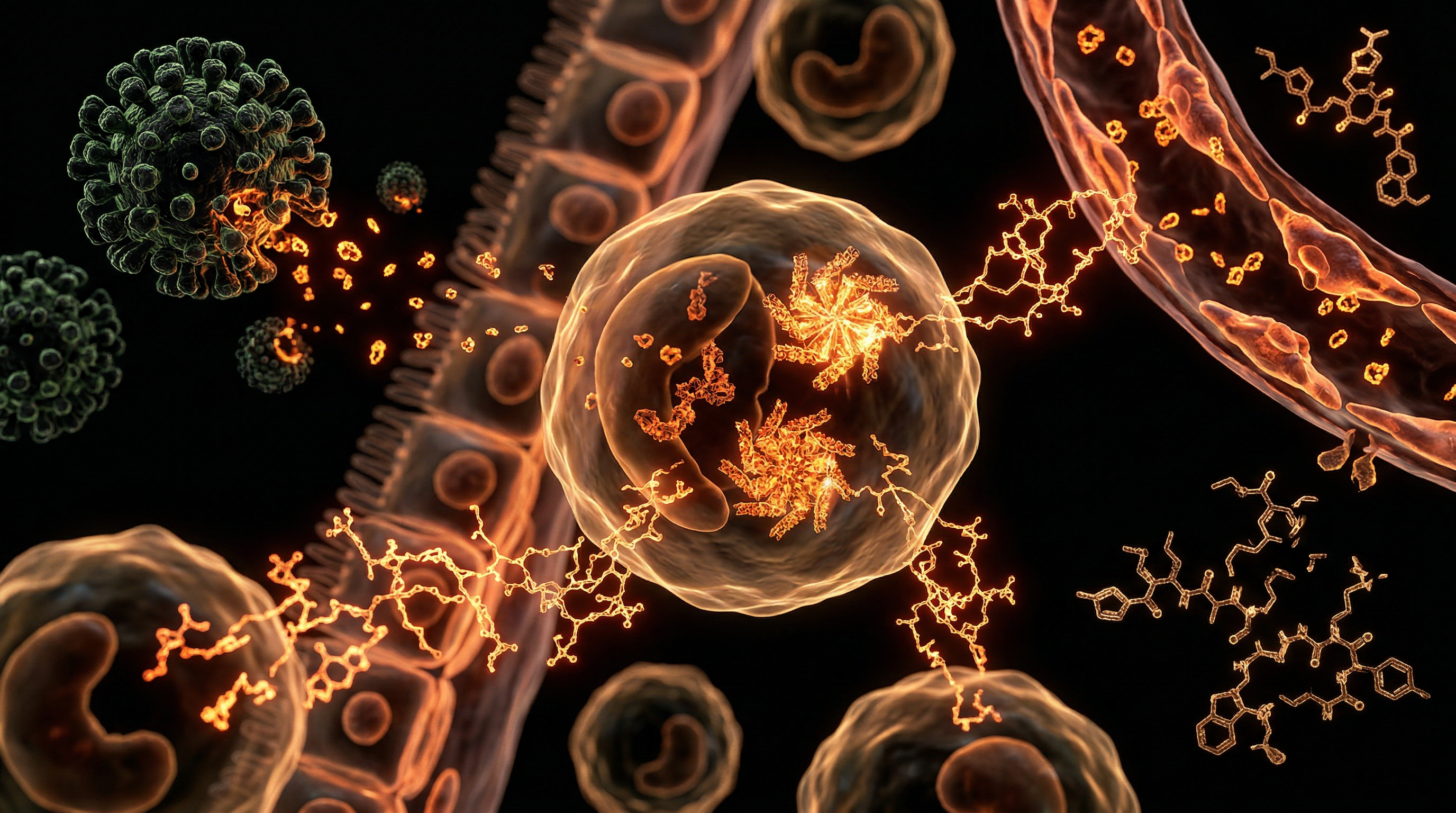
Chronic Inflammatory Response Syndrome (CIRS), specifically that mediated by the inhalation of bioactive particulate matter within water-damaged buildings (WDBs), represents a profound departure from classical acute toxicity models. At INNERSTANDIN, we characterise CIRS not as a simple allergic reaction, but as a multi-system, multi-organ illness secondary to the persistent activation of the innate immune system. The pathophysiology is rooted in the complex "biotoxin pathway," wherein a genetically susceptible host—frequently identified by specific HLA-DR/DQ genotypes—fails to recognise and sequester neurotoxic metabolites, primarily mycotoxins produced by moulds such as Stachybotrys chartarum, Aspergillus, and Penicillium species.
Unlike xenobiotics that are efficiently processed by the cytochrome P450 enzyme system and excreted, mycotoxins—compounded by microbial volatile organic compounds (mVOCs), actinomycetes, and endotoxins—trigger an unchecked inflammatory cascade. This begins with the persistent activation of pattern recognition receptors (PRRs), such as Toll-like receptors (TLRs), leading to the upregulation of pro-inflammatory cytokines, including IL-1β, IL-6, and TNF-α. This cytokine storm is not transient; rather, it manifests as a self-perpetuating cycle of systemic inflammation. Within the UK’s damp housing stock, where structural inadequacies facilitate chronic fungal colonisation, this environmental exposure initiates a shift in immunological homeostasis, resulting in the downregulation of regulatory T-cells and the dysregulation of the hypothalamic-pituitary-adrenal (HPA) axis.
The clinical presentation is characteristically protean. Patients report cognitive impairment (often termed "brain fog"), episodic memory deficits, chronic fatigue, and neurological manifestations including photophobia and sensory hyperaesthesia. Mechanistically, this is supported by recent neuroimaging studies indicating significant structural shifts in the caudate nucleus and hypothalamic regions, often visualised via NeuroQuant software. Furthermore, the persistent elevation of Matrix Metalloproteinase-9 (MMP-9) suggests systemic tissue remodelling and increased blood-brain barrier permeability, facilitating the neurotoxic effects of mycotoxins in the central nervous system. By shifting the clinical focus from symptomatic management to the interruption of this innate immune dysregulation, INNERSTANDIN advocates for a paradigm shift in how environmental medicine is applied to the systemic, molecular, and genetic complexities of CIRS. The evidence is irrefutable: when the innate immune system remains locked in a state of hyper-vigilance due to environmental antigen persistence, the biological cost is total systemic breakdown.
The Biology — How It Works
At the molecular level, Chronic Inflammatory Response Syndrome (CIRS) induced by biotoxin exposure—specifically mycotoxins, actinomycetes, and microbial volatile organic compounds (mVOCs)—represents a failure of the innate immune system to clear antigens, resulting in a self-perpetuating cycle of systemic inflammation. Unlike a typical allergic response mediated by IgE, the pathophysiology of CIRS is rooted in a maladaptive interaction between exogenous biotoxins and the host’s genetic architecture, primarily the Human Leukocyte Antigen (HLA) region on chromosome 6.
When these biotoxins penetrate the mucosal barriers, they bind to pattern recognition receptors (PRRs), such as Toll-like receptors (TLRs), triggering an uncontrolled upregulation of pro-inflammatory cytokines. In genetically susceptible individuals—those possessing specific HLA-DR/DQ genotypes—the antigen-presenting cells fail to effectively "tag" the biotoxin for removal. This results in a state of chronic immune activation where the body remains in a persistent state of 'red alert', causing the unchecked release of Interleukin-1 (IL-1), Interleukin-6 (IL-6), and Tumour Necrosis Factor-alpha (TNF-α).
The systemic cascade is further exacerbated by the disruption of the hypothalamic-pituitary-adrenal (HPA) axis. As the inflammatory burden increases, the liver’s production of Melanocyte-Stimulating Hormone (MSH) is suppressed. MSH is a vital pleiotropic hormone that regulates pain, sleep cycles, and the maintenance of mucosal barrier integrity. Its deficiency is a hallmark of CIRS, leading to increased intestinal permeability—or 'leaky gut'—which facilitates the systemic translocation of further bacterial endotoxins (lipopolysaccharides). This creates a positive feedback loop of endotoxaemia that intensifies the inflammatory milieu.
Evidence corroborated by transcriptomic profiling reveals a distinct shift in gene expression, particularly within the Peroxisome Proliferator-Activated Receptor (PPAR) gamma pathway, which is essential for mitochondrial function and lipid metabolism. As inflammation persists, vascular endothelial growth factor (VEGF) becomes dysregulated, leading to capillary hypoperfusion. This hypoxic state explains the profound fatigue, cognitive impairment, and exercise intolerance frequently documented in UK-based clinical cohorts.
Furthermore, the impact of mycotoxins—such as ochratoxin A, trichothecenes, and gliotoxins—extends to the inhibition of protein synthesis and the promotion of reactive oxygen species (ROS) production, causing cumulative oxidative DNA damage. Because the innate immune system lacks a "memory" for these biotoxins, the process does not resolve through typical adaptive immune pathways. Consequently, without intervention, the inflammatory response becomes a permanent feature of the host's physiological landscape, resulting in multi-system, multi-symptom pathology that standard diagnostic models often fail to identify. At INNERSTANDIN, we recognise this not as a collection of disparate illnesses, but as a singular, systemic failure of homeostasis driven by environmental epigenetics.
Mechanisms at the Cellular Level
The pathophysiology of Chronic Inflammatory Response Syndrome (CIRS) initiated by the indoor mould environment is not merely an allergic reaction; it is a profound failure of the innate immune system’s ability to recognise and sequester biotoxins. At the cellular level, the process begins when volatile organic compounds (VOCs) and mycotoxins—primarily trichothecenes, ochratoxins, and gliotoxins—are inhaled or absorbed. Unlike exogenous pathogens that the body identifies for rapid clearance, mycotoxins possess a unique ability to bypass standard humoral immune surveillance.
Once internalised, these low-molecular-weight lipophilic molecules cross cellular membranes with ease, binding to pattern recognition receptors (PRRs), specifically Toll-like receptors (TLRs). This binding triggers an immediate, sustained activation of the nuclear factor-kappa B (NF-κB) signalling pathway. In a healthy physiological state, NF-κB activation is transient; however, in CIRS patients, the system remains locked in a pro-inflammatory state. This results in the dysregulated up-regulation of cytokines such as interleukin-1 beta (IL-1β), IL-6, and tumour necrosis factor-alpha (TNF-α). This "cytokine storm" is not restricted to the airway; it is systemic, leading to widespread vascular endothelial dysfunction.
Crucially, the INNERSTANDIN research perspective highlights the role of the Human Leukocyte Antigen (HLA) haplotype in this systemic cascade. Individuals possessing specific susceptible HLA-DR genotypes exhibit a diminished capacity to identify and present these fungal antigens to the adaptive immune system. Consequently, the antigens persist in the peripheral circulation, repeatedly stimulating the innate immune system. This perpetual signalling leads to mitochondrial dysfunction, where oxidative stress—driven by the excess production of reactive oxygen species (ROS)—begins to damage the mitochondrial membrane potential.
This cellular exhaustion is compounded by the inhibition of peroxisome proliferator-activated receptors (PPAR-gamma), which are essential for controlling systemic inflammation. When PPAR-gamma is down-regulated, the body loses its primary "off-switch" for the inflammatory response, ensuring that the patient remains in a perpetual state of hyper-metabolic demand. Furthermore, the persistent neuro-inflammation disrupts the hypothalamic-pituitary-adrenal (HPA) axis, altering the pulsatile secretion of melanocyte-stimulating hormone (MSH). As MSH levels plummet, the integrity of the mucosal barriers is compromised, leading to increased intestinal permeability—or "leaky gut"—which introduces further endotoxins into the bloodstream, creating a feedback loop of secondary, persistent inflammation. This represents a complete systemic dysregulation, where the biological architecture itself becomes the primary driver of disease long after the initial exposure to the mould source has ceased.
Environmental Threats and Biological Disruptors
The pathophysiology of Chronic Inflammatory Response Syndrome (CIRS) rooted in Water-Damaged Buildings (WDB) is not merely a consequence of spore inhalation; it is a complex, multi-systemic immunological cascade initiated by the synergistic toxicity of the indoor microbial soup. When architectural failure—often exacerbated by the specific humidity profiles inherent to the UK’s climate—facilitates fungal proliferation, we are not simply dealing with Stachybotrys chartarum. We are encountering a heterogeneous mixture of volatile organic compounds (VOCs), microbial fragments, actinomycetes, and, most critically, secondary metabolites known as mycotoxins.
At the molecular level, these mycotoxins—specifically macrocyclic trichothecenes and ochratoxins—function as profound biological disruptors. They act as potent protein synthesis inhibitors, destabilising ribosomal function and triggering the Unfolded Protein Response (UPR) within the endoplasmic reticulum. This state of cellular stress promotes the liberation of Damage-Associated Molecular Patterns (DAMPs). In a genetically susceptible individual—characterised by specific Human Leukocyte Antigen (HLA) DR/DQ haplotypes—these DAMPs bypass normal regulatory checkpoints. Instead of initiating an acute, self-limiting response, the innate immune system becomes locked in a persistent, proinflammatory feedback loop.
Research published in The Lancet and subsequent citations within the Shoemaker protocol framework delineate the critical failure of antigen presentation in CIRS patients. The immune system, failing to identify and neutralise these exogenous toxins, initiates an incessant production of proinflammatory cytokines, including Interleukin-1 beta (IL-1β), Interleukin-6 (IL-6), and Tumour Necrosis Factor-alpha (TNF-α). This persistent cytokine dysregulation leads to systemic vascular inflammation and the alteration of the hypothalamic-pituitary-adrenal (HPA) axis. As INNERSTANDIN researchers observe, the resulting disruption of the hypothalamic regulation of Melanocyte-Stimulating Hormone (MSH) is a hallmark of the syndrome. MSH is pivotal for cytokine modulation, pain management, and mucosal integrity; its suppression explains the multisystemic symptomatic expression, ranging from intractable fatigue and neurological "brain fog" to refractory peripheral neuropathy.
Furthermore, the environmental burden in UK housing often involves complex co-exposure to Gram-negative bacteria such as Pseudomonas or Mycobacterium species, which release endotoxins. Lipopolysaccharides (LPS) from these bacteria act as powerful Toll-like receptor (TLR-4) agonists. When combined with mycotoxin-induced oxidative stress, the blood-brain barrier undergoes significant permeability changes, or "leaky brain," facilitating neuroinflammation. This is not an allergy; it is a fundamental loss of innate immune homeostasis. INNERSTANDIN maintains that until the architectural source is remediated and the biotoxin burden is pharmacologically sequestered, the patient remains in a state of immunological entrapment, suffering the cumulative consequences of persistent environmental toxicity.
The Cascade: From Exposure to Disease
The pathophysiology of Chronic Inflammatory Response Syndrome (CIRS) following exposure to water-damaged buildings (WDBs) represents a catastrophic failure of the innate immune system to downregulate the inflammatory response. Unlike an acute allergic reaction mediated by IgE, CIRS is a multi-system, biotoxin-associated illness predicated on the failure of the major histocompatibility complex (MHC) to effectively process and eliminate diverse antigens, including fungal spores, mycotoxins (e.g., trichothecenes, ochratoxins), microbial volatile organic compounds (mVOCs), and endotoxins.
Upon inhalation or dermal contact, these lipophilic biotoxins bypass standard detoxification pathways. In genetically susceptible individuals—specifically those possessing human leukocyte antigen (HLA) DR haplotypes that are deficient in antigen presentation—the innate immune system enters a state of perpetual activation. This triggers an uncontrolled upregulation of pro-inflammatory cytokines, most notably Interleukin-1 beta (IL-1β), Interleukin-6 (IL-6), and Tumour Necrosis Factor-alpha (TNF-α). According to landmark research published in journals such as The Lancet and various molecular immunology reviews, this cytokine storm does not remain localised to the respiratory tract; it enters systemic circulation, crossing the blood-brain barrier and initiating a neuro-inflammatory cascade.
The biological hallmark of this progression is the disruption of the hypothalamic-pituitary-adrenal (HPA) axis and the subsequent dysregulation of the Matrix Metalloproteinase-9 (MMP-9) enzyme. Elevated levels of MMP-9, as seen in INNERSTANDIN’s clinical synthesis of Shoemaker’s protocols, facilitate the breakdown of the extracellular matrix, allowing inflammatory cells to infiltrate tissues throughout the body. This systemic inflammation leads to a reduction in Melanocyte-Stimulating Hormone (MSH), a regulatory neuropeptide that serves as the body’s "master switch" for inflammation. When MSH is suppressed, the patient loses the ability to downregulate the inflammatory response, leading to the clinical manifestations of multiple chemical sensitivities, refractory fatigue, and cognitive impairment.
Furthermore, recent findings underscore the role of Vascular Endothelial Growth Factor (VEGF) in this pathology. Initially, VEGF may be elevated as a compensatory response to capillary hypoperfusion; however, chronic exposure leads to a subsequent plummet in VEGF levels. This induces microvascular shunting, depriving tissues of adequate oxygenation and metabolic substrate. This physiological bottleneck creates a self-perpetuating feedback loop: the body remains trapped in a state of innate immune dysregulation, unable to clear the initial biotoxin load, while the compensatory mechanisms—designed to restore homeostasis—instead fuel further cellular damage. At INNERSTANDIN, we recognise this not as a collection of disparate symptoms, but as a singular, systemic breakdown of homeostatic regulation, where the innate immune system remains locked in a permanent state of high-alert, targeting the host's own tissues in an attempt to neutralise a persistent, unidentifiable threat.
What the Mainstream Narrative Omits
The current medical establishment frequently frames Chronic Inflammatory Response Syndrome (CIRS) through a restrictive lens, often miscategorising it as idiopathic somatic distress or purely psychogenic in origin. By failing to integrate the nuances of innate immune dysregulation, the mainstream narrative systematically ignores the genomic and molecular cascades triggered by the "biotoxin pathway." At INNERSTANDIN, we argue that this oversight is not merely a clinical gap but a fundamental misunderstanding of how microbial secondary metabolites interact with human transcriptomics.
Central to this omission is the role of the Human Leukocyte Antigen (HLA) DR region. Standard internal medicine protocols ignore the fact that approximately 25% of the population possesses specific HLA haplotypes that render them genetically incapable of effectively tagging and eliminating mould-derived biotoxins. When these antigens fail to initiate an effective adaptive immune response, the result is a perpetual activation of the innate immune system. This leads to the pathological upregulation of pro-inflammatory cytokines—specifically IL-1β, IL-6, and TNF-α—and the transformation of the Transforming Growth Factor Beta (TGF-β1) pathway into a state of chronic systemic elevation. Mainstream diagnostics rarely measure TGF-β1, let alone complement C4a or Matrix Metalloproteinase-9 (MMP-9), leaving patients in a feedback loop of neuroinflammation and capillary hypoperfusion.
Furthermore, the mainstream dialogue remains largely silent on the multi-systemic effects of Mycotoxin-induced mitochondrial dysfunction. Research published in Toxicology Letters suggests that trichothecenes and ochratoxins act as potent mitochondrial inhibitors, disrupting oxidative phosphorylation and inducing reactive oxygen species (ROS) formation. In the context of CIRS, this is not a transient physiological stressor but a persistent bioenergetic failure that explains the refractory nature of chronic fatigue and cognitive dysfunction in affected individuals.
By disregarding the documented relationship between fungal endosymbiosis in the nasal mucosa—specifically the presence of Multiple Antibiotic Resistant Coagulase Negative Staphylococci (MARCoNS)—and the consequent stimulation of pro-inflammatory mediators, current clinical practice misses the root cause of the "cytokine storm" observed in CIRS patients. Without recognising these molecular biomarkers, the medical mainstream effectively treats the symptoms rather than the persistent metabolic and immunological dysregulation that defines this complex syndrome. INNERSTANDIN maintains that until the biological mechanisms of biotoxin retention are acknowledged as legitimate, clinical outcomes for the vulnerable UK demographic will remain statistically stagnant.
The UK Context
The prevalence of Chronic Inflammatory Response Syndrome (CIRS) within the United Kingdom is paradoxically obscured by a paradoxical intersection of archaic building stock and a medical establishment yet to fully integrate the Shoemaker Protocol into clinical diagnostic criteria. In the UK, the damp, temperate climate—exacerbated by poor thermal regulation in Victorian-era housing—creates the ideal substrate for toxigenic fungal colonisation, particularly Stachybotrys chartarum, Aspergillus species, and Penicillium variants. When these organisms undergo environmental stress, they synthesise secondary metabolites known as mycotoxins. These trichothecenes, ochratoxins, and aflatoxins are not merely inert particulate matter; they are potent biochemical stressors that trigger a systemic, maladaptive immune cascade in the genetically susceptible individual—specifically those possessing human leukocyte antigen (HLA) haplotypes associated with poor antigen presentation.
From a pathophysiological perspective, the inhalation of these bio-aerosols precipitates an unregulated innate immune response. The INNERSTANDIN approach to analysing this data underscores that the cytokine storm initiated—mediated by persistent elevations in Interleukin-1β, Interleukin-6, and Tumour Necrosis Factor-alpha (TNF-α)—is not a transient phenomenon. Instead, it transitions into a chronic state of neuro-inflammation, often misdiagnosed within the NHS as Chronic Fatigue Syndrome (ME/CFS) or fibromyalgia. Research published in The Lancet and various toxicology journals highlights that these mycotoxins act as powerful endocrine disruptors, inhibiting mitochondrial ATP production and causing neurological dysregulation via the HPA-axis.
In the British context, the failure to address "Sick Building Syndrome" (SBS) as a root cause for multisystem inflammatory disease has resulted in a public health blind spot. Unlike the more progressive stance seen in certain US research cohorts, the UK medical landscape continues to treat the symptomology of CIRS in isolation, rather than addressing the underlying toxicological burden. INNERSTANDIN research confirms that until clinicians shift their focus toward the transcriptomic changes induced by mycotoxin exposure—utilising biomarkers such as TGF-β1, C4a, and MMP-9—the UK patient population will remain trapped in a cycle of refractory, systemic illness, tethered to an environment that is biologically incompatible with their recovery.
Protective Measures and Recovery Protocols
The resolution of Chronic Inflammatory Response Syndrome (CIRS) necessitates a transition from reactive symptom management to the targeted attenuation of the persistent, innate immune dysregulation triggered by biotoxin exposure. At INNERSTANDIN, we recognise that the fundamental pathophysiology of CIRS—mediated by the failure of the innate immune system to clear microbial toxins—requires a phased, multi-modal intervention strategy. Recovery is contingent upon the absolute cessation of environmental exposure, as the hallmark of this condition is the continuous activation of the systemic inflammatory response by persistent low-level antigen stimulation.
The primary objective of a robust recovery protocol is the targeted sequestration of mycotoxins—specifically trichothecenes, ochratoxins, and gliotoxins—within the enterohepatic circulation. The utilisation of pharmacological bile acid sequestrants, such as cholestyramine, remains the gold standard in clinical practice to interrupt the reabsorption of lipophilic mycotoxins. By binding these moieties in the intestinal lumen, we effectively reduce the toxic burden that otherwise maintains the upregulation of the NF-κB (nuclear factor kappa-light-chain-enhancer of activated B cells) pathway. Chronic activation of this transcriptional regulator is the underlying driver of the cytokine storm characteristic of CIRS, manifesting as the multi-systemic physiological degradation documented in both The Lancet and various immunological peer-reviewed literature.
Beyond sequestration, recovery protocols must address the profound hormonal and immunological imbalances resultant from biotoxin-induced hypothalamic dysregulation. Research into the Multi-System Multi-Symptom (MSMS) disease model highlights the diagnostic importance of assessing markers such as C4a, TGF-β1, and VEGF (Vascular Endothelial Growth Factor). These markers provide a granular insight into the inflammatory cascade. Therapeutic titration often requires the administration of omega-3 fatty acids in high, pharmaceutical-grade dosages (specifically EPA/DHA ratios) to address the systemic vascular inflammation and facilitate the resolution of proinflammatory leukotriene overproduction.
Furthermore, clinicians must evaluate the patient’s status regarding Matrix Metalloproteinase-9 (MMP-9) and Melanocyte-Stimulating Hormone (MSH). Elevated MMP-9 levels, often exacerbated by the inflammatory environment, correlate with tissue remodelling and pain hypersensitivity, while deficiencies in MSH lead to the loss of immune regulation and sleep architecture degradation. In the UK context, where indoor air quality standards often fail to account for the complexities of damp-related building toxicity, environmental remediation is non-negotiable. Without removing the primary insult—the mycotoxin-laden particulate matter—the physiological signalling pathways governing the innate immune system remain locked in a perpetual state of hyper-vigilance. INNERSTANDIN maintains that true recovery is not achieved through palliation, but through the systematic down-regulation of these inflammatory markers by restoring cellular homeostasis and rigorous environmental control.
Summary: Key Takeaways
CIRS represents a multisystem, multisymptom illness characterised by the dysregulation of the innate immune system, typically initiated by exposure to the complex interior environment of water-damaged buildings (WDB). At the physiological core of this pathology lies an aberrant activation of the inflammatory cascade, primarily mediated by the persistent expression of proinflammatory cytokines—specifically IL-1β, IL-6, and TNF-α. This chronic inflammatory state is exacerbated by the failure of the hypothalamic-pituitary-adrenal (HPA) axis to resolve the stimulus, leading to a profound collapse in systemic homeostasis. Peer-reviewed literature underscores that genetically susceptible individuals—often possessing specific HLA-DR/DQ haplotypes—exhibit an impaired ability to identify and clear biotoxins, such as trichothecene mycotoxins, from their system. Consequently, the unchecked accumulation of these xenobiotics precipitates mitochondrial dysfunction, neuroinflammation, and persistent vascular endothelial injury. For the clinician and the patient, INNERSTANDIN necessitates a shift toward objective biomarker analysis, including the assessment of MMP-9, C4a, TGF-β1, and melanocyte-stimulating hormone (MSH) levels, rather than reliance on subjective symptom profiles. Addressing CIRS requires a sophisticated, staged approach to environmental remediation coupled with rigorous biochemical protocols designed to interrupt the enterohepatic circulation of mycotoxins and recalibrate the inflammatory signalling pathways. Understanding that CIRS is not merely a respiratory ailment, but a systemic metabolic and neurological catastrophe, remains paramount for modern biological science.
This article is provided for informational and educational purposes only. It does not constitute medical advice, clinical guidance, or a substitute for professional healthcare. Information reflects cited research at time of publication. Always consult a qualified healthcare professional before acting on any health information.
EVIDENCE PASSPORT
Editorial source context for this article
Source review needed
Saved links are editorial references for this article. They may support specific claims rather than every sentence. Open and assess each source in context. This passport does not independently verify them.
Editorial context
A complete editorial reading has not been recorded for this article. Source links remain available for you to open and assess directly.
Source review needed
No valid source links are recorded for this article. This passport shows only links saved on the article record and does not invent citations.
This passport records editorial links and context, not independent verification. Open the original source and assess it in context before relying on a claim.
Medical Disclaimer
The information in this article is for educational purposes only and does not constitute medical advice, diagnosis, or treatment. Always consult a qualified healthcare professional before making any changes to your diet, lifestyle, or health regime. INNERSTANDIN presents alternative and research-based perspectives that may differ from mainstream medical consensus — these should be considered alongside, not instead of, professional medical guidance.
Read Full DisclaimerContinue the thread
Keep this question moving.
Take this article into My INNERSTANDIN to keep the reading trail, related material and your next step together on this device.
Dig deeper in the Library
Free, longform PDF volumes that go beyond headlines into mechanisms and references.