
Collagen Cross-Linking and Advanced Glycation End-Products in Dupuytren's Progression
Discuss this resourceUpdated August 2026
An in-depth exploration of the biochemical processes behind Dupuytren's Contracture, focusing on how glycation and abnormal collagen cross-linking drive the fibrotic changes in the palmar fascia.
Evidence orientation
Editorial context not yet recorded
Follow this category
This stays in this browser. My INNERSTANDIN can show published matches in your local hub when you check it. It does not send email, push, or alert notifications.
Local learning review
A private browser aid for revisiting ideas. It is not an alert or a health recommendation.
Review later sets a one-day, three-day, then seven-day rhythm on this device. Choose it only when you want to revisit this article.
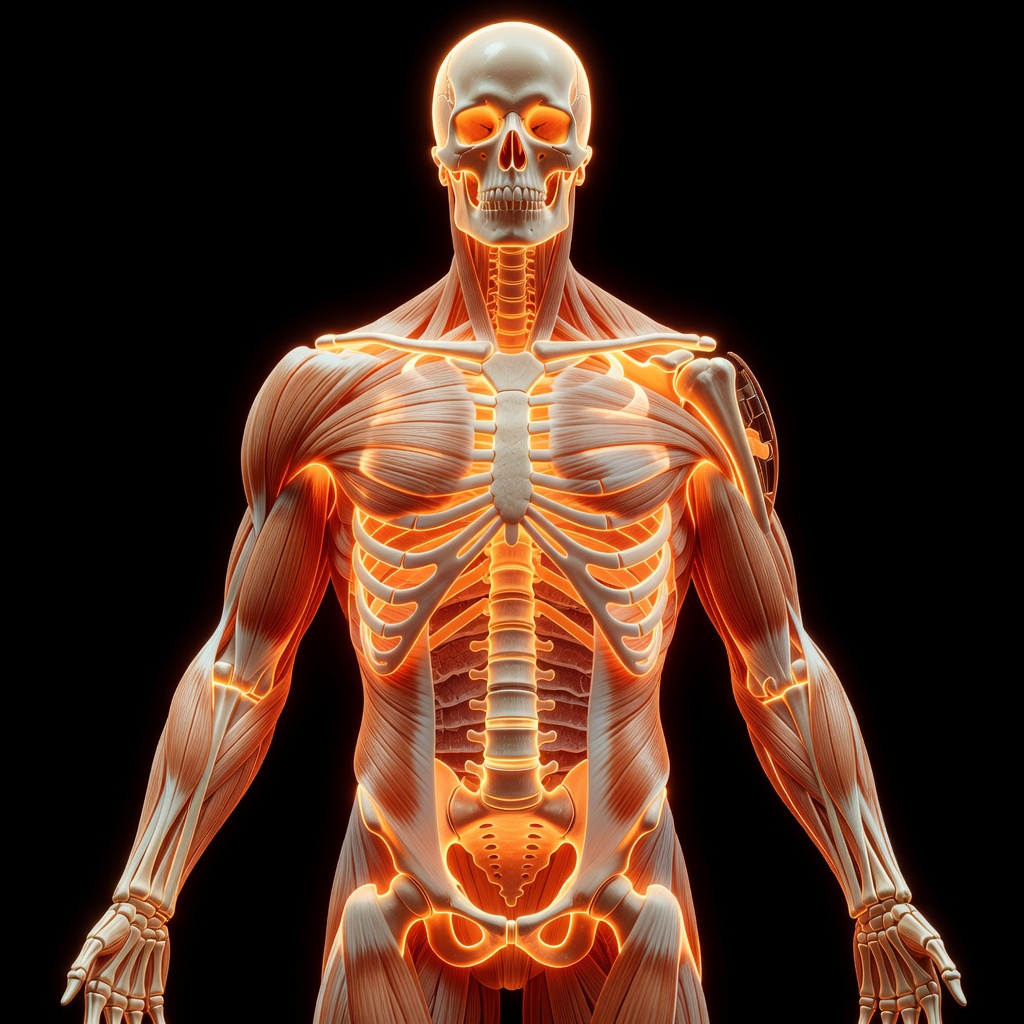
Dupuytren's Contracture is a fibroproliferative disorder that transforms the normal, flexible palmar fascia into a thick, cord-like structure. At the heart of this condition lies a complex failure in collagen homeostasis, primarily driven by Advanced Glycation End-products (AGEs) and pathological cross-linking.
The Role of Collagen Cross-Linking
Collagen is the structural scaffold of our fascia. In a healthy state, Type III collagen is gradually replaced by Type I collagen in a highly regulated manner. In Dupuytren's, this process goes awry. The transformation of fibroblasts into myofibroblasts leads to the excessive deposition of collagen. Crucially, the stabilization of these fibers is mediated by cross-linking enzymes. In Dupuytren's, these links become hyper-stabilized, creating a rigid, inelastic matrix that resists the natural turnover of healthy tissue.
Advanced Glycation End-Products (AGEs)
AGEs are proteins or lipids that become glycated as a result of exposure to sugars. This is a non-enzymatic process known as the Maillard reaction. In the context of fascia, AGEs act as "molecular glue." When collagen fibers are exposed to chronic hyperglycemia or high levels of oxidative stress, they form permanent cross-links that are resistant to degradation by matrix metalloproteinases (MMPs). This means the body loses its ability to break down the scarred, thickened tissue, essentially trapping the fascia in a state of permanent contraction.
The Vicious Cycle of Fibrosis
Once these AGE-induced cross-links form, they trigger a feedback loop. The altered mechanical stiffness of the fascia signals to resident fibroblasts that they are under constant tension, stimulating further myofibroblast differentiation. This creates a self-perpetuating cycle where inflammation, metabolic stress, and mechanical strain feed into one another, driving the progressive tightening of the hand.
Therapeutic Implications
Understanding this mechanism shifts the focus from symptomatic treatment to root-cause modulation. Emerging research looks at AGE inhibitors and agents that promote the natural enzymatic breakdown of collagen. Lifestyle interventions targeting systemic metabolic health—specifically glycemic control—may play a vital role in slowing the progression of the disease at a molecular level.
This article is provided for informational and educational purposes only. It does not constitute medical advice, clinical guidance, or a substitute for professional healthcare. Information reflects cited research at time of publication. Always consult a qualified healthcare professional before acting on any health information.
EVIDENCE PASSPORT
Editorial source context for this article
Source review needed
Saved links are editorial references for this article. They may support specific claims rather than every sentence. Open and assess each source in context. This passport does not independently verify them.
Editorial context
A complete editorial reading has not been recorded for this article, and no source links are saved on its record.
Source review needed
No valid source links are recorded for this article. Supplementary research, where available, is listed separately below.
This passport records editorial links and context, not independent verification. Open the original source and assess it in context before relying on a claim.
Medical Disclaimer
The information in this article is for educational purposes only and does not constitute medical advice, diagnosis, or treatment. Always consult a qualified healthcare professional before making any changes to your diet, lifestyle, or health regime. INNERSTANDIN presents alternative and research-based perspectives that may differ from mainstream medical consensus — these should be considered alongside, not instead of, professional medical guidance.
Read Full DisclaimerContinue the thread
Keep this question moving.
Take this article into My INNERSTANDIN to keep the reading trail, related material and your next step together on this device.