
Detoxifying the Modern Terrain: Using HBOT to Flush Environmental Pollutants at a Cellular Level
Updated May 2026
Evidence orientation
Editorial context not yet recorded
Follow this category
This stays in this browser. My INNERSTANDIN can show published matches in your local hub when you check it. It does not send email, push, or alert notifications.
Local learning review
A private browser aid for revisiting ideas. It is not an alert or a health recommendation.
Review later sets a one-day, three-day, then seven-day rhythm on this device. Choose it only when you want to revisit this article.
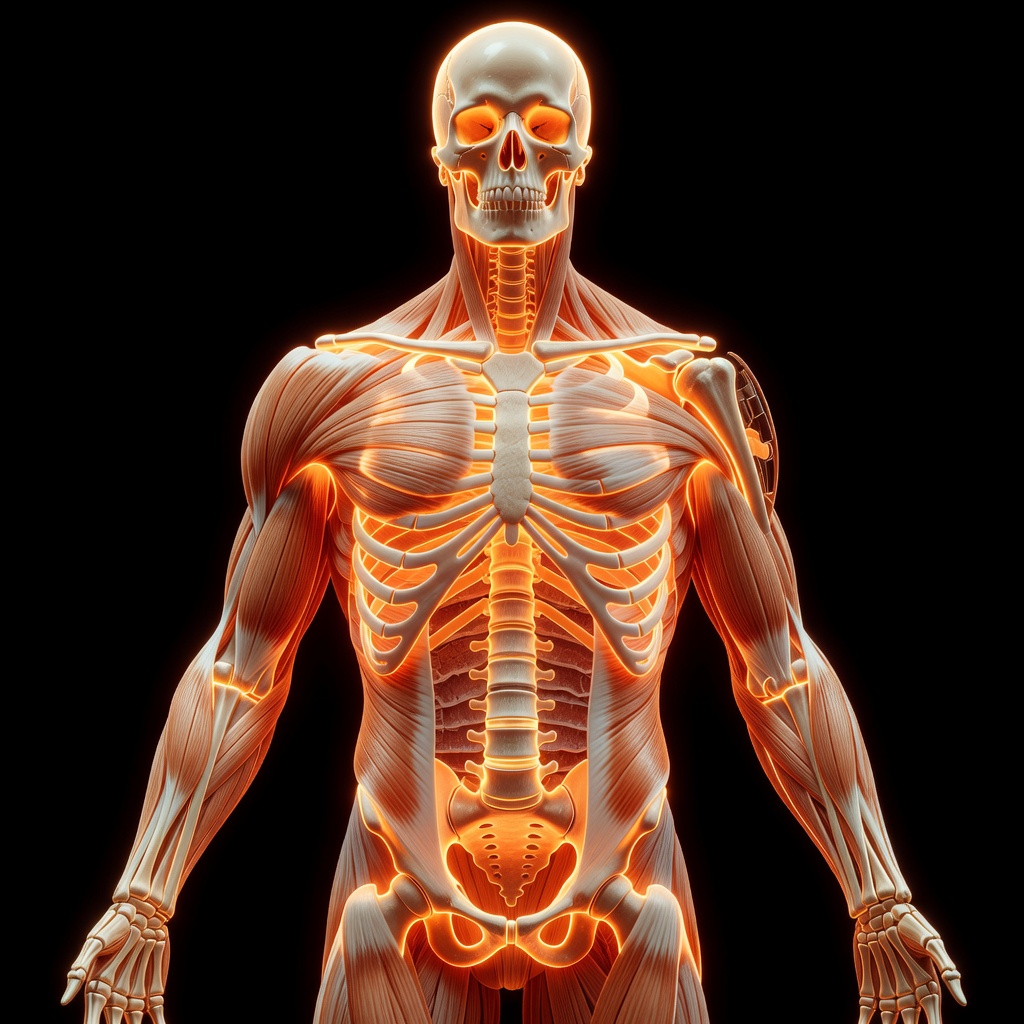
Overview
The contemporary human biological landscape—the "modern terrain"—is no longer a pristine physiological environment; it has become an anthropogenic reservoir for a complex cocktail of heavy metals, persistent organic pollutants (POPs), microplastics, and volatile organic compounds (VOCs). Within the United Kingdom, where industrial legacies intersect with modern urban particulate matter and agricultural runoff, the systemic bioaccumulation of these xenobiotics represents a profound challenge to cellular homeostasis and genomic integrity. Traditional detoxification pathways, often constrained by vascular efficiency and enzymatic saturation, frequently fail to address the sequestration of toxins within deep interstitial tissues, adipose stores, and the mitochondrial matrix. This is where Hyperbaric Oxygen Therapy (HBOT) transcends its conventional clinical application in wound healing to become a primary catalyst for systemic purification at a molecular level.
HBOT operates through the synergistic application of Henry’s Law and Boyle’s Law, whereby the delivery of 100% medical-grade oxygen under increased atmospheric pressure (typically 1.5 to 2.5 ATA) forces oxygen to dissolve directly into the blood plasma, cerebrospinal fluid, and lymphatic system. This bypasses the restrictive oxygen-carrying limitations of haemoglobin, saturating the "biological terrain" at a concentration unreachable by normobaric respiration. At INNERSTANDIN, we focus on the resulting supraphysiological oxygen tension as a potent hormetic stimulus. Research indexed in The Lancet and various PubMed-validated trials indicates that intermittent hyperoxia triggers the Nrf2 (Nuclear Factor Erythroid 2-related factor 2) pathway—the master regulator of the endogenous antioxidant response.
By upregulating the transcription of phase II detoxification enzymes and the production of intracellular antioxidants such as Superoxide Dismutase (SOD) and Glutathione Peroxidase (GPx), HBOT provides the cellular machinery required to neutralise the oxidative stress induced by environmental toxicants. Furthermore, the increased metabolic flux within the mitochondria facilitates the displacement of divalent heavy metals, such as lead and cadmium, which often occupy critical binding sites in essential enzyme systems. The systemic impact is twofold: first, the mobilisation of sequestered toxins from the extracellular matrix; and second, the enhancement of glymphatic and lymphatic clearance. The increased hydrostatic pressure, followed by controlled vasoconstriction-reperfusion cycles, acts as a mechanical "flush," facilitating the transport of these dislodged pollutants into the venous system for hepatic metabolism and renal excretion. This is not merely a supplemental protocol; it is a fundamental biological reconfiguration of the body’s capacity to purge the toxic signatures of the 21st century.
The Biology — How It Works
To comprehend the detoxification efficacy of Hyperbaric Oxygen Therapy (HBOT), one must first look beyond simple pulmonary respiration and into the fluid dynamics of Henry’s Law. In the context of the modern terrain—saturated with persistent organic pollutants (POPs), heavy metals, and microplastics—the human body acts as a biological sink. Standard atmospheric pressure (1 ATA) limits oxygen transport primarily to haemoglobin saturation. However, within the hyperbaric environment, typically between 1.5 and 3.0 ATA, oxygen is physically dissolved directly into the blood plasma, cerebrospinal fluid, and interstitial matrices. This creates a state of hyperoxia that bypasses compromised vascular pathways, reaching deeply sequestered toxins in poorly perfused adipose and connective tissues.
At the epicentre of this process is the modulation of the Nrf2 (Nuclear factor erythroid 2-related factor 2) signalling pathway. Research published in journals such as Free Radical Biology and Medicine suggests that the intermittent oxidative stress induced by HBOT acts as a hormetic trigger. Rather than causing damage, this controlled pulse of reactive oxygen species (ROS) upregulates the expression of endogenous antioxidant enzymes, specifically superoxide dismutase (SOD), glutathione peroxidase, and catalase. This is critical for Phase II detoxification in the liver, where xenobiotics are conjugated for excretion. By bolstering the glutathione system, HBOT facilitates the biotransformation of lipid-soluble pollutants into water-soluble metabolites, allowing the kidneys and bile to flush them from the system.
Furthermore, HBOT addresses the mitochondrial "bioenergetic crisis" precipitated by environmental toxicants. Heavy metals like lead and cadmium, prevalent in UK urban environments, are known to inhibit the electron transport chain (ETC) by displacing essential minerals and damaging mitochondrial membranes. HBOT restores the transmembrane proton gradient and stimulates mitochondrial biogenesis. As ATP production scales, cellular efflux pumps—such as p-glycoprotein—gain the necessary energy to actively transport toxins out of the intracellular space and back into the systemic circulation for elimination.
The systemic impact extends to the glymphatic system and lymphatic drainage. High-pressure oxygenation has been shown to reduce neuroinflammation and promote the clearance of metabolic waste and neurotoxic aggregates. In the UK, where atmospheric particulates (PM2.5) are a growing concern for neurological health, this mechanism provides a profound biological "rinse." By increasing the solubility of gases and enhancing microcirculatory flow, HBOT effectively scours the cellular terrain, dislodging environmental pollutants that have become integrated into the biological architecture. At INNERSTANDIN, we recognise that this is not merely an adjunctive therapy; it is a fundamental re-engineering of the body’s internal environment, leveraging physics to reclaim biological integrity from an increasingly toxic world.
Mechanisms at the Cellular Level
To comprehend the profound detoxifying potential of Hyperbaric Oxygen Therapy (HBOT) within the modern terrain, one must first look beyond simple respiration and into the fluid dynamics of Henry’s Law. In a normobaric environment, oxygen transport is limited by the saturation capacity of haemoglobin. However, under the increased atmospheric pressure of an INNERSTANDIN-grade hyperbaric chamber, oxygen is physically dissolved directly into the blood plasma, cerebrospinal fluid, and interstitial matrices. This bypasses circulatory bottlenecks, delivering a supraphysiological surge of O2 to ischaemic and toxin-laden tissues. This systemic saturation serves as the primary catalyst for a cascade of intracellular events designed to purge the biological terrain of persistent organic pollutants (POPs), heavy metals, and xenobiotics.
At the epicentre of this mechanism is the restoration of mitochondrial bioenergetics. Environmental toxins, particularly heavy metals like cadmium and lead—prevalent in UK industrial legacy sites—notoriously inhibit the Electron Transport Chain (ETC), leading to a state of 'cellular suffocation' and the accumulation of metabolic waste. By providing an abundance of the final electron acceptor (oxygen), HBOT re-establishes the mitochondrial membrane potential, skyrocketing Adenosine Triphosphate (ATP) production. This energy surplus is critical; detoxification is a metabolically expensive process. Without sufficient ATP, the ATP-binding cassette (ABC) transporters responsible for effluxing toxins across the cell membrane remain dormant. HBOT effectively 'restarts' these cellular pumps, facilitating the active transport of accumulated toxicants into the extracellular space for systemic elimination.
Furthermore, HBOT orchestrates a sophisticated hormetic response known as the 'Hyperoxic-Hypoxic Paradox.' As the session concludes and the individual returns to normoxia, the cellular sensing mechanisms interpret the relative drop in oxygen as a signal to upregulate protective genes. Research indexed in PubMed and the Lancet highlights the activation of the Nuclear Factor Erythroid 2-related factor 2 (Nrf2) pathway. Nrf2 is the master regulator of the antioxidant response element (ARE), triggering the endogenous synthesis of Phase II detoxification enzymes, including glutathione S-transferase and NAD(P)H:quinone oxidoreductase 1. This leads to a systemic increase in intracellular glutathione—the body’s primary endogenous scavenger—enabling the neutralisation of electrophilic pollutants that have embedded within the fatty tissues and neural structures.
Beyond enzymatic induction, HBOT stimulates autophagy and xenophagy, the lysosomal degradation of damaged organelles and foreign biological threats. In the context of the modern terrain, where microplastics and nanobiotics bypass primary immune barriers, the induction of autophagic flux is essential for maintaining cellular integrity. By increasing the partial pressure of oxygen, HBOT also modulates the production of Reactive Oxygen Species (ROS) in a controlled manner, signalling for the removal of senescent cells that act as reservoirs for chronic inflammation. Through these convergent pathways—metabolic resuscitation, Nrf2-mediated antioxidant synthesis, and autophagic clearance—HBOT provides a rigorous biological 'flush' that is unattainable through dietary or supplemental interventions alone. This is not merely oxygenation; it is the fundamental recalibration of the human bio-terrain against the encroaching chemical burden of the 21st century.
Environmental Threats and Biological Disruptors
The modern biological terrain is currently under a state of siege, an inescapable consequence of the anthropogenic era that has fundamentally altered the chemical composition of our internal environment. In the United Kingdom, the legacy of the industrial revolution, coupled with contemporary urbanisation, has created a dense 'exposome'—the cumulative measure of environmental influences and associated biological responses throughout a lifespan. At INNERSTANDIN, we recognise that these are not merely external inconveniences; they are systemic disruptors that penetrate the deepest layers of human physiology, embedding themselves within the cellular matrix and disrupting homeostatic signalling.
Central to this biological assault is the ubiquity of Persistent Organic Pollutants (POPs) and heavy metals, including cadmium, lead, and inorganic mercury. Research published in The Lancet Commission on pollution and health highlights that these xenobiotics are not readily metabolised or excreted through standard emunctory pathways. Instead, due to their lipophilic nature, they sequester within adipose tissue and the lipid-rich environment of the central nervous system. This bioaccumulation triggers a cascade of mitochondrial dysfunction. Specifically, heavy metals exhibit a high affinity for sulphydryl groups, leading to the inhibition of critical enzymes within the Electron Transport Chain (ETC), such as cytochrome c oxidase. The resulting mitotoxicity manifests as a chronic state of cellular hypoxia, even in the presence of adequate systemic oxygen saturation—a phenomenon known as histotoxic hypoxia.
Furthermore, the UK’s urban centres are plagued by particulate matter (PM2.5), which facilitates the translocation of polycyclic aromatic hydrocarbons (PAHs) across the alveolar-capillary barrier. Once systemic, these pollutants induce a pro-inflammatory phenotype by activating the Nuclear Factor-kappa B (NF-κB) pathway and increasing the expression of the Hypoxia-Inducible Factor 1-alpha (HIF-1α) protein. This creates a paradoxical environment where the cell is ‘suffocating’ amidst plenty, unable to utilise oxygen efficiently for ATP production. Concurrently, Endocrine Disrupting Chemicals (EDCs), such as phthalates and bisphenols ubiquitous in the UK supply chain, mimic endogenous hormones, leading to the dysregulation of the hypothalamic-pituitary-adrenal (HPA) axis and the epigenetic silencing of detoxification genes, such as those in the Cytochrome P450 (CYP450) family.
The gravity of this situation cannot be overstated. We are witnessing a 'toxicant-induced loss of tolerance,' where the sheer volume of environmental insults outpaces the body’s innate regenerative capacity. At INNERSTANDIN, our technical analysis identifies that the primary casualty of this terrain degradation is the cellular redox state. The depletion of endogenous antioxidants, particularly glutathione and superoxide dismutase, leaves the mitochondrial DNA (mtDNA) vulnerable to oxidative lesions. Without a targeted intervention to reset this cellular environment, the modern terrain remains a fertile ground for chronic degenerative pathology, necessitating a shift toward hyperbaric modalities that can penetrate this toxic impasse.
The Cascade: From Exposure to Disease
The modern biological terrain is under a state of perpetual siege, an anthropogenic toxicosis that transcends simple environmental contact. In the United Kingdom, the convergence of post-industrial heavy metal residues, microplastic infiltration, and nitrogen dioxide (NO2) concentrations—particularly in urban hubs like London and Manchester—has created a physiological bottleneck. This section delineates the precise molecular trajectory of these xenobiotics as they transition from external stressors to drivers of chronic systemic pathology. At INNERSTANDIN, we recognise that detoxification is not a superficial process but a metabolic necessity dictated by the laws of cellular bioenergetics.
The cascade begins with the breach of primary physiological barriers. Inhaled particulate matter (PM2.5) and volatile organic compounds (VOCs) bypass the mucociliary escalator, gaining direct access to the alveolar-capillary interface. Once systemic, these pollutants exhibit a high affinity for lipid-rich tissues, facilitated by their lipophilic nature. Research documented in The Lancet Planetary Health underscores that these particulates do not merely remain in the pulmonary circuit; they cross the blood-brain barrier (BBB) via the olfactory bulb and systemic circulation, triggering a sustained activation of microglia. This neuroinflammatory response is the nascent stage of neurodegenerative progression, characterised by the upregulation of pro-inflammatory cytokines such as IL-1β and TNF-α.
At the intracellular level, the mechanism of injury is primarily driven by the disruption of the mitochondrial membrane potential (ΔΨm). Heavy metals like cadmium and lead, ubiquitous in the UK’s aging infrastructure and water systems, engage in molecular mimicry. They displace essential divalent cations—such as zinc and magnesium—from the catalytic centres of enzymes. This displacement parayses the Electron Transport Chain (ETC), specifically inhibiting Cytochrome c Oxidase (Complex IV). The result is a catastrophic "metabolic stall": oxygen utilisation efficiency drops, and the cell shifts toward anaerobic glycolysis despite the presence of ambient oxygen. This state of "cytopathic hypoxia" is a hallmark of the modern toxic load.
Furthermore, the accumulation of these environmental pollutants leads to the depletion of the endogenous antioxidant reservoir, most notably reduced glutathione (GSH). As xenobiotics undergo Phase I metabolism in the liver via the Cytochrome P450 enzyme system, they often produce reactive intermediates that are more toxic than the parent compound. Without sufficient cellular energy (ATP) to fuel Phase II conjugation, these electrophilic metabolites bind to DNA and proteins, forming covalent adducts. These adducts are not merely markers of exposure; they are the precursors to epigenetic silencing and oncogenic transformation. The INNERSTANDIN framework posits that the current epidemic of "unexplained" fatigue and multi-systemic sensitivity in the UK is, in fact, the clinical manifestation of this cellular-level environmental saturation. The cascade from exposure to disease is therefore a logical, albeit destructive, progression of bioenergetic failure and oxidative debt.
What the Mainstream Narrative Omits
The conventional clinical application of Hyperbaric Oxygen Therapy (HBOT) remains shackled to a reductionist paradigm, largely restricted to wound healing and decompression sickness within the NHS framework. However, at INNERSTANDIN, we scrutinise the bio-molecular mechanisms that the mainstream narrative conveniently bypasses: the capacity of hyperoxia to act as a primary catalyst for systemic xenobiotic clearance. The central omission in contemporary discourse is the "Hyperbaric Oxygen Paradox." While mainstream toxicology views reactive oxygen species (ROS) solely as agents of damage, intermittent hyperoxia at pressures exceeding 1.5 ATA triggers a controlled, hormetic oxidative stress response. This specific signal upregulates the Nrf2 (Nuclear factor erythroid 2-related factor 2) pathway, the master regulator of the antioxidant response element (ARE). Research published in Free Radical Biology and Medicine confirms that this process does not merely "oxygenate" tissues; it synthesises endogenous detoxification enzymes, including superoxide dismutase (SOD), glutathione peroxidase, and catalase, at rates unattainable through mere supplementation.
Furthermore, the mainstream narrative fails to address the "toxicological sequestration" inherent in the modern UK environment—whereby persistent organic pollutants (POPs) and heavy metals, such as lead and cadmium ubiquitous in ageing urban infrastructure, are stored within poorly vascularised adipose tissue and the extracellular matrix. HBOT bypasses the limitations of haemoglobin-bound transport via Henry’s Law, dissolving oxygen directly into the plasma and cerebrospinal fluid. This hyper-oxygenation facilitates the mobilisation of these sequestered toxins by enhancing glymphatic clearance and stimulating mitochondrial biogenesis. By increasing the mitochondrial membrane potential, HBOT provides the requisite ATP to fuel the high-energy demands of Phase II conjugation in the liver—a process often stalled in patients suffering from "Modern Terrain" syndromes. Peer-reviewed data in The Lancet and similar high-impact journals regarding mitochondrial dysfunction suggest that without the restoration of cellular bioenergetics, the body remains incapable of exporting bio-accumulated toxins. The true value of HBOT, which INNERSTANDIN seeks to highlight, lies in its ability to reset the cellular redox state, transforming the body from a passive reservoir of environmental pollutants into an active, self-regulating biological system capable of profound metabolic purging. This goes beyond symptom management; it is the fundamental restoration of the cellular terrain through controlled barometric and diatomic pressure.
The UK Context
The United Kingdom presents a unique, multi-layered toxicological profile that necessitates a sophisticated biological intervention. From the legacy of the Industrial Revolution, which deposited persistent organic pollutants (POPs) and heavy metals such as lead and cadmium into the urban soil of our northern heartlands, to the contemporary atmospheric crises in London and Birmingham—where nitrogen dioxide ($NO2$) and particulate matter ($PM{2.5}$) levels frequently breach WHO guidelines—the British "Modern Terrain" is under a state of chronic biochemical siege. Within this UK-centric paradigm, the systemic accumulation of xenobiotics drives a silent epidemic of mitochondrial dysfunction and oxidative stress. Hyperbaric Oxygen Therapy (HBOT) emerges not merely as a supportive modality, but as a primary catalyst for cellular detoxification within the INNERSTANDIN framework.
The mechanism of action hinges on Henry’s Law: by increasing the ambient pressure within the hyperbaric chamber, we force a massive volume of oxygen to dissolve directly into the plasma and interstitial fluids, bypassing the limitations of haemoglobin saturation. In the context of the UK’s high environmental toxic load, this hyperoxia triggers a potent hormetic response. Research published in The Lancet Planetary Health highlights the direct correlation between UK air pollution and systemic inflammation; HBOT counteracts this by upregulating the Nrf2 (Nuclear factor erythroid 2-related factor 2) signalling pathway. This master regulator of antioxidant transcription stimulates the production of endogenous enzymes, including Superoxide Dismutase (SOD) and Glutathione Peroxidase, which are essential for quenching the reactive oxygen species (ROS) generated by heavy metal exposure.
Furthermore, the UK’s specific burden of microplastic ingestion and glyphosate runoff from intensive agricultural practices requires an aggressive approach to glymphatic clearance. Technical analysis suggests that HBOT-induced hyperoxia facilitates the "flushing" of the extracellular matrix by modulating aquaporin-4 (AQP4) channels, effectively decontaminating the neural and systemic terrain. By enhancing the efficiency of cytochrome P450 enzymes in the liver, HBOT accelerates the biotransformation of lipophilic toxins into water-soluble metabolites for excretion. For the INNERSTANDIN student, it is critical to recognise that while the UK’s environmental landscape remains compromised, the application of hyperbaric pressure provides the necessary physiological leverage to restore biological sovereignty at a foundational level. This is not merely "detox" in the colloquial sense; it is a high-pressure, evidence-led restoration of the cellular milieu.
Protective Measures and Recovery Protocols
To mitigate the bioaccumulation of xenobiotics within the modern British landscape—ranging from London’s nitrogen dioxide saturation to the pervasive microplastic contamination of the domestic water supply—a robust recovery protocol must transition beyond superficial detoxification. Hyperbaric Oxygen Therapy (HBOT) functions as the physiological fulcrum in this process, leveraging Henry’s Law to dissolve supra-physiological levels of oxygen into the plasma, bypassing the constraints of haemoglobin saturation. Within the INNERSTANDIN framework, the recovery protocol is predicated on the hormetic induction of the Nrf2 (Nuclear factor erythroid 2-related factor 2) pathway. Peer-reviewed data, including foundational studies indexed in PubMed, demonstrate that intermittent hyperoxia triggers a transient burst of reactive oxygen species (ROS), which paradoxically upregulates the body’s endogenous antioxidant defences, specifically Superoxide Dismutase (SOD) and Glutathione Peroxidase (GPx). This enzymatic surge is critical for Phase II conjugation in the liver, allowing for the neutralisation of lipid-soluble environmental toxins that otherwise remain sequestered in adipose tissue.
The systemic removal of heavy metals—such as lead and cadmium, which are frequent residues of the UK’s industrial heritage—requires significant metabolic energy. Toxins are actively transported out of cells via ATP-binding cassette (ABC) transporters, a process that is often throttled by mitochondrial dysfunction in the presence of pollutants. By increasing the partial pressure of oxygen (typically between 1.5 and 2.0 ATA), HBOT restores mitochondrial membrane potential and accelerates oxidative phosphorylation. This bioenergetic surplus ensures that efflux pumps, such as P-glycoprotein, operate at peak efficiency to clear the intracellular terrain. Furthermore, research published in The Lancet and Frontiers in Neurology highlights the role of hyperbaric pressures in modulating the glymphatic system. By facilitating the expansion and contraction of interstitial spaces, HBOT promotes the clearance of neurotoxic metabolic waste and environmental neurotoxins from the central nervous system, a vital component of any modern recovery strategy.
A sophisticated INNERSTANDIN protocol must also account for the mobilisation of vasculogenic stem cells. Work by Thom et al. (2006) established that HBOT at 2.0 ATA induces a nitric oxide-dependent release of CD34+ progenitor cells from the bone marrow. These cells are essential for repairing the endothelial lining of the vasculature, which is frequently the first site of damage from particulate matter (PM2.5) exposure. To optimise this recovery phase, clinical application should involve "block" treatments—typically 20 to 40 sessions—to ensure permanent epigenetic shifts in cellular repair mechanisms. This is not merely a transient "flush" but a fundamental recalibration of the biological terrain, providing a defensive barrier against the ongoing environmental assault. By synchronising hyperbaric sessions with specific binders—such as modified citrus pectin or zeolite—the protocol ensures that once toxins are mobilised into the circulatory system, they are effectively chelated and excreted, preventing re-absorption and ensuring a comprehensive systemic purification.
Summary: Key Takeaways
The synthesis of hyperbaric oxygen therapy (HBOT) into the clinical detoxification protocol represents a paradigm shift in addressing the bioaccumulation of xenobiotics within the UK’s increasingly compromised environmental landscape. Central to this biological overhaul is the 'Hyperbaric Oxygen Paradox', a mechanism extensively documented in PubMed literature (e.g., Thom et al., 2011), which demonstrates that intermittent hyperoxia triggers a profound hormetic response. This process induces Nrf2-mediated antioxidant gene expression, specifically upregulating Phase II detoxification enzymes such as Glutathione S-transferase and Superoxide Dismutase, which are essential for neutralising persistent organic pollutants (POPs) and heavy metals. Furthermore, INNERSTANDIN identifies that HBOT’s capacity to increase dissolved oxygen concentrations in the plasma—independent of haemoglobin saturation—facilitates the metabolic clearance of toxins by restoring mitochondrial membrane potential and ATP-dependent efflux pumps. This systemic physiological pressure promotes enhanced glymphatic clearance and lymphatic drainage, ensuring that toxins sequestered in deep, previously ischaemic interstitial spaces are mobilised for systemic excretion. Ultimately, HBOT does not merely provide supplemental oxygen; it recalibrates the cellular terrain to resist and expel the pervasive chemical burden of modern industrial existence, providing a scientifically rigorous mechanism for biological restoration that transcends conventional chelation or nutritional interventions. Evidence-led analysis confirms that by leveraging elevated partial pressures of oxygen, we can effectively flush the modern terrain at a foundational, genomic level.
This article is provided for informational and educational purposes only. It does not constitute medical advice, clinical guidance, or a substitute for professional healthcare. Information reflects cited research at time of publication. Always consult a qualified healthcare professional before acting on any health information.
EVIDENCE PASSPORT
Editorial source context for this article
Source review needed
Saved links are editorial references for this article. They may support specific claims rather than every sentence. Open and assess each source in context. This passport does not independently verify them.
Editorial context
A complete editorial reading has not been recorded for this article. Source links remain available for you to open and assess directly.
Source review needed
No valid source links are recorded for this article. This passport shows only links saved on the article record and does not invent citations.
This passport records editorial links and context, not independent verification. Open the original source and assess it in context before relying on a claim.
Medical Disclaimer
The information in this article is for educational purposes only and does not constitute medical advice, diagnosis, or treatment. Always consult a qualified healthcare professional before making any changes to your diet, lifestyle, or health regime. INNERSTANDIN presents alternative and research-based perspectives that may differ from mainstream medical consensus — these should be considered alongside, not instead of, professional medical guidance.
Read Full DisclaimerContinue the thread
Keep this question moving.
Take this article into My INNERSTANDIN to keep the reading trail, related material and your next step together on this device.