
Dietary Aluminium Bioavailability and the Gut-Brain Axis: Assessing Environmental Exposure Risks
Discuss this resourceUpdated August 2026
This article explores the mechanisms of aluminium absorption in the digestive tract, its potential to bypass the blood-brain barrier, and the implications for long-term neurological health.
Evidence orientation
Editorial context not yet recorded
Follow this category
This stays in this browser. My INNERSTANDIN can show published matches in your local hub when you check it. It does not send email, push, or alert notifications.
Local learning review
A private browser aid for revisiting ideas. It is not an alert or a health recommendation.
Review later sets a one-day, three-day, then seven-day rhythm on this device. Choose it only when you want to revisit this article.
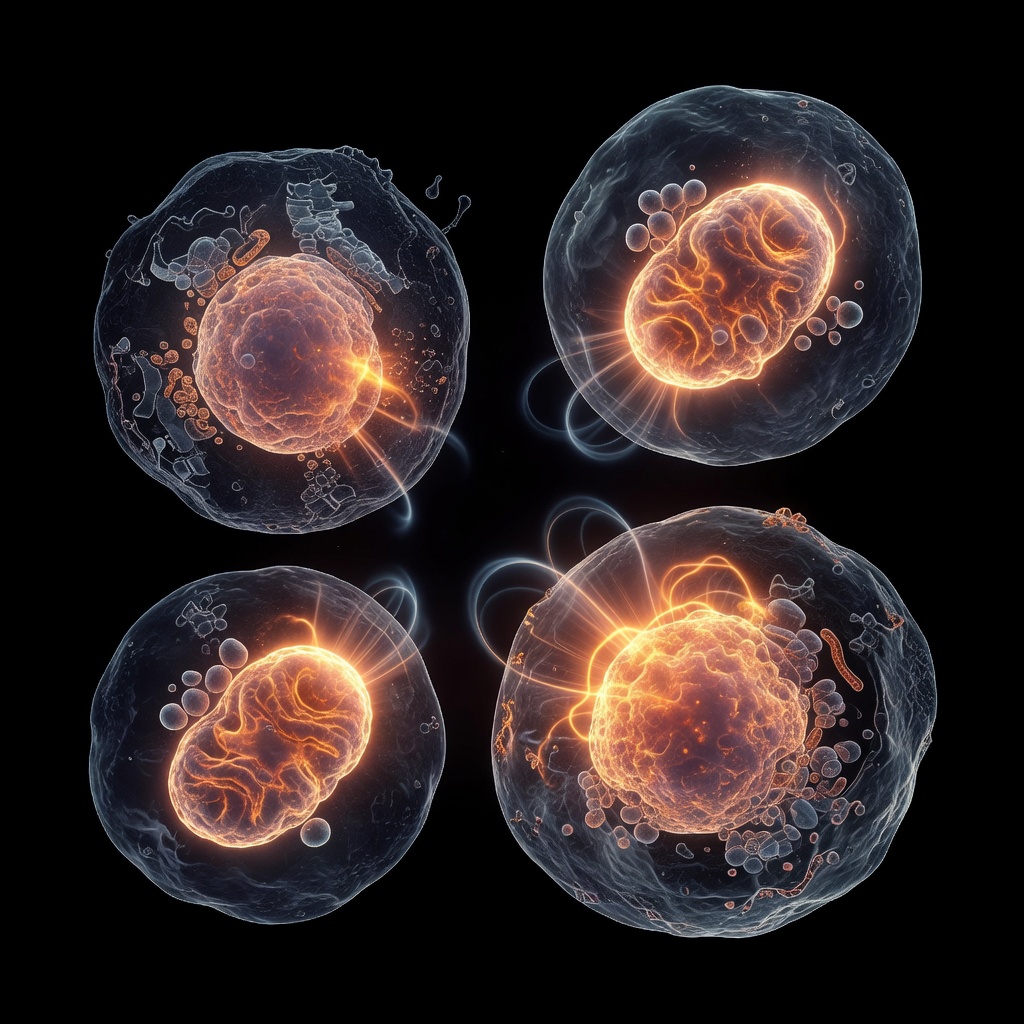
Aluminium is the most abundant metal in the Earth's crust, yet it holds no known biological function in human physiology. Within the context of modern living, human exposure has surged, raising critical questions about how dietary bioavailability affects the gut-brain axis. As an omnipresent environmental toxin, understanding how aluminium crosses the intestinal mucosa is the first step toward mitigating systemic toxicity.
The Mechanisms of Intestinal Absorption
The bioavailability of dietary aluminium is surprisingly low, typically estimated at less than 1% under normal homeostatic conditions. However, this percentage is highly dependent on chemical speciation and the presence of dietary ligands. Aluminium exists in various forms, including silicates, citrates, and chlorides. Research indicates that organic acids, particularly citric acid, significantly enhance the solubility and absorption of aluminium in the small intestine. When ingested alongside acidic beverages or certain processed foods, aluminium can be converted into aluminium citrate, a complex that easily traverses the paracellular pathway between epithelial cells.
The Gut as a Barrier and a Gatekeeper
The gut microbiome plays a pivotal role in modulating heavy metal exposure. A healthy intestinal barrier, characterized by tight junctions, prevents the indiscriminate passage of non-essential metals. However, chronic exposure to inflammatory triggers—such as high-sugar diets, emulsifiers, and alcohol—can lead to 'leaky gut' or increased intestinal permeability. Once the structural integrity of the gut lining is compromised, the gateway for aluminium absorption widens, allowing for systemic circulation of previously sequestered ions.
The Gut-Brain Axis and Neuro-Accumulation
Once in the bloodstream, aluminium is typically bound to transferrin, the iron-transport protein. This molecular mimicry allows aluminium to 'piggyback' across the blood-brain barrier (BBB). The relationship between the gut and the brain is bidirectional. Aluminium accumulation has been hypothesized to trigger neuro-inflammatory responses in the enteric nervous system, which then sends alarm signals via the vagus nerve to the central nervous system. Chronic exposure may lead to oxidative stress in the hippocampus and cortex, areas heavily implicated in cognitive function.
Environmental Mitigation Strategies
Reducing environmental load is the primary defense. Sources include antacids, processed food additives (E520-E523), and contaminated drinking water. Choosing silicon-rich mineral waters has been suggested in recent studies to assist in the urinary excretion of aluminium. Furthermore, nurturing the gut microbiome with fermented foods and high-fiber intake remains the best foundational strategy for maintaining barrier integrity and reducing the systemic availability of environmental toxins.
Conclusion
While the human body possesses sophisticated mechanisms for detoxification, the current scale of environmental aluminium exposure threatens to overwhelm these systems. By focusing on gut health and minimizing intake, individuals can significantly reduce their risk profile. INNERSTANDING continues to emphasize that the path to cognitive longevity starts with the conscious management of the substances we ingest.
This article is provided for informational and educational purposes only. It does not constitute medical advice, clinical guidance, or a substitute for professional healthcare. Information reflects cited research at time of publication. Always consult a qualified healthcare professional before acting on any health information.
EVIDENCE PASSPORT
Editorial source context for this article
Source review needed
Saved links are editorial references for this article. They may support specific claims rather than every sentence. Open and assess each source in context. This passport does not independently verify them.
Editorial context
A complete editorial reading has not been recorded for this article, and no source links are saved on its record.
Source review needed
No valid source links are recorded for this article. Supplementary research, where available, is listed separately below.
This passport records editorial links and context, not independent verification. Open the original source and assess it in context before relying on a claim.
Medical Disclaimer
The information in this article is for educational purposes only and does not constitute medical advice, diagnosis, or treatment. Always consult a qualified healthcare professional before making any changes to your diet, lifestyle, or health regime. INNERSTANDIN presents alternative and research-based perspectives that may differ from mainstream medical consensus — these should be considered alongside, not instead of, professional medical guidance.
Read Full DisclaimerContinue the thread
Keep this question moving.
Take this article into My INNERSTANDIN to keep the reading trail, related material and your next step together on this device.
Explore this in the Body Map
Explore related body structures and their educational pages in the interactive Body Map.
Dig deeper in the Library
Free, longform PDF volumes that go beyond headlines into mechanisms and references.