
Disruptions in Glutamate-GABA Homeostasis: Examining Excitatory-Inhibitory Imbalance in ASD
Discuss this resourceUpdated August 2026
This article explores the E/I imbalance hypothesis in Autism Spectrum Disorder, detailing how the dysregulation of excitatory glutamate and inhibitory GABA signals shapes neurological function and potential therapeutic trajectories.
Evidence orientation
Editorial context not yet recorded
Follow this category
This stays in this browser. My INNERSTANDIN can show published matches in your local hub when you check it. It does not send email, push, or alert notifications.
Local learning review
A private browser aid for revisiting ideas. It is not an alert or a health recommendation.
Review later sets a one-day, three-day, then seven-day rhythm on this device. Choose it only when you want to revisit this article.
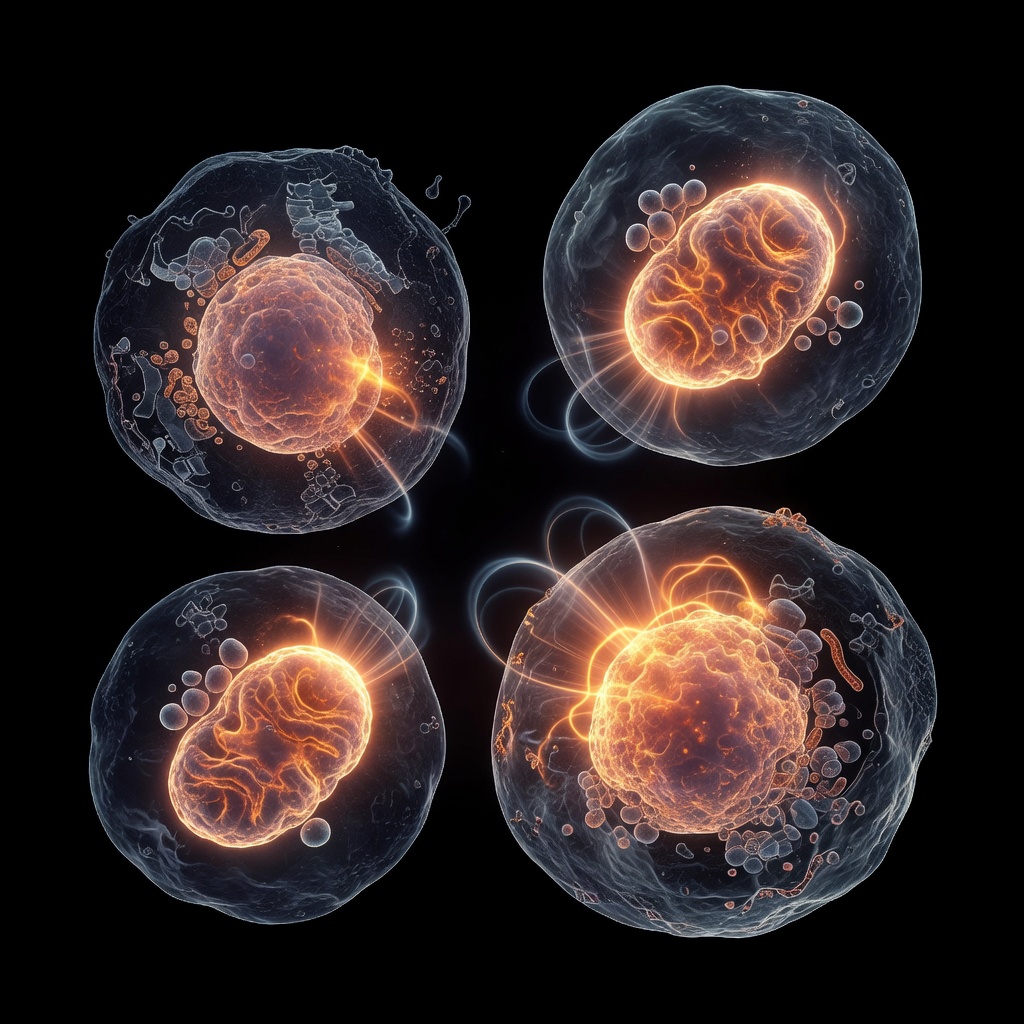
Introduction to E/I Homeostasis. In the intricate web of human neurobiology, the balance between excitation and inhibition—known as E/I homeostasis—is the fundamental rhythm of brain function. For individuals with Autism Spectrum Disorder (ASD), this delicate equilibrium is often shifted. At the core of this disruption lie the primary neurotransmitters: Glutamate, the brain's major excitatory messenger, and Gamma-aminobutyric acid (GABA), the primary inhibitory restraint. When this relationship falters, the resulting 'noise' in neural circuitry contributes significantly to the core phenotypic expressions of autism. ### The Roles of Glutamate and GABA.
Glutamate acts as the brain’s accelerator. It facilitates synaptic plasticity, learning, and memory by increasing the activity of neurons. Conversely, GABA acts as the brake. It reduces neuronal excitability, ensuring that signals are processed precisely without leading to 'runaway' excitation. In a neurotypical brain, these two work in a synergistic dance.
In many ASD models, however, we observe an excess of glutamate or a deficiency in GABAergic function, leading to a state of chronic hyperexcitability. ### Root Causes of Imbalance. The origins of this imbalance are multi-factorial, stemming from genetic vulnerabilities and environmental interactions. Research indicates that mutations in genes encoding for synaptic cell adhesion molecules, such as neuroligins and neurexins, can physically disrupt the formation of excitatory and inhibitory synapses. Furthermore, metabolic dysfunction often plays a role; mitochondria, the powerhouses of the cell, are essential for the energy-intensive process of recycling glutamate into GABA. If mitochondrial efficiency is compromised, the brain struggles to maintain the inhibitory reserve required to dampen excessive excitatory input. ### Sensory Processing and the 'Noise' Effect.
How does this manifest in real-world behavior? One of the most common outcomes of an E/I imbalance is sensory hypersensitivity. Because inhibitory pathways are not sufficiently 'tuning down' incoming sensory data, the brain is flooded with raw information. This lack of filtering leads to sensory overload, which is often misinterpreted as behavioral rigidity, but is, at its core, a neurological struggle to process environmental stimuli without hitting a threshold of 'electrical' noise. ### Therapeutic Implications and Future Directions. Understanding that ASD involves a biological shift toward excitation has opened new doors for intervention.
Current research is focusing on modulating the GABAergic system to restore homeostasis. Pharmacological approaches, nutritional support aimed at supporting glutamine-glutamate conversion, and sensory-integration therapies are being explored as ways to support the nervous system in recalibrating its internal volume control. By targeting the E/I balance, we shift the conversation from behavioral modification to biological support.
This article is provided for informational and educational purposes only. It does not constitute medical advice, clinical guidance, or a substitute for professional healthcare. Information reflects cited research at time of publication. Always consult a qualified healthcare professional before acting on any health information.
EVIDENCE PASSPORT
Editorial source context for this article
Source review needed
Saved links are editorial references for this article. They may support specific claims rather than every sentence. Open and assess each source in context. This passport does not independently verify them.
Editorial context
A complete editorial reading has not been recorded for this article, and no source links are saved on its record.
Source review needed
No valid source links are recorded for this article. Supplementary research, where available, is listed separately below.
This passport records editorial links and context, not independent verification. Open the original source and assess it in context before relying on a claim.
Medical Disclaimer
The information in this article is for educational purposes only and does not constitute medical advice, diagnosis, or treatment. Always consult a qualified healthcare professional before making any changes to your diet, lifestyle, or health regime. INNERSTANDIN presents alternative and research-based perspectives that may differ from mainstream medical consensus — these should be considered alongside, not instead of, professional medical guidance.
Read Full DisclaimerContinue the thread
Keep this question moving.
Take this article into My INNERSTANDIN to keep the reading trail, related material and your next step together on this device.
Explore this in the Body Map
Explore related body structures and their educational pages in the interactive Body Map.
Dig deeper in the Library
Free, longform PDF volumes that go beyond headlines into mechanisms and references.