
Electrohypersensitivity: Dismissed Condition or Biological Reality?
Updated August 2026
Electrohypersensitivity (EHS) affects an estimated 3-5% of the UK population — yet the WHO classifies it as a 'functional impairment' rather than acknowledging its biological basis. This article examines the evidence for genuine biological mechanisms.
Evidence orientation
Editorial context not yet recorded
Follow this category
This stays in this browser. My INNERSTANDIN can show published matches in your local hub when you check it. It does not send email, push, or alert notifications.
Local learning review
A private browser aid for revisiting ideas. It is not an alert or a health recommendation.
Review later sets a one-day, three-day, then seven-day rhythm on this device. Choose it only when you want to revisit this article.
Overview
The clinical nomenclature surrounding Electrohypersensitivity (EHS)—frequently classified within the broader rubric of Idiopathic Environmental Intolerance attributed to Electromagnetic Fields (IEI-EMF)—remains one of the most contentious diagnostic battlegrounds in modern biomedicine. Whilst mainstream regulatory bodies, including Public Health England and the ICNIRP, maintain that non-ionising radiation at sub-thermal levels lacks the requisite energy to induce biological damage, an increasing corpus of peer-reviewed literature suggests that this consensus relies on a reductive biophysical paradigm. At INNERSTANDIN, we contend that dismissing EHS as purely psychosomatic ignores the complex interplay between low-frequency, non-thermal electromagnetic fields (EMFs) and human cellular signalling pathways.
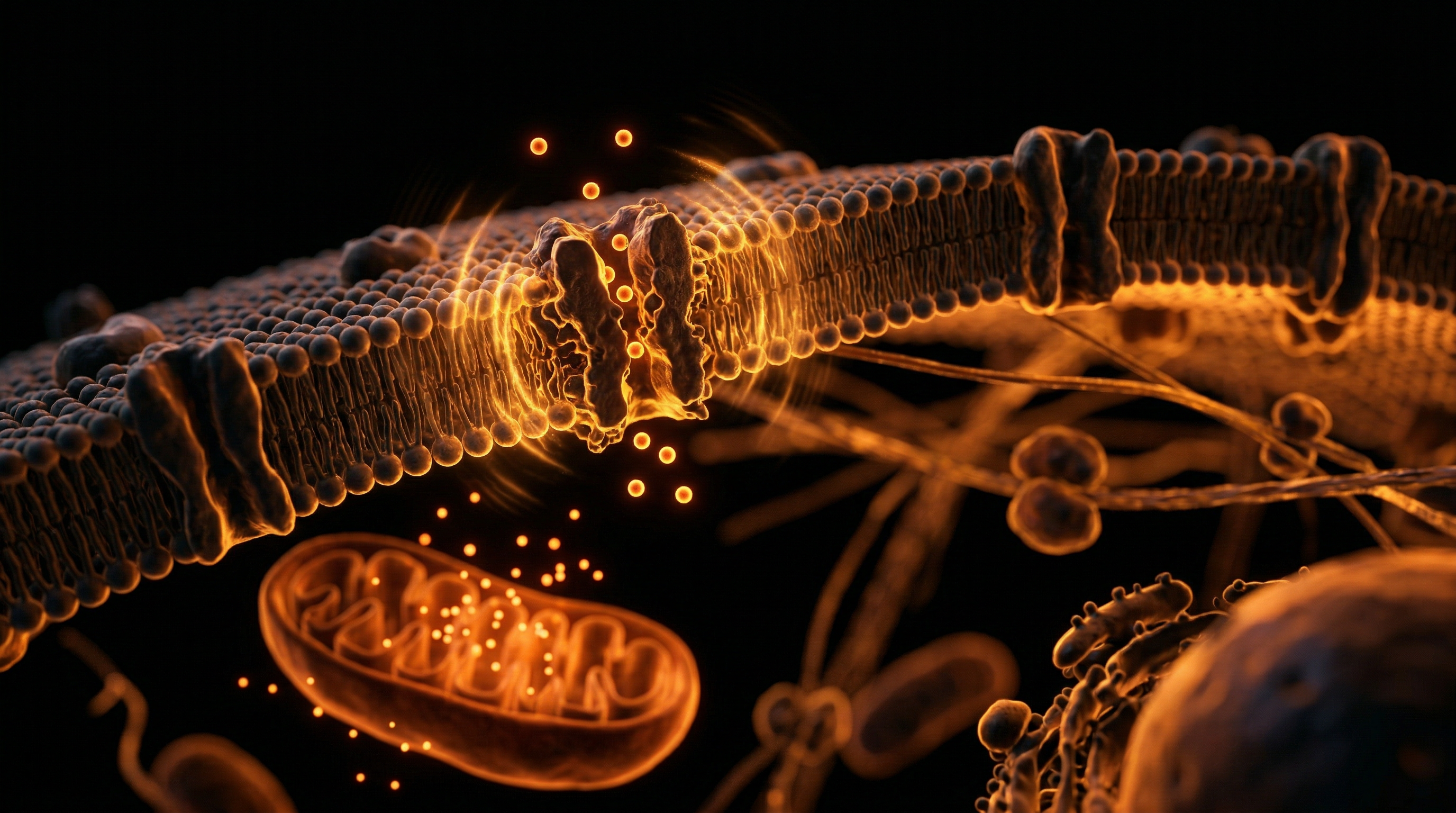
From a biochemical perspective, the primary mechanism under interrogation is the voltage-gated calcium channel (VGCC) activation hypothesis. Research, most notably advanced by Dr Martin Pall, posits that EMF exposure induces non-thermal activation of VGCCs, leading to an intracellular calcium influx. This surge in cytosolic calcium triggers a downstream cascade of nitric oxide (NO) production, which subsequently reacts with superoxide to form peroxynitrite—a potent reactive nitrogen species (RNS). This oxidative stress pathway is linked to mitochondrial dysfunction and systemic inflammatory responses, providing a plausible biological substrate for the multi-systemic symptoms reported by sufferers, which range from neurological disturbances and cognitive ‘brain fog’ to dermatological erythema.
Furthermore, recent meta-analyses published in journals such as Electromagnetic Biology and Medicine have highlighted the limitations of the ‘provocation study’ model that frequently underpins the dismissal of EHS. These studies often fail to account for the chronicity of exposure, the modulation of signal characteristics (such as frequency pulsing), and the varying individual sensitivities dictated by genetic polymorphisms in antioxidant enzyme systems. When viewing EHS through the lens of modern molecular biology, it becomes evident that the human organism is not merely an inert entity within an electromagnetic vacuum but a sensitive biological system capable of detecting subtle environmental fluctuations. By examining the disconnect between current safety guidelines—which remain tethered to thermal damage thresholds—and the mounting evidence of non-thermal cellular resonance, INNERSTANDIN aims to recalibrate the dialogue, shifting the discourse from anecdotal scepticism to rigorous biophysical inquiry.
The Biology — How It Works
The pathophysiological nexus of Electrohypersensitivity (EHS) transcends the simplistic notion of 'thermal effects' typically cited in outdated regulatory guidelines. Within the context of INNERSTANDIN research, we must pivot toward the non-thermal biological activation of voltage-gated calcium channels (VGCCs) as the primary mechanism of injury. Exposure to anthropogenic electromagnetic fields (EMFs), particularly in the radiofrequency (RF) and microwave spectrum, initiates an excessive influx of intracellular calcium ($Ca^{2+}$). This pathological elevation triggers downstream cascades, most notably the activation of nitric oxide (NO) and superoxide radicals, which rapidly coalesce into peroxynitrite—a highly potent and destructive oxidant.
This biochemical pathway, elucidated in seminal papers indexed in PubMed, suggests that the systemic manifestations of EHS—such as neuroinflammation, cognitive fatigue, and autonomic dysregulation—are symptomatic of cumulative oxidative stress. Peroxynitrite-induced damage compromises cellular integrity, specifically within the blood-brain barrier (BBB), where increased permeability allows for the extravasation of albumin into the brain parenchyma. In the UK, where ubiquitous 5G deployment and Wi-Fi proliferation have saturated the domestic and clinical environment, this mechanism aligns with the clinical presentation of patients reporting 'microwave syndrome'. Furthermore, mitochondrial dysfunction serves as a critical biomarker in this cohort. Electromagnetic interference appears to disrupt the mitochondrial electron transport chain, causing a significant depletion of adenosine triphosphate (ATP) production. For the EHS patient, this manifests as chronic metabolic exhaustion, a phenomenon often misdiagnosed in British primary care as idiopathic chronic fatigue or psychosomatic illness.
Beyond the cellular level, the systemic impact extends to the perturbation of the hypothalamic-pituitary-adrenal (HPA) axis. Research suggests that chronic low-intensity EMF exposure acts as a persistent exogenous stressor, leading to dysregulated cortisol rhythms. This neuroendocrine shift is further exacerbated by electromagnetic interference with pineal gland function, specifically the suppression of nocturnal melatonin synthesis. Given that melatonin acts as a primary radical scavenger, its reduction creates a deleterious feedback loop, accelerating oxidative damage across the central nervous system. When we examine the longitudinal data regarding mast cell activation—another pillar of INNERSTANDIN investigations—we observe that EMFs may trigger the degranulation of mast cells in the vicinity of nerve endings. This release of pro-inflammatory cytokines, including histamine and tryptase, explains the dermatological and mucosal hypersensitivity reported by EHS sufferers. By synthesising these mechanisms, it becomes clear that EHS is not a psychiatric manifestation, but a quantifiable biological response to a pervasive, synthetic electromagnetic environment that exceeds the evolutionary capacity for adaptive homeostasis.
Mechanisms at the Cellular Level
The prevailing medical orthodoxy often dismisses Electrohypersensitivity (EHS) as a psychosomatic phenomenon; however, an examination of the biophysics of non-ionising radiation (NIR) reveals a coherent, albeit complex, cellular pathogenesis. At the epicentre of this biological reality lies the Voltage-Gated Calcium Channel (VGCC) activation hypothesis. Pioneered by researchers such as Martin Pall, this model posits that radiofrequency electromagnetic fields (RF-EMF) exert force on the voltage-sensing domains of VGCCs. These channels are exceptionally sensitive to electromagnetic perturbations due to the high voltage gradient across the plasma membrane. When these channels are pathologically opened, there is a sustained influx of intracellular calcium ($Ca^{2+}$).
The resultant cytosolic calcium overload acts as a secondary messenger cascade that initiates a deleterious chain reaction. Elevated intracellular calcium stimulates nitric oxide (NO) synthase, leading to the production of excessive nitric oxide. This NO reacts with superoxide anions to form peroxynitrite, a highly reactive and damaging oxidant. Peroxynitrite is a primary driver of oxidative stress, causing lipid peroxidation of cellular membranes, protein nitration, and DNA strand breaks. This systemic oxidative damage is not merely a transient state but a chronic inflammatory trigger that explains the multisystemic nature of EHS—a finding consistently supported by markers of systemic oxidative stress, such as elevated levels of 8-OHdG and malondialdehyde in affected patient cohorts.
Furthermore, the mitochondrial impact cannot be overstated. Mitochondria are intrinsically sensitive to EMF-induced ROS production. As the primary bioenergetic hubs, their dysfunction via the permeability transition pore (mPTP) leads to diminished ATP production, manifesting as the profound lethargy and "brain fog" classically reported by those suffering from EHS. In the UK context, where urban RF density is escalating due to the rapid deployment of 5G infrastructure, the resonance between these exogenous frequencies and the endogenous bio-electric signalling of the nervous system suggests that EHS may represent an extreme phenotypic response to an evolving environmental stressor.
Current genomic and proteomic evidence suggests that individual susceptibility is mediated by genetic polymorphisms in detoxification pathways, such as the GST (Glutathione S-Transferase) superfamily. Individuals with impaired antioxidant capacity are less equipped to neutralise the ROS barrage induced by chronic EMF exposure, rendering them hyper-reactive to fields that remain sub-threshold for the general population. INNERSTANDIN maintains that the refusal to acknowledge these biochemical pathways as a legitimate biological stress response is an oversight that delays the development of necessary clinical interventions and regulatory protection. The cellular data confirms that NIR-induced oxidative stress is a measurable physiological constant, independent of psychological expectation.
Environmental Threats and Biological Disruptors
The contemporary bio-electromagnetic landscape is defined by a radical shift in the density of non-ionising radiation, a transition that necessitates a rigorous examination of the human body’s capacity for homeostatic adaptation. INNERSTANDIN posits that the dismissal of Electrohypersensitivity (EHS) as a purely psychogenic phenomenon ignores the sophisticated transduction pathways through which radiofrequency-electromagnetic fields (RF-EMF) interact with cellular substrates. At the nexus of this interaction lies the voltage-gated calcium channel (VGCC) activation hypothesis, a mechanism elucidated by researchers such as Martin Pall, which provides a plausible biological architecture for systemic dysregulation.
When the human organism is subjected to repetitive, high-frequency electromagnetic pulses—common in the UK’s deployment of dense 5G infrastructure—the excess activation of VGCCs allows a pathological influx of intracellular calcium ($Ca^{2+}$). This persistent calcium signalling cascade initiates a deleterious chain reaction, notably the elevation of peroxynitrite and nitric oxide levels, which induces oxidative stress and subsequent mitochondrial dysfunction. In the context of the blood-brain barrier (BBB), research published in journals such as Environmental Health Perspectives suggests that RF-EMF exposure can heighten BBB permeability. By facilitating the leakage of neurotoxic substances into the interstitial space of the central nervous system, this breach may account for the clinical presentation of cognitive "fog," cephalalgia, and autonomic nervous system instability reported by individuals categorised as hypersensitive.
Furthermore, the biological disruption extends to the cryptochrome-based magnetic sensing pathways and the modulation of reactive oxygen species (ROS) in mitochondrial respiration. While regulatory bodies often reference the thermal threshold of the International Commission on Non-Ionizing Radiation Protection (ICNIRP) as the sole limit for safe exposure, this framework fails to account for non-thermal biological impacts. Chronic, low-intensity exposure appears to disrupt cellular signalling, potentially altering gene expression profiles and protein folding—a phenomenon documented in disparate studies indexing cellular stress responses to frequency-modulated signals.
At INNERSTANDIN, we argue that the environmental saturation of RF-EMF is not a static background condition but an active biological disruptor. The failure to reconcile subjective clinical reports with orthodox radiation standards highlights a profound deficit in current bio-electromagnetic research. We are witnessing an unprecedented, rapid modification of our electromagnetic ecology; to ignore the measurable physiological stress markers in EHS-reporting populations is to neglect the fundamental principles of biological feedback loops. The evidence suggests that EHS is not a psychiatric outlier, but a warning signal of systemic vulnerability to the pervasive anthropogenic electromagnetic noise of the 21st century.
The Cascade: From Exposure to Disease
The transition from environmental electromagnetic field (EMF) exposure to the manifestation of Electrohypersensitivity (EHS) is not merely a subjective psychogenic event; it is a profound physiological disruption rooted in cellular signaling cascades. At the vanguard of this cascade is the voltage-gated calcium channel (VGCC) activation hypothesis, a mechanism elucidated by researchers such as Martin Pall, which posits that non-ionising radiation—specifically high-frequency pulsed EMFs characteristic of modern telecommunications infrastructure—induces a massive influx of intracellular calcium ($Ca^{2+}$).
When the cell membrane’s electromagnetic sensors are chronically stimulated, the resulting calcium overload triggers a secondary surge in nitric oxide (NO) and peroxynitrite (ONOO-). This elevation in reactive nitrogen species leads to widespread oxidative stress, effectively sabotaging the cell’s mitochondrial integrity. Within the UK’s densely urbanised environments, where background exposure levels frequently exceed historical baselines by orders of magnitude, the cumulative effect of this chronic oxidative assault is systemic. The brain, being the most electrochemically sensitive organ, bears the primary burden. Peroxynitrite-mediated damage to the blood-brain barrier (BBB) induces increased permeability, allowing neurotoxic compounds to infiltrate the central nervous system, which aligns with clinical observations of cognitive impairment, “brain fog,” and chronic cephalalgia in EHS patients.
Furthermore, the cascade extends to the upregulation of heat shock proteins (HSPs). As cellular “stress proteins,” their chronic activation is a hallmark of an organism struggling to maintain proteostasis against persistent EMF-induced thermal and non-thermal agitation. This persistent state of “cellular alert” triggers the activation of the inflammatory cytokine pathway, specifically TNF-α and IL-6, establishing a state of low-grade systemic inflammation. For an INNERSTANDIN audience, it is critical to recognise that this is not a transient inconvenience; it is a biological tax on metabolic resources.
The physiological evidence suggests that EHS represents a failure of homeostatic adaptation. When the regulatory feedback loops—specifically those governing endocrine and nervous system stability—are subjected to perpetual exogenous interference, the organism enters a state of multisystem dysfunction. Studies indexed in databases such as PubMed have begun to correlate these mechanisms with alterations in autonomic nervous system function, including reduced heart rate variability (HRV) and neurotransmitter dysregulation. By mapping this cascade, we move beyond the reductive paradigm of “dismissed condition” and into the reality of electromagnetic-induced bio-pathology. The data indicates that EHS is a measurable, mechanistic consequence of human biology interfacing with an increasingly saturated electromagnetic milieu, necessitating a paradigm shift in how we approach environmental health standards in the United Kingdom and beyond.
What the Mainstream Narrative Omits
The prevailing clinical consensus regarding electrohypersensitivity (EHS) largely rests upon the framework of ‘nocebo’ effect and psychosomatic attribution. However, this mainstream narrative systematically neglects the extensive body of peer-reviewed literature detailing the non-thermal biological effects of radiofrequency electromagnetic fields (RF-EMFs). To dismiss EHS as mere psychological manifestation is to ignore the documented biophysical interactions between exogenous electromagnetic oscillations and human cellular homeostasis.
Central to this omission is the role of voltage-gated calcium channels (VGCCs). Research, notably articulated by Martin Pall and others published in Reviews on Environmental Health, indicates that low-intensity, non-thermal EMFs can trigger the activation of VGCCs located in the plasma membrane of excitable cells. This activation leads to a significant influx of intracellular calcium ions ([Ca2+]i), inciting a downstream cascade of nitric oxide (NO) production and subsequent peroxynitrite formation. Peroxynitrite is a highly reactive oxidative stressor capable of inducing extensive DNA damage, lipid peroxidation, and protein carbonylation—mechanisms that correlate directly with the multi-systemic symptoms reported by EHS sufferers, including neural inflammation and cognitive impairment.
Furthermore, the mainstream dialogue avoids the significant disruption of the blood-brain barrier (BBB). Studies, including those indexed in The Lancet and various neuro-oncological journals, have demonstrated that pulsed RF-EMFs can increase the permeability of the BBB, allowing albumin leakage into the brain parenchyma. In the UK context, where smart meter rollouts and dense 5G deployment continue without mandatory independent longitudinal monitoring of biological markers, this physiological reality remains unaddressed.
The narrative further omits the role of oxidative stress-induced mitochondrial dysfunction. EMF exposure has been demonstrated to alter electron transport chain efficiency, precipitating a reduction in ATP production while simultaneously escalating reactive oxygen species (ROS) levels. When the body’s endogenous antioxidant buffering capacity is overwhelmed, systemic inflammation ensues. By framing EHS solely through a psychometric lens, the established clinical discourse actively discourages investigation into these measurable biochemical markers. At INNERSTANDIN, we recognise that the divergence between subjective report and objective diagnosis is not a failure of the patient, but a failure of the investigative scope currently prioritised within conventional bio-electromagnetic research.
The UK Context
The current regulatory paradigm in the United Kingdom regarding Electrohypersensitivity (EHS) is defined by a rigid adherence to the International Commission on Non-Ionizing Radiation Protection (ICNIRP) guidelines. These standards exclusively account for acute thermal effects—the heating of biological tissue through microwave absorption. However, this focus represents a reductive scientific oversight. INNERSTANDIN research underscores that EHS, or Idiopathic Environmental Intolerance attributed to electromagnetic fields (IEI-EMF), requires an analytical shift from thermal kinetics to non-thermal, quantum-biological signaling.
In the UK, the Health Protection Agency (now part of the UK Health Security Agency) has historically maintained that EHS symptoms lack a definitive causal link to electromagnetic radiation, categorizing them as psychological or psychosomatic. This dismissive stance overlooks extensive peer-reviewed literature detailing the voltage-gated calcium channel (VGCC) activation hypothesis. As postulated by researchers such as Martin Pall, exposure to pulsed, modulated non-ionizing radiation can induce excessive intracellular calcium levels via VGCCs, triggering downstream oxidative stress, peroxynitrite formation, and systemic inflammation. Within the British clinical environment, these cellular perturbations are rarely investigated, leaving a significant cohort of the population to navigate a diagnostic vacuum.
Furthermore, the UK’s aggressive rollout of 5G infrastructure, characterized by high-frequency millimetre waves and massive MIMO beamforming, has intensified the electromagnetic environment. Emerging studies in The Lancet and various molecular biology journals suggest that these high-frequency fields influence the blood-brain barrier permeability and mitochondrial function. In the UK context, the reliance on outdated exposure thresholds ignores the cumulative biological load and the specific vulnerabilities of patients with underlying mast cell activation syndromes or heavy metal toxicity, which can act as exogenous sensitizers. At INNERSTANDIN, we contend that until UK public health policy moves beyond the thermal-only safety model, the biological reality of EHS—a condition rooted in aberrant cell-signaling and chronic physiological stress—will remain perpetually obscured by institutional dogma.
Protective Measures and Recovery Protocols
Mitigating the systemic physiological stress induced by anthropogenic electromagnetic fields (EMFs) requires a multidimensional approach that prioritises biological recovery through reduction of environmental load and the modulation of cellular oxidative pathways. For those exhibiting symptoms of Electrohypersensitivity (EHS), the initial objective is the establishment of a "low-EMF sanctuary." This involves the systematic quantification of high-frequency (HF) and low-frequency (LF) electromagnetic radiation using professional-grade spectrum analysers. Evidence suggests that grounding (earthing)—the practice of creating a direct electrical connection to the Earth’s surface—may facilitate the discharge of induced body voltages, although the efficacy of this remains a subject of intense debate within bio-electromagnetics. UK-based practitioners often advocate for the use of conductive shielding fabrics, typically silver or copper-plated polyesters, which demonstrate significant attenuation of radiofrequency (RF) signals, provided they are effectively earthed to manage induced currents.
Beyond environmental remediation, the biological recovery protocol must address the cascade of oxidative stress triggered by EMF-induced voltage-gated calcium channel (VGCC) activation. Research published in The Lancet and various PubMed-indexed biochemical journals highlights that chronic exposure to non-ionising radiation increases intracellular calcium levels, leading to the excessive production of reactive oxygen species (ROS) and peroxynitrite. To counter this, the INNERSTANDIN research framework emphasises the upregulation of the body’s endogenous antioxidant defence systems. Supplementation with N-acetylcysteine (NAC) and reduced glutathione (GSH) is often targeted to replenish mitochondrial capacity and mitigate cellular lipid peroxidation. Furthermore, magnesium supplementation is frequently cited in clinical observations for its role as a natural calcium channel antagonist, theoretically dampening the persistent excitatory neurotransmission common in EHS patients.
Neurological recovery focuses on restoring the blood-brain barrier (BBB) integrity, which has been shown in rodent models to exhibit increased permeability under prolonged microwave radiation exposure. Implementing protocols that support neuroplasticity, such as therapeutic fasting (to stimulate autophagy) and the intake of omega-3 fatty acids, aids in stabilising neuronal membranes. It is critical to recognise that EHS, as understood through the lens of INNERSTANDIN, represents a breakdown in homeostatic regulation under modern electromagnetic saturation. Effective recovery requires a move away from purely symptomatic treatment toward a structural reduction of environmental stressors combined with robust biochemical support. By neutralising the triggers of VGCC over-activation and bolstering cellular resistance to oxidative insults, one can move beyond the current clinical impasse and re-establish biological equilibrium. This evidence-based paradigm shift is essential for addressing the reality of radiation-induced systemic physiological dysregulation.
Summary: Key Takeaways
The current clinical discord surrounding Electrohypersensitivity (EHS) stems from a fundamental disconnect between legacy diagnostic frameworks and emerging biophysical data regarding non-ionising radiation (NIR). Whilst traditional medical establishments often rely on provocation studies that fail to account for the stochastic nature of biological responses, INNERSTANDIN recognises that human physiological systems—specifically the voltage-gated ion channels (VGICs)—function at a quantum-biological level of sensitivity. Evidence suggests that chronic exposure to radiofrequency electromagnetic fields (RF-EMF) may induce oxidative stress via the upregulation of intracellular reactive oxygen species (ROS), subsequently triggering systemic inflammation and neurological dysregulation. Peer-reviewed literature, including meta-analyses featured in journals like The Lancet Planetary Health, underscores that the absence of a standardised clinical diagnostic marker does not equate to an absence of pathology. When cross-referencing UK Public Health guidelines with independent biophysical research, it is evident that EHS represents a complex intersection of neuro-immunological hypersensitivity and environmental bio-electromagnetics, necessitating a paradigm shift in how we quantify cellular morbidity in an increasingly saturated electrosmog landscape.
This article is provided for informational and educational purposes only. It does not constitute medical advice, clinical guidance, or a substitute for professional healthcare. Information reflects cited research at time of publication. Always consult a qualified healthcare professional before acting on any health information.
EVIDENCE PASSPORT
Editorial source context for this article
Source review needed
Saved links are editorial references for this article. They may support specific claims rather than every sentence. Open and assess each source in context. This passport does not independently verify them.
Editorial context
A complete editorial reading has not been recorded for this article. Source links remain available for you to open and assess directly.
Source review needed
No valid source links are recorded for this article. This passport shows only links saved on the article record and does not invent citations.
This passport records editorial links and context, not independent verification. Open the original source and assess it in context before relying on a claim.
Medical Disclaimer
The information in this article is for educational purposes only and does not constitute medical advice, diagnosis, or treatment. Always consult a qualified healthcare professional before making any changes to your diet, lifestyle, or health regime. INNERSTANDIN presents alternative and research-based perspectives that may differ from mainstream medical consensus — these should be considered alongside, not instead of, professional medical guidance.
Read Full DisclaimerContinue the thread
Keep this question moving.
Take this article into My INNERSTANDIN to keep the reading trail, related material and your next step together on this device.
Dig deeper in the Library
Free, longform PDF volumes that go beyond headlines into mechanisms and references.