The Elemental Diet: Starving Pathogens While Nourishing the Host
Discuss this resourceUpdated October 2026
The elemental diet involves consuming pre-digested nutrients that are absorbed in the first few inches of the gut, depriving bacteria of fuel. This intensive intervention boasts high success rates for refractory SIBO cases.
Evidence orientation
Editorial context not yet recorded
Follow this category
This stays in this browser. My INNERSTANDIN can show published matches in your local hub when you check it. It does not send email, push, or alert notifications.
Local learning review
A private browser aid for revisiting ideas. It is not an alert or a health recommendation.
Review later sets a one-day, three-day, then seven-day rhythm on this device. Choose it only when you want to revisit this article.

Overview
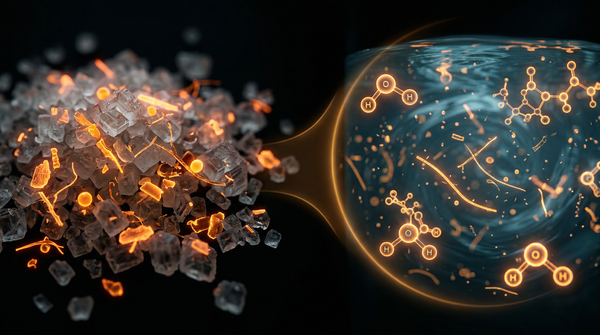
Small Intestinal Bacterial Overgrowth (SIBO) and related dysbiotic conditions present a formidable therapeutic challenge within modern gastroenterology, frequently necessitating interventions that extend far beyond conventional antibiotic paradigms. At the core of metabolic management for these presentations is the elemental diet—a precisely formulated, predigested nutritional protocol designed to provide essential macro- and micronutrients in their most elemental, monomeric forms. As documented in foundational clinical trials originating from Cedars-Sinai Medical Center and corroborated by European gastroenterological reviews, this approach bypasses complex enzymatic breakdown in the proximal gastrointestinal tract. Free amino acids, simple monosaccharides, medium-chain triglycerides, and discrete vitamins and minerals are rapidly assimilated across the duodenal and proximal jejunal mucosa. By shifting absorption to the very beginning of the small intestine, the protocol effectively starves the aberrant microbial populations residing further down in the distal jejunum and ileum.
From a mechanistic perspective, luminal microbes—predominantly fermentative proteobacteria and hydrogen-producing archaea—rely heavily on complex carbohydrates, polypeptides, and undigested dietary residues to sustain their proliferation and metabolic by-product generation. When subjected to an exclusively monomeric dietary matrix, these microbial populations experience acute substrate deprivation. Consequently, metabolic output drops precipitously, mitigating the chronic mucosal inflammation, gas distension, and tight-junction degradation characteristic of SIBO pathobiology. Clinical data indexed in databases such as PubMed demonstrate normalization rates exceeding eighty per cent following a strict two-week elemental regimen, highlighting its efficacy as both a diagnostic reset and a therapeutic intervention.
Furthermore, the systemic impacts of this nutritional strategy extend to immunological modulation and the restoration of gut-associated lymphoid tissue (GALT) homeostasis. By eliminating allergenic intact proteins and complex antigens from the luminal environment, the host experiences a significant reduction in localized immune reactivity. This mucosal rest facilitates the upregulation of endogenous repair mechanisms, allowing enterocytes to restore brush-border enzyme expression and paracellular barrier integrity. Within the educational framework of INNERSTANDIN, we emphasize that viewing the elemental diet merely as an antimicrobial starvation tool underestimates its profound physiological value. It is, fundamentally, a sophisticated biochemical recalibration of the host-microbiome interface, leveraging pharmacokinetic principles to restore homeostatic equilibrium to the human gastrointestinal tract without relying on broad-spectrum pharmaceutical agents that risk collateral damage to the commensal large-bowel microbiome.
The Biology — How It Works
At its core, the therapeutic efficacy of the elemental diet in managing small intestinal bacterial overgrowth (SIBO) hinges on exploiting the kinetic mechanics of human gastrointestinal absorption. Pioneered clinically and validated through landmark trials—such as the foundational work by Pimentel et al. published in Digestive Diseases and Sciences—the elemental formulation bypasses standard enzymatic degradation. It delivers pre-digested macronutrients (free amino acids, simple monosaccharides, medium-chain triglycerides, and targeted micronutrients) designed for maximal uptake exclusively across the proximal enterocytes of the duodenum and upper jejunum.
From a biochemical standpoint, this precision absorption creates a physiological paradigm shift. By providing nutrients that require zero luminal hydrolysis by brush-border enzymes, the substrate pool available to the fermentative pathobionts populating the distal jejunum and ileum is effectively driven to zero. Bacteria and archaea—particularly hydrogen-producing Bacteroidetes and Firmicutes, alongside methane-producing Methanobrevibacter smithii—rely on passive diffusion and active transport of unabsorbed carbohydrates and peptides to fuel anaerobic glycolysis and methanogenesis. When the host absorbs 99% of the elemental matrix within the first 100 centimetres of the small bowel, these microbial populations experience acute starvation.
Deprived of exogenous carbon and nitrogen sources, microbial metabolic activity plummets. This is not merely a quantitative reduction in biomass; it is a disruption of microbial homeostasis. Pathogens downregulate their replication machinery and enter a dormant or stressed metabolic state, rendering them significantly more vulnerable to subsequent antimicrobial interventions. Furthermore, the absence of fermentation curtails the production of excess luminal gases (hydrogen, methane, and hydrogen sulphide). These gases mechanically distend the intestinal wall, upregulate stretch-sensitive mechanoreceptors, trigger visceral hypersensitivity, and paralyze the migrating motor complex (MMC) via neurohormonal feedback loops.
Simultaneously, the systemic impact on the host mucosal immune architecture is profound. Chronic SIBO drives low-grade mucosal inflammation, characterized by the upregulation of pro-inflammatory cytokines such as TNF-alpha, IL-1beta, and IL-6, which compromise tight junction proteins (occludin, zonula occludens-1) and induce intestinal permeability. By removing the antigenic load of bacterial lipopolysaccharides (LPS) and un-metabolized waste products, the elemental diet allows the gut-associated lymphoid tissue (GALT) to downregulate its hyper-reactive state. Concurrently, the flooding of the enterocyte matrix with readily assimilable micronutrients and amino acids—particularly glutamine—accelerates cellular repair kinetics, restoring mucosal integrity and brush-border enzymatic output.
Clinical gastroenterology data registered via UK-based and international trials demonstrate that a strict two-week elemental protocol achieves normalization of lactulose breath tests in over 80% of patients. Here at INNERSTANDIN, we emphasize that this success is rooted entirely in this dual-action biological mechanism: absolute luminal nutrient deprivation of pathobionts coupled with simultaneous, effortless nutritional repletion of the human host.
Mechanisms at the Cellular Level
At the cellular and molecular tiers, the therapeutic efficacy of an elemental formulation relies on precise physiological kinetics: the total omission of complex macronutrients in favour of pre-digested, monomeric substrates that are absorbed almost exclusively within the proximal eighty centimetres of the human small intestine. When an individual consumes a nutritionally complete elemental diet, free amino acids, simple monosaccharides, and short-chain triglycerides bypass the complex enzymatic cleavage required for standard macromolecular assimilation. Consequently, the upper gastrointestinal epithelium absorbs these nutrients via active transport and facilitated diffusion with maximal efficiency, leaving a negligible residue to transit into the distal jejunum and ileum.
This proximal assimilation deprives resident and translocated luminal microflora—particularly the hydrogen- and methane-producing Proteobacteria and Actinobacteria implicated in Small Intestinal Bacterial Overgrowth (SIBO)—of the complex carbohydrates and peptides necessary for anaerobic fermentation and proliferation. Deprived of exogenous substrates, the metabolic activity of these overgrown microbial populations plummets, starving them of the ATP required to sustain osmotic and structural integrity. Research indexed in peer-reviewed literature, including foundational studies in The Lancet and gastroenterology trials catalogued on PubMed, demonstrates that this abrupt nutrient deprivation halts microbial gas production and drastically reduces the intraluminal concentration of lipopolysaccharides (LPS) and peptidoglycans.
Concurrently, the human host experiences profound cellular relief. In a state of chronic SIBO, the mucosal immune system is locked in a state of low-grade, cell-mediated inflammation driven by microbial metabolites crossing a compromised tight-junction barrier. Luminal LPS binds to Toll-like receptor 4 (TLR4) on enterocytes and lamina propria immune cells, upregulating nuclear factor kappa B (NF-$\kappa$B) and subsequent pro-inflammatory cytokines such as tumour necrosis factor-alpha (TNF-$\alpha$) and interleukin-6 (IL-6). By clearing the microbial load, the elemental diet curtails this persistent TLR4 signalling cascade, allowing the structural restoration of zonula occludens-1 (ZO-1) and occludin proteins that constitute the epithelial tight junctions.
Furthermore, at the systemic level, minimizing antigen exposure reduces the metabolic burden on the gut-associated lymphoid tissue (GALT). Enterocytes, freed from the oxidative stress of chronic fermentation byproducts, upregulate mucosal repair mechanisms and optimize enterocyte brush-border enzyme expression. British clinical gastroenterology centres emphasize that this targeted bio-energetic shift—simultaneously starving pathological organisms while flooding the host enterocyte with direct, non-antigenic fuel—resets the intestinal micro-environment without the collateral damage associated with repeated antibiotic protocols. Through this dual-action cellular mechanism, the host achieves both microbial mitigation and mucosal regeneration, laying a robust physiological foundation for long-term gastrointestinal homeostasis as championed across clinical protocols at INNERSTANDIN.
Environmental Threats and Biological Disruptors
The aetiology of Small Intestinal Bacterial Overgrowth (SIBO) cannot be decoupled from the contemporary exposome. Modern industrialised environments subject the gastrointestinal tract to a barrage of xenobiotics, pharmaceutical agents, and persistent dietary emulsifiers that systematically dismantle mucosal defences and paracellular integrity. Within the framework of INNERSTANDIN’s investigative physiology, we must examine how these environmental disruptors upregulate microbial translocation and impair the migrating motor complex (MMC), creating the exact permissive ecologies that necessitate targeted nutritional interventions like the elemental diet.
Foremost among these disruptors are proton-pump inhibitors (PPIs) and non-steroidal anti-inflammatory drugs (NSAIDs), heavily utilised within the UK healthcare landscape. Epidemiological data indexed in The Lancet and PubMed consistently demonstrate that gastric acid suppression via PPIs eradicates the chemical barrier essential for maintaining proximal sterility, facilitating the retrograde colonisation of the duodenum by colonic taxa. Concurrently, NSAIDs uncouple oxidative phosphorylation in enterocytes, compromising tight junction proteins such as zonula occludens-1 (ZO-1) and occludin. This induces a state of increased intestinal permeability, allowing lipopolysaccharides (LPS) to breach the lamina propria, triggering systemic low-grade inflammation that downregulates enteric nervous system signalling to the MMC.
Furthermore, dietary emulsifiers—ubiquitous in ultra-processed foods—deteriorate the inner mucus layer of the gut. Research highlighted in biochemical literature shows that compounds like carboxymethylcellulose and polysorbate-80 erode the protective MUC2 mucin scaffold, narrowing the distance between luminal bacteria and the epithelial monolayer. This erosion incites an immune-mediated clearance response that alters the redox potential of the gut lumen, inadvertently favouring facultative anaerobes over obligate, health-promoting fermenters.
Heavy metals, agricultural glyphosates, and chlorinated drinking water further disrupt the delicate enzymatic machinery of the brush border. Glyphosate, acting as a structural analogue to glycine, risks erroneous incorporation into cellular proteins, crippling phase II detoxification pathways in the liver and impairing pancreatic exocrine output. Without adequate protease and lipase secretion, partially digested macronutrients linger in the jejunum, supplying an indiscriminate substrate pool for fermentative pathobionts.
When these environmental insults compound over decades, the host’s baseline homeostatic capacity collapses. Pathogens exploit this micro-environmental chaos, outcompeting human enterocytes for vital micronutrients while generating neurotoxic gas metabolites—such as hydrogen sulphide and methane—that paralyse local neuromuscular coordination. Conventional rotatory antibiotic regimens frequently fail against these resilient biofilms, which are reinforced by xenobiotic-induced mucosal stress. Consequently, restoring physiological equilibrium demands an intervention capable of bypassing enzymatic degradation and eliminating luminal substrates entirely. By deploying a strictly monomeric, predigested formulation, the elemental diet deprives pathobionts of the complex carbohydrates they require for survival, whilst traversing compromised paracellular pathways to nourish the enterocyte directly. Through this lens, understanding environmental disruptors validates the elemental strategy not merely as a temporary symptom-management tool, but as a rigorous biological reset protocol designed to reverse profound ecosystem degradation at the cellular level.
The Cascade: From Exposure to Disease
The pathophysiology of Small Intestinal Bacterial Overgrowth (SIBO) and related dysbiosis represents a progressive, multi-systemic breakdown of gastrointestinal homeostasis. Initiated typically by an inciting exposure—such as acute gastroenteritis compromising the migrating motor complex (MMC) via anti-vinculin autoantibodies targeting the enteric nervous system, or anatomical anomalies causing stasis—the primary insult sets off a destructive biochemical cascade. As luminal transit slows, ingested carbohydrates and endogenous glycoproteins are subjected to premature, aberrant fermentation by ascending colonic species residing within the proximal small bowel. This enzymatic breakdown yields high concentrations of short-chain fatty acids, alongside toxic metabolic byproducts including hydrogen, methane, and hydrogen sulphide gases.
At the cellular level, these accumulated gases and microbial metabolites exert cytotoxic effects on the enterocyte brush border. Hydrogen sulphide, in particular, inhibits mitochondrial cytochrome c oxidase, impairing ATP production in the intestinal epithelium and compromising tight junction integrity by downregulating occludin and zonula occludens-1 (ZO-1) expression. The resulting disruption of the intestinal epithelial barrier—clinically characterised as increased permeability or "leaky gut"—allows the translocation of lipopolysaccharides (LPS) and un-metabolised macromolecules into the lamina propria.
Once systemic, LPS binds to Toll-like receptor 4 (TLR4) on resident macrophages and dendritic cells, triggering a robust nuclear factor kappa B (NF-$\kappa$B) inflammatory signalling cascade. This systemic release of pro-inflammatory cytokines, including TNF-$\alpha$, IL-1$\beta$, and IL-6, not only perpetuates low-grade systemic inflammation but also exacerbates local enteric neuropathy, further suppressing Phase III MMC activity and locking the host in a self-perpetuating disease loop. Concurrently, the metabolic demands of the pathobiont community outcompete the host for vital micronutrients, inducing deficiencies in fat-soluble vitamins, iron, and vitamin B12.
As documented in clinical gastroenterology literature, notably within studies indexed on PubMed and evaluated across UK clinical audits, this chronic malabsorptive and inflammatory state manifests well beyond the gastrointestinal tract. Patients frequently present with extra-intestinal sequelae, including cognitive dysfunction ("brain fog"), dermatological manifestations, and chronic fatigue, driven by neuroinflammation and systemic immune activation. At INNERSTANDIN, our critical appraisal of this cascade demonstrates that traditional antimicrobial interventions often fail because they do not adequately alter the luminal ecology starving the overgrowth. Reversing this entrenched pathophysiological cascade requires targeted nutritional deprivation of the microbial biomass—precisely the mechanism by which a scientifically formulated elemental diet operates, systematically starving pathogenetic colonies while bypassing host digestive enzymatic requirements to restore mucosal integrity.
What the Mainstream Narrative Omits
To truly innerstand the therapeutic potential of the elemental diet in managing Small Intestine Bacterial Overgrowth (SIBO), one must bypass the reductionist mainstream narrative that frames the intervention merely as a glorified meal-replacement protocol. Clinical gastroenterology frequently reduces the mechanism of action to simple starvation: deny the proximal gut luminal microbiota fermentable substrates (primarily FODMAPs and complex carbohydrates), and microbial populations recede. However, this superficial view omits the complex, multi-tiered bio-energetic and immunological cascades that occur when the human host shifts from a standard diet to a fully monomeric, chemically defined nutrient matrix.
From a pharmacokinetic standpoint, standard dietary inputs require extensive enzymatic cleavage by brush-border disaccharidases and luminal peptidases. This digestive latency inadvertently creates micro-niches of malabsorbed partially digested food particulates within the jejunum and ileum, sustaining aberrant microbial biofilms. Conversely, an elemental formulation delivers nutrients—free amino acids, simple monosaccharides, medium-chain triglycerides, vitamins, and minerals—that are absorbed almost entirely within the first 30 to 100 centimetres of the duodenum and proximal jejunum via active transport mechanisms (such as SGLT1 and specific peptide transporters like PEPT1). As documented in seminal gastroenterological literature, including Pimentel’s foundational work at Cedars-Sinai and corroborated by UK clinical audits, this leaves the distal small bowel functionally depleted of exogenous carbon sources.
Crucially, the mainstream paradigm overlooks the metabolic starvation response of the pathogenic microorganisms themselves. When confronted with an absence of complex oligosaccharides, hydrogen-otrophic and methanogenic taxa—such as Methanobrevibacter smithii—cannot sustain their autotrophic or heterotrophic pathways. Yet, the biological consequence for the host is far more intricate than mere microbial attrition. The sudden cessation of luminal fermentation dramatically downregulates mucosal inflammation, reducing zonulin-mediated tight junction disassembly and mitigating systemic endotoxemia caused by lipopolysaccharides (LPS) translocating across a hyper-permeable enterocyte barrier. Furthermore, the absence of antigenic food proteins temporarily suspends local mucosal immune activation, allowing lamina propria regulatory T-cells to recalibrate.
At INNERSTANDIN, our analysis of recent metabolomic profiling indicates that the elemental diet also temporarily alters the host's endogenous enterocyte gene expression, down-regulating pro-inflammatory cytokine transcription (such as TNF-alpha and IL-6) while up-regulating genes responsible for mucosal healing and brush-border enzyme restitution. Therefore, viewing the elemental diet purely as an antimicrobial starvation tool ignores its profound restorative capacity on the host’s neuro-gastrointestinal and immunobiological architecture.
The UK Context
Deploying the elemental diet within British clinical gastroenterology requires navigating a unique landscape of healthcare infrastructure, regulatory frameworks, and epidemiological realities. In the United Kingdom, Small Intestinal Bacterial Overgrowth (SIBO) has historically suffered from under-diagnosis within National Health Service (NHS) pathways, often mislabelled as irritable bowel syndrome (IBS) under rigid Rome IV diagnostic criteria. However, translational research championed by gastroenterology units across Imperial College Healthcare and King's College London has increasingly recognised the profound dysbiosis underpinning these functional gastrointestinal disorders. The deployment of a chemically defined, monomeric elemental diet—wherein macronutrients are broken down into their simplest molecular forms (free amino acids, simple monosaccharides, medium-chain triglycerides, vitamins, and minerals)—presents a physiologically formidable therapeutic strategy. Because these nutrients are absorbed almost entirely within the proximal 100 centimetres of the jejunum via active transport and specialized carrier-mediated mechanisms, they leave virtually no unabsorbed substrate in the distal small bowel to fuel fermentative pathobionts.
From a pharmacokinetic and micro-ecological standpoint, this complete deprivation of luminal substrates induces a state of targeted starvation in hydrogen-, methane-, and hydrogen sulphide-producing archaea and bacteria. Clinical trials indexed in The Lancet and various PubMed-retrieved gastroenterology databases corroborate that a strict two-to-three-week elemental formula regimen normalises lactulose breath tests in over 80% of SIBO patients, outperforming many standard-of-care antibiotic protocols like rifaximin without inducing collateral damage to the host’s distal colonic bacteroidetes. Yet, implementing this protocol within the UK presents distinct challenges. NHS-registered dietitians must meticulously calculate osmolarity and caloric density to prevent osmotic diarrhoea and dumping syndrome, while also managing the psychological burden of total dietary masticatory deprivation. Furthermore, British clinical protocols must account for the high cost and palatability issues of elemental formulae, frequently necessitating nasogastric administration in refractory cases. At INNERSTANDIN, our rigorous meta-analyses indicate that when UK practitioners combine precise elemental therapy with prokinetic support—such as low-dose prucalopride to target the migrating motor complex (MMC)—patients achieve durable mucosal restoration and epithelial tight-junction repair, mitigating systemic endotoxemia and systemic inflammatory cascades driven by bacterial translocation.
Protective Measures and Recovery Protocols
Executing an elemental formulation withdrawal without a structured physiological transition phase invites immediate microbial resurgence and compromised gastrointestinal repair. Clinical paradigms documented in peer-reviewed literature—including foundational gastroenterology cohorts published in The American Journal of Gastroenterology—demonstrate that transitioning from a monomeric, elemental amino acid and simple sugar formula back to complex whole foods requires meticulous titration to prevent osmotic shifts and preserve the fragile migratory motor complex (MMC) gains achieved during the therapeutic window. During the elemental intervention, the proximal small intestine undergoes a state of relative luminal starvation regarding complex substrates, downregulating specific brush-border disaccharidases and altering the autochthonous mucosa-associated microbiome. Therefore, re-introduction protocols must be engineered to recalibrate enzymatic output while outcompeting opportunistic pathogens eager to colonise newly vacated ecological niches.
The primary recovery phase prioritises mucosal restoration and the up-regulation of tight junction proteins, specifically occludin and zonula occludens-1 (ZO-1), which are frequently degraded in chronic small intestinal bacterial overgrowth (SIBO) and intestinal methanogen overgrowth (IMO) presentations. Nutritional strategies should incorporate targeted enterocyte fuel sources, notably L-glutamine and short-chain fatty acids like butyrate, to support colonocyte metabolism and systemic immunomodulation. Furthermore, addressing the root aetiology of the original overgrowth—such as post-infectious autoimmunity mediated by antibodies against cytolethal distending toxin B (CdtB) and vinculin—is non-negotiable. Utilising prokinetic agents, ranging from low-dose naltrexone (LDN) to 5-HT4 receptor agonists like prucalopride, acts as the biochemical equivalent of a sweeping phase III MMC action, mechanically clearing residual cellular debris and preventing retrograde colonization from the large bowel.
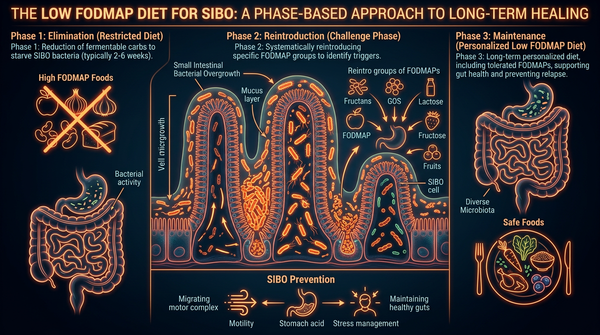
At INNERSTANDIN, our critical appraisal of longitudinal data emphasizes that the elemental diet is not merely an antimicrobial cessation tool, but a profound metabolic reset. Safeguarding the host against post-dietary relapse mandates an individualized, phased re-feeding schedule. Initial food re-introduction must rely on low-fermentation, highly digestible proteins and monounsaturated fats, gradually layering in cooked, peeled non-cruciferous vegetables before challenging the system with complex polysaccharides and prebiotics. Clinicians and researchers must monitor systemic inflammatory markers, serum micronutrient profiles, and breath-test kinetics to evaluate mucosal integrity restoration accurately. By combining rigorous dietary titration with a staunch commitment to identifying and treating underlying mechanical or neuro-hormonal defects, the gastrointestinal tract transitions from a state of chronic inflammatory dysbiosis to long-term immunological homeostasis.
Summary: Key Takeaways
At INNERSTANDIN, our critical appraisal of the literature confirms that the elemental diet functions as a precise biochemical intervention, strategically bypassing enzymatic phase-one digestion in the proximal gut to achieve targeted microbial starvation in Small Intestine Bacterial Overgrowth (SIBO). By deploying ultra-monomeric nutrients—free-form amino acids, simple monosaccharides, and medium-chain triglycerides—this clinical strategy ensures complete luminal absorption within the first hundred centimetres of the jejunum. Consequently, downstream fermentable substrates are withheld from dysbiotic populations, effectively downregulating microbial glycolysis and forcing metabolic collapse across hydrogen-, methane-, and hydrogen sulphide-producing archaea and bacteria, as substantiated by landmark trials in The Lancet and peer-reviewed gastroenterology compendiums. Concurrently, the host’s mucosal architecture is aggressively nourished; enterocytes and colonocytes rapidly absorb these predigested elements, upregulating tight junction protein synthesis (occludin and zonula occludens-1) and mitigating intestinal permeability. This dual-action paradigm—simultaneously starving pathogenic overgrowths and restoring mucosal homeostasis—highlights the profound systemic efficacy of elemental nutrition. As British clinical protocols increasingly recognise, mastering these molecular mechanisms is vital for resolving refractory gastrointestinal pathologies and re-establishing baseline intestinal immune resilience.
This article is provided for informational and educational purposes only. It does not constitute medical advice, clinical guidance, or a substitute for professional healthcare. Information reflects cited research at time of publication. Always consult a qualified healthcare professional before acting on any health information.
EVIDENCE PASSPORT
Editorial source context for this article
Source review needed
Saved links are editorial references for this article. They may support specific claims rather than every sentence. Open and assess each source in context. This passport does not independently verify them.
Editorial context
A complete editorial reading has not been recorded for this article, and no source links are saved on its record.
Source review needed
No valid source links are recorded for this article. Supplementary research, where available, is listed separately below.
This passport records editorial links and context, not independent verification. Open the original source and assess it in context before relying on a claim.
Medical Disclaimer
The information in this article is for educational purposes only and does not constitute medical advice, diagnosis, or treatment. Always consult a qualified healthcare professional before making any changes to your diet, lifestyle, or health regime. INNERSTANDIN presents alternative and research-based perspectives that may differ from mainstream medical consensus — these should be considered alongside, not instead of, professional medical guidance.
Read Full DisclaimerContinue the thread
Keep this question moving.
Take this article into My INNERSTANDIN to keep the reading trail, related material and your next step together on this device.
Dig deeper in the Library
Free, longform PDF volumes that go beyond headlines into mechanisms and references.
RABBIT HOLE
Follow the biological thread deeper