
Endoplasmic Reticulum Stress and the Hepatobiliary Response to Rectal Coffee Infusions
Discuss this resourceUpdated August 2026
An in-depth exploration into how rectal coffee administration interacts with cellular proteostasis and biliary excretion within the context of metabolic detoxification.
Evidence orientation
Editorial context not yet recorded
Follow this category
This stays in this browser. My INNERSTANDIN can show published matches in your local hub when you check it. It does not send email, push, or alert notifications.
Local learning review
A private browser aid for revisiting ideas. It is not an alert or a health recommendation.
Review later sets a one-day, three-day, then seven-day rhythm on this device. Choose it only when you want to revisit this article.
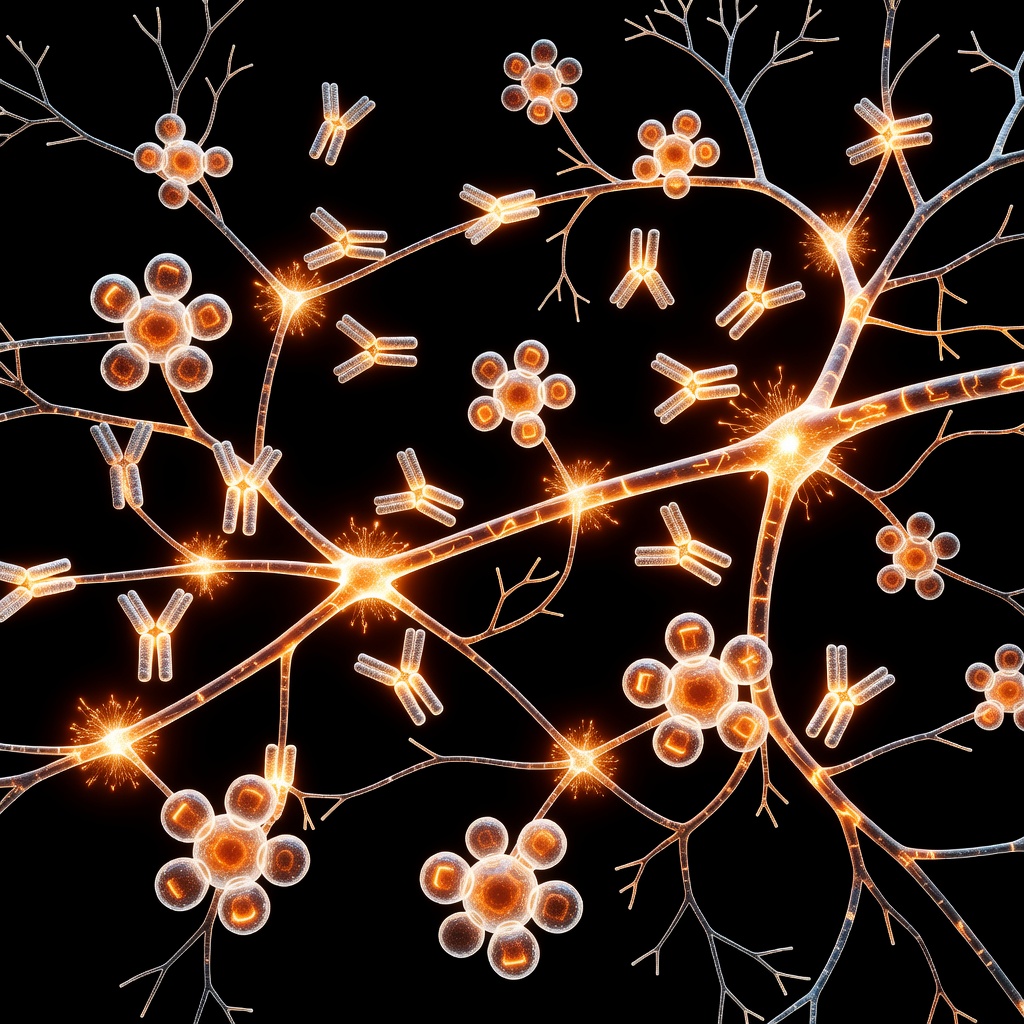
Within the Gerson Protocol, the coffee enema is positioned as a primary mechanism for systemic detoxification. From a physiological standpoint, this practice involves the transit of caffeine and palmitic acid derivatives via the hemorrhoidal veins directly into the portal circulation, bypassing the first-pass metabolism of the liver. This direct route impacts the hepatobiliary system profoundly.
The Hepatobiliary Axis and Glutathione S-Transferase
The fundamental premise relies on the upregulation of Glutathione S-Transferase (GST). Caffeine absorption through the portal system is theorized to stimulate the bile ducts, promoting vasodilation and the subsequent release of conjugated toxins stored in the bile. By lowering serum toxin levels, the liver may experience a reduced metabolic burden, potentially mitigating chronic ER stress.
Endoplasmic Reticulum (ER) Stress: The Silent Driver
ER stress occurs when the demand for protein folding exceeds the capacity of the ER lumen, leading to the accumulation of misfolded proteins. This triggers the Unfolded Protein Response (UPR). In hepatic tissue, chronic ER stress is linked to lipid peroxidation and inflammation. If the hepatocytes are overloaded with environmental toxins, the ER's ability to maintain homeostasis is compromised. By facilitating the rapid excretion of bile-bound metabolites, coffee infusions may provide a temporary reduction in the cellular stressors that induce the UPR.
Synergistic Mechanisms: Caffeine and Palmitates
It is not merely the caffeine that drives this process, but the presence of kahweol and cafestol palmitates. These compounds act as potent inducers of Nrf2, a transcription factor that regulates the expression of antioxidant proteins. This pathway is intrinsically linked to the mitigation of oxidative damage within the ER membrane. When the hepatocyte is optimized, the fluidity of the biliary tree improves, allowing for more efficient clearance of metabolic waste products.
Clinical Considerations and Homeostasis
While the hepatobiliary response is robust, it is imperative to view this through the lens of cellular sustainability. Rapid detoxification requires adequate nutritional support. Without essential micronutrient cofactors, the detoxification pathways can become bottlenecked, potentially increasing rather than decreasing oxidative stress. At INNERSTANDING, we emphasize that these protocols should be viewed as supportive interventions rather than replacements for fundamental metabolic health strategies. Proper hydration, electrolyte balance, and antioxidant replenishment are mandatory components of any regimen aiming to manage systemic toxicity.
This article is provided for informational and educational purposes only. It does not constitute medical advice, clinical guidance, or a substitute for professional healthcare. Information reflects cited research at time of publication. Always consult a qualified healthcare professional before acting on any health information.
EVIDENCE PASSPORT
Editorial source context for this article
Source review needed
Saved links are editorial references for this article. They may support specific claims rather than every sentence. Open and assess each source in context. This passport does not independently verify them.
Editorial context
A complete editorial reading has not been recorded for this article, and no source links are saved on its record.
Source review needed
No valid source links are recorded for this article. Supplementary research, where available, is listed separately below.
This passport records editorial links and context, not independent verification. Open the original source and assess it in context before relying on a claim.
Medical Disclaimer
The information in this article is for educational purposes only and does not constitute medical advice, diagnosis, or treatment. Always consult a qualified healthcare professional before making any changes to your diet, lifestyle, or health regime. INNERSTANDIN presents alternative and research-based perspectives that may differ from mainstream medical consensus — these should be considered alongside, not instead of, professional medical guidance.
Read Full DisclaimerContinue the thread
Keep this question moving.
Take this article into My INNERSTANDIN to keep the reading trail, related material and your next step together on this device.
Explore this in the Body Map
Explore related body structures and their educational pages in the interactive Body Map.
Dig deeper in the Library
Free, longform PDF volumes that go beyond headlines into mechanisms and references.