
Endotoxin Contamination: Gram-Negative Bacterial Lipopolysaccharides in Vials
Updated May 2026
Assessing the risks of bacterial endotoxins that may survive the sterilization process. We examine how these molecules can induce febrile reactions and systemic shock.
Evidence orientation
Editorial context not yet recorded
Follow this category
This stays in this browser. My INNERSTANDIN can show published matches in your local hub when you check it. It does not send email, push, or alert notifications.
Local learning review
A private browser aid for revisiting ideas. It is not an alert or a health recommendation.
Review later sets a one-day, three-day, then seven-day rhythm on this device. Choose it only when you want to revisit this article.
Overview
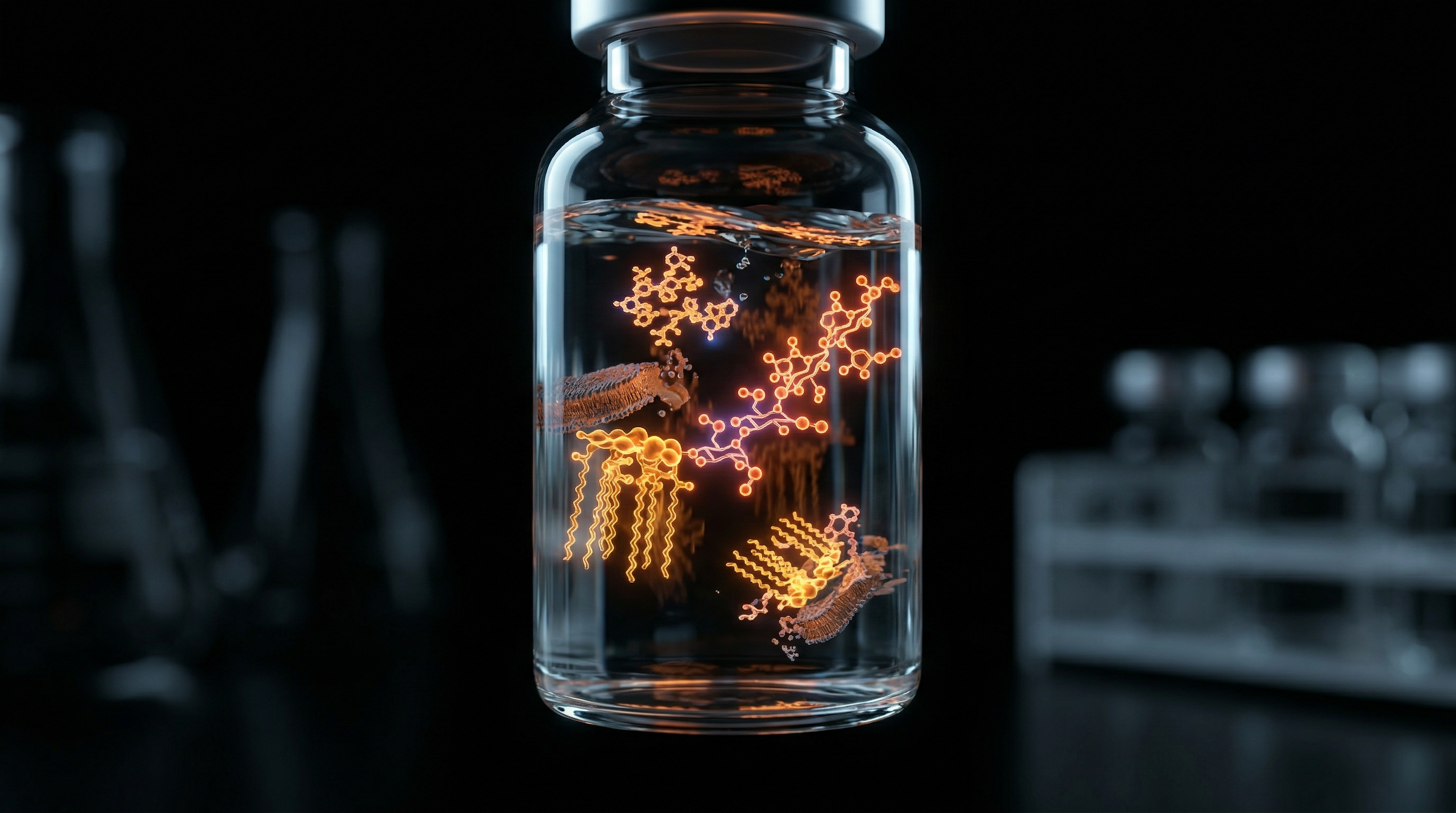
In the realm of pharmaceutical manufacturing and biological safety, there exists a ghost that haunts the production lines of every injectable product, from basic saline to complex mRNA platforms. This ghost is not a living organism, but the remains of one. Known as Endotoxin, or more specifically, Lipopolysaccharide (LPS), it is the most potent trigger of the human innate immune system known to science.
While the public is often reassured by the term "sterile," a fundamental and dangerous misconception persists: that sterility equates to safety. In biological terms, sterility merely indicates the absence of living, replicating microorganisms. It does not, however, account for the toxic debris left behind when those microorganisms are killed. Gram-negative bacteria, such as Escherichia coli or Pseudomonas aeruginosa, possess an outer membrane composed largely of LPS. When these bacteria die—whether through heat, pressure, or chemical disinfection—their cell walls shatter, releasing these molecules into the surrounding medium.
These molecules are heat-stable, chemically resilient, and incredibly difficult to remove. If they find their way into a vial destined for intramuscular or intravenous injection, they bypass the primary defences of the gastrointestinal tract and skin, entering the systemic circulation directly. Even in nanogram quantities, endotoxins can initiate a cascade of physiological events ranging from a mild "flu-like" reaction to lethal septic shock. This article serves as a deep-dive investigation into the biology, the risks, and the regulatory failures surrounding endotoxin contamination in the modern pharmaceutical landscape.
Fact: A single gram-negative bacterium contains approximately 2 million LPS molecules. Even a "sterile" solution can contain billions of these fragments if the raw materials were contaminated prior to sterilisation.
The Biology — How It Works
To understand why endotoxins are so perilous, one must understand the architecture of the Gram-negative bacterial cell wall. Unlike Gram-positive bacteria, which have a thick peptidoglycan layer, Gram-negative organisms have a complex outer membrane. This membrane is an asymmetrical lipid bilayer where the outer leaflet is composed almost entirely of Lipopolysaccharide (LPS).
The Anatomy of a Toxin
LPS is a large, amphiphilic molecule consisting of three distinct structural domains:
- Lipid A: This is the "business end" of the molecule. It is a highly conserved phosphoglycolipid that anchors the LPS to the bacterial membrane. It is the component responsible for the molecule's toxicity. When Lipid A is detected by human immune cells, it is interpreted as a signal of a massive bacterial invasion.
- The Core Oligosaccharide: A short chain of sugar residues that attaches Lipid A to the O-antigen. It often contains unusual sugars like KDO (3-deoxy-D-manno-oct-2-ulosonic acid).
- The O-Antigen (O-Specific Chain): A repetitive glycan polymer that extends from the bacterial surface. This part is highly variable between different strains and species and is often the target of host antibodies.
The Resilience of LPS
The primary challenge in pharmaceutical science is that LPS is profoundly stable. While common autoclaving (pressurised steam at 121°C) kills the bacteria, it does virtually nothing to the LPS molecule. In fact, heat can further fragment the bacterial cell wall, potentially increasing the bioavailability of the Lipid A moiety.
To truly "depyrogenate" (remove or destroy endotoxins) equipment or solutions, temperatures of upwards of 250°C for 30 minutes or 180°C for three hours are required—conditions that would destroy the active ingredients in almost any vaccine or therapeutic protein. Consequently, manufacturers must rely on stringent filtration and "clean-room" protocols, which are frequently subject to human error and mechanical failure.
Why the Body Reacts So Violently
The human immune system has evolved over millions of years to recognise LPS as a "Pattern Associated Molecular Pattern" (PAMP). Because Gram-negative bacteria are responsible for some of the most devastating diseases in human history—including the plague, cholera, and typhoid—our bodies have developed an "alarm system" that is hypersensitive to the presence of LPS in the blood or tissues. We do not react to the bacteria themselves so much as we react to the chemical signature of their presence.
Mechanisms at the Cellular Level
Once an endotoxin molecule enters the human body via an injection, it initiates a high-affinity interaction with the innate immune system. The primary gatekeeper in this process is a receptor complex found on the surface of monocytes, macrophages, and dendritic cells.
The TLR4 Recognition Complex
The detection of LPS is a multi-step molecular "hand-off":
- LBP (LPS-Binding Protein): This protein, present in the plasma, identifies LPS aggregates and monomers, facilitating their transfer.
- CD14: This acts as a co-receptor, grabbing the LPS molecule and bringing it toward the cell membrane.
- TLR4 (Toll-Like Receptor 4): This is the primary signalling protein. However, TLR4 cannot see LPS on its own; it requires a small "adapter" protein called MD-2.
- The MD-2/TLR4 Dimer: When LPS binds to the MD-2/TLR4 complex, it causes the receptors to pair up (dimerise). This physical shift sends a signal through the cell membrane into the cytoplasm.
Intracellular Signalling Pathways
Once activated, TLR4 triggers two main pathways:
- The MyD88-Dependent Pathway: This is the fast-acting path. It leads to the activation of NF-κB (Nuclear Factor kappa-light-chain-enhancer of activated B cells). NF-κB moves into the nucleus and "switches on" the genes for pro-inflammatory cytokines such as TNF-α (Tumour Necrosis Factor-alpha), IL-1β, and IL-6.
- The TRIF-Dependent Pathway: This leads to the production of Type I Interferons (IFN-α/β), which are typically associated with antiviral responses but also contribute to the systemic inflammatory state.
The Cytokine Storm
The result of this cellular activation is a massive release of inflammatory mediators into the bloodstream.
- TNF-α increases the permeability of blood vessels, leading to "leaky" capillaries.
- IL-1 acts on the hypothalamus in the brain to reset the body's thermostat, causing fever (pyrogenesis).
- IL-6 stimulates the liver to produce "acute-phase proteins" like C-reactive protein (CRP).
In a controlled environment, this is a protective response. In the context of a contaminated injection, where LPS is delivered directly into the tissue or vein, this response can spiral out of control, leading to a Cytokine Storm that damages the host's own organs.
Environmental Threats and Biological Disruptors
The manufacturing of modern "biologics"—including many vaccines and insulin—utilises living organisms as "factories." The most common organism used is Escherichia coli.
The E. coli Problem
Because E. coli is a Gram-negative bacterium, it is literally made of endotoxin. When pharmaceutical companies use E. coli to express recombinant proteins or plasmid DNA, the "soup" containing the desired product is heavily contaminated with LPS from the host bacteria. The purification process (chromatography, filtration) is supposed to remove this LPS. However, LPS has a notorious tendency to bind to proteins and DNA through hydrophobic interactions.
The Masking Phenomenon
A major emerging threat in pharmaceutical safety is Low Endotoxin Recovery (LER). This occurs when certain additives in a vial—such as surfactants (Polysorbate 80) or buffers (citrate)—cause the LPS molecules to form "micelles" or complexes that are invisible to standard safety tests.
Critical Fact: The standard test for endotoxin, the LAL (Limulus Amebocyte Lysate) test, relies on the blood of the horseshoe crab. If the LPS is "masked" by the formulation's ingredients, the LAL test will return a false negative, even if the vial contains a dangerous level of toxin.
Water Systems: The Weakest Link
Pharmaceutical grade water (Water for Injection, or WFI) is the primary ingredient in most vials. Gram-negative bacteria thrive in biofilm inside pipes. If a water system develops a biofilm, it becomes a continuous source of LPS. Even if the water is later distilled or filtered, fragments of the biofilm's LPS can persist, resulting in "pyrogenic" batches that pass sterility tests but fail to be safe for human consumption.
The Cascade: From Exposure to Disease
What happens when a human is injected with an endotoxin-contaminated vial? The physiological "cascade" is predictable but devastating in its severity.
Phase 1: The Prodromal Stage (0–60 Minutes)
Within an hour of injection, the patient may experience "rigors" (uncontrollable shivering), headache, and nausea. This is the body’s immediate reaction to the surge of TNF-α. The heart rate increases (tachycardia) as the body prepares for a perceived infection.
Phase 2: The Pyrogenic Peak (1–4 Hours)
The body temperature rises sharply. This is not a "side effect" of the drug, but a direct toxicological response to the LPS. The Endothelial Glycocalyx—a protective sugary coating on the inside of the blood vessels—begins to shed. This leads to vascular leakage, where fluid from the blood leaks into the tissues, causing swelling (oedema) and a drop in blood pressure.
Phase 3: Coagulation and Micro-thrombosis
LPS is a potent activator of the Coagulation Cascade. It induces the expression of "Tissue Factor" on the surface of monocytes and endothelial cells. This causes the blood to begin clotting inside the vessels—a condition known as Disseminated Intravascular Coagulation (DIC). Small clots can block capillaries in the kidneys, lungs, and brain, leading to multi-organ dysfunction.
Phase 4: The Chronic Inflammatory "Tail"
While the acute reaction may subside after 24 hours, the biological disruption often persists. LPS is known to breach the Blood-Brain Barrier (BBB) by inducing inflammation in the brain’s microvascular endothelial cells. This can lead to "neuro-inflammation," manifesting as brain fog, fatigue, and psychiatric disturbances that can last for weeks or months.
Furthermore, sub-clinical levels of LPS (amounts not high enough to cause an immediate fever) can still "prime" the immune system. This means that a subsequent injection or a minor illness can trigger an exaggerated and pathological immune response later on—a phenomenon known as immune sensitisation.
What the Mainstream Narrative Omits
The regulatory bodies (FDA, EMA, MHRA) have established "Acceptable Daily Intake" levels for endotoxins. However, these limits are based on outdated models and contain several critical "blind spots" that the mainstream medical narrative rarely discusses.
1. The Synergistic Effect of Adjuvants
Vaccines often contain adjuvants (like aluminium salts or oil-in-water emulsions) designed to irritate the immune system into action. When even minute amounts of LPS are present alongside an adjuvant, the toxicity is not just additive; it is synergistic. The adjuvant holds the LPS at the injection site, preventing its clearance and prolonging the inflammatory signal, or it may help the LPS penetrate deeper into the lymphatic system.
2. The "Sub-Pyrogenic" Threat
Regulatory limits are set just below the level that causes an immediate, detectable fever in a rabbit or a healthy human volunteer. This ignores the "sub-pyrogenic" effects. Chronic, low-level exposure to LPS is a known driver of:
- Insulin Resistance (LPS induces metabolic endotoxaemia).
- Autoimmunity (LPS can act as an "adjuvant" for self-proteins, causing the body to attack itself).
- Leaky Gut Syndrome (Systemic LPS can increase intestinal permeability, creating a vicious cycle of further endotoxin absorption).
3. The Failure of the LAL Test
As mentioned earlier, the industry’s reliance on the LAL test is a massive vulnerability. The LAL test is sensitive to the aggregation state of LPS. If the LPS is bound to the plastic of the vial, the rubber stopper, or complexed with the drug’s active ingredient, the test will simply miss it. There is evidence that some "hot batches" of pharmaceutical products may actually be batches with high LPS levels that were masked during the manufacturer's quality control checks.
4. Cumulative Toxicity
Regulatory limits are calculated per dose. They do not account for the modern paediatric or adult schedules where multiple injections may be given in a single day. If five different "sterile" injections each contain 4.9 Endotoxin Units (EU)—just below the 5.0 EU/kg limit—the total burden on the patient becomes dangerous, especially for a low-body-weight infant.
The UK Context
In the United Kingdom, the regulation of endotoxins falls under the Medicines and Healthcare products Regulatory Agency (MHRA), following the standards set out in the British Pharmacopoeia (BP).
The Transition from Rabbits to Crabs
Historically, the UK used the "Rabbit Pyrogen Test," which involved injecting a batch of a drug into a rabbit and monitoring its temperature. In the name of "animal welfare" and "efficiency," this was largely replaced by the LAL test and, more recently, the Monocyte Activation Test (MAT).
However, the UK pharmaceutical industry has faced significant challenges with "supply chain integrity." Much of the raw material for UK-manufactured biologicals is sourced globally. Independent investigations have occasionally highlighted that batches of "UK-approved" medicines were produced in overseas facilities where water quality monitoring was substandard.
Specific UK Concerns: The "Hot Batch" Phenomenon
Within the UK medical community, there have been recorded instances of "clusters" of adverse reactions to specific batches of vaccines or intravenous antibiotics. Often, these clusters involve symptoms identical to endotoxaemia: sudden high fever, rigors, and hypotension. While the official explanation often points to "anaphylaxis" or "psychosomatic reactions," the clinical profile frequently suggests endotoxin contamination that occurred at the point of fill-and-finish or during a lapse in the cold chain (which can allow minor bacterial growth before the bacteria are killed by preservatives).
Fact: The MHRA’s "Yellow Card" system for reporting adverse events is a passive system. It is estimated that fewer than 10% of "pyrogenic reactions" are ever correctly identified as potential endotoxin contamination; most are dismissed as expected side effects.
Protective Measures and Recovery Protocols
If the pharmaceutical system cannot guarantee an endotoxin-free environment, the responsibility for protection and recovery falls upon the individual and the informed clinician.
Neutralising LPS in the System
Research into "anti-endotoxin" strategies is ongoing, but several substances have shown promise in mitigating the damage:
- Vitamin C (Ascorbate): High-dose Vitamin C is known to protect the Endothelial Glycocalyx from being shed in response to LPS. It also acts as a potent antioxidant, neutralising the "Reactive Oxygen Species" (ROS) produced by activated macrophages.
- Glutathione: The body’s master antioxidant is rapidly depleted during an endotoxin challenge. Supplementing with N-acetylcysteine (NAC) or liposomal glutathione can help the liver process the inflammatory markers.
- Molecular Hydrogen: Emerging studies suggest that inhaling hydrogen gas or drinking hydrogen-rich water can selectively neutralise the most toxic radicals (hydroxyl radicals) produced during LPS-induced inflammation.
- Activated Charcoal and Binders: While these will not remove LPS from the blood if it was injected, they can reduce the "Total Toxic Burden" in the gut. This is crucial because systemic inflammation from an injection often causes the gut to become "leaky," allowing even more endogenous LPS from the microbiome to enter the blood.
Supporting the Liver
The liver’s Kupffer Cells (specialised macrophages) are responsible for clearing LPS from the blood. Supporting liver health via:
- Milk Thistle (Silymarin)
- Alpha-Lipoic Acid
- Hydration
...is essential for anyone who has experienced a severe reaction to an injection.
The Role of Vagus Nerve Stimulation
LPS triggers the "Cholinergic Anti-inflammatory Pathway." The vagus nerve can actually send signals to the spleen to stop producing TNF-α. Techniques such as deep diaphragmatic breathing, cold water immersion, and gargling can stimulate the vagus nerve, potentially dampening the "cytokine storm" initiated by endotoxin exposure.
Summary: Key Takeaways
The issue of endotoxin contamination is perhaps the most significant "hidden" variable in vaccine and drug safety today.
- Sterility is not Purity: A vial can be 100% free of living bacteria but still contain lethal levels of bacterial "ghosts" (LPS).
- LPS is Indestructible: Standard medical sterilisation does not destroy endotoxins; it often creates more of them by breaking apart bacterial cells.
- The LAL Test is Flawed: The "Gold Standard" test for endotoxins can be fooled by modern drug formulations, leading to "masked" toxins entering the market.
- TLR4 is the Trigger: The human body is hard-wired to overreact to LPS, leading to a cascade of inflammation, blood clotting, and potential organ damage.
- Regulatory Gaps: Current limits do not account for the synergistic effects of adjuvants or the cumulative impact of multiple injections.
- Clinical Awareness: Doctors must be trained to distinguish between a "normal" vaccine response and a pyrogenic reaction caused by endotoxin contamination.
As we move toward an era of increasingly complex biological products and globalised manufacturing, the "Ghost in the Vial" remains an ever-present threat. True "Innerstanding" of biological health requires us to look beyond the label of "sterile" and demand transparency regarding the nanogram-scale toxins that may be lurking within the medicine cabinet.
"References & Technical Notes:"
- Rietschel, E. T., et al. (1994). Bacterial endotoxin: molecular relationships between structure and function. FASEB Journal.
- Magalhaes, P. O., et al. (2007). Methods of Endotoxin Removal from Biological Preparations: A Review.
- Reich, J., et al. (2016). Low Endotoxin Recovery (LER): Masking of Naturally Occurring Endotoxin. PDA Journal of Pharmaceutical Science and Technology.
- O’Neill, L. A., & Bowie, A. G. (2007). The family of five: TIR-domain-containing adapters in Toll-like receptor signalling. Nature Reviews Immunology.
This article is provided for informational and educational purposes only. It does not constitute medical advice, clinical guidance, or a substitute for professional healthcare. Information reflects cited research at time of publication. Always consult a qualified healthcare professional before acting on any health information.
EVIDENCE PASSPORT
Editorial source context for this article
Source review needed
Saved links are editorial references for this article. They may support specific claims rather than every sentence. Open and assess each source in context. This passport does not independently verify them.
Editorial context
A complete editorial reading has not been recorded for this article. Source links remain available for you to open and assess directly.
Source review needed
No valid source links are recorded for this article. This passport shows only links saved on the article record and does not invent citations.
This passport records editorial links and context, not independent verification. Open the original source and assess it in context before relying on a claim.
Medical Disclaimer
The information in this article is for educational purposes only and does not constitute medical advice, diagnosis, or treatment. Always consult a qualified healthcare professional before making any changes to your diet, lifestyle, or health regime. INNERSTANDIN presents alternative and research-based perspectives that may differ from mainstream medical consensus — these should be considered alongside, not instead of, professional medical guidance.
Read Full DisclaimerContinue the thread
Keep this question moving.
Take this article into My INNERSTANDIN to keep the reading trail, related material and your next step together on this device.
Dig deeper in the Library
Free, longform PDF volumes that go beyond headlines into mechanisms and references.