
Environmental Biohacking: Monitoring Indoor Air Quality and Toxic Load in UK Urban Environments
Updated April 2026
Evidence orientation
Editorial context not yet recorded
Follow this category
This stays in this browser. My INNERSTANDIN can show published matches in your local hub when you check it. It does not send email, push, or alert notifications.
Local learning review
A private browser aid for revisiting ideas. It is not an alert or a health recommendation.
Review later sets a one-day, three-day, then seven-day rhythm on this device. Choose it only when you want to revisit this article.
The modern human is an indoor species. In the United Kingdom, the average citizen spends approximately 90% of their time within enclosed structures—homes, offices, or public transport. While we have been conditioned to perceive the "great outdoors" as the primary source of pollution, the uncomfortable truth is that indoor air quality (IAQ) can be two to five times more polluted than the air outside.
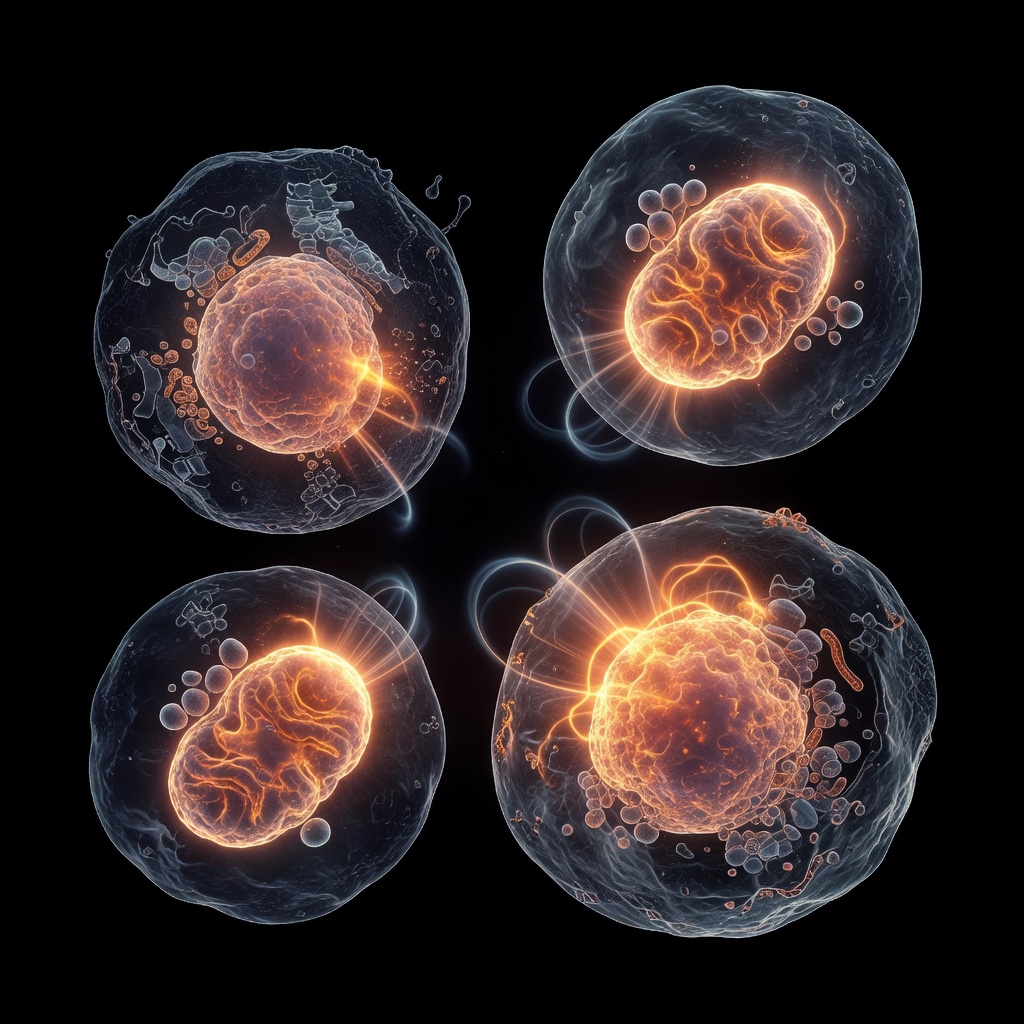
For the dedicated biohacker, tracking macros and sleep cycles is only half the battle. If the air you breathe and the environment you inhabit are saturated with invisible stressors, your biological machinery will never reach peak performance. To achieve true Innerstanding, we must peel back the curtain on the silent chemical soup of UK urban living and learn to engineer an environment that supports, rather than sabotages, our mitochondrial health.
The Biological Mechanisms: How the Environment Re-Wires Your Physiology
To master environmental biohacking, one must understand the pathways through which external toxins become internal burdens. The body does not exist in a vacuum; it is a semi-permeable system constantly exchanging matter with its surroundings.
1. The Particulate Breach (PM2.5)
Particulate Matter (PM2.5) refers to microscopic particles smaller than 2.5 micrometres. In urban centres like London, Birmingham, or Manchester, these are predominantly byproducts of combustion and tyre wear. Because of their size, they bypass the cilia in our nasal passages and travel deep into the alveoli of the lungs. From there, they cross the blood-brain barrier, triggering neuroinflammation. Chronic exposure is linked to cognitive decline, systemic oxidative stress, and the degradation of telomeres.
2. Endocrine Disruption and VOCs
Volatile Organic Compounds (VOCs) are gases emitted from solids or liquids, such as paints, "new car smell," synthetic carpets, and conventional cleaning products. Many VOCs act as xenoestrogens—compounds that mimic oestrogen in the body. They dock into hormone receptors, disrupting the delicate balance of the endocrine system, leading to lowered testosterone in men and cycle irregularities in women.
3. Mitochondrial Suffocation
Carbon Dioxide (CO2) is often ignored as a mere byproduct of respiration. However, in poorly ventilated modern UK flats, CO2 levels frequently spike above 1,500 parts per million (ppm). At these levels, the brain’s glymphatic system (the waste-clearance mechanism) slows down, leading to "brain fog" and decreased executive function. High CO2 serves as a signal to the body that it is in a resource-depleted environment, shifting the metabolism toward a state of survival rather than thrive.
Key Fact: According to the World Health Organization (WHO), nearly all of the UK's urban population lives in areas where air pollution levels exceed recommended health limits, contributing to over 40,000 premature deaths annually.
The UK Context: A Unique Toxic Landscape
Environmental biohacking in Britain requires a specific understanding of our local infrastructure and climate. We face a "perfect storm" of aging Victorian housing and air-tight modern developments.
The Mould Epidemic
The UK’s damp, temperate climate makes mould and mycotoxins a primary concern. Many British homes suffer from rising damp or condensation issues. Unlike the US, where "black mould" (Stachybotrys) is the main fear, the UK also deals extensively with Aspergillus and Penicillium. These fungi release spores and toxic metabolites that can cause chronic inflammatory response syndrome (CIRS), often misdiagnosed as chronic fatigue or depression.
Urban Density and Traffic
UK cities are characterised by narrow streets and "urban canyons" that trap Nitrogen Dioxide (NO2) from diesel engines. While newer Ultra Low Emission Zones (ULEZ) aim to mitigate this, the legacy of industrial pollution remains embedded in the soil and dust of our metropolitan areas.
The "Airtight" Trap
Modern UK building regulations focus heavily on thermal efficiency to meet net-zero targets. While excellent for heating bills, "airtight" homes without sophisticated Mechanical Ventilation with Heat Recovery (MVHR) systems become pressure cookers for indoor pollutants, trapping VOCs and moisture inside.
Environmental Factors: The "Big Four" to Track
To quantify your environment, you must focus on the primary variables that impact the human Exposome (the measure of all the exposures of an individual in a lifetime).
1. Particulate Matter (PM2.5 and PM10)
Sources include wood-burning stoves (a growing trend in affluent UK suburbs), cooking oils, and outdoor traffic.
- Optimal Level: < 10 μg/m³ (annual mean).
2. Total Volatile Organic Compounds (TVOCs)
These come from "off-gassing" furniture (formaldehyde), scented candles, and perfumes.
- Optimal Level: < 300 μg/m³.
3. Carbon Dioxide (CO2)
The primary indicator of ventilation quality.
- Optimal Level: 400–600 ppm. Levels above 1,000 ppm significantly impair decision-making.
4. Radon Gas
A naturally occurring radioactive gas that seeps from the ground. While more prevalent in the West Country and Scotland, it is the second leading cause of lung cancer in the UK.
- Biohacking Action: Check the UK Radon map and use a long-term detector if you live in a high-risk postcode.
Biohacking the Indoor Terrain: Monitoring and Hardware
You cannot manage what you do not measure. Traditional "air fresheners" do not clean the air; they add to the toxic load. Instead, the biohacker uses technology to gain real-time data.
Consumer-Grade Monitors
Tools like the Airthings View Plus or the Awair Element are essential for the urban dweller. These devices track PM2.5, VOCs, CO2, Humidity, and Radon. By syncing these to your phone, you can identify "pollution spikes"—such as when you are cooking or when the morning rush hour begins outside.
Biomarker Tracking (The Internal Load)
Monitoring the air is the first step; monitoring the body is the second. To understand your current toxic load, consider the following tests available through functional medicine practitioners in the UK:
- Organic Acids Test (OAT): Detects markers of detoxification demand and fungal overgrowth.
- Blood Metals Panel: Checks for lead, mercury, and arsenic, which are often found in the lead piping of older UK homes.
- Mycotoxin Urine Panel: To confirm if mould in your home has colonised your gut or respiratory tract.
Protective Strategies: Reclaiming Your Biology
Once you have identified the stressors in your UK urban environment, you must implement a multi-layered defence strategy.
1. Active Air Purification
Standard "ionisers" can actually produce ozone, which is a lung irritant. Instead, invest in a High-Efficiency Particulate Air (HEPA) filter combined with a substantial Activated Carbon stage.
- The Biohacker’s Choice: Systems like the IQAir HealthPro or Blueair are designed to remove particles down to 0.003 microns, far smaller than the standard PM2.5.
2. Source Control (The "Low-Hanging Fruit")
- Fragrance-Free Living: Eliminate "parfum" from your home. Use essential oils or, better yet, nothing at all.
- The "Shoes Off" Policy: Research shows that 80% of the lead and heavy metals in house dust are tracked in from outside on the soles of shoes.
- Non-Toxic Cookware: Replace PFOA-laden non-stick pans with cast iron, carbon steel, or high-quality stainless steel to prevent polymer fume fever.
3. Botanical Bio-Filtration
While the "NASA Clean Air Study" is often cited, you would need a jungle in your living room to significantly move the needle on VOCs. However, plants like the Snake Plant (Sansevieria) and Peace Lily provide psychological benefits and minor CO2 reduction. They should be a secondary support, not a primary filter.
4. Biological Fortification
Since we cannot avoid all toxins, we must upregulate our endogenous detoxification pathways:
- Glutathione Support: The "master antioxidant." Supplementing with Liposomal Glutathione or its precursor, N-Acetyl Cysteine (NAC), helps the liver process environmental pollutants.
- Sauna Therapy: Regular sweating is one of the few ways to excrete certain phthalates and heavy metals.
- Hydration: Use a high-quality water filter (like a Berkey or a reverse osmosis system) to avoid the microplastics and oestrogen-mimicking compounds found in UK tap water.
"Your DNA is the blueprint, but your environment is the architect. By controlling the air you breathe, you are quite literally choosing which genes to express and which to silence."
Key Takeaways: The Environmental Biohacker’s Checklist
- Quantify the Air: Invest in a high-quality IAQ monitor. Prioritise tracking CO2 and PM2.5.
- Ventilate Strategically: Open windows only when outdoor air quality is at its peak (usually late at night or early morning in UK cities). Use HEPA filtration during peak traffic hours.
- Target the Damp: In the UK, humidity should be kept between 40% and 55%. Any higher invites mould; any lower dries out the mucous membranes, weakening the immune barrier.
- Purge VOCs: Audit your cleaning cupboard and personal care products. If you can’t pronounce the ingredients, your liver probably can’t process them easily.
- Support the Terrain: Use NAC and sulforaphane (from broccoli sprouts) to boost your body's natural resilience to urban air pollution.
Conclusion
The quest for longevity and peak performance is futile if conducted in a toxic vacuum. In the UK's urban landscapes, the "invisible" environment is often the greatest hurdle to health. By adopting a biohacking mindset—moving from passive inhabitant to active environmental engineer—you can transform your home into a sanctuary of recovery.
True Innerstanding begins with the realisation that your body does not end at your skin. It extends to every breath you take and every molecule you encounter. Monitor, mitigate, and master your environment; your biology will thank you.
This article is provided for informational and educational purposes only. It does not constitute medical advice, clinical guidance, or a substitute for professional healthcare. Information reflects cited research at time of publication. Always consult a qualified healthcare professional before acting on any health information.
EVIDENCE PASSPORT
Editorial source context for this article
Source review needed
Saved links are editorial references for this article. They may support specific claims rather than every sentence. Open and assess each source in context. This passport does not independently verify them.
Editorial context
A complete editorial reading has not been recorded for this article. Source links remain available for you to open and assess directly.
Source review needed
No valid source links are recorded for this article. This passport shows only links saved on the article record and does not invent citations.
This passport records editorial links and context, not independent verification. Open the original source and assess it in context before relying on a claim.
Medical Disclaimer
The information in this article is for educational purposes only and does not constitute medical advice, diagnosis, or treatment. Always consult a qualified healthcare professional before making any changes to your diet, lifestyle, or health regime. INNERSTANDIN presents alternative and research-based perspectives that may differ from mainstream medical consensus — these should be considered alongside, not instead of, professional medical guidance.
Read Full DisclaimerContinue the thread
Keep this question moving.
Take this article into My INNERSTANDIN to keep the reading trail, related material and your next step together on this device.