
Environmental Determinants of Fascial Stiffness: Beyond Genetic Predisposition
Discuss this resourceUpdated August 2026
An exploration of how environmental factors, lifestyle, and systemic triggers influence the development of Dupuytren's contracture, shifting the focus from genetics to epigenetic and metabolic root causes.
Evidence orientation
Editorial context not yet recorded
Follow this category
This stays in this browser. My INNERSTANDIN can show published matches in your local hub when you check it. It does not send email, push, or alert notifications.
Local learning review
A private browser aid for revisiting ideas. It is not an alert or a health recommendation.
Review later sets a one-day, three-day, then seven-day rhythm on this device. Choose it only when you want to revisit this article.
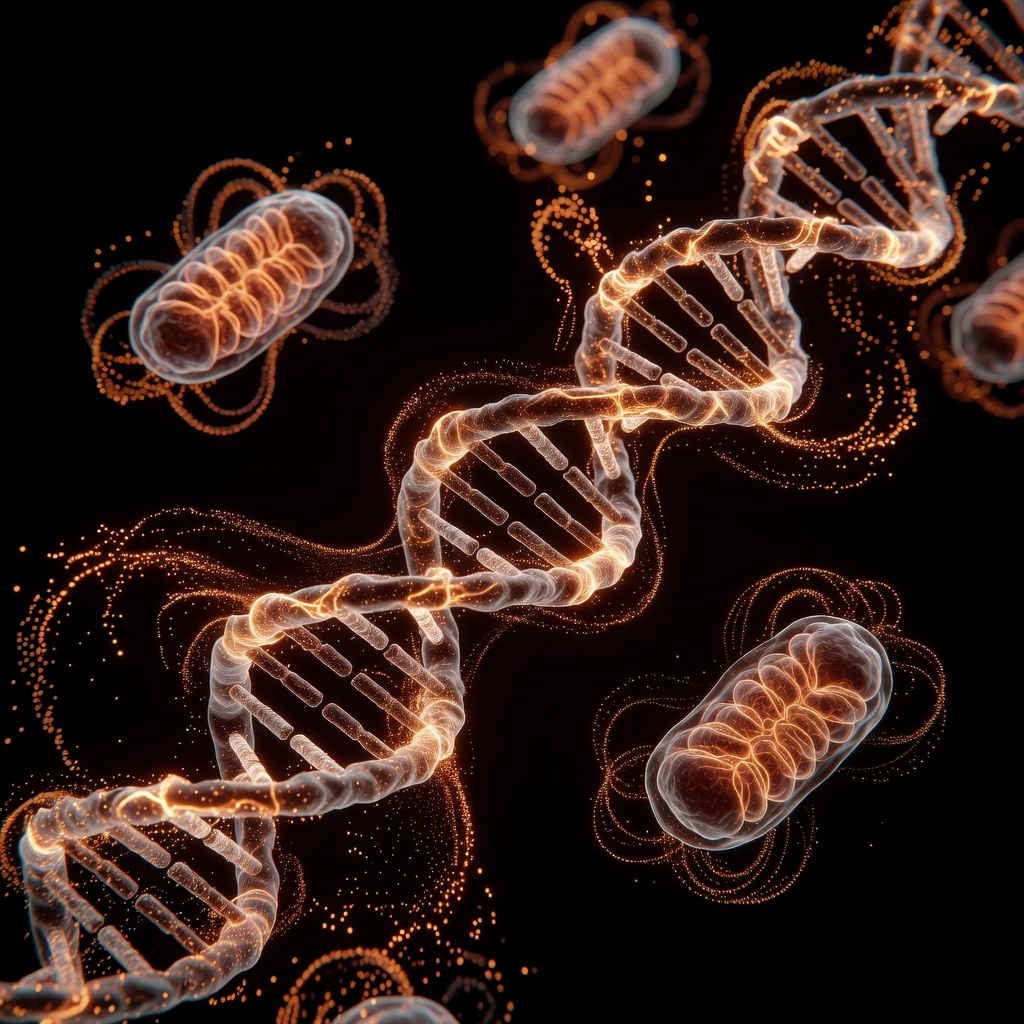
While Dupuytren's contracture is frequently labeled as a 'Viking disease' driven by genetics, a purely deterministic view ignores the profound role of the environment. At INNERSTANDING, we look at the root causes of fascia health, shifting the narrative from passive inheritance to active metabolic regulation.
The Epigenetic Landscape
Genetics may load the gun, but environment pulls the trigger. Epigenetic modifications occur when external signals—diet, stress, and toxicity—alter how genes are expressed without changing the DNA sequence itself. Chronic systemic inflammation serves as the primary catalyst, signaling myofibroblasts to overproduce collagen, leading to the characteristic thickening seen in fibrotic conditions.
Metabolic Drivers: The Sugar Connection
Advanced Glycation End-products (AGEs) are a critical yet often overlooked factor. When blood sugar levels are chronically elevated, glucose molecules bond with proteins like collagen through a process called glycation. This cross-linking makes fascia brittle, rigid, and resistant to natural turnover. For those with a predisposition to Dupuytren's, metabolic health is not just about weight; it is about the structural integrity of your connective tissue.
Chronic Oxidative Stress
Environmental toxins, smoking, and sedentary living induce oxidative stress, which activates the TGF-beta pathway. This pathway is the master regulator of fibrosis. When your system is bombarded by inflammatory signals, the body responds by laying down dense, disorganized connective tissue. By reducing the chemical burden through nutrition and movement, we can potentially downregulate this fibrotic response.
Mechanical Loading and Microtrauma
Fascia is a living organ that adapts to tension. Repeated mechanical microtrauma without adequate recovery leads to chronic fascial remodeling. We emphasize 'intelligent movement'—a way of loading tissues that encourages healthy remodeling rather than the defensive, restrictive thickening associated with repetitive strain.
Moving Toward Resolution
Healing requires a multi-pronged approach: optimizing insulin sensitivity, modulating systemic inflammation through nutrient-dense protocols, and utilizing specific mechanical loading strategies. The future of treating fascial stiffness lies in understanding our daily environmental inputs as the ultimate architects of our biological structure.
This article is provided for informational and educational purposes only. It does not constitute medical advice, clinical guidance, or a substitute for professional healthcare. Information reflects cited research at time of publication. Always consult a qualified healthcare professional before acting on any health information.
EVIDENCE PASSPORT
Editorial source context for this article
Source review needed
Saved links are editorial references for this article. They may support specific claims rather than every sentence. Open and assess each source in context. This passport does not independently verify them.
Editorial context
A complete editorial reading has not been recorded for this article, and no source links are saved on its record.
Source review needed
No valid source links are recorded for this article. Supplementary research, where available, is listed separately below.
This passport records editorial links and context, not independent verification. Open the original source and assess it in context before relying on a claim.
Medical Disclaimer
The information in this article is for educational purposes only and does not constitute medical advice, diagnosis, or treatment. Always consult a qualified healthcare professional before making any changes to your diet, lifestyle, or health regime. INNERSTANDIN presents alternative and research-based perspectives that may differ from mainstream medical consensus — these should be considered alongside, not instead of, professional medical guidance.
Read Full DisclaimerContinue the thread
Keep this question moving.
Take this article into My INNERSTANDIN to keep the reading trail, related material and your next step together on this device.
Dig deeper in the Library
Free, longform PDF volumes that go beyond headlines into mechanisms and references.