
Environmental Exposure Risks for Patients Awaiting Cardiac Surgery: Mapping the Physiological Stress Gradient
Discuss this resourceUpdated August 2026
This article explores how environmental stressors, including air pollution and thermal extremes, disproportionately impact cardiac patients on NHS waiting lists, driving physiological deterioration and increasing emergency intervention needs.
Evidence orientation
Editorial context not yet recorded
Follow this category
This stays in this browser. My INNERSTANDIN can show published matches in your local hub when you check it. It does not send email, push, or alert notifications.
Local learning review
A private browser aid for revisiting ideas. It is not an alert or a health recommendation.
Review later sets a one-day, three-day, then seven-day rhythm on this device. Choose it only when you want to revisit this article.
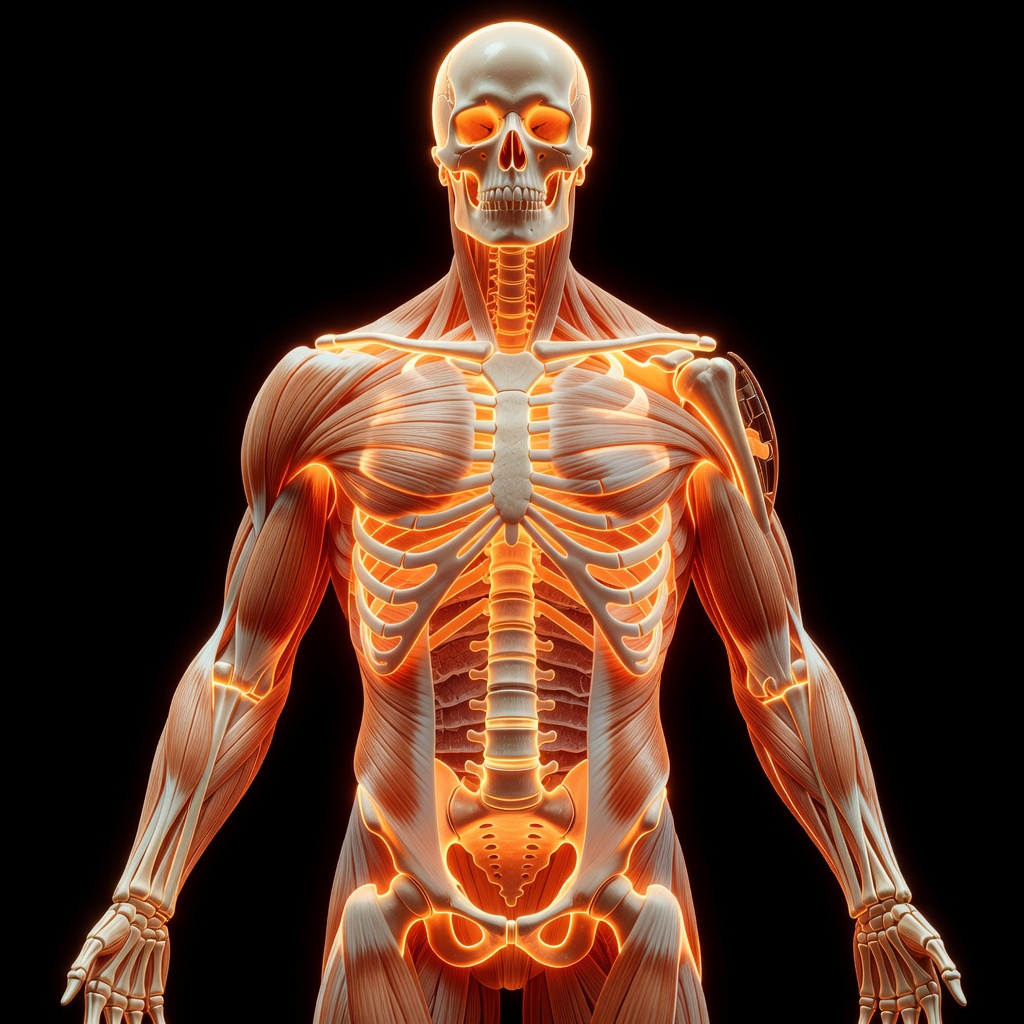
Introduction: The Invisible Waiting Room. As NHS waiting lists for elective cardiac procedures reach record lengths, the clinical focus often remains on surgical scheduling rather than the environmental context of the patient. For those with pre-existing valvular disease or coronary artery atherosclerosis, the home environment is not a neutral factor; it is an active variable in their physiological stability. ### The Biological Impact of Particulate Matter. Long-term exposure to PM2.5 and nitrogen dioxide acts as a systemic inflammatory trigger. For patients with compromised cardiac output, fine particulate matter induces oxidative stress, increasing systemic vascular resistance and blood viscosity.
This forces the myocardium to work harder against heightened afterload, effectively accelerating the progression of heart failure even while the patient is technically 'stable' on a waiting list. ### Thermal Extremes and Autonomic Strain. The UK’s shifting climate presents dual threats of heatwaves and cold snaps. Cold exposure induces peripheral vasoconstriction, leading to an immediate rise in systolic blood pressure—a dangerous catalyst for those awaiting aortic valve replacement. Conversely, extreme heat increases the demand for cutaneous vasodilation, requiring significant compensatory increases in cardiac output. For patients with stenotic heart valves or limited ejection fractions, this strain can precipitate acute decompensation. ### Socioeconomic Correlates and Housing Quality.
Damp, mould-ridden, or poorly insulated housing creates chronic physiological stress. The presence of airborne fungal spores and persistent thermal regulation issues forces the body into a state of high-alert, characterized by elevated cortisol and sympathetic nervous system activation. This chronic autonomic strain reduces the patient’s 'biological reserve,' potentially rendering them higher-risk candidates by the time their surgical date arrives. ### Mapping the Physiological Stress Gradient. We must view the patient's journey not as a static wait, but as a path through a gradient of stressors. From air quality in urban environments to the thermal instability of fuel-poor households, these environmental factors function as silent modifiers of surgical prognosis.
Clinical teams should integrate environmental screening into pre-operative management to provide targeted support—such as air filtration or thermal regulation assistance—thereby mitigating pre-operative decline and improving post-surgical recovery trajectories.
This article is provided for informational and educational purposes only. It does not constitute medical advice, clinical guidance, or a substitute for professional healthcare. Information reflects cited research at time of publication. Always consult a qualified healthcare professional before acting on any health information.
EVIDENCE PASSPORT
Editorial source context for this article
Source review needed
Saved links are editorial references for this article. They may support specific claims rather than every sentence. Open and assess each source in context. This passport does not independently verify them.
Editorial context
A complete editorial reading has not been recorded for this article, and no source links are saved on its record.
Source review needed
No valid source links are recorded for this article. Supplementary research, where available, is listed separately below.
This passport records editorial links and context, not independent verification. Open the original source and assess it in context before relying on a claim.
Medical Disclaimer
The information in this article is for educational purposes only and does not constitute medical advice, diagnosis, or treatment. Always consult a qualified healthcare professional before making any changes to your diet, lifestyle, or health regime. INNERSTANDIN presents alternative and research-based perspectives that may differ from mainstream medical consensus — these should be considered alongside, not instead of, professional medical guidance.
Read Full DisclaimerContinue the thread
Keep this question moving.
Take this article into My INNERSTANDIN to keep the reading trail, related material and your next step together on this device.
Explore this in the Body Map
Explore related body structures and their educational pages in the interactive Body Map.