
Environmental Microplastic Exposure and Potential Cytotoxicity within the Bladder Urothelium
Discuss this resourceUpdated August 2026
An in-depth investigation into how systemic microplastic ingestion and inhalation may contribute to chronic bladder inflammation and potential cytotoxic damage in the urothelium.
Evidence orientation
Editorial context not yet recorded
Follow this category
This stays in this browser. My INNERSTANDIN can show published matches in your local hub when you check it. It does not send email, push, or alert notifications.
Local learning review
A private browser aid for revisiting ideas. It is not an alert or a health recommendation.
Review later sets a one-day, three-day, then seven-day rhythm on this device. Choose it only when you want to revisit this article.
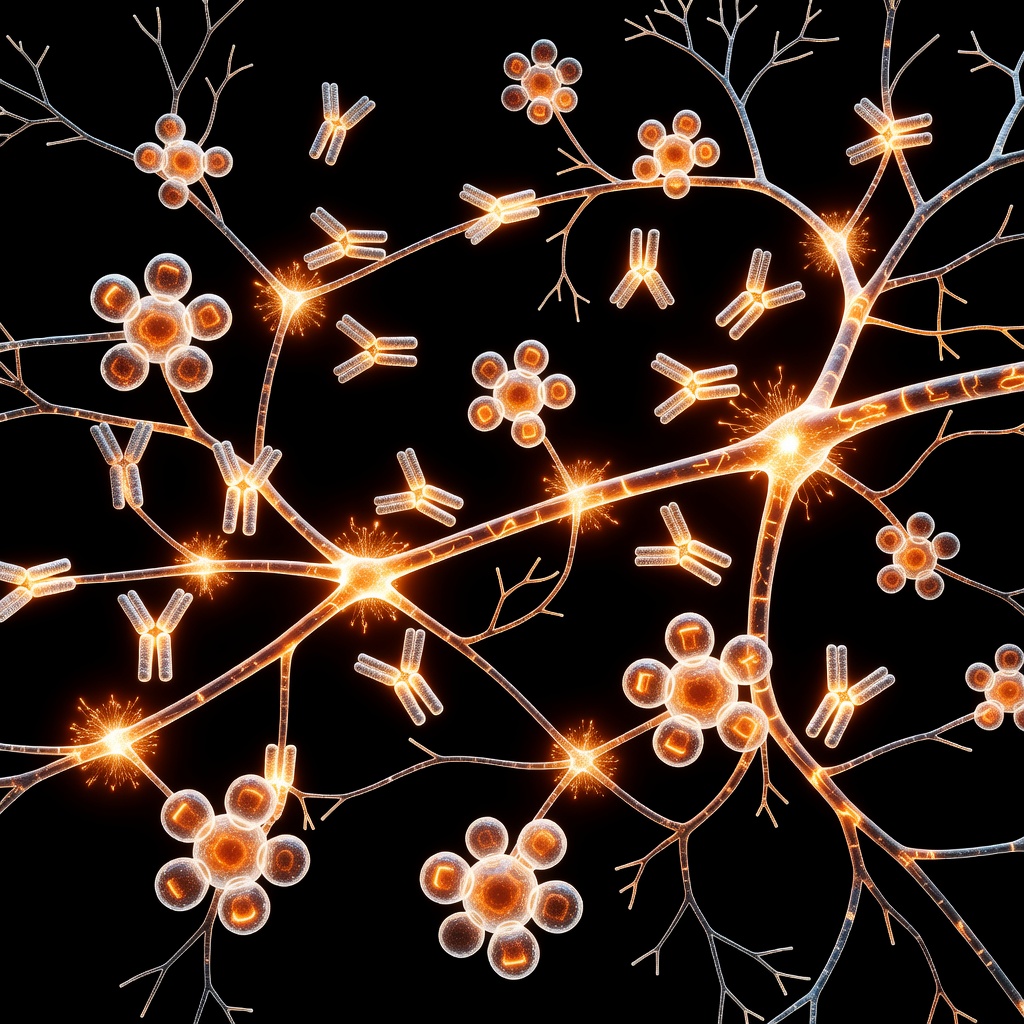
The Invisible Burden: Microplastics and Bladder Health. In recent years, the ubiquity of microplastics—synthetic polymer particles smaller than 5mm—has become a significant public health concern. While much research has focused on the gut and lungs, emerging evidence suggests that the bladder urothelium is a potential accumulation site for these persistent pollutants. For individuals suffering from Interstitial Cystitis (IC) or Bladder Pain Syndrome (BPS), understanding the root causes of chronic inflammation requires looking beyond traditional triggers and examining the chemical load exerted on the renal system. ### What are Microplastics and How Do They Enter? Microplastics enter the human body primarily through the ingestion of contaminated food and water, as well as the inhalation of airborne synthetic fibers.
Once ingested, these particles undergo digestion and metabolic processing, with a subset of smaller, nanoplastic particles entering the bloodstream. Because the bladder acts as the primary reservoir for systemic waste, it serves as a critical interface for these particles. When urine is concentrated, the interaction between particulate matter and the protective GAG (glycosaminoglycan) layer of the urothelium may become compromised. ### The Cytotoxic Mechanism. The bladder urothelium is a sophisticated barrier designed to protect the underlying muscle and nerve tissues from the toxic components of urine. Research into cytotoxicity suggests that microplastics can cause damage through three primary mechanisms: 1.
Mechanical Abrasion: The microscopic sharp edges of polymer fragments may cause sub-clinical micro-trauma to the urothelial lining, signaling an immune response. 2. Chemical Leaching: Plastics are often manufactured with additives such as bisphenols (BPA), phthalates, and flame retardants, which act as endocrine disruptors. These chemicals, when leached in the bladder environment, can exacerbate local inflammation. 3. Oxidative Stress: The presence of foreign particles can induce the production of reactive oxygen species (ROS), leading to cellular damage and premature apoptosis of urothelial cells. This cellular turnover potentially impairs the bladder's barrier integrity, increasing susceptibility to the classic flares observed in IC patients. ### Root Cause Focus: The Connection to Chronic Inflammation.
For those struggling with IC, the chronic state of inflammation is often maintained by a 'leaky bladder'—a condition where the barrier function is lost. If microplastics act as chronic stressors, they may turn a transient irritant into a permanent state of neurogenic inflammation. By activating mast cells within the bladder wall, these particles could theoretically play a role in the upregulation of pain signals. ### Mitigation and Future Perspectives. While eliminating all exposure to microplastics is currently impossible given their global reach, minimizing intake is a vital step in holistic bladder management. This includes prioritizing filtered water, reducing the consumption of processed foods packaged in single-use plastics, and avoiding heating food in plastic containers.
As we continue to study the intersection of environmental toxicology and bladder biology, the goal is to shift toward preventative strategies that reduce the toxic load on the urothelium, offering a pathway toward better symptom management for the IC community.
This article is provided for informational and educational purposes only. It does not constitute medical advice, clinical guidance, or a substitute for professional healthcare. Information reflects cited research at time of publication. Always consult a qualified healthcare professional before acting on any health information.
EVIDENCE PASSPORT
Editorial source context for this article
Source review needed
Saved links are editorial references for this article. They may support specific claims rather than every sentence. Open and assess each source in context. This passport does not independently verify them.
Editorial context
A complete editorial reading has not been recorded for this article, and no source links are saved on its record.
Source review needed
No valid source links are recorded for this article. Supplementary research, where available, is listed separately below.
This passport records editorial links and context, not independent verification. Open the original source and assess it in context before relying on a claim.
Medical Disclaimer
The information in this article is for educational purposes only and does not constitute medical advice, diagnosis, or treatment. Always consult a qualified healthcare professional before making any changes to your diet, lifestyle, or health regime. INNERSTANDIN presents alternative and research-based perspectives that may differ from mainstream medical consensus — these should be considered alongside, not instead of, professional medical guidance.
Read Full DisclaimerContinue the thread
Keep this question moving.
Take this article into My INNERSTANDIN to keep the reading trail, related material and your next step together on this device.
Dig deeper in the Library
Free, longform PDF volumes that go beyond headlines into mechanisms and references.