
Environmental Toxin Bioaccumulation and its Impact on Postpartum Nutrient Bioavailability
Discuss this resourceUpdated August 2026
An exploration of how environmental pollutants stored in adipose tissue are released during the postpartum period, depleting maternal nutrient stores and impacting breastfeeding, with a focus on root-cause metabolic support.
Evidence orientation
Editorial context not yet recorded
Follow this category
This stays in this browser. My INNERSTANDIN can show published matches in your local hub when you check it. It does not send email, push, or alert notifications.
Local learning review
A private browser aid for revisiting ideas. It is not an alert or a health recommendation.
Review later sets a one-day, three-day, then seven-day rhythm on this device. Choose it only when you want to revisit this article.
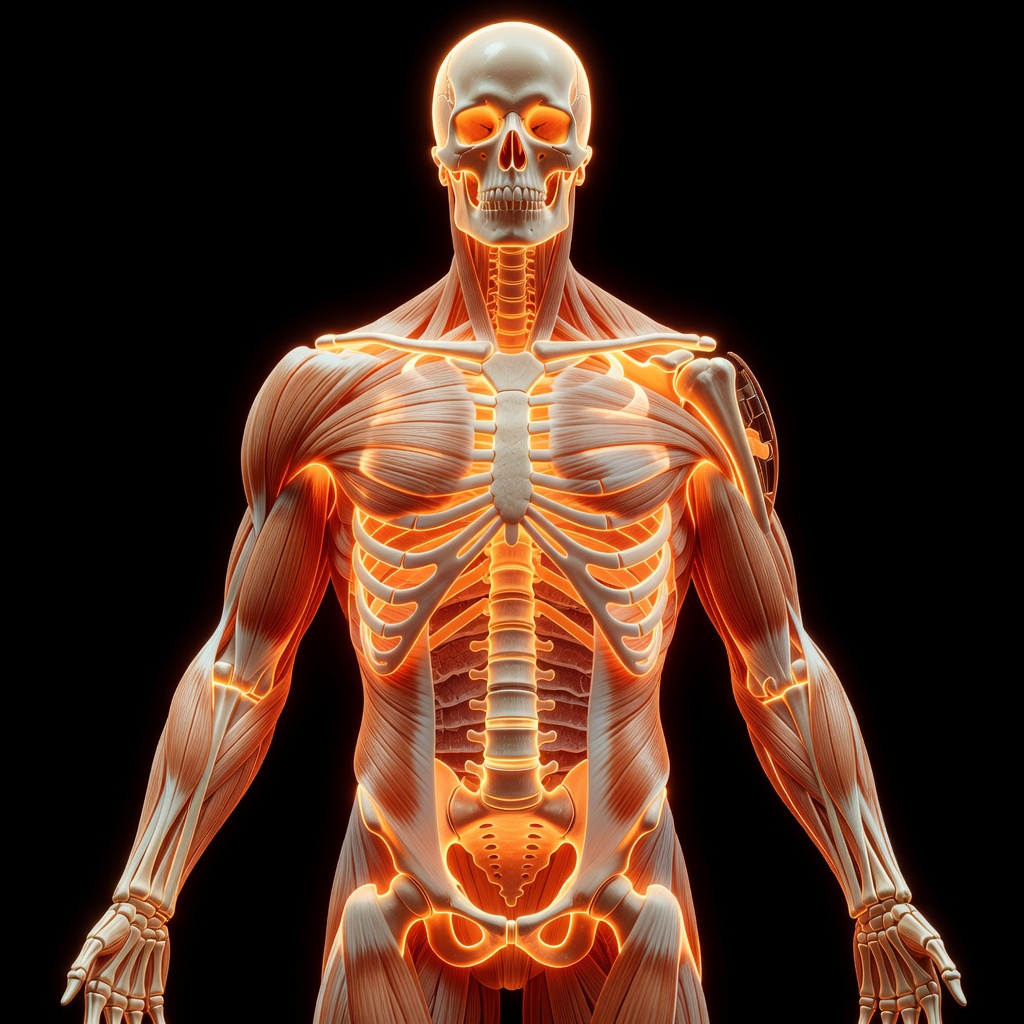
The Invisible Burden: Environmental Toxins in the Postpartum Period. In the world of postpartum recovery, the conversation is often dominated by physical healing and sleep deprivation. However, at INNERSTANDING, we look deeper. We examine the intersection of environmental toxicology and metabolic health. During pregnancy and the months following, a woman’s body undergoes a massive physiological shift.
This process is not only about nutrient depletion from fetal growth but also about the mobilization of adipose tissue—where many environmental toxins are stored. ### The Mechanism of Bioaccumulation. Persistent Organic Pollutants (POPs), heavy metals, and endocrine-disrupting chemicals (EDCs) are lipophilic, meaning they dissolve in and store themselves within fat cells. Over a lifetime, a woman accumulates these toxins. During the rapid weight changes and metabolic demands of the postpartum period, fat stores are broken down, releasing these sequestered toxins back into the bloodstream. This surge creates a 'toxic load' that the liver must process at the exact same time the body is trying to rebuild depleted nutrient stores. ### Impact on Nutrient Bioavailability.
The presence of these toxins forces the body to prioritize detoxification pathways over nutrient assimilation. Essential minerals like zinc, magnesium, and selenium, which are required for enzymatic reactions, are redirected to support the liver in metabolizing these toxins. This creates a state of functional nutrient deficiency. For example, lead stored in bone tissue can be released during the high calcium demand of lactation, potentially competing with calcium and other minerals, thereby reducing their bioavailability to both mother and infant. Furthermore, EDCs like Bisphenol A (BPA) and phthalates interfere with hormonal signaling, potentially dampening the absorption of fat-soluble vitamins such as A, D, E, and K, which are critical for postpartum brain health and mood regulation. ### Root-Cause Support Strategies.
To mitigate the impact of bioaccumulation, we must focus on two pillars: limiting exposure and optimizing elimination. 1. Dietary Detoxification Support: Incorporating cruciferous vegetables rich in sulforaphane supports the Nrf2 pathway, which enhances the body's natural antioxidant response. 2. Gut-Liver Axis Integrity: Ensuring consistent bowel movements is crucial. Many toxins are excreted via bile into the stool; if transit time is slow, these toxins are reabsorbed (enterohepatic circulation). 3. Targeted Micronutrient Repletion: Assessing the status of methyl-donors like B12 and folate is essential, as these nutrients are the 'fuel' for phase II liver detoxification.
By addressing the toxic burden alongside standard nutritional replenishment, mothers can transition into postpartum recovery with greater resilience and metabolic stability.
This article is provided for informational and educational purposes only. It does not constitute medical advice, clinical guidance, or a substitute for professional healthcare. Information reflects cited research at time of publication. Always consult a qualified healthcare professional before acting on any health information.
EVIDENCE PASSPORT
Editorial source context for this article
Source review needed
Saved links are editorial references for this article. They may support specific claims rather than every sentence. Open and assess each source in context. This passport does not independently verify them.
Editorial context
A complete editorial reading has not been recorded for this article, and no source links are saved on its record.
Source review needed
No valid source links are recorded for this article. Supplementary research, where available, is listed separately below.
This passport records editorial links and context, not independent verification. Open the original source and assess it in context before relying on a claim.
Medical Disclaimer
The information in this article is for educational purposes only and does not constitute medical advice, diagnosis, or treatment. Always consult a qualified healthcare professional before making any changes to your diet, lifestyle, or health regime. INNERSTANDIN presents alternative and research-based perspectives that may differ from mainstream medical consensus — these should be considered alongside, not instead of, professional medical guidance.
Read Full DisclaimerContinue the thread
Keep this question moving.
Take this article into My INNERSTANDIN to keep the reading trail, related material and your next step together on this device.
Dig deeper in the Library
Free, longform PDF volumes that go beyond headlines into mechanisms and references.