
Environmental Xenobiotics and Enteric Immune Activation: Root Cause Analysis of Leaky Gut
Discuss this resourceUpdated August 2026
An in-depth exploration of how environmental toxins trigger intestinal permeability and the cascading immune responses that compromise gut health.
Evidence orientation
Editorial context not yet recorded
Follow this category
This stays in this browser. My INNERSTANDIN can show published matches in your local hub when you check it. It does not send email, push, or alert notifications.
Local learning review
A private browser aid for revisiting ideas. It is not an alert or a health recommendation.
Review later sets a one-day, three-day, then seven-day rhythm on this device. Choose it only when you want to revisit this article.
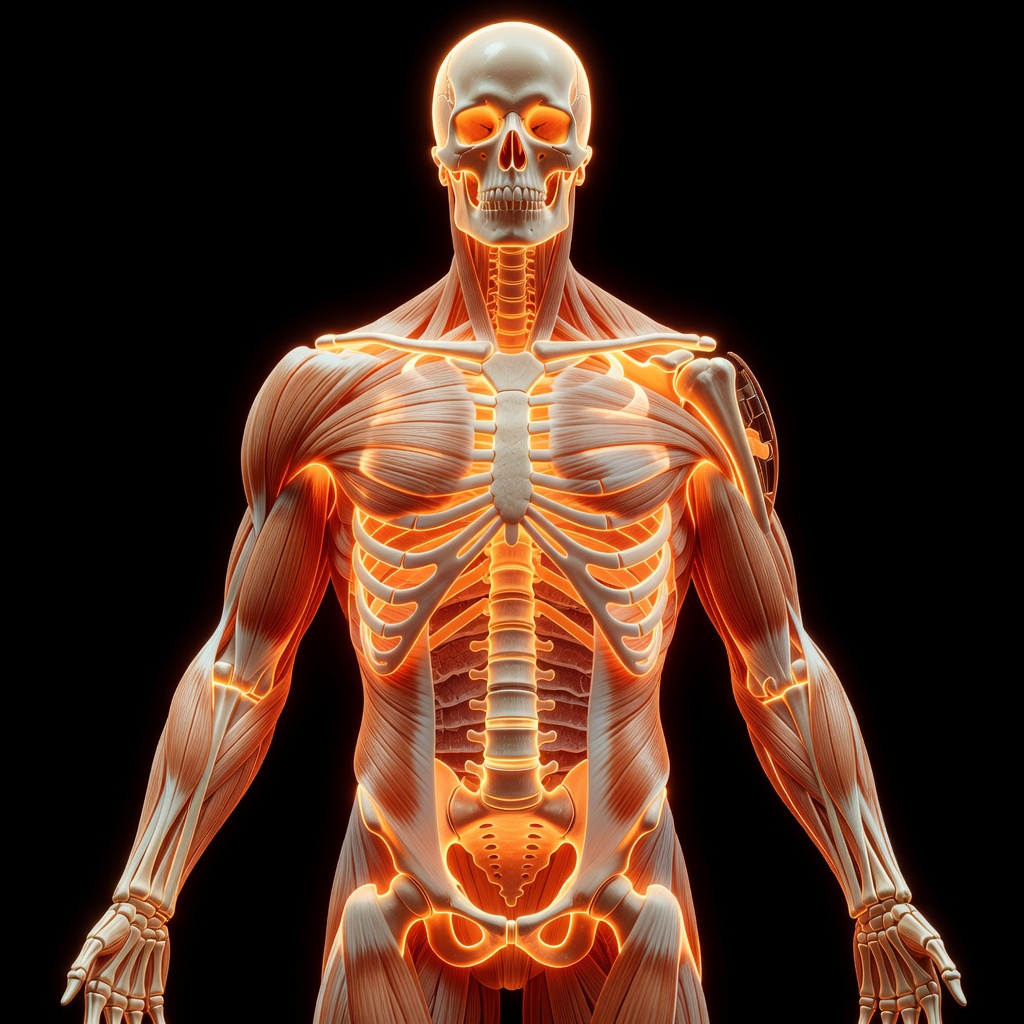
Intestinal permeability, commonly referred to as 'leaky gut,' has emerged as a cornerstone of modern chronic disease. At INNERSTANDING, we define this not as a standalone diagnosis, but as an enteric immune activation syndrome driven by systemic environmental exposures. The gut lining, a single layer of epithelial cells sealed by tight junction proteins, acts as the primary gatekeeper for the internal milieu. When these junctions are compromised by xenobiotics, the resulting systemic inflammation drives metabolic dysfunction.
The Role of Environmental Xenobiotics
Xenobiotics are chemical substances foreign to biological systems. In the modern anthropocene, we are chronically exposed to a cocktail of glyphosate, phthalates, endocrine-disrupting chemicals (EDCs), and microplastics. Research indicates that glyphosate, the most ubiquitous herbicide, interferes with the shikimate pathway in microbiome bacteria and induces oxidative stress in the intestinal epithelial cells, effectively loosening the 'clasp' of the tight junctions.
Mechanisms of Enteric Immune Activation
Once the physical barrier is breached, partially digested proteins, lipopolysaccharides (LPS) from gram-negative bacteria, and toxic residues leak into the lamina propria. This triggers the Gut-Associated Lymphoid Tissue (GALT), which houses 70% of the body's immune cells. The subsequent activation of TLR4 receptors by LPS initiates a pro-inflammatory cytokine cascade, particularly TNF-alpha and IL-6, which further degrades barrier integrity, creating a self-perpetuating feedback loop of inflammation.
The Root Cause Paradigm
To address leaky gut, one must shift from treating symptoms to identifying environmental disruptors. Identifying sources of chronic exposure—from water filtration quality to agricultural sourcing—is the first step. By reducing the xenobiotic load, we allow the gut mucosal layer to regenerate. Nutritional interventions focusing on butyrate production and mucosal integrity are secondary to the primary goal of environmental detoxification.
Conclusion
Leaky gut is a sentinel event reflecting a body struggling to process modern environmental stressors. By understanding the xenobiotic-immune axis, we can implement targeted strategies to restore homeostasis and mitigate the systemic repercussions of a compromised intestinal barrier.
This article is provided for informational and educational purposes only. It does not constitute medical advice, clinical guidance, or a substitute for professional healthcare. Information reflects cited research at time of publication. Always consult a qualified healthcare professional before acting on any health information.
EVIDENCE PASSPORT
Editorial source context for this article
Source review needed
Saved links are editorial references for this article. They may support specific claims rather than every sentence. Open and assess each source in context. This passport does not independently verify them.
Editorial context
A complete editorial reading has not been recorded for this article, and no source links are saved on its record.
Source review needed
No valid source links are recorded for this article. Supplementary research, where available, is listed separately below.
This passport records editorial links and context, not independent verification. Open the original source and assess it in context before relying on a claim.
Medical Disclaimer
The information in this article is for educational purposes only and does not constitute medical advice, diagnosis, or treatment. Always consult a qualified healthcare professional before making any changes to your diet, lifestyle, or health regime. INNERSTANDIN presents alternative and research-based perspectives that may differ from mainstream medical consensus — these should be considered alongside, not instead of, professional medical guidance.
Read Full DisclaimerContinue the thread
Keep this question moving.
Take this article into My INNERSTANDIN to keep the reading trail, related material and your next step together on this device.
Explore this in the Body Map
Explore related body structures and their educational pages in the interactive Body Map.
Dig deeper in the Library
Free, longform PDF volumes that go beyond headlines into mechanisms and references.