
Epigenetic Alterations and Methylation Patterns Linked to Environmental Toxicant Exposure in Autism
Discuss this resourceUpdated August 2026
This article explores the intersection of environmental toxicology and epigenetics, examining how exogenous pollutants influence DNA methylation patterns in the context of Autism Spectrum Disorder (ASD).
Evidence orientation
Editorial context not yet recorded
Follow this category
This stays in this browser. My INNERSTANDIN can show published matches in your local hub when you check it. It does not send email, push, or alert notifications.
Local learning review
A private browser aid for revisiting ideas. It is not an alert or a health recommendation.
Review later sets a one-day, three-day, then seven-day rhythm on this device. Choose it only when you want to revisit this article.
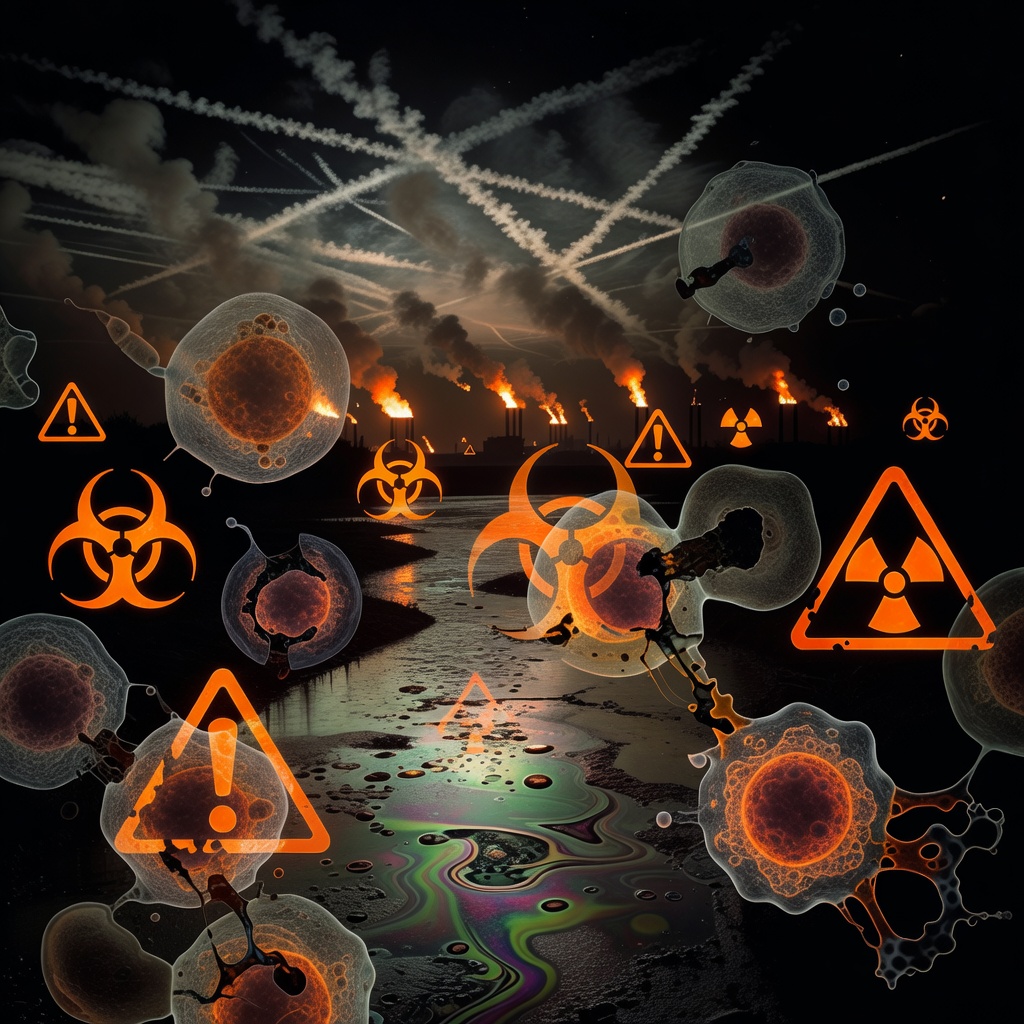
Introduction: The Environmental-Epigenetic Interface. In the field of neurodevelopmental research, the etiology of Autism Spectrum Disorder (ASD) has transitioned from a purely genetic model to a complex interplay between inheritance and environmental influence. INNERSTANDING recognizes that our environment acts as a biological signal, modulating how genes are expressed without altering the DNA sequence itself. This process, known as epigenetics, is increasingly linked to toxicant exposure. ### Understanding Methylation as a Biological Switch. DNA methylation is a fundamental epigenetic mechanism wherein a methyl group is added to the cytosine base of DNA, typically suppressing gene expression.
In the developing brain, precise methylation patterns are critical for synapse formation and neuronal maturation. Research indicates that exposure to heavy metals like lead, mercury, and arsenic, alongside persistent organic pollutants (POPs) such as phthalates and bisphenol A (BPA), can disrupt the enzymatic machinery responsible for these methylation tags. ### Toxicants and the One-Carbon Cycle. A primary pathway through which environmental toxins impact ASD risk is the disruption of the one-carbon metabolism cycle. This cycle is responsible for the production of S-adenosylmethionine (SAM), the universal methyl donor for DNA. Environmental stressors often induce oxidative stress, depleting glutathione levels and shifting metabolic resources away from methylation.
When the methyl supply is diminished, genes involved in neurogenesis and synaptic plasticity may remain improperly silenced or inappropriately activated, contributing to the neurodevelopmental atypicalities observed in autism. ### Critical Windows of Susceptibility. The vulnerability of the epigenome is not constant. During prenatal development and early childhood, the brain undergoes rapid reprogramming of its methylation landscape. Exposure to toxicants during these specific windows can lead to permanent 'epigenetic scars.' Studies have shown that maternal exposure to high levels of air pollution or organophosphate pesticides is statistically correlated with altered methylation at loci associated with social communication and cognitive development. ### From Biomarker to Root Cause. Moving beyond correlation, the emerging science suggests that these alterations are not merely side effects but root-cause drivers of ASD.
By analyzing blood or buccal cells, researchers have identified distinct 'epigenetic signatures' that differentiate children with ASD from neurotypical peers. These signatures often map to genes related to immune function and neurotransmitter regulation, suggesting that environmental toxicants bridge the gap between systemic inflammation and behavioral manifestation. ### Moving Forward: Mitigation and Support. At INNERSTANDING, we advocate for a proactive approach to environmental health. Reducing the toxic burden during pregnancy and early childhood is a primary strategy for supporting healthy neurodevelopment. This includes minimizing exposure to endocrine-disrupting plastics, filtering household air, and focusing on a nutrient-dense diet that supports the body's natural methylation cycles through adequate intake of folate, B12, and choline.
Understanding that autism is in part an environmentally triggered epigenetic outcome empowers families to look beyond the diagnosis toward actionable, root-cause health strategies.
This article is provided for informational and educational purposes only. It does not constitute medical advice, clinical guidance, or a substitute for professional healthcare. Information reflects cited research at time of publication. Always consult a qualified healthcare professional before acting on any health information.
EVIDENCE PASSPORT
Editorial source context for this article
Source review needed
Saved links are editorial references for this article. They may support specific claims rather than every sentence. Open and assess each source in context. This passport does not independently verify them.
Editorial context
A complete editorial reading has not been recorded for this article, and no source links are saved on its record.
Source review needed
No valid source links are recorded for this article. Supplementary research, where available, is listed separately below.
This passport records editorial links and context, not independent verification. Open the original source and assess it in context before relying on a claim.
Medical Disclaimer
The information in this article is for educational purposes only and does not constitute medical advice, diagnosis, or treatment. Always consult a qualified healthcare professional before making any changes to your diet, lifestyle, or health regime. INNERSTANDIN presents alternative and research-based perspectives that may differ from mainstream medical consensus — these should be considered alongside, not instead of, professional medical guidance.
Read Full DisclaimerContinue the thread
Keep this question moving.
Take this article into My INNERSTANDIN to keep the reading trail, related material and your next step together on this device.
Explore this in the Body Map
Explore related body structures and their educational pages in the interactive Body Map.
Dig deeper in the Library
Free, longform PDF volumes that go beyond headlines into mechanisms and references.