
Epigenetic Consequences of Copper Overload: Assessing the Impact of Exogenous Mineral Imbalance
Discuss this resourceUpdated August 2026
An in-depth exploration of how excess copper intake alters gene expression and cellular health, focusing on the delicate zinc-copper antagonism and its long-term epigenetic implications.
Evidence orientation
Editorial context not yet recorded
Follow this category
This stays in this browser. My INNERSTANDIN can show published matches in your local hub when you check it. It does not send email, push, or alert notifications.
Local learning review
A private browser aid for revisiting ideas. It is not an alert or a health recommendation.
Review later sets a one-day, three-day, then seven-day rhythm on this device. Choose it only when you want to revisit this article.
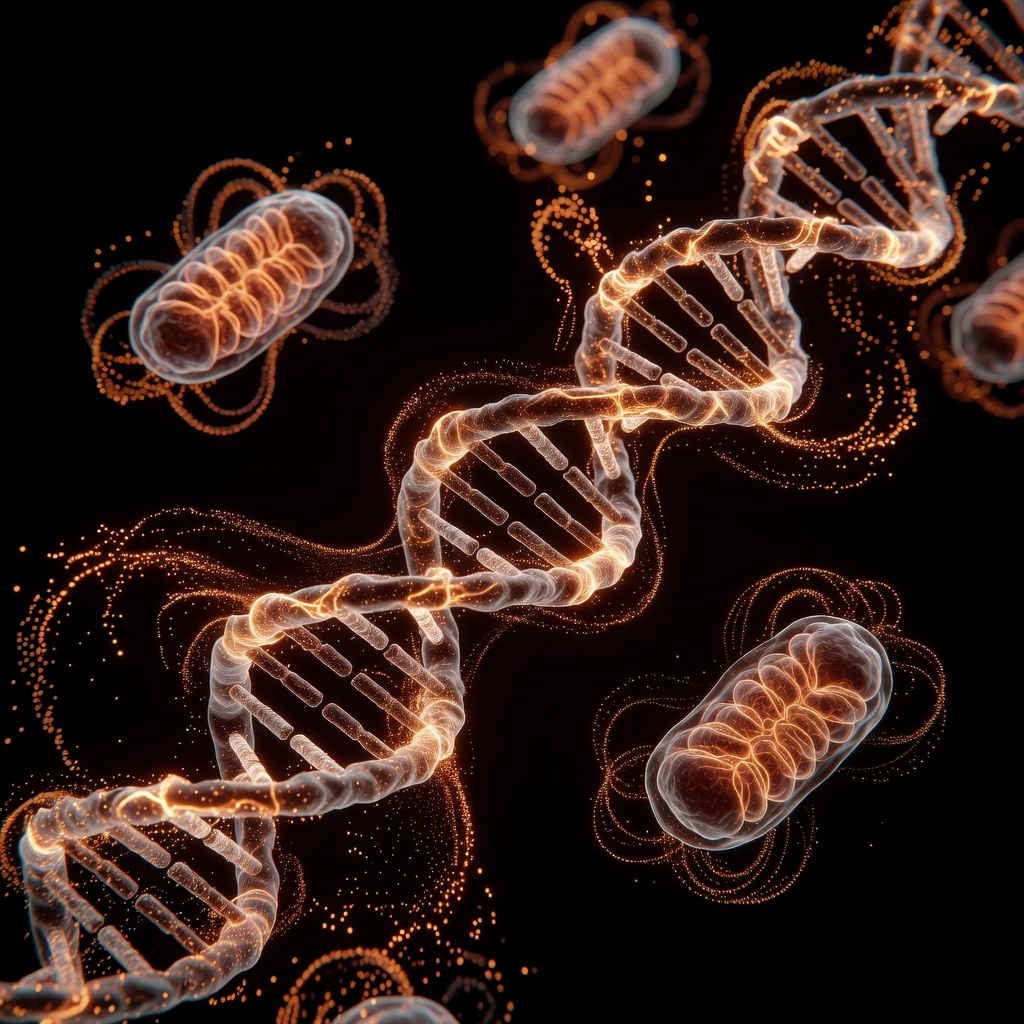
At INNERSTANDING, we advocate for a root-cause approach to health. Mineral homeostasis is the bedrock of metabolic function. While copper is an essential trace element, the modern landscape—defined by copper-lined piping, synthetic supplements, and agricultural imbalances—has ushered in an era of silent copper overload. This article examines the epigenetic consequences of this imbalance.
The Zinc-Copper Antagonism
Copper and zinc exist in a delicate dance of bio-antagonism. They compete for absorption pathways, specifically through metallothioneins, the proteins responsible for regulating heavy metal homeostasis. When exogenous copper levels chronically exceed the body’s ability to sequester them, a functional zinc deficiency often ensues. This is not merely a nutrient deficit; it is an architectural collapse of enzyme systems that depend on these minerals for structural integrity.
Epigenetic Implications: Beyond DNA
Epigenetics refers to the chemical modifications of DNA and histone proteins that turn genes 'on' or 'off' without altering the primary sequence. Copper, in its free ionic state, is a potent redox agent. Excessive copper promotes the production of reactive oxygen species (ROS), which creates oxidative stress. ROS are known to interfere with the activity of DNA methyltransferases (DNMTs).
When DNMT activity is disrupted by chronic oxidative stress, we see aberrant DNA methylation patterns. This can lead to the 'silencing' of tumor suppressor genes or the 'over-expression' of inflammatory pathways. Essentially, copper overload acts as a signaling disruptor, instructing cells to function in a state of chronic, low-grade stress.
Impact on Chromatin Remodeling
Histone modification is another layer of the epigenetic landscape. Copper toxicity has been shown to interfere with histone deacetylase (HDAC) activity. By disrupting the enzymes responsible for 'tightening' chromatin, copper can lead to a more open, unstable chromatin structure. This instability makes the genome more susceptible to transcriptional errors, effectively loosening the control mechanisms that keep cellular identity and function aligned with health.
Identifying the Root Cause
To address epigenetic health, we must look at environmental inputs. Is your water filtered? Are you using high-dose copper supplementation without balanced zinc? Chronic inflammation often has its roots in these microscopic imbalances. Addressing copper overload requires a strategic, not aggressive, approach—focusing on restoring zinc-dependent metallothionein function and mitigating oxidative triggers.
Conclusion
Understanding copper overload is about recognizing that your environment communicates with your genes. By balancing your mineral intake, you are not just taking supplements; you are engaging in a sophisticated form of genetic maintenance. Choose balance, monitor your intake, and prioritize foundational mineral synergy.
This article is provided for informational and educational purposes only. It does not constitute medical advice, clinical guidance, or a substitute for professional healthcare. Information reflects cited research at time of publication. Always consult a qualified healthcare professional before acting on any health information.
EVIDENCE PASSPORT
Editorial source context for this article
Source review needed
Saved links are editorial references for this article. They may support specific claims rather than every sentence. Open and assess each source in context. This passport does not independently verify them.
Editorial context
A complete editorial reading has not been recorded for this article, and no source links are saved on its record.
Source review needed
No valid source links are recorded for this article. Supplementary research, where available, is listed separately below.
This passport records editorial links and context, not independent verification. Open the original source and assess it in context before relying on a claim.
Medical Disclaimer
The information in this article is for educational purposes only and does not constitute medical advice, diagnosis, or treatment. Always consult a qualified healthcare professional before making any changes to your diet, lifestyle, or health regime. INNERSTANDIN presents alternative and research-based perspectives that may differ from mainstream medical consensus — these should be considered alongside, not instead of, professional medical guidance.
Read Full DisclaimerContinue the thread
Keep this question moving.
Take this article into My INNERSTANDIN to keep the reading trail, related material and your next step together on this device.
Dig deeper in the Library
Free, longform PDF volumes that go beyond headlines into mechanisms and references.