
Epigenetic Triggers and Environmental Toxins: Investigating the Onset of PANS
Discuss this resourceUpdated August 2026
An in-depth exploration into how environmental factors and epigenetic modifications drive the onset of Pediatric Acute-onset Neuropsychiatric Syndrome (PANS), shifting the focus toward root-cause resolution.
Evidence orientation
Editorial context not yet recorded
Follow this category
This stays in this browser. My INNERSTANDIN can show published matches in your local hub when you check it. It does not send email, push, or alert notifications.
Local learning review
A private browser aid for revisiting ideas. It is not an alert or a health recommendation.
Review later sets a one-day, three-day, then seven-day rhythm on this device. Choose it only when you want to revisit this article.
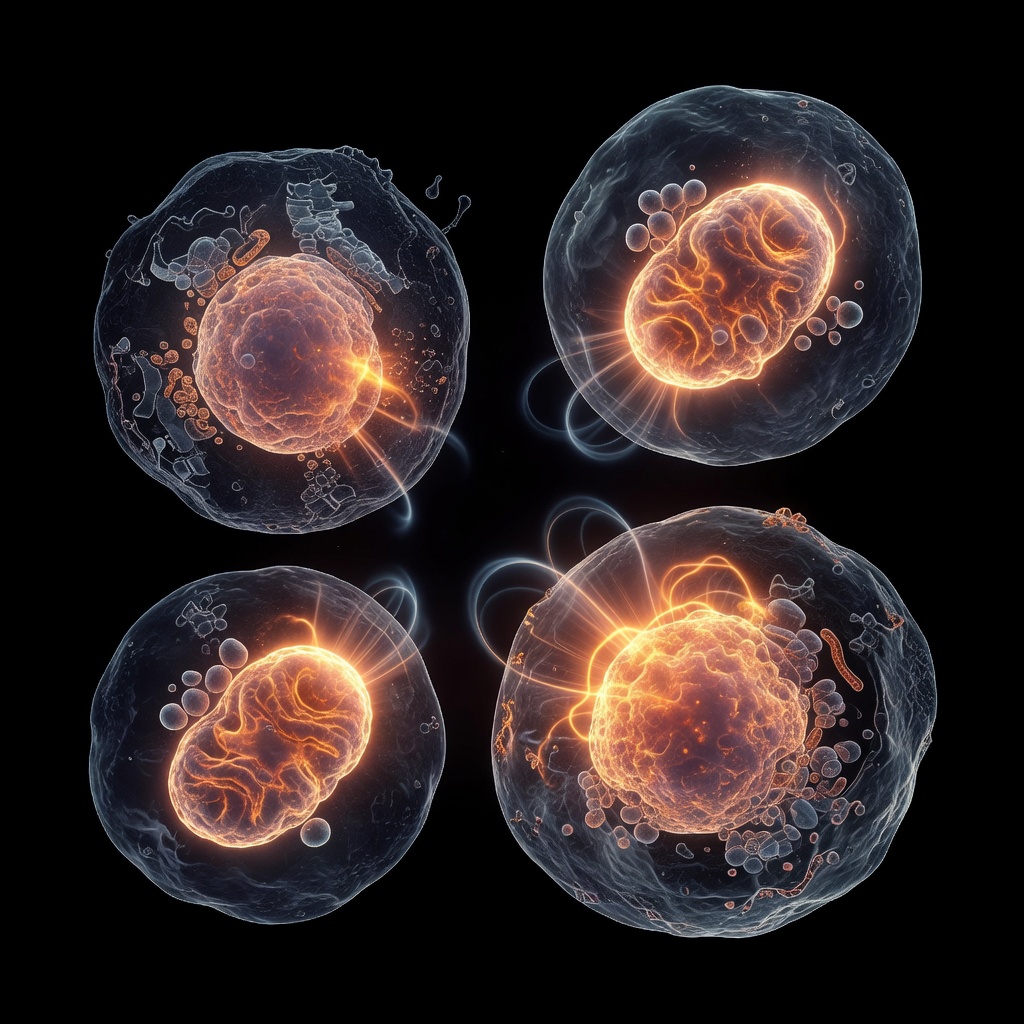
Introduction to the PANS Paradigm. Pediatric Acute-onset Neuropsychiatric Syndrome (PANS) represents a complex intersection of immunology, neurology, and environmental medicine. At INNERSTANDING, we advocate for moving beyond symptom management to explore the 'why' behind the sudden onset of neuropsychiatric symptoms. While clinical definitions focus on post-infectious triggers, the reality of PANS often involves a cumulative burden of environmental toxins and epigenetic expressions. ### The Epigenetic Landscape. Epigenetics refers to the functional changes in the genome that do not alter the underlying DNA sequence but dictate gene expression.
For children predisposed to neuro-immune challenges, environmental inputs can trigger 'switches' that ramp up inflammatory cytokines. Chronic exposure to heavy metals, mold mycotoxins, and endocrine disruptors can cause DNA methylation patterns that exacerbate immune dysregulation. ### Environmental Toxins as Catalysts. Environmental triggers are often the silent partners in PANS. Mycotoxins from water-damaged buildings can permeate the blood-brain barrier, triggering glial cell activation. Similarly, synthetic chemicals—such as phthalates and organophosphates—can act as stressors that deplete the body's glutathione levels, impairing detoxification and allowing pathogens to flourish unchecked.
When the child’s internal terrain is compromised, a minor viral infection can trigger an exaggerated immune response, leading to the neuropsychiatric 'storm' characteristic of PANS. ### Investigating Root Causes. To address PANS effectively, one must look at the body as a holistic system. This involves investigating: 1. Toxic Burden: Testing for heavy metals, glyphosate, and mycotoxins. 2. Metabolic Pathways: Evaluating the methylation cycle and detoxification efficiency. 3.
Gut-Brain Axis: Assessing dysbiosis, which often serves as a reservoir for immune-priming bacteria like PANDAS-associated Strep. ### Conclusion. Treating PANS is not about silencing the brain with pharmaceuticals, but about clearing the path for the body to self-regulate. By reducing the toxic load and supporting the epigenetic framework, we can provide the systemic stability required for long-term recovery.
This article is provided for informational and educational purposes only. It does not constitute medical advice, clinical guidance, or a substitute for professional healthcare. Information reflects cited research at time of publication. Always consult a qualified healthcare professional before acting on any health information.
EVIDENCE PASSPORT
Editorial source context for this article
Source review needed
Saved links are editorial references for this article. They may support specific claims rather than every sentence. Open and assess each source in context. This passport does not independently verify them.
Editorial context
A complete editorial reading has not been recorded for this article, and no source links are saved on its record.
Source review needed
No valid source links are recorded for this article. Supplementary research, where available, is listed separately below.
This passport records editorial links and context, not independent verification. Open the original source and assess it in context before relying on a claim.
Medical Disclaimer
The information in this article is for educational purposes only and does not constitute medical advice, diagnosis, or treatment. Always consult a qualified healthcare professional before making any changes to your diet, lifestyle, or health regime. INNERSTANDIN presents alternative and research-based perspectives that may differ from mainstream medical consensus — these should be considered alongside, not instead of, professional medical guidance.
Read Full DisclaimerContinue the thread
Keep this question moving.
Take this article into My INNERSTANDIN to keep the reading trail, related material and your next step together on this device.
Explore this in the Body Map
Explore related body structures and their educational pages in the interactive Body Map.
Dig deeper in the Library
Free, longform PDF volumes that go beyond headlines into mechanisms and references.