
Epigenetic Triggers and the Role of Chronic Micro-trauma in Dupuytren's Pathogenesis
Discuss this resourceUpdated August 2026
An in-depth exploration of how environmental factors, mechanical micro-trauma, and epigenetic signaling drive the fibroproliferative processes behind Dupuytren's Contracture.
Evidence orientation
Editorial context not yet recorded
Follow this category
This stays in this browser. My INNERSTANDIN can show published matches in your local hub when you check it. It does not send email, push, or alert notifications.
Local learning review
A private browser aid for revisiting ideas. It is not an alert or a health recommendation.
Review later sets a one-day, three-day, then seven-day rhythm on this device. Choose it only when you want to revisit this article.
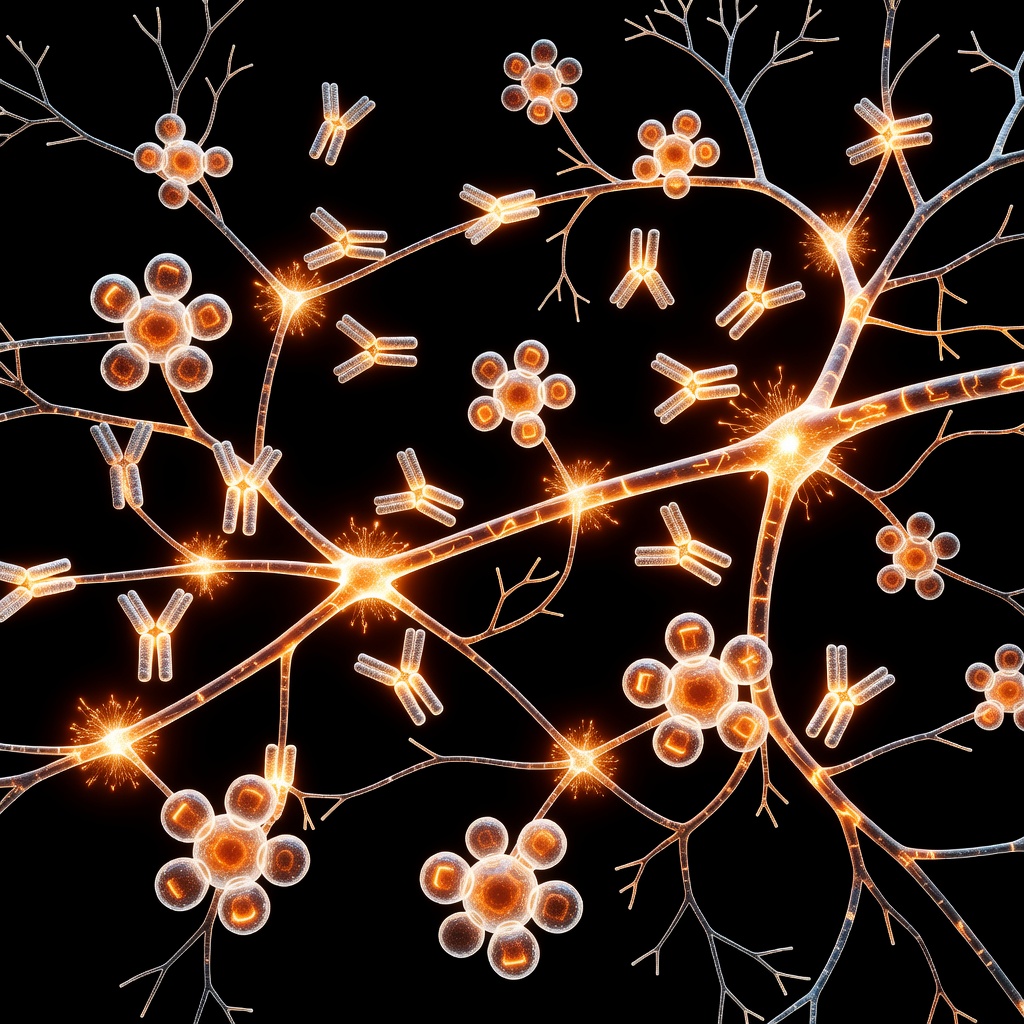
Introduction: Rethinking Dupuytren's
Dupuytren's disease is traditionally viewed as a genetic 'Viking disease,' but modern research suggests a far more complex interplay between our environment and our DNA. At INNERSTANDING, we look beyond the symptoms to examine how chronic micro-trauma and epigenetic signaling transform the palmar fascia into a restrictive, fibrous tissue.
The Mechanobiology of Fascia
The palmar fascia is not a static anatomical structure; it is a dynamic, load-bearing connective tissue. In susceptible individuals, repetitive mechanical stress—often occurring in the workplace or through intensive physical labor—acts as a catalyst. When fascia is subjected to repetitive micro-trauma, it triggers a 'repair' response that never truly switches off. This state of perpetual wound healing characterizes the transition from healthy fascia to the pathological nodules and cords seen in Dupuytren's.
The Role of Epigenetics
Epigenetics refers to the chemical modifications to our DNA and histones that switch genes on or off without altering the genetic code itself. In the context of Dupuytren’s, factors like localized inflammation, oxidative stress, and perhaps even systemic metabolic health influence the expression of myofibroblasts. These specialized cells are the primary drivers of contracture. Epigenetic studies show that environmental stressors can 'prime' fibroblasts to differentiate prematurely into these contractile cells, effectively lowering the threshold for disease development.
Chronic Micro-trauma: The Silent Trigger
Why do some people with a genetic predisposition develop the disease while others do not? The answer lies in the cumulative nature of micro-trauma. Every minor tear in the fascia triggers a cascade of cytokines, including TGF-beta. When these triggers are constant, the tissue remains in a state of chronic inflammation. This constant demand for tissue remodeling eventually leads to the deposition of excessive Type III collagen, which is less organized and more rigid than healthy Type I collagen, leading to the thickening and shortening of the fascia.
Holistic Management Strategies
Understanding this pathogenesis allows for a more proactive approach. While surgical interventions address the end-stage cords, long-term management focuses on reducing the inflammatory and mechanical triggers that fuel epigenetic shifts. This includes ergonomic adjustments to minimize repetitive strain, anti-inflammatory nutritional strategies to stabilize the cellular environment, and myofascial release techniques designed to improve tissue gliding and reduce localized hypoxia.
Conclusion
Dupuytren's is a dialogue between your history and your biology. By mitigating chronic mechanical stress and addressing systemic inflammation, we may better manage the trajectory of the condition. Focus on the root causes—the micro-trauma and the cellular signaling—to empower your body’s natural resilience.
This article is provided for informational and educational purposes only. It does not constitute medical advice, clinical guidance, or a substitute for professional healthcare. Information reflects cited research at time of publication. Always consult a qualified healthcare professional before acting on any health information.
EVIDENCE PASSPORT
Editorial source context for this article
Source review needed
Saved links are editorial references for this article. They may support specific claims rather than every sentence. Open and assess each source in context. This passport does not independently verify them.
Editorial context
A complete editorial reading has not been recorded for this article, and no source links are saved on its record.
Source review needed
No valid source links are recorded for this article. Supplementary research, where available, is listed separately below.
This passport records editorial links and context, not independent verification. Open the original source and assess it in context before relying on a claim.
Medical Disclaimer
The information in this article is for educational purposes only and does not constitute medical advice, diagnosis, or treatment. Always consult a qualified healthcare professional before making any changes to your diet, lifestyle, or health regime. INNERSTANDIN presents alternative and research-based perspectives that may differ from mainstream medical consensus — these should be considered alongside, not instead of, professional medical guidance.
Read Full DisclaimerContinue the thread
Keep this question moving.
Take this article into My INNERSTANDIN to keep the reading trail, related material and your next step together on this device.
Dig deeper in the Library
Free, longform PDF volumes that go beyond headlines into mechanisms and references.