
Fermentation vs. Pasteurisation: The Nutrient Bioavailability Gap
Updated May 2026
Pasteurisation kills the 'life' in food to extend shelf life, often degrading heat-sensitive vitamins. Fermentation not only preserves but increases levels of B vitamins and Vitamin K.
Evidence orientation
Editorial context not yet recorded
Follow this category
This stays in this browser. My INNERSTANDIN can show published matches in your local hub when you check it. It does not send email, push, or alert notifications.
Local learning review
A private browser aid for revisiting ideas. It is not an alert or a health recommendation.
Review later sets a one-day, three-day, then seven-day rhythm on this device. Choose it only when you want to revisit this article.
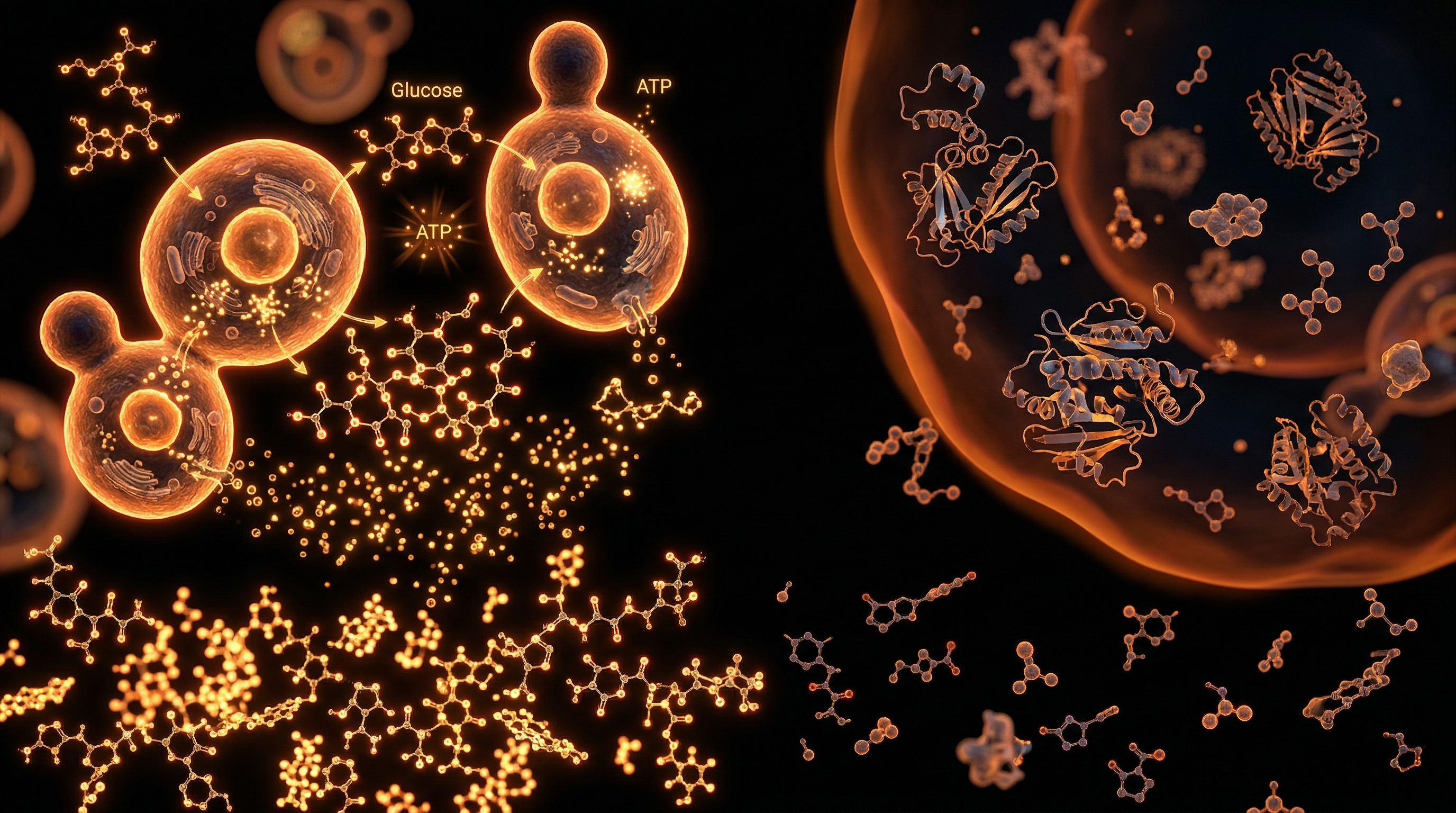
Overview
In the modern landscape of nutritional science, we are witnessing a silent, systemic erosion of the human biological interface. For over a century, the industrial food complex has operated under a single, unchallenged directive: sterility. This obsession with safety and shelf-life extension has birthed the era of pasteurisation, a thermal intervention that, while effectively neutralising pathogens, has inadvertently created a "biological desert" in the human diet. We are currently consuming more calories than at any point in human history, yet we are fundamentally starving at the cellular level.
The dichotomy between pasteurisation and fermentation is not merely a choice of food processing; it is a choice between "dead" and "living" food. Pasteurisation, by design, seeks to arrest biological activity. It uses high-intensity heat to denature proteins and destroy microbial life, ensuring a product can sit on a supermarket shelf for months without spoilage. However, this process does not only kill "bad" bacteria; it obliterates the complex enzymatic systems and heat-sensitive micronutrients that the human body evolved to utilise.
Conversely, fermentation is a process of biological enhancement. It is an ancient technology—honed over millennia—that uses the metabolic activity of beneficial microorganisms to transform raw ingredients. Through fermentation, the bioavailability of minerals is unlocked, "anti-nutrients" are neutralised, and a suite of vital vitamins—most notably the B-complex and Vitamin K2—are synthesised de novo.
Callout Fact: While pasteurisation can reduce Vitamin C content in milk by up to 25% and significantly degrade B-vitamins, fermentation has been shown to increase the B-vitamin profile of certain foods by over 200%.
This article serves as a deep dive into the biochemical chasm between these two processes. We will expose how the transition to a pasteurised-dominant diet has disrupted the human microbiome, leading to a cascade of chronic inflammatory conditions, and why the return to fermented, living foods is not a "lifestyle trend" but a biological imperative for the survival of the species.
The Biology — How It Works
To understand the gap in bioavailability, we must first examine the fundamental biological mechanisms of both processes. They represent polar opposites in the thermodynamics of food.
The Thermal Destruction of Pasteurisation
Pasteurisation, named after Louis Pasteur, is the process of heating liquids (and some solids) to a specific temperature for a fixed period. The most common form in the UK is High-Temperature Short-Time (HTST), where milk is heated to 72°C for 15 seconds. Ultra-Heat Treatment (UHT) takes this further, reaching 135°C.
At these temperatures, the kinetic energy within the food matrix becomes so violent that it breaks the delicate hydrogen bonds maintaining the 3D structure of proteins and enzymes. This is known as denaturation. While this successfully kills Mycobacterium bovis and Salmonella, it also:
- Destroys immunoglobulins (antibodies) naturally present in raw milk.
- Inactivates lactoperoxidase, a natural antimicrobial enzyme.
- Renders phosphatase—the enzyme required for the absorption of calcium—entirely inert.
The Alchemical Transformation of Fermentation
Fermentation is a metabolic process that produces chemical changes in organic substrates through the action of enzymes. In the context of food, this is primarily Lactic Acid Fermentation.
When we ferment cabbage into sauerkraut or milk into kefir, we are facilitating a controlled ecological succession. Lactic Acid Bacteria (LAB), such as Lactobacillus plantarum and Leuconostoc mesenteroides, consume the simple sugars in the food. In return, they secrete lactic acid, acetic acid, and a myriad of bioactive peptides. This acidic environment naturally preserves the food by inhibiting spoilage organisms, but unlike pasteurisation, it does so while maintaining—and increasing—the "life force" of the substrate.
The Concept of Bioavailability
Bioavailability refers to the proportion of a nutrient that is digested, absorbed, and utilised by the body. A food may be "nutrient-dense" on a laboratory label, but if those nutrients are locked in complex structures or if the enzymes required to break them down have been heat-killed, the actual bioavailability is near zero. Fermentation acts as a form of "pre-digestion", breaking down complex macromolecules into simpler, more absorbable forms before they even reach the human gut.
Mechanisms at the Cellular Level
The difference between a pasteurised product and a fermented one is most stark when viewed through the lens of cellular biochemistry. Here, we see the synthesis of life versus the stagnation of matter.
1. The Synthesis of the "Missing" Vitamins
Microbes are the ultimate chemists. During the fermentation process, bacteria undergo metabolic pathways that result in the creation of essential vitamins that were either absent or present in only trace amounts in the raw material.
- Vitamin K2 (Menaquinones): While Vitamin K1 is found in leafy greens, the much more bioavailable K2 is primarily a product of bacterial fermentation. Strains like Bacillus subtilis (found in Natto) and various Lactococci (found in hard cheeses and kefir) synthesise K2, which is critical for directing calcium into the bones and away from the arteries.
- The B-Vitamin Complex: Fermentation significantly boosts levels of Folate (B9), Riboflavin (B2), and Cobalamin (B12). In many traditional cultures, fermented porridges were the primary source of B-vitamins, preventing deficiencies like pellagra or beri-beri.
2. Neutralising Anti-Nutrients
Many plant foods contain "defence chemicals" designed to prevent them from being digested. These include phytic acid, lectins, and oxalates.
- Phytic acid is a "mineral chelator"; it binds to iron, zinc, and magnesium in the digestive tract, preventing their absorption.
- Fermentation triggers the production of the enzyme phytase, which breaks down phytic acid. This "unlocks" the minerals, increasing their bioavailability by orders of magnitude. Pasteurisation has no effect on phytic acid, meaning pasteurised grain products remain high in these nutrient-blockers.
3. Enzymatic Priming
Every raw food contains the enzymes necessary for its own decomposition and, ultimately, its digestion. Pasteurisation destroys these enzymes. For example, raw milk contains lipase (to digest fats) and lactase (to digest lactose). When these are heat-destroyed, the human pancreas must work overtime to produce the necessary digestive juices. Over decades, this leads to pancreatic strain and "metabolic fatigue".
Fermentation not only preserves these enzymes but introduces a massive exogenous dose of proteases and amylases, easing the metabolic burden on the host.
4. Bioactive Peptides and ACE Inhibition
During the breakdown of proteins (proteolysis) in fermentation, specific sequences of amino acids called bioactive peptides are released. Research has shown that these peptides can act as natural ACE inhibitors, helping to regulate blood pressure, and possess potent antioxidant properties that neutralise reactive oxygen species (ROS) at the cellular level. These peptides are largely absent in pasteurised, non-fermented dairy and meats.
Environmental Threats and Biological Disruptors
The shift from fermentation to pasteurisation did not happen in a vacuum. It was a response to the "Great Sanitisation"—a period in the 19th and 20th centuries where the fear of germs outweighed the understanding of symbiosis. However, this has left us vulnerable to modern biological disruptors.
The Glyphosate Connection
Modern industrial agriculture relies heavily on Glyphosate, the active ingredient in many herbicides. Glyphosate acts on the shikimate pathway, a metabolic route found in plants and bacteria, but not humans. The "mainstream" argument is that glyphosate is safe because humans don't have this pathway. This is a scientific half-truth.
Our gut microbiome—the 100 trillion bacteria in our intestines—does use the shikimate pathway. When we consume pasteurised, industrially farmed food, we are consuming glyphosate residues that decimate our internal microbial diversity. Because pasteurised food contains no live bacteria to replenish this lost diversity, we enter a state of permanent dysbiosis.
Microplastics and Endocrine Disruptors
Pasteurisation often happens in large industrial facilities and the products are stored in plastic containers (HDPE or PET). The heat involved in processing and the long shelf-life of pasteurised products increase the leaching of phthalates and Bisphenol A (BPA) into the food. These are known endocrine disruptors. Fermented foods, traditionally kept in glass or ceramic, and possessing a lower pH, are less prone to this chemical migration, though the primary benefit remains the microbial buffering against these toxins.
The Antibiotic Overload
The UK livestock industry, while more regulated than that of the US, still utilises significant quantities of antibiotics. These residues end up in pasteurised milk and meat. In a fermented environment, certain "hero" bacteria have the capacity to metabolise and neutralise some of these chemical residues, providing a level of "biological filtration" that pasteurisation cannot offer.
Callout Fact: A study published in the Journal of Dairy Science found that certain lactic acid bacteria can reduce the concentration of specific pesticide residues by up to 50% during the fermentation process.
The Cascade: From Exposure to Disease
The systematic removal of fermented foods and the total reliance on pasteurised products have created a "cascade of decay" in Western populations. When the gut is no longer populated by the "life" found in fermented foods, the following pathological cascade typically occurs:
Phase 1: Intestinal Permeability (Leaky Gut)
Without the protective mucosal barrier maintained by beneficial bacteria (Bifidobacterium and Lactobacillus), the intestinal lining becomes "leaky". Tight junctions loosen, allowing undigested food particles and lipopolysaccharides (LPS) to enter the bloodstream. Pasteurised dairy, which contains denatured proteins like β-lactoglobulin, is particularly "sticky" and immunogenic, further irritating the gut lining.
Phase 2: Systemic Inflammation
The immune system identifies these leaked particles as foreign invaders, triggering a state of chronic, low-grade inflammation. This is the "silent killer" behind almost all modern chronic diseases. The lack of Vitamin K2 from fermented sources means that calcium is not effectively moved out of the blood and into the bones, leading to the "Calcium Paradox": brittle bones (osteoporosis) coupled with hardened arteries (atherosclerosis).
Phase 3: Metabolic Dysfunction
The B-vitamins produced during fermentation are essential co-factors for mitochondrial function. When these are lacking, and the body is forced to process the dead, high-sugar load of many pasteurised processed foods, insulin resistance develops. The gut-brain axis is also disrupted; 90% of the body's serotonin is produced in the gut, but only in the presence of a healthy, diverse microbiome. The absence of fermented foods is directly linked to the skyrocketing rates of anxiety and depression in the UK.
Phase 4: Autoimmune Collapse
Finally, the immune system, constantly overstimulated by a "dead" diet and a leaky gut, begins to attack the body's own tissues. From Hashimoto's thyroiditis to Rheumatoid Arthritis, the common thread is a lack of microbial education. Fermented foods provide the "training data" our immune system needs to distinguish between friend and foe.
What the Mainstream Narrative Omits
Why are we not told about the "bioavailability gap"? Why is pasteurisation still touted as the gold standard of food safety while fermentation is often relegated to a "culinary hobby"?
The Profitability of Sterility
The food industry is built on logistics. Living food is "unstable"—it bubbles, it changes flavour, it has a shelf-life that is dictated by biology, not by a corporate calendar. Pasteurisation allows for the centralisation of food production. A single dairy can process milk from thousands of farms, mix it together, "kill" it, and ship it across the country.
If we moved back to a fermentation-based, localised food system, the current industrial model would collapse. There is no "profit" in a food that preserves itself naturally and provides all the vitamins you need, because you would no longer need the multi-billion pound synthetic supplement industry.
The "Safety" Smoke Screen
The mainstream narrative uses "safety" as a weapon. They cite outbreaks of Listeria or E. coli to justify more processing. What they omit is that these pathogens are a product of the industrial farming environment—cramped conditions and poor hygiene. In a healthy, traditional fermentation setup, the "good" bacteria create an environment so acidic and bacteriocin-rich that pathogens cannot survive.
Important Callout: Raw, fermented foods have a statistically superior safety record compared to processed deli meats and bagged salads, which are the primary drivers of foodborne illness in the UK.
The Suppression of Raw Milk Research
Raw milk—the ultimate source for natural fermentation—is often demonised. Yet, the "Loss of Life" in milk via pasteurisation is the primary reason for the rise in lactose intolerance. Many people who believe they are "allergic" to milk are actually reacting to the denatured proteins and the lack of lactase enzyme in pasteurised milk. They can often consume raw or fermented dairy (kefir) with no issues.
The UK Context
The United Kingdom has a unique and somewhat troubled relationship with the fermentation-pasteurisation debate. Historically, Britain was a land of fermentation. From the "Small Ale" consumed by all ages (a low-alcohol fermented beverage that was safer than water) to the traditional farmhouse cheeses and "clouted" creams of the West Country.
The FSA and the Regulatory Stranglehold
The Food Standards Agency (FSA) in the UK maintains a strict stance on raw milk. While it is legal to sell raw milk in England and Wales, it can only be sold directly from the farm to the consumer. In Scotland, the sale of raw milk for human consumption is entirely banned. This regulatory hurdle prevents the widespread adoption of "living" dairy and forces the population toward UHT and pasteurised options.
The Decline of the "Artisan"
The UK has lost over 90% of its small-scale dairies in the last 60 years. As these farms disappear, so does the "terroir" of British microbes. Each farm used to have its own unique microbial signature, contributing to a diverse national "metamicrobiome". Today, the UK diet is dominated by a few massive supermarket chains, meaning the entire nation is essentially sharing the same, depleted microbial pool.
The Sourdough "Fraud"
In the UK, the term "sourdough" is not legally protected. This means supermarkets can sell "sourdough-style" bread that has been leavened with commercial yeast and "flavoured" with dried sourdough powder, but has not undergone the 24-48 hour fermentation process. This "fake" sourdough still contains high levels of phytic acid and gluten that hasn't been broken down, leading to the widespread bloating and grain-intolerance seen across the British public.
Protective Measures and Recovery Protocols
Knowing the "bioavailability gap" is only the first step. To reclaim your biological sovereignty, you must take active measures to "re-wild" your internal landscape.
1. The "Living Food" Ratio
Aim for a diet where at least 20% of your intake is raw or fermented. This doesn't mean eating only sauerkraut. It means:
- Replacing pasteurised vinegar with Raw Apple Cider Vinegar (with the 'Mother').
- Swapping supermarket yoghurt for 24-hour fermented home-made Kefir.
- Seeking out unpasteurised cheeses (look for "Lait Cru" or traditional British territorial cheeses like Montgomery's Cheddar).
2. The Fermentation Protocol: Start Low, Go Slow
If you have been on a "dead" diet for years, your gut may react strongly to the introduction of live foods (the "Herxheimer" reaction or "die-off").
- Week 1: 1 teaspoon of sauerkraut juice or kefir per day.
- Week 2: 1 tablespoon of fermented solids.
- Week 3: A small serving with every meal.
This allows your gut wall to rebuild its mucosal layer and prevents bloating.
3. Sourcing the "Real" Stuff
In the UK, use resources like the Raw Milk Producer Association to find local farms. When buying fermented foods, if it is on a room-temperature shelf, it is likely pasteurised and "dead". Real fermented food must be kept in the fridge to keep the bacteria dormant. If the label says "vinegar" in the ingredients of pickles or sauerkraut, it is not a true ferment; it is a "quick pickle" with no probiotic value.
4. Neutralising Modern Disruptors
Since we cannot escape all environmental toxins, use fermentation as a shield.
- Fulvic and Humic acids can help chelate heavy metals, but the Lactobacillus strains in fermented foods are also remarkably adept at binding to heavy metals like lead and cadmium, preventing their absorption.
- Ensure your water is filtered to remove chlorine and fluoride, both of which are designed to kill bacteria and will hinder your internal fermentation "vat".
Summary: Key Takeaways
The choice between pasteurisation and fermentation is the choice between a system of control and a system of collaboration.
- Pasteurisation prioritises the absence of "bad" at the expense of the "good". It creates a sterile, nutrient-depleted product that contributes to systemic inflammation and metabolic "starvation" despite high caloric intake.
- Fermentation is a biological force-multiplier. It increases bioavailability, synthesises essential B and K vitamins, and provides the enzymatic tools necessary for human digestion.
- The bioavailability gap is real and measurable. From the neutralisation of phytic acid to the creation of bioactive peptides, fermented foods provide a level of nutrition that "dead" foods simply cannot match.
- The Mainstream Narrative obscures these facts to protect the industrialised, centralised food supply chain and the pharmaceutical industries that profit from the resulting chronic illnesses.
- UK Consumers must be particularly vigilant, seeking out "real" sourdough and raw dairy to bypass the regulatory and industrial "sterility" of the British food system.
By reintroducing the "life" into our food, we do more than just improve our digestion; we reconnect with an ancient biological heritage and take the first step toward true metabolic freedom. The future of medicine is not a new pill; it is the ancient, bubbling jar on the kitchen counter.
This article is provided for informational and educational purposes only. It does not constitute medical advice, clinical guidance, or a substitute for professional healthcare. Information reflects cited research at time of publication. Always consult a qualified healthcare professional before acting on any health information.
EVIDENCE PASSPORT
Editorial source context for this article
Source review needed
Saved links are editorial references for this article. They may support specific claims rather than every sentence. Open and assess each source in context. This passport does not independently verify them.
Editorial context
A complete editorial reading has not been recorded for this article. Source links remain available for you to open and assess directly.
Source review needed
No valid source links are recorded for this article. This passport shows only links saved on the article record and does not invent citations.
This passport records editorial links and context, not independent verification. Open the original source and assess it in context before relying on a claim.
Medical Disclaimer
The information in this article is for educational purposes only and does not constitute medical advice, diagnosis, or treatment. Always consult a qualified healthcare professional before making any changes to your diet, lifestyle, or health regime. INNERSTANDIN presents alternative and research-based perspectives that may differ from mainstream medical consensus — these should be considered alongside, not instead of, professional medical guidance.
Read Full DisclaimerContinue the thread
Keep this question moving.
Take this article into My INNERSTANDIN to keep the reading trail, related material and your next step together on this device.
Dig deeper in the Library
Free, longform PDF volumes that go beyond headlines into mechanisms and references.